a) Reflection on the lectures and reference material should be submitted onto the ideas wall and evidenced on your blog.
In response to this week’s resources:
In conversation with Maziar Raein, Susanna Edwards posed the question, How did we get here?
It is this question, that I feel underpins a broader discussion and questioning of where we are today, in Graphic Design. I feel that the current state of practice is in a period of transition, similar to the changes that had taken place during the 1980’s and 1990’s-as discussed by Maziar in the Podcast, today we are witnessing a departure from the more traditional practices associated with Graphic Design, and with them the definition of the role undertaken by the practitioner. This was further discussed in my tutorial on Tuesday, with Joe Pochodzaj-with Joe revealing, how a number of his acquaintances in industry had transitioned into roles outside of Graphic Design, choosing to work in sectors such as SEO, Social Media marketing and Web-Development-thereby transferring their skillset to a related industry, in response to the changing landscape of the marketplace. This has led me to question the appeal for future generations, of working as a Graphic Designer-what does that role look like in ten years from now?
During the discussion, Maziar elaborates on the specific changes that he believes had impacted Graphic Design in the 1980’s, focusing on the methodologies and practices that were employed by the practitioners at that time, and he discusses the relevance of the political landscape at that time and the impact of the pop-culture of the period-which sought to question and inform the visual narrative of that decade, and subsequently, many trends that followed. What made this decade so influential? was is, as Maziar had highlighted, the emergence of the independent designer-did this infusion of creative freedom elevate the visual-vocabulary of the industry?
For me, the role of the Graphic Designer is, in part, that of a commentator-with a responsibility to react and contribute to the society in which they reside-and I believe that this is evident in the examples given by Maziar. As young designers, we should aspire to engage with as many subjects as possible and have conversations with each other about our respective world-views.
In my own view, the creative process can be utilised in addressing so many of the world’s challenges-for example, the work currently being done by the studio, Formafantasma.
“Ore Streams is an investigation into the recycling of electronic waste, developed over the course of three years (2017-2019) and commissioned by NGV Australia and Triennale Milano. The project makes use of a diversity of media (objects, video and animation) to address the topic from multiple perspectives. The goal is to offer a platform for reflection and analysis on the meaning of production and how design could be an important agent in developing a more responsible use of resources.” -Formafantasma
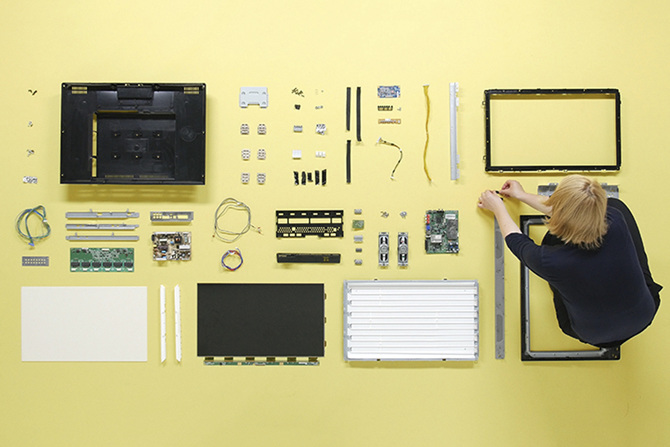
Formafantasma. Spazio Krizia. Salone del Mobile 2017. Foto ©Masiar Pasquali 
http://www.formafantasma.com/filter/home/Ore-Streams-1
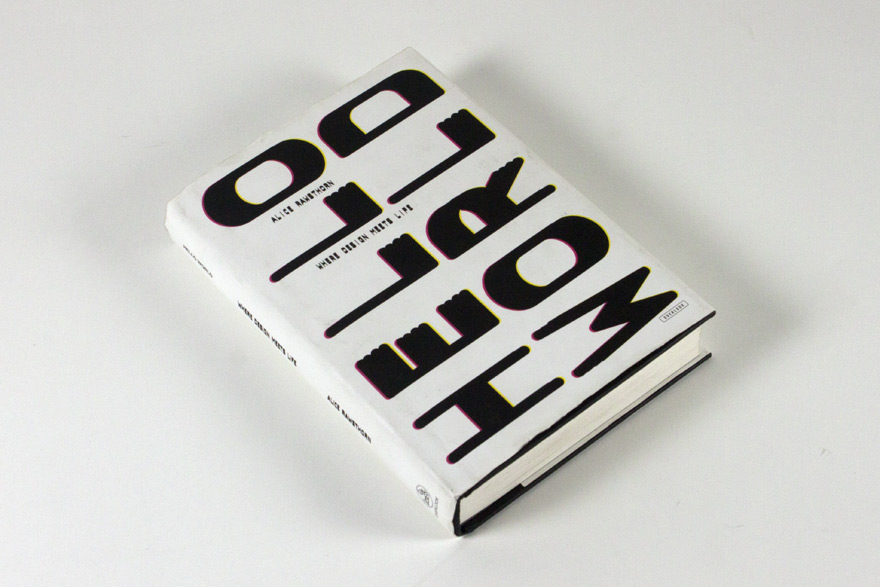
Or the writings of Design Critic and Researcher, Alice Rawsthorn-whose book Hello World explored the comprehensive and interconnected relationships between the practices of design, craft and art in relation to society and our collective history.
Written Task
List 4 key evolutionary design steps that contributed to the identity of your design culture today in your country in your opinion.
The emergence of Punk
The prominence of Fanzines, in the 1970’s and the 1980’s
Neville Brody-Art Director for Face magazine
EYE magazine
 JohnPrinceBranding