Brief Two_Process
My Reflections on this week’s Lecture.
Thoughts on Ideas: Defining methods of thinking, curiosity and insight.
A Reflection on my process
Instinct, plays an integral role in my approach to the design-process. Upon reading or listening to a design-brief, my mind reacts with immediacy and precision, allowing me to create a mental-map of the process and the outcome. In response to this immediacy, and possibly in contradiction to, my mind realigns itself and settles into a more free-flowing rhythm-with a settling of the mind and senses, the analysis and responses will begin to present ideas of a more considered nature, and leaving one feeling that I am not so much forming the ideas rather than acting as a conduit for them as they float through the ether. This notion, has often led me to believe that Art and Design, in it’s purest form and at their core, are profoundly spiritual and are a projection of our true-selves-as we have explored in previous assignments.
Lecture_Constructs of thinking and generating ideas
RSA-Animate: The Divided brain, by Ian McGilchrist
This week’s Lecture was, generally, insightful and introduced me to a number of ideas which I found to be educational and thought-provoking-specifically in regards to my own methodologies and practices. The content itself, was rich and led me to inquire further into the subjects that were discussed. Specifically, I was greatly interested in the work of Psychiatrist, Writer, and former Oxford scholar Ian McGilchrist and his exploration of the dividing of the brain. Having no prior knowledge of Ian’s work, I found the short-film to be enlightening and instructive, with easily digestible segments that allowed for pause and consideration.
The Divided Brain explores how each side of our brain undertakes a specific roles and how, through interconnectivity, the brain allows us to both create and navigate the world around us. The roles of the respective sides are as follows:
Right Hemisphere: Sustained, Open, Broad, Vigilant, Alertness.
Left Hemisphere: Narrow, Sharply-focused, Attention to detail.
The Frontal-lobe: The Frontal-lobe also allows us to be Machiavellian-scheming and manipulative, there-by fulfilling our desire to outwit the other person. In contrast to this function, the Frontal-lobe also serves to create within us, an empathy for the other person-consequently, creating a bond. This bond is created by the distancing of ones’ self from the respective individual’s own plight and experiences.
I had found the above points to be of great insight, as I had often spoken of Visual-Communication serving as a bridging device within the mind-acting as a connection between the sub-conscious and the viewer. This has been most prominent in my approach to Branding and Identity, in which I endeavoured to form a personal connection between the work and the intended demographics-embedding my strategies in emotionally-driven narratives that sought to create an empathy for the Brand, within the consumer’s mind.
My exploration of The Divided Brain has allowed me to assign a model of thinking to my own practice, and therefore, allowed me to develop a greater understanding of how I think about the processes within design-practices-specifically those that I apply to my commercial-practice. What is now clear to me is, how prominent the role of the left hemisphere is, not only in my own immediate responses to a problem, but in the wider function of visual-communication within society. This is evident in our daily interactions with all aspects of our lives, from the intuitive relationships we have with our smart-phones to the fleeting glances at the advertising we see on our commute-the left hemisphere is working to translate the world that we have created.
http://www.ianmcgilchrist.com/vidoes
TEDXTALKS_Ian McGilchrist
Research:
The Creative mind.
In 2014, I purchased a copy of Hello World by Design-Critic, Researcher, Author, and Public-speaker, Alice Rawsthorn. The book details the conception and development of visual-communication through-out the history of global civilisation, and in so, explores the relationship between what it means to be human and how we create and interpret the world around us-presenting the reader with profound questions pertaining to National-Identity, Political choices, Cultural-Narrative, and How we choose to communication those ideals?
Reading through each chapter, I was intrigued and encouraged to find a voice that, was not only communicating values and opinions that I had wanted to convey in my own work for many years, but also a perspective that allowed me to provide a broader and much richer context to, how I thought about the history of Visual-narrative and the role it had played in the forging of the civilised world. By confronting myself with this new way thinking, I was at last able to integrate my interest in history and my passion for the arts into my day-to-day practice, and thereby elevate the depth of thinking that contributed to my commercial endeavours.
Alice Rawsthorn’s book, identified, analysed and contextualised the relevance of certain key accomplishments through-out the history of the Industrial Revolution, highlighting the innovations in technology and shifts in practice that had subsequently, resulted in renewed methodologies and a progression in the execution of commercial practice-this may be evidenced in the book, The condition of the working-class in England, by the German Philosopher, Social-scientist, Journalist and Business man Friedrich Engels-whose work in documenting and campaigning for the plight of the working-classes in England during the 19th Century, sought to identify and communicate this national-emergency to the general population-thereby using communication as a tool in the identifying of a problem, and in the subsequent seeking of a solution.
During the 19th Century, we begin to observe the role of the creative shift closer towards that of a social-campaigner, with many of the centuries leading artistic and literary figures becoming pioneering philanthropists-such examples of this role can be observed in the philanthropic aspirations of John Ruskin, Charles Dickens and the painter, Holman Hunt-each of whom, had expressed a desire to provide refuge and restitutions to the working-poor, in 19th Century England. Most notably, it was perhaps the creation of artistic movement, The Pre-Raphaelite brotherhood-whose ideals were rooted in the elevation of painting as form of contemporary-storytelling, that had the most impact during the middle of the 19th Century.
IDEO-What is Design-Thinking: A 5 stage process.
Empathise
Define
Ideate
Prototype
Test
Using Ideation to Build Castles in the Sky, then the Bridges
There are hundreds of ideation techniques to help you in your ideation sessions. You want an ideation technique that combines your conscious and unconscious mind—fusing the rational with the creative. It must match the sorts of ideas your team must generate and reflect their nature, needs and experience with ideation. Some crucial ones are:
Brain-storming – building good ideas from each other’s wild ideas.
Brain-dumping – like brainstorming, but done individually.
Brain-writing – like brainstorming, but everyone writes down and passes ideas for others to add to before discussing these.
Brainwalking – like brain-writing, but members walk about the room, adding to others’ ideas.
Worst Possible Idea – an inverted brainstorming approach, emboldening more reserved individuals to produce bad ideas and yielding valuable threads.
Challenging Assumptions – overturning established beliefs about problems – revealing fresh perspectives.
Mindmapping – a graphical technique involving connecting ideas to problems’ major and minor qualities.
Sketching/Sketch-storming – Using rough sketches/diagrams to express ideas/potential solutions and explore the design space.
Storyboarding – developing a visual problem/design/solution-related story to illustrate a situation’s dynamics.
SCAMPER – questioning problems through action verbs (“Substitute”, “Combine”, “Adapt”, “Modify”, “Put to another use”, “Eliminate”, “Reverse”) to produce solutions.
Body-storming – role-playing in scenarios/customer-journey steps to find solutions.
Analogies – drawing comparisons to communicate ideas better.
Provocation – an extreme lateral-thinking technique to challenge established beliefs and explore paths beyond.
Movement – a “what if?” approach to overcoming obstacles in ideation and finding themes/trends/attributes towards reliable solutions.
Cheatstorm – using previously ideated material as stimuli.
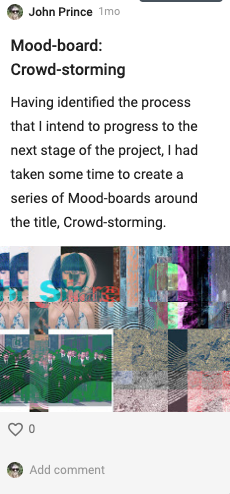
Crowd-storming – target audiences generate and validate ideas through feedback (e.g., social media) to provide valuable solution insights.
Creative Pause – taking time to pull back from obstacles.
Reference material:
https://www.interaction-design.org/literature/topics/ideation
https://www.ideo.com/post/design-thinking
https://www.britannica.com/biography/Friedrich-Engels
The Bauhaus Movement-A Brief Overview
Founded in Weimar in 1919 by architect Walter Gropius, the Bauhaus movement endeavoured to introduce a design-philosophy that placed an emphasis on Craft-with the intention to mass-produce products that retained the attributes of high-end, one-off, designer-products. The movement sought to democratise design-practices through the use of lateral-thinking and inclusive, craft-orientated processes. Taking inspiration from earlier movements such as The Arts and Crafts movement and Art Nouveau, the Bauhaus movement aspired to bridge the artisan-practices of the provinces with the industry of the larger, economic hubs. Through doing so, they pioneered a school of thinking that went on to influence a myriad of practices, such as: Graphic Design, Interior Design, Contemporary-Architecture, Industrial-design, Ceramics, Printed-Fabrics, among many others.
In Bauhaus there was created a school of thinking that applied a practically-minded approach to design-practice, that being exploration of ideas through making. The students of the school underwent training in a myriad of crafts and would later be encouraged to specialise in a chosen discipline. It was this universal understanding of making and experimentation that would underpin some the school’s most prominent outputs, and go on to influence the design-philosophies of contemporary practices.
Walter Gropius, Moholy-Nagy, Josef and Anni Albers, and the architect Mies Van Der Rohe all went on to teach in America after the Second World War, and in doing so, would instil in their students the ethos and spirit of those early years of the Bauhaus movement-this influence and education can be seen in all manner of brands and products, today.
The Bauhaus movement has long held an interest for me, with a specific preference for one member in particular-Laszlo Maholy-Nagy. As an original member of the Bauhaus school, his preference for experimenting with materials and his understanding of composition and structure would play a formative role in the teachings of the school. Through his exploration of, the effects of light on industrial materials, such as glass and plastic, and his interest in the Constructivist movement and Photography, he pioneered a methodology for generating ideas that transcended previously accepted constructs and made use of, a multi-disciplined approach to ideas-generation and development. It is this lateral approach that will inform my own approach to tackling this week’s studio-task.
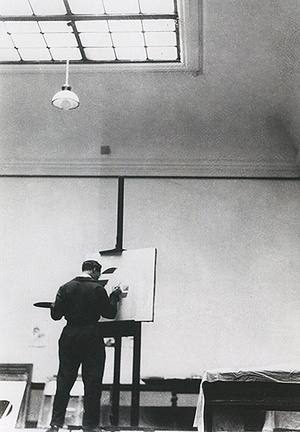
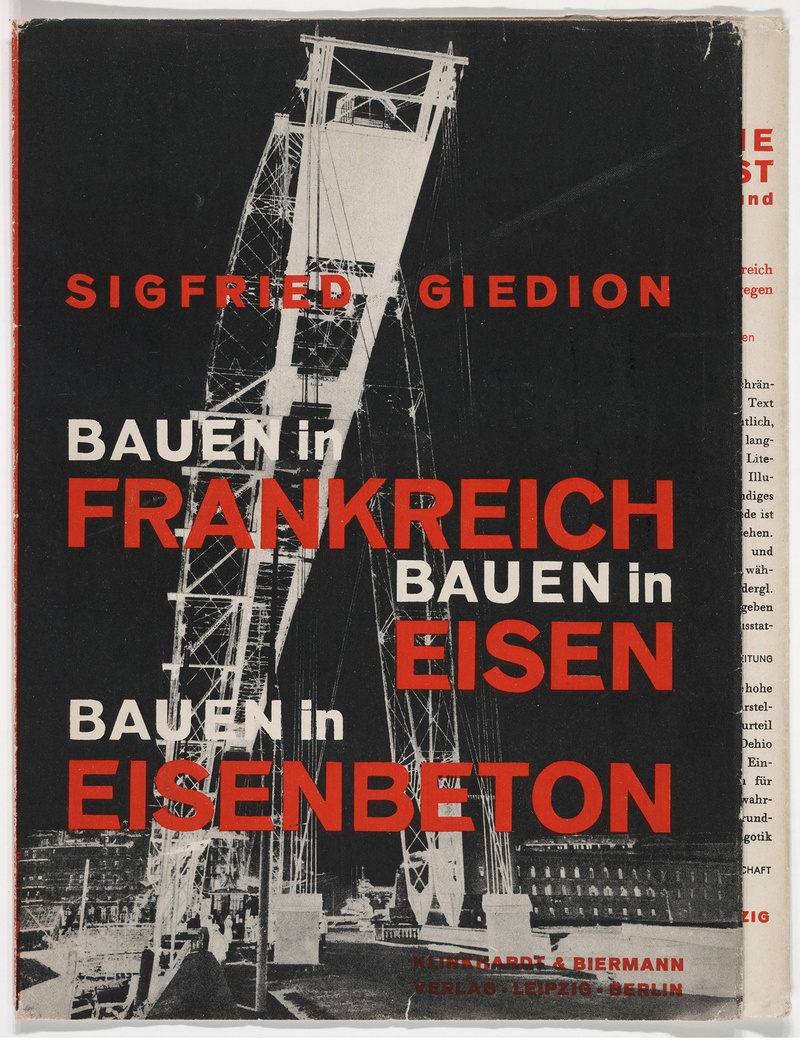
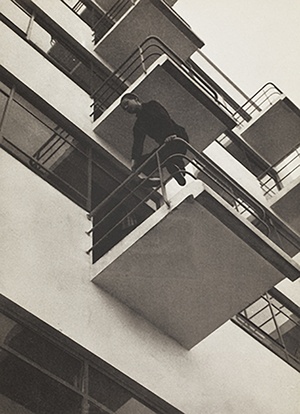
From right to left, Laszlo in his Atelier at the Bauhaus school in the 1920’s, A Magazine cover produced by the Bauhaus in 1942, The balconies at the Bauhaus school in the 1920’s.
Workshop Challenge
Your Task
This week you will:
Explore and find an example of a way of thinking. This could be from the area of arts, design, philosophy or science.
Choose a thinker or a process and summarise in a black line drawing.
Explore models of thinking – what sorts of theories and process models exist to help us generate ideas?
Document your whole process and reflect upon it in your blog.
Upload your final black line drawing to the ideas wall and a link to your blog showing process and reflection.
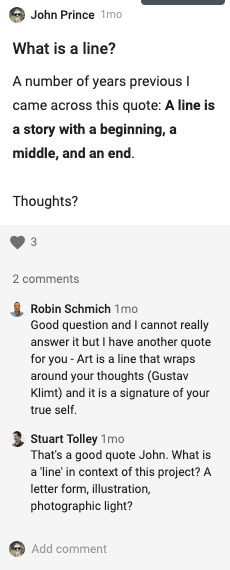
Selected process: To be illustrated, using a line.
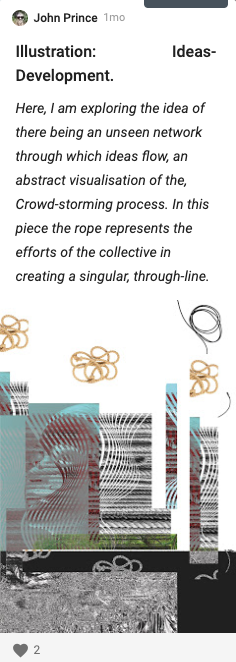
Crowd-Storming, is a technique adopted and developed by IDEO and it is comprised of a series of focus-groups and collective, Brainstorming exercises, that enables a research-team to gather and analyse a diverse and substantial data-set. Unlike, Crowdsourcing, Crowd-storming endeavours to identify and develop all aspects of the collective-effort, in order to advance the outcome.
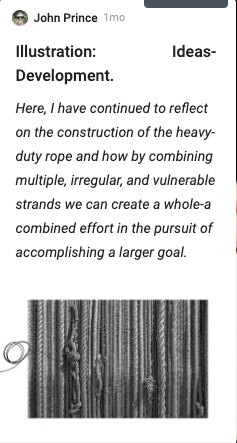
Ideas-Development and Exploration


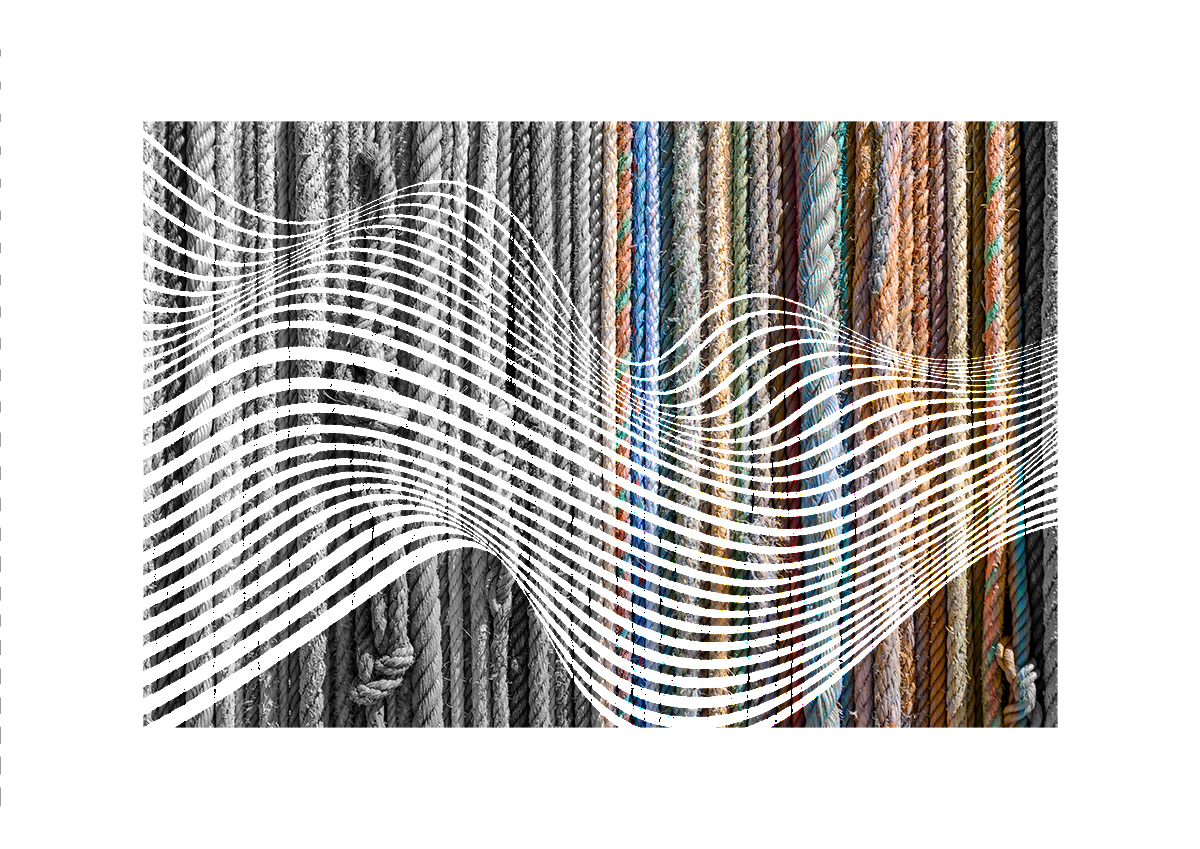
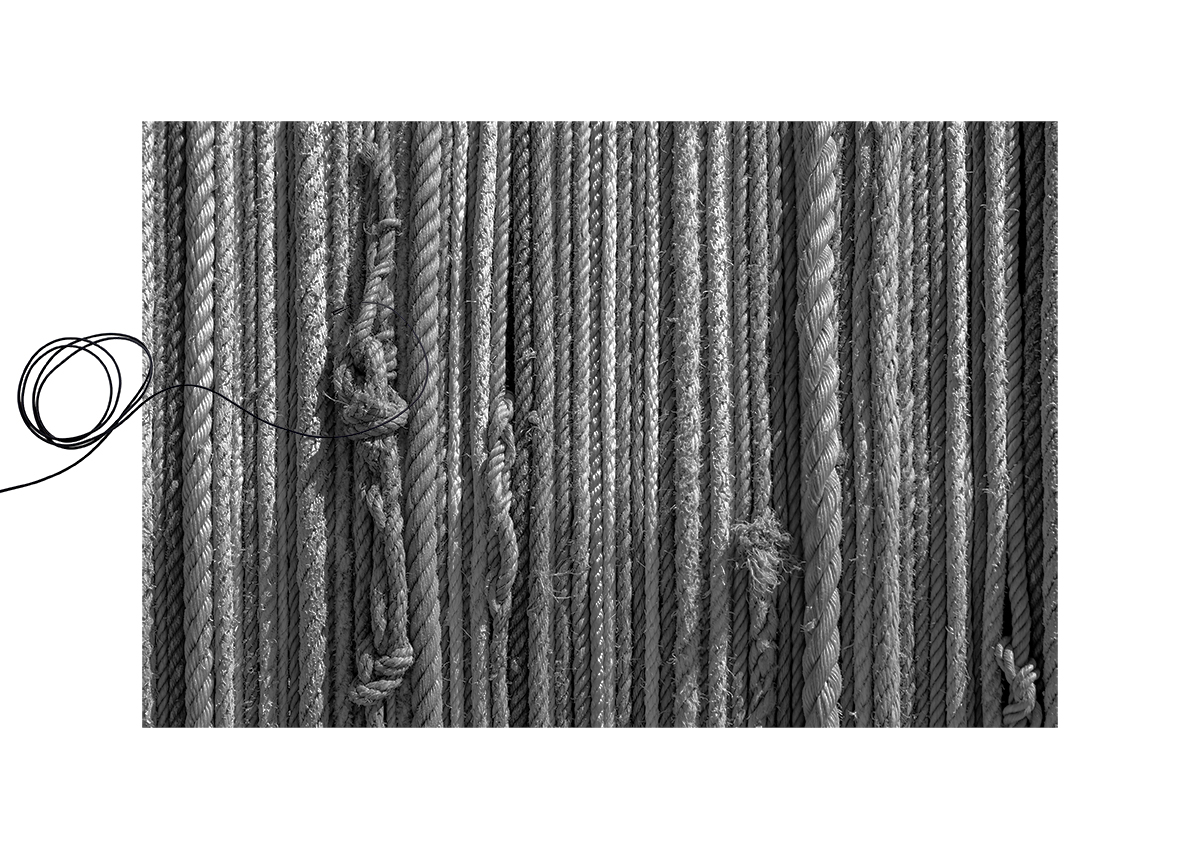


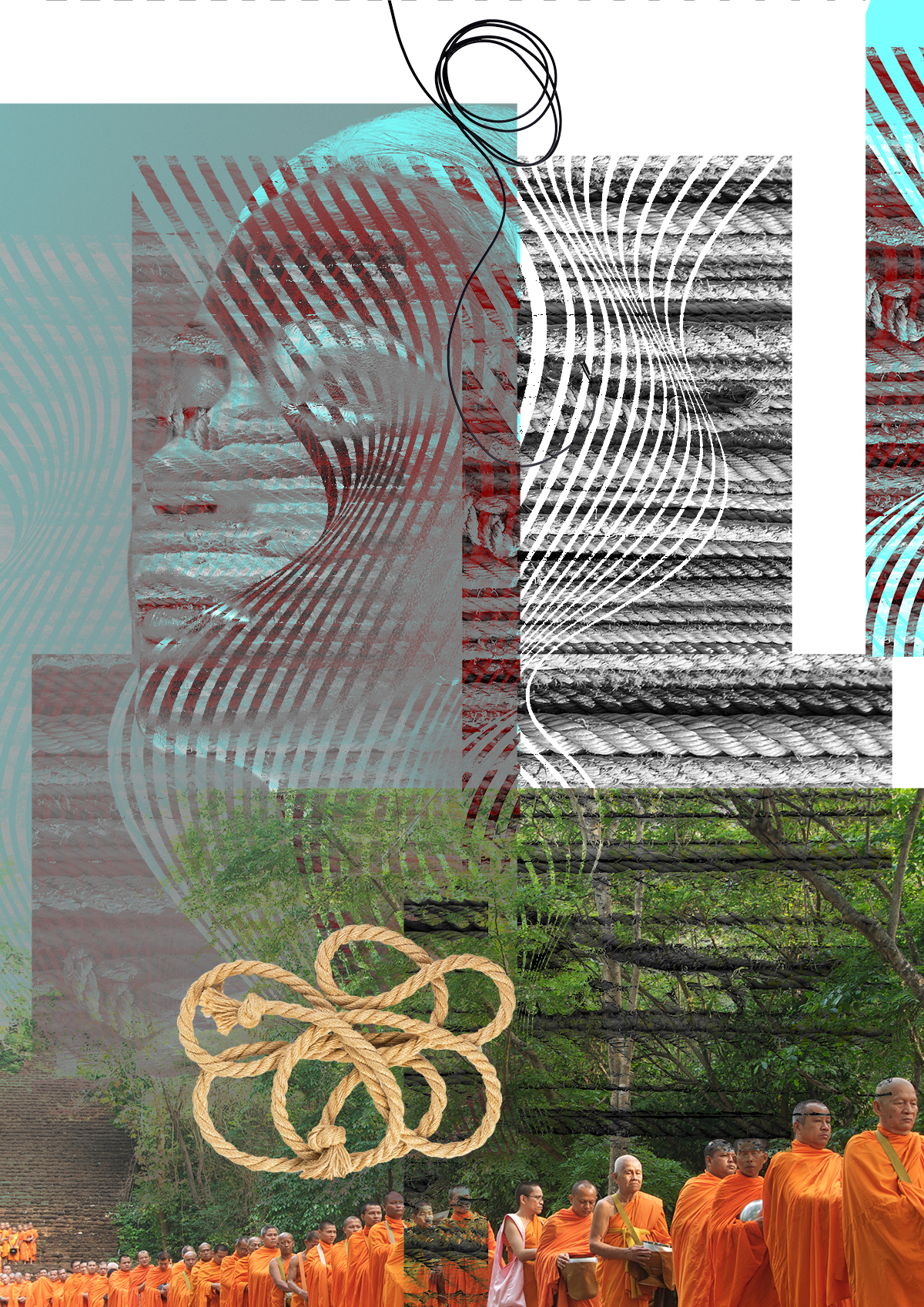
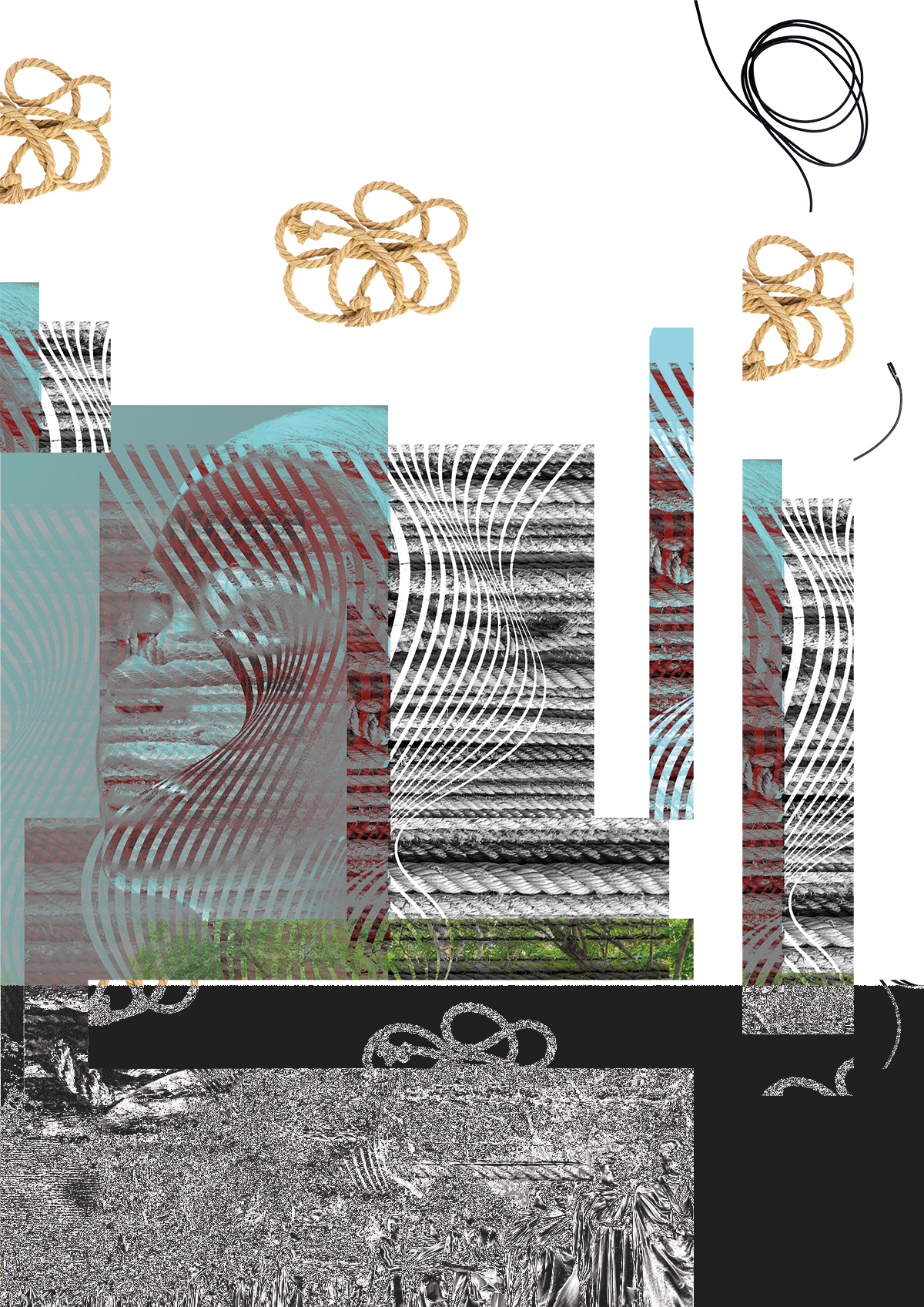
Mood-boards-“Collective-thinking”
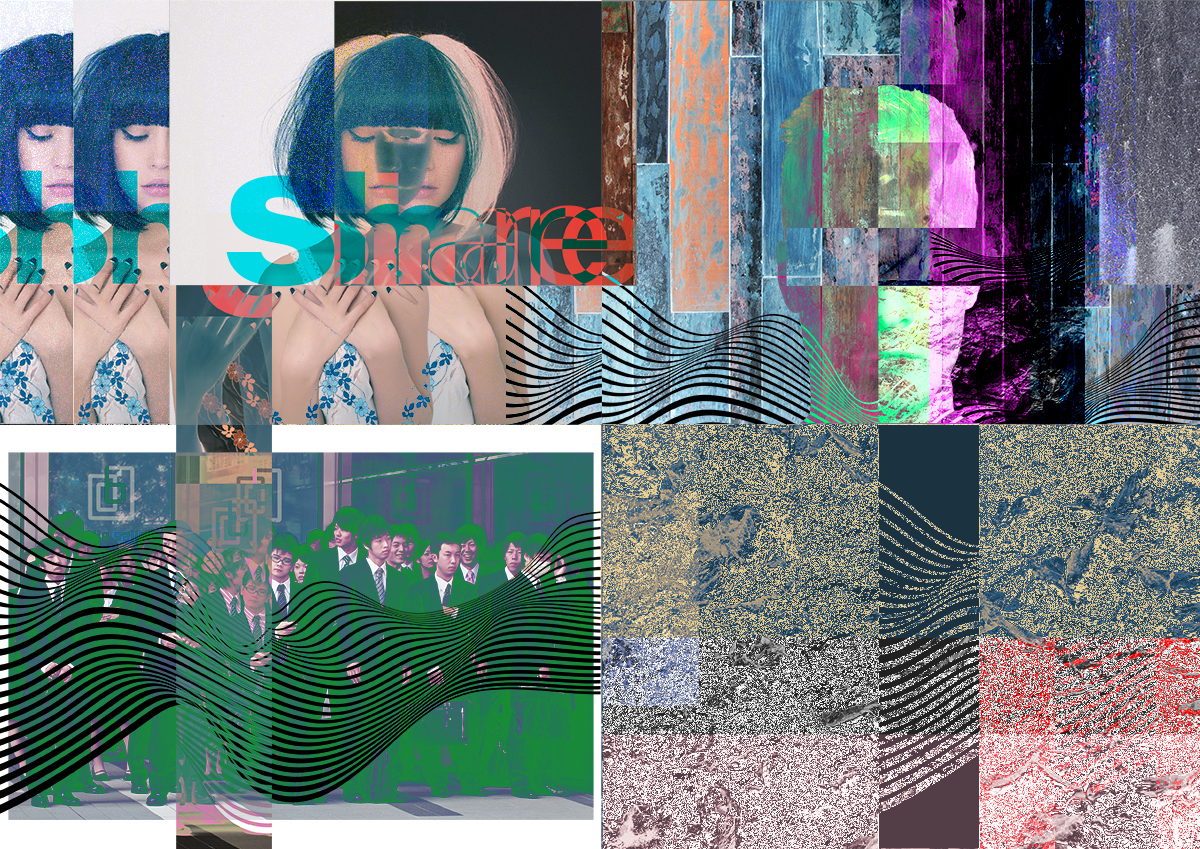
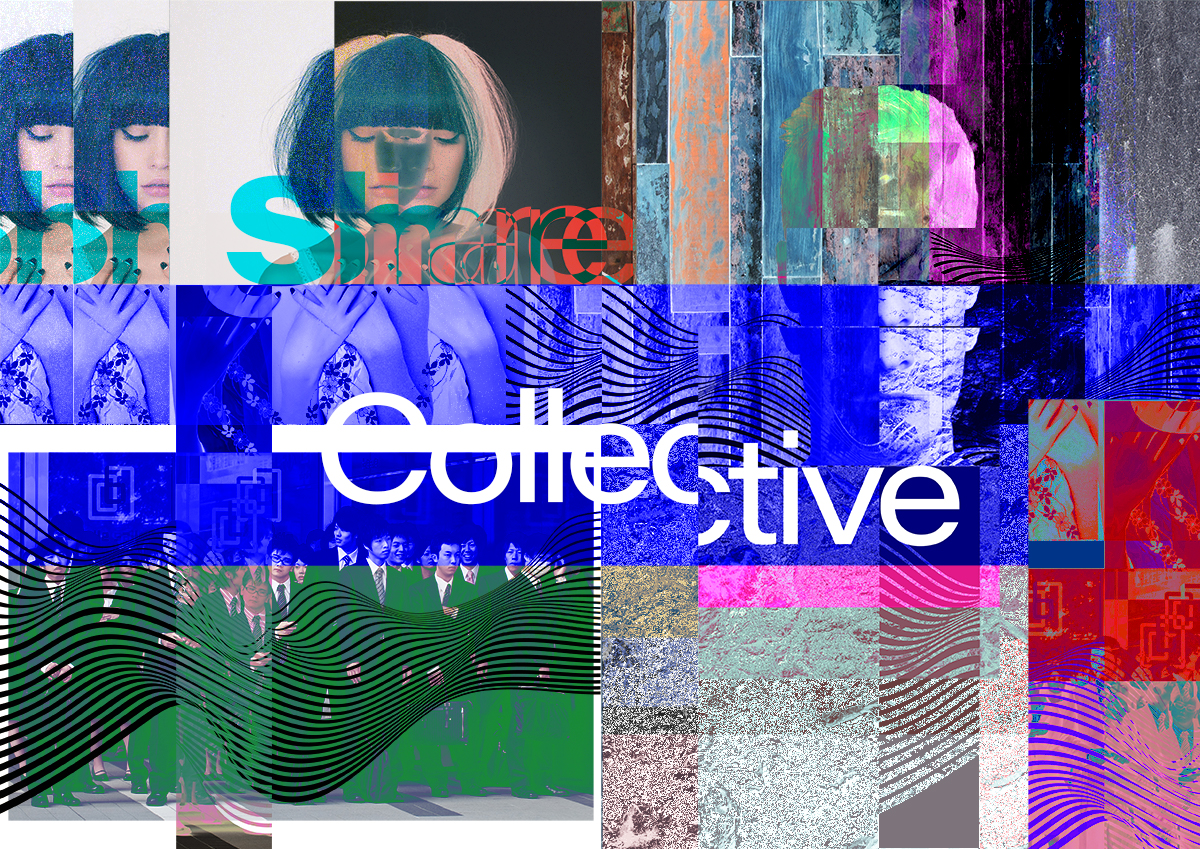
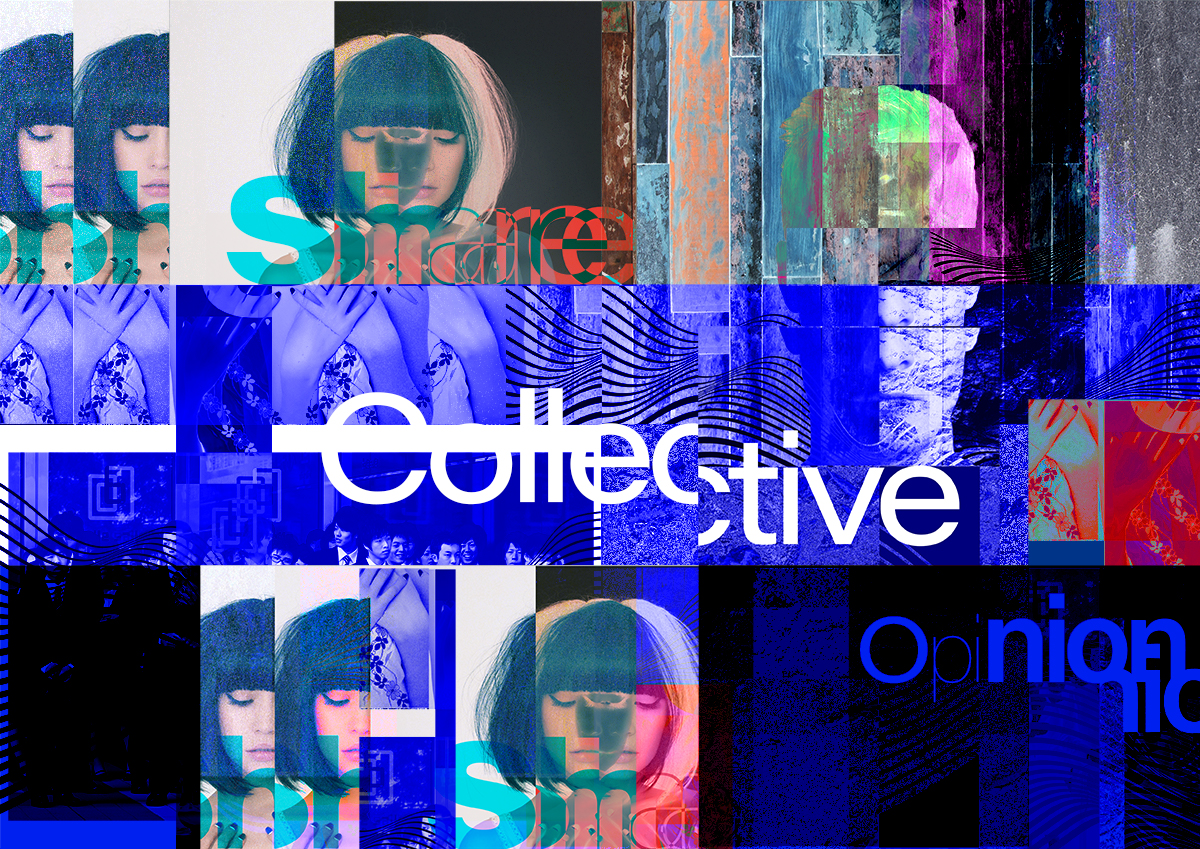
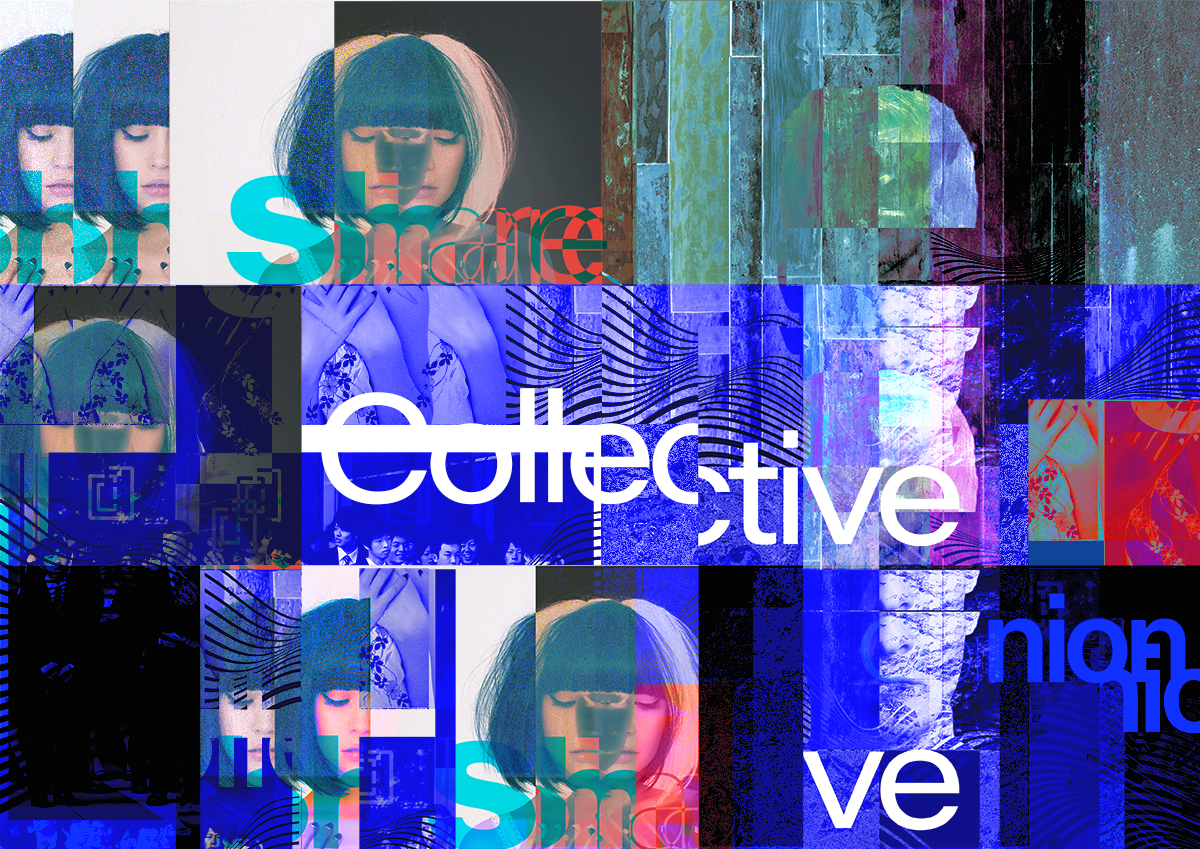
Ideas-Wall: Excerpts from our discussions.
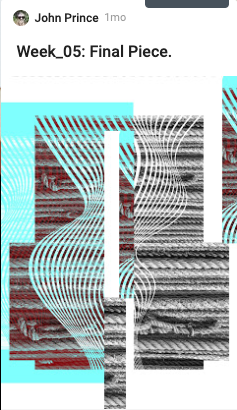
Final Piece

 JohnPrinceBranding