Lecture: Noticing the Ignored.
Last week we explored different approaches to thinking. This week we will be ‘noticing the ignored: experiential drawing, capture, writing, recording, play, photography’.
In this week’s lecture we ask you:
How do I use the unnoticed?
How do I use recording tools to capture information?
How can you really look at something from multiple ways of seeing?
How can you capture and record in multiple ways?
Noticing the ignored: Experiential Drawing,
Capture Writing, Recording, Play, photography.
Lecture: Looking, Seeing and Capturing.
This’ week’s lecture acted as a comprehensive overview of the variety of methods that we can use to observe and capture the world, or rather worlds, in which we reside. Providing a number of interesting starting points, the lecture presented me with a great deal to think about, and further more, provided a satisfying segue-way from the research that I had carried-out in the previous assignment.
My initial thoughts were focused on our relationship with the act of seeing, and how this has changed in recent years-largely as a direct consequence of the ever-increasing role that digital technology plays in our day-to-day lives, and so I began to reflect on the act and prominence of, The Selfie.
The Selfie as an Avatar, is perhaps the most accurate description of the role this phenomenon plays in our daily-lives, it is a representation of how we see ourselves, or rather, how we wish to be seen by the external-world.-a tailored interpretation, of the constructs of identity, which we have assembled in our mind.
How do I use the unnoticed?
In considering the questions this week, I have found myself reflecting on a number of avenues of inquiry: The first being my affinity for the perspective of the Diarist, having long held an interest in history and story-telling this format appeals to me on a number of levels. The diarist is, without the intention of aspiring to be in many instances, a documentarian-whose viewpoint increases in value with the passing of time. These brief observations, seemingly unimportant in the moment, can and have become documents of the greatest importance to scholars and the general population, but why? For me, this is rooted in the need to document our collective experiences, to provide insight and instruction to those who come after us, and in doing so, to preserve the values and integrity of civilisation. So, beyond the need to document and preserve the progress and misgivings of societal events, what else can the diarist offer us? In my own experience, reading the words of a diarist can evoke any number of reactions, some of which can be of the most profound nature-allowing for the reader to form an emotional connection to an individual that transcends geographic location and the passage of time, itself. This, somewhat elusive bond, can allow us to realign our own perspective on events-and through the consumption of multiple perspectives, we are able to construct a more accurate view of history and the consequential occurrences that follow-The Diarist is this instance, is playing the roles of, an Archivist and Teacher-reaching out to us, from behind the veil of time.
How do I use recording tools to capture information?
As a creative, my approach to capturing information has been to contemplate the suitability of each tool, in relation to the task in hand. Asking myself, does this choice provide me with the most effective and versatile option for this endeavour?
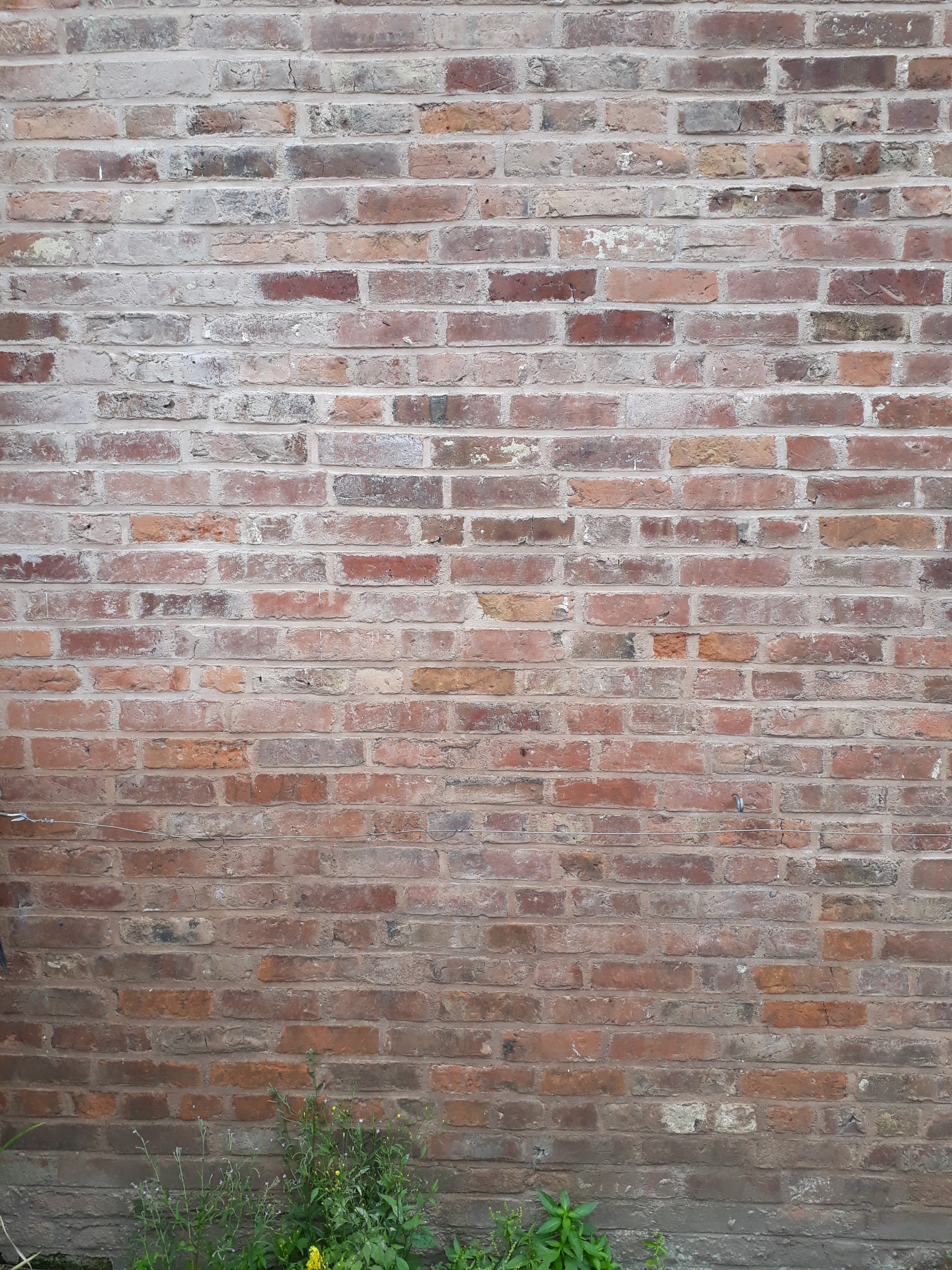
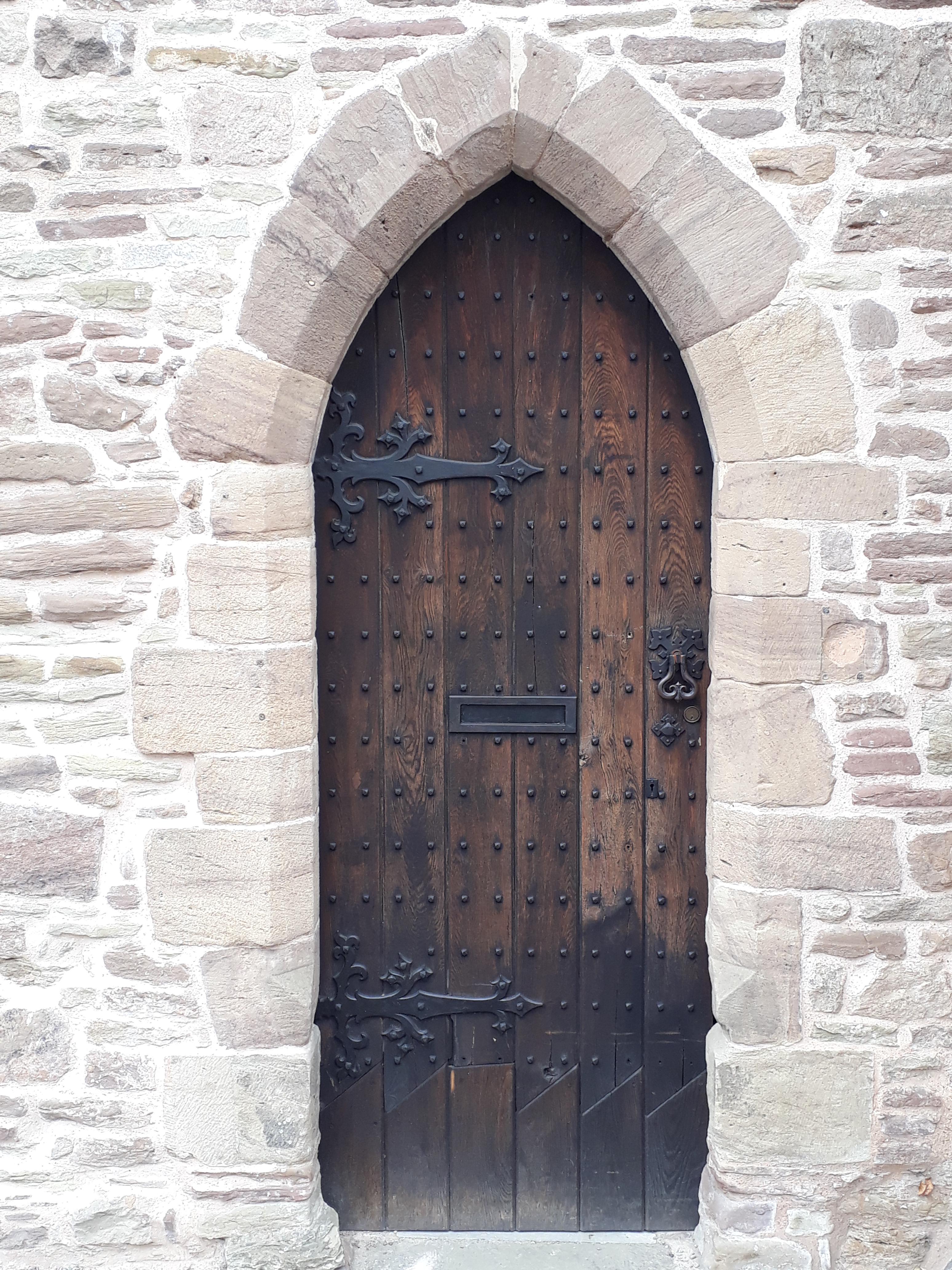
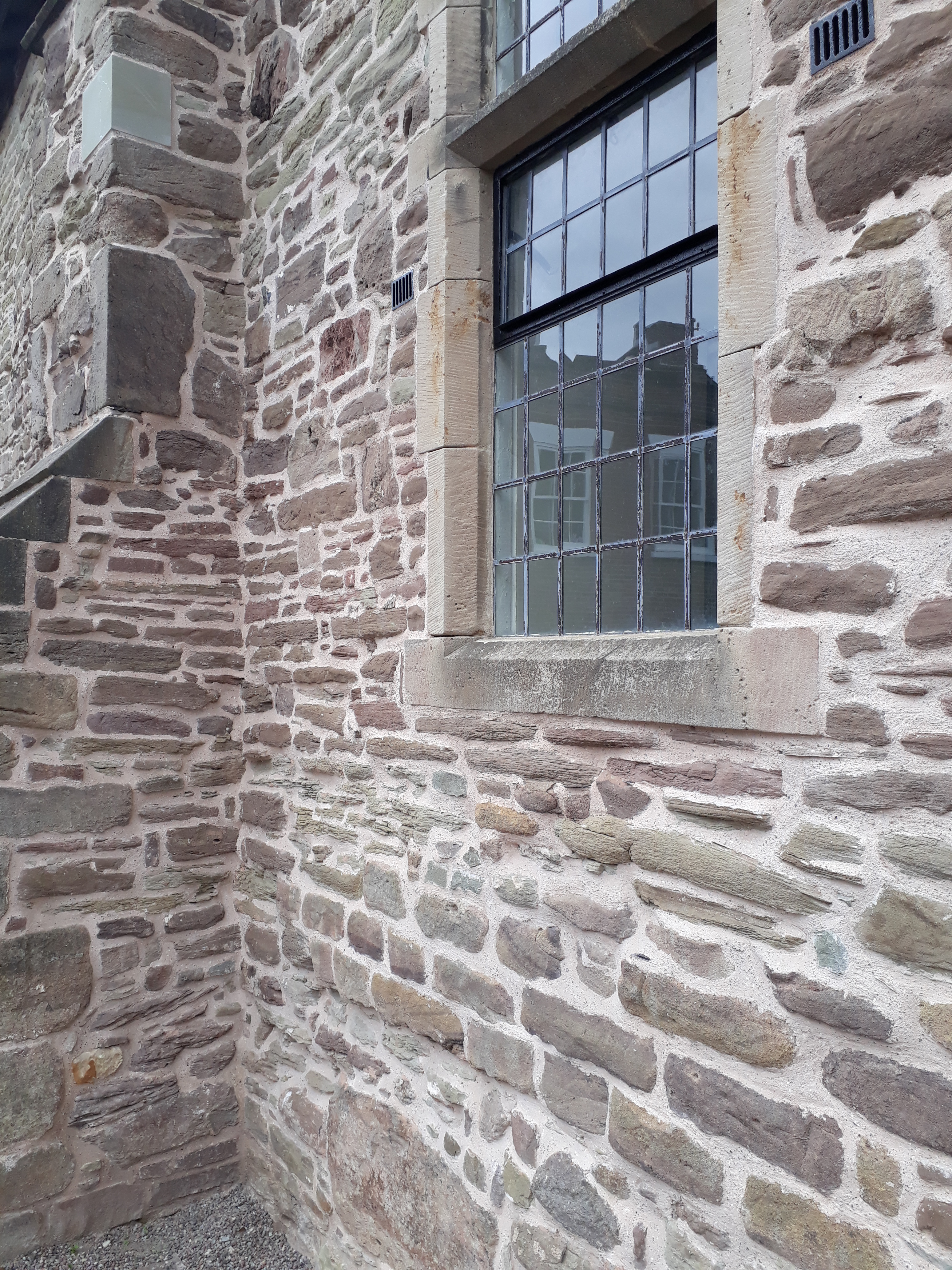
In regards to that act of capturing information, I believe that it would be more accurate to describe my own approach as, capturing a mood. When I look at a scene in front of me, ones’ attention is initially directed towards the “feel” of a location, particularly if that locale has a rich and layered history–I am alerted to the aromas in the air, how the light settlings on the surfaces of the buildings, the worn down textures found upon the surface of the masonry and brick-work.
How can you really look at something from multiple ways of seeing?
By using a diverse selection of techniques to capture an image, we are also viewing that scene or object through multiple perspectives, each of which can tell us something new about our chosen subject-matter, and in-doing- so, provide valuable information in the analysing of the subject-This may be something as simple as recording the shape, or the outline, of an object through a line-drawing, or capturing the colour-palette of a landscape by using water-colour paints to create a brief sketch, each method will add to our knowledge of that subject, and by combing all of these viewpoints, we begin to see the true nature of the scene before us.
How can you capture and record in multiple ways?
A selection of media, that we can use to capture and record the world around us:
Kabuki_Theatre_Shadow-Theatre_Dance
Embroidery
Eyes
Hand-Gestures/Facial-Expressions
Composition/The Golden Rule
Braile
Mirror_Light_Reflection
Film_Digital-Film_Celluloid_Photography
Binoculars_Kaleidoscope_Telescope
Drawing_Painting_Sculpture_Graphic Design_Fashion_Collage_Graffiti
Imagination
Audio_Singing_Speaking_Echo
Research:
The Situationists
Juxtaposition and collage-to explore information that was already present, responding to the world as it was presented to them. The situationists rebelled against the trivialising of the lived-experience and sought to engineer scenarios through play, with the intention of subverting the social-spectacle.
Unitary-Urbanism/Integrated, play-installation
Psychogeography-Exploration through play.
The situationists international, were a group of revolutionaries comprised of artists, political theorists and intellectuals that practiced between 1957 and 1972. The group had been founded by Guy DeBord, Asger Jorn, and Piero Simondo. Formed from two existing movements, The international movement towards an imaginist Bauhaus and The London psychogeographical society, the group sought to push back against the conventional values of society, endeavouring to disrupt the flow of the mundanity that was imbued into every crevice of society.
DeBord, in particular retained firm connections to paramilitary-groups and extreme leftist, grass-roots movements-whose roles in the student protests in Paris in 1968 can be traced back to propagandist pamphlets distributed by DeBord, and his contemporaries.
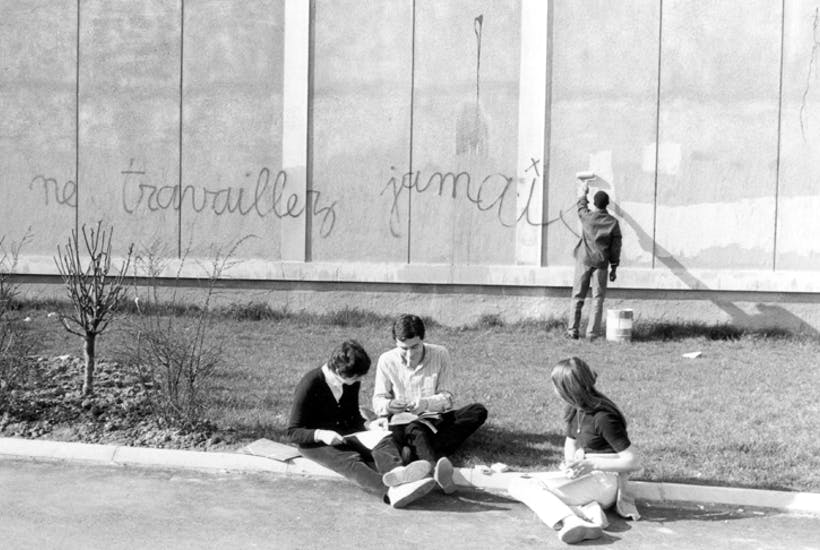
Never work: Graffiti on the walls, Nanterre University 1968.
Workshop Challenge
Your Task
This week will involve you going out to really look, explore and record a local geographic area. Be prepared, plan your trip and visit several times; perhaps even at different times of day / night.
Identify your chosen geographic location. Select a street nearby to you within 1 or 2 miles from where you live.
Document it, explore it, evidence it.
Come up with something unique to your street.
Present your interpretation of your street in the media and format of your choice.
Load your work to the ideas wall, and post a link to your blog demonstrating your development and your reflection.
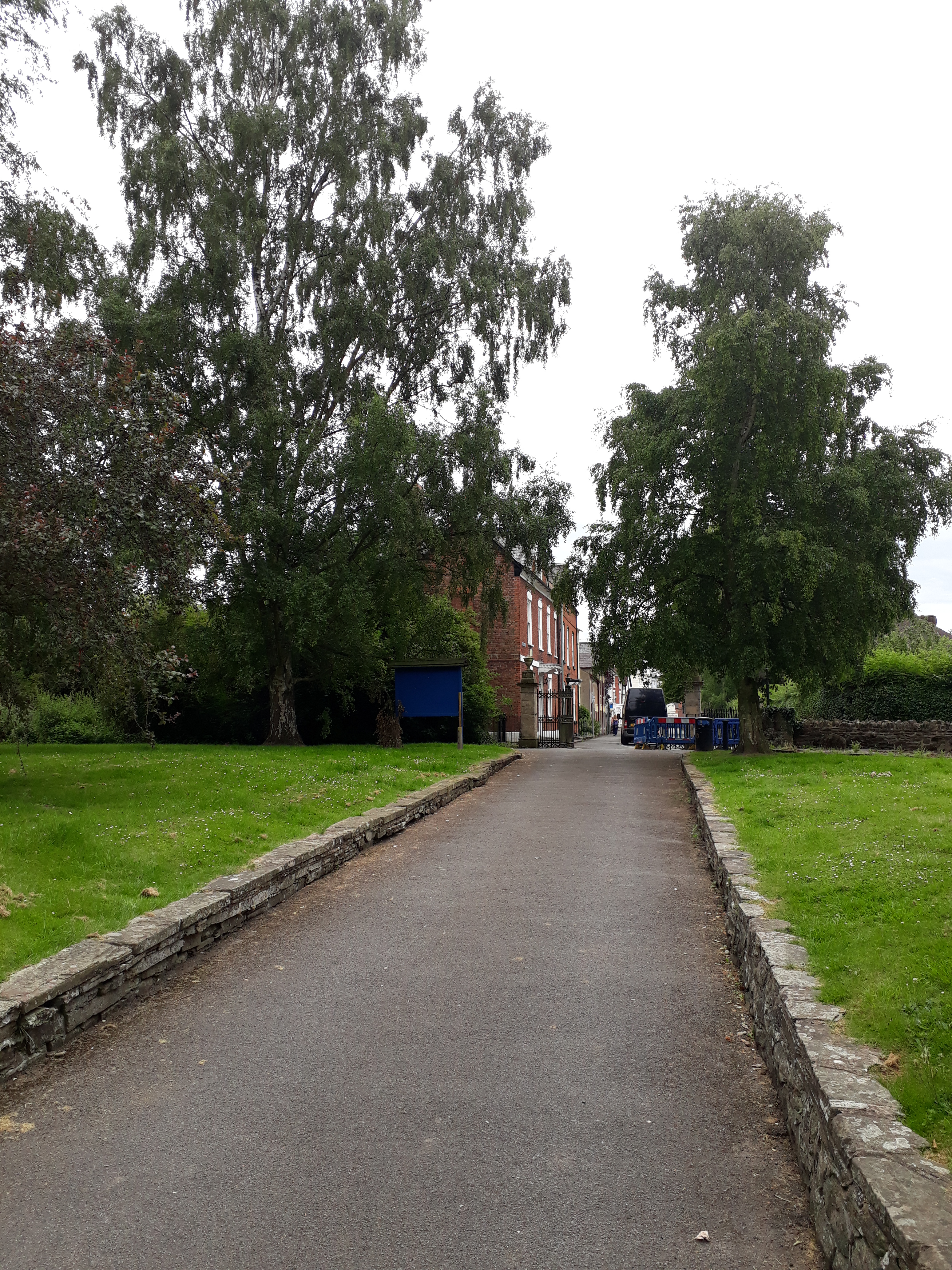
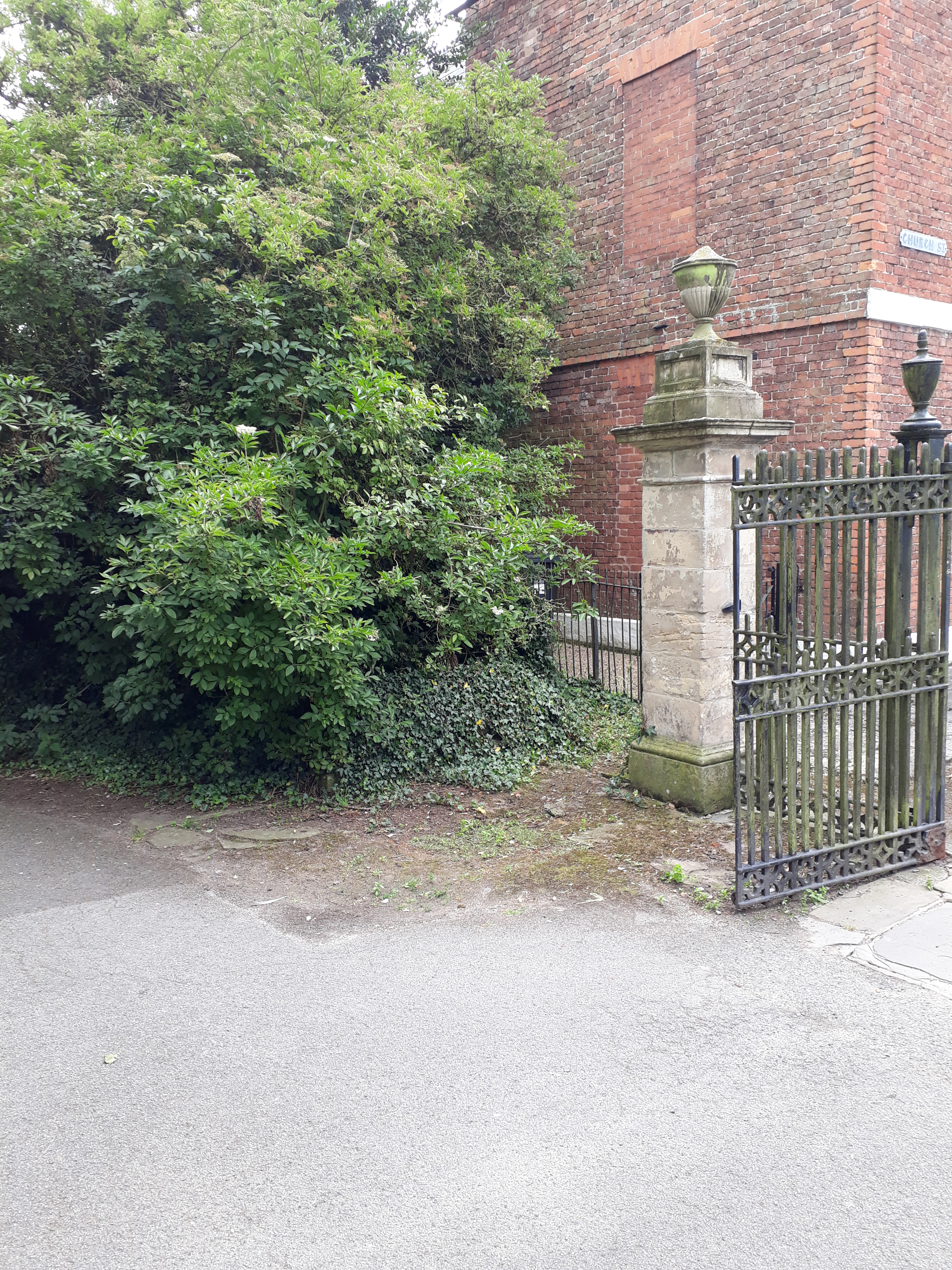
Noticing the ignored: Church Street.
Leominster is a municipal borough and market-town 12 m. N. of Hereford. The town still retains a considerable number of its old timber-framed houses, of which some fourteen appear to date from the Middle Ages. Of the individual monuments, the Priory Church with an interesting 12th-century nave, the Market Hall (now Grange Court), and the houses numbered (6), (13), (41), (48), (76), (87), (114) and (138) are the most important.

Church Street
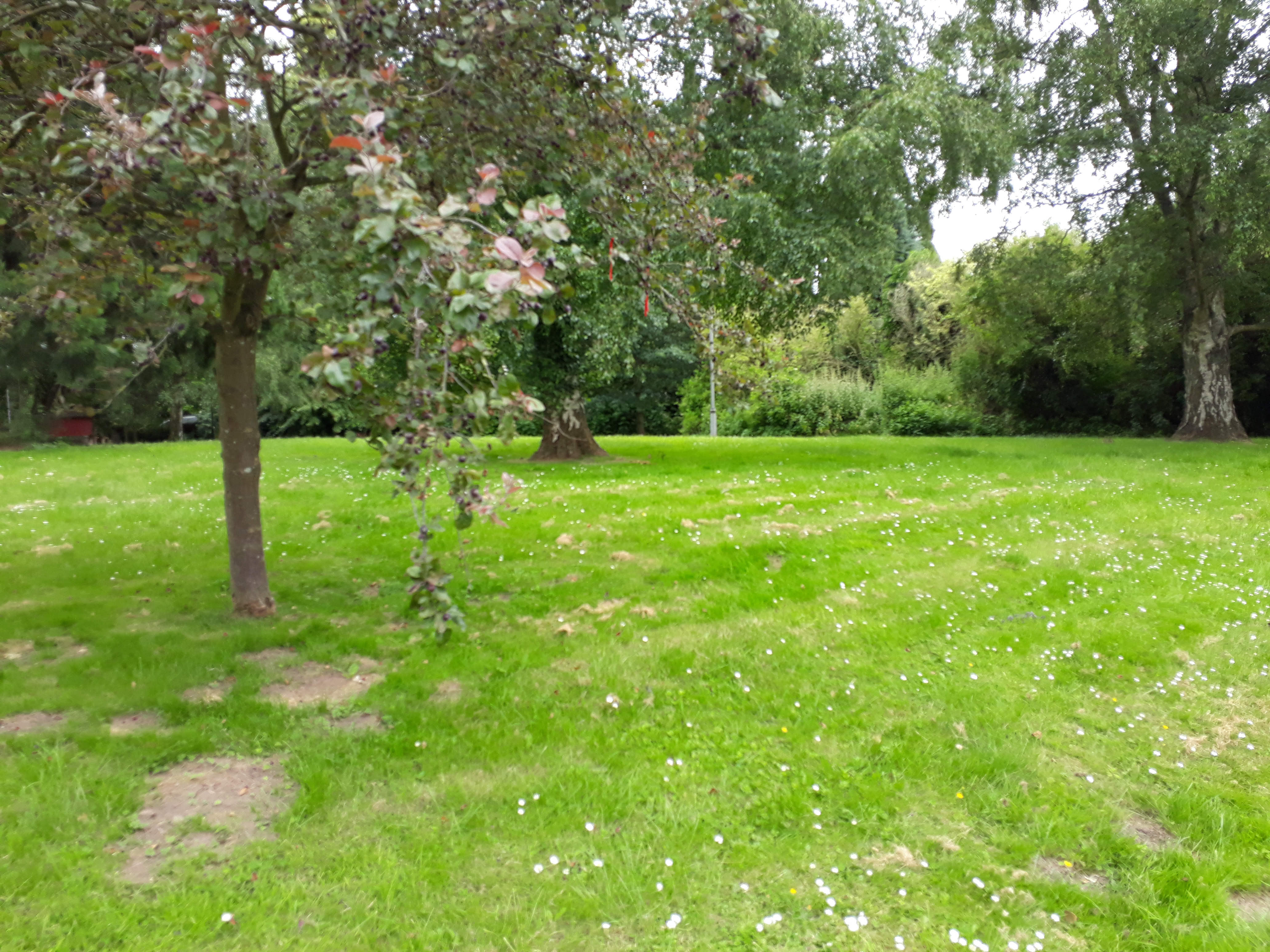
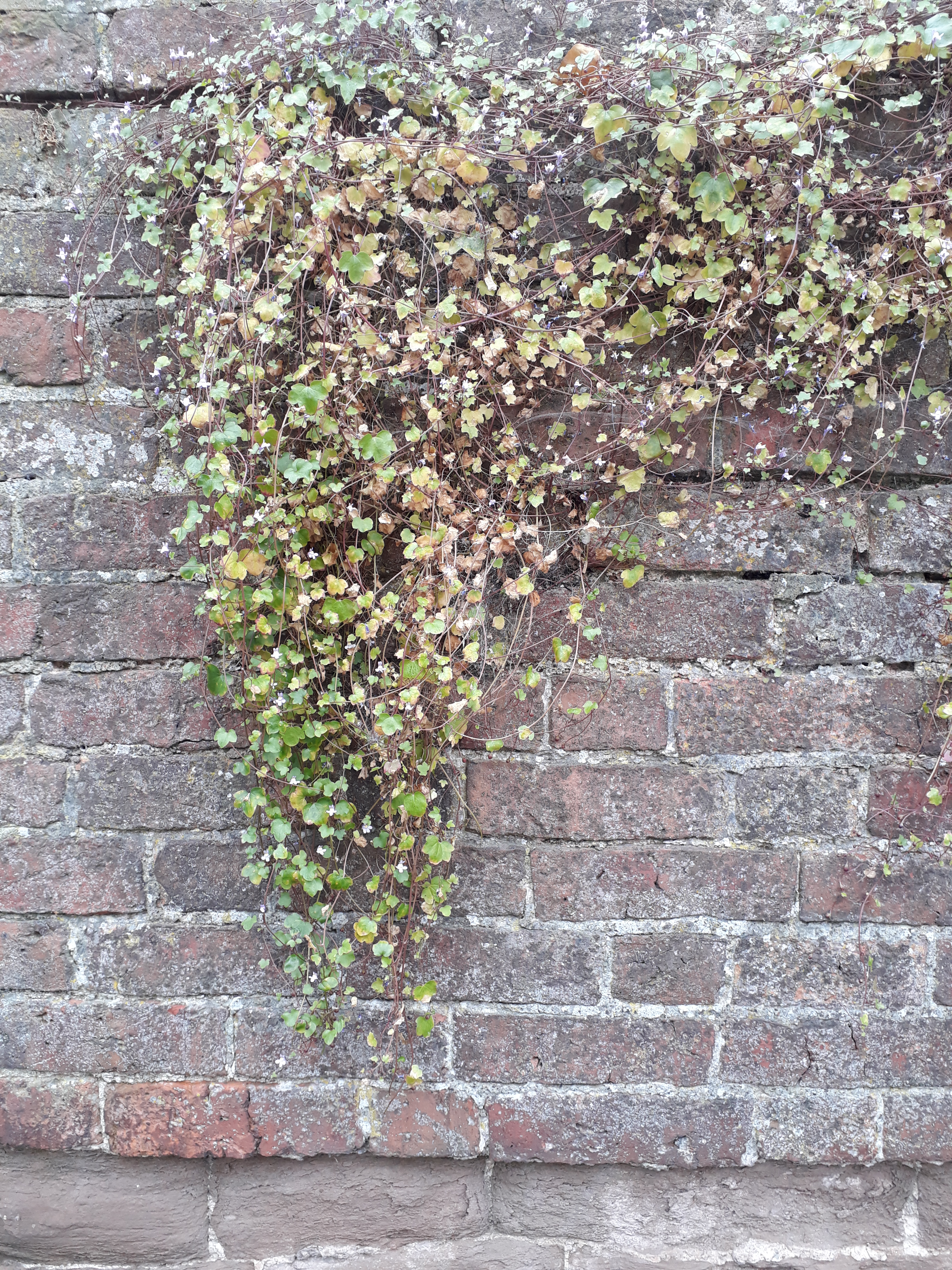
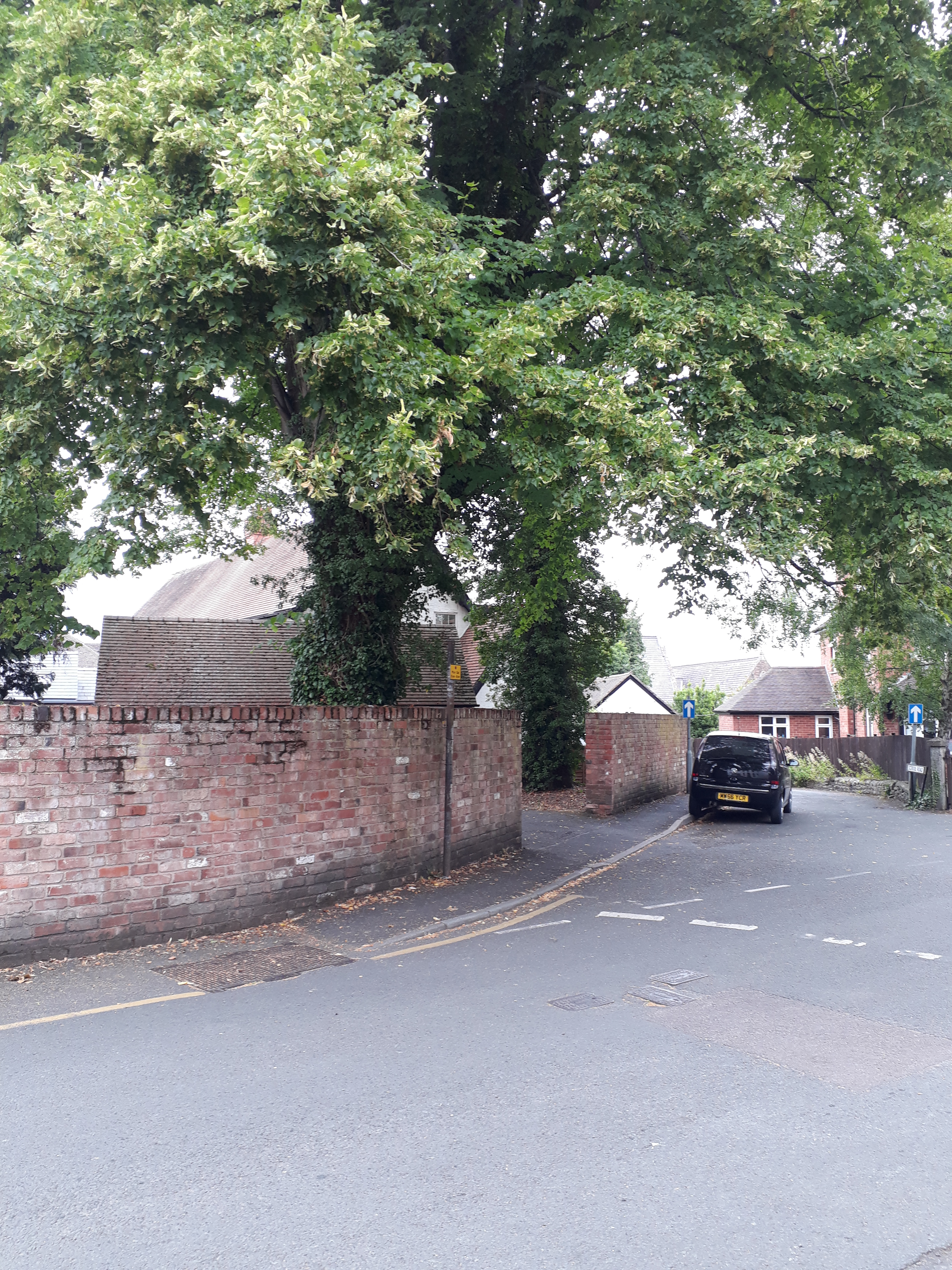
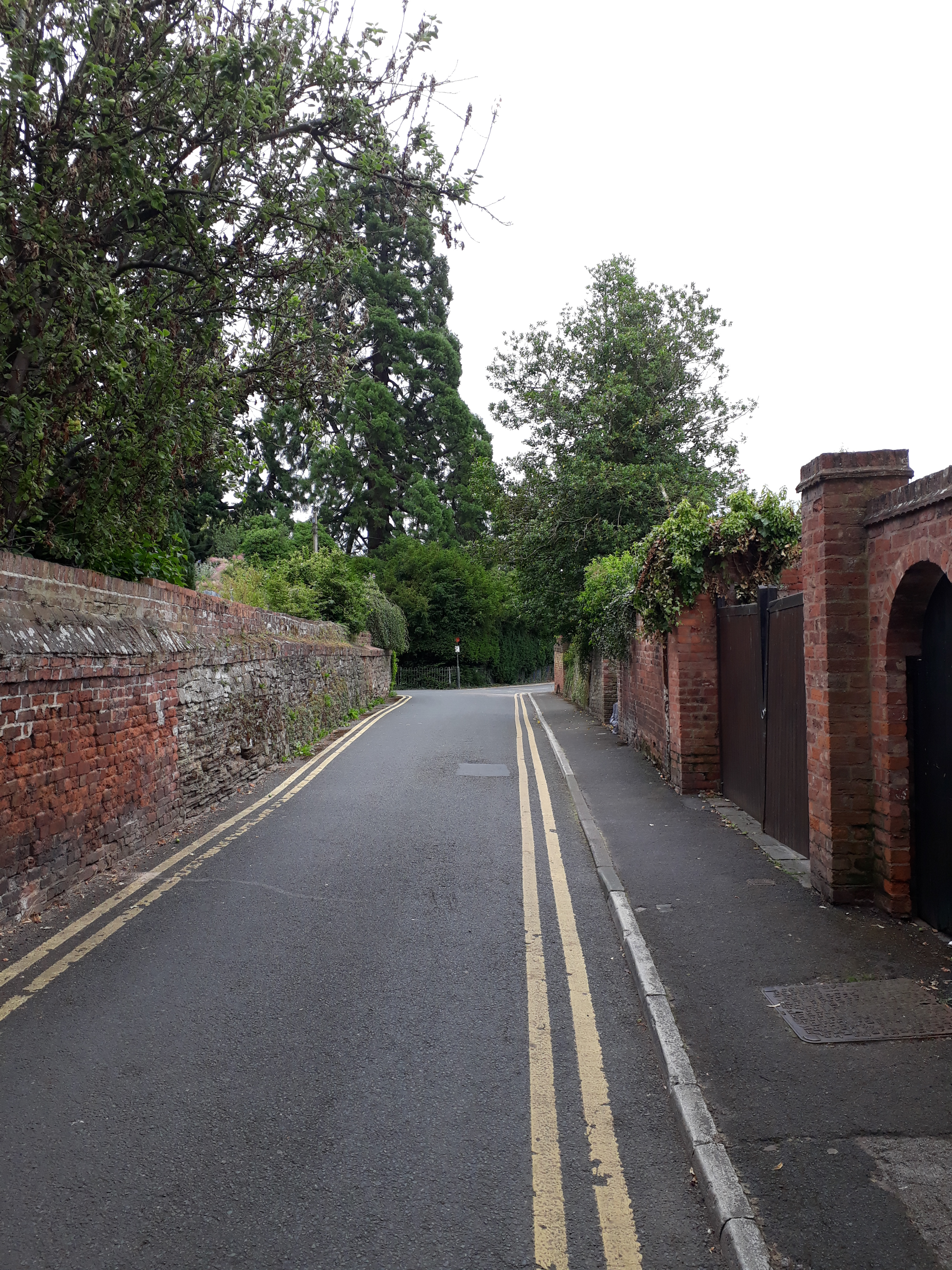
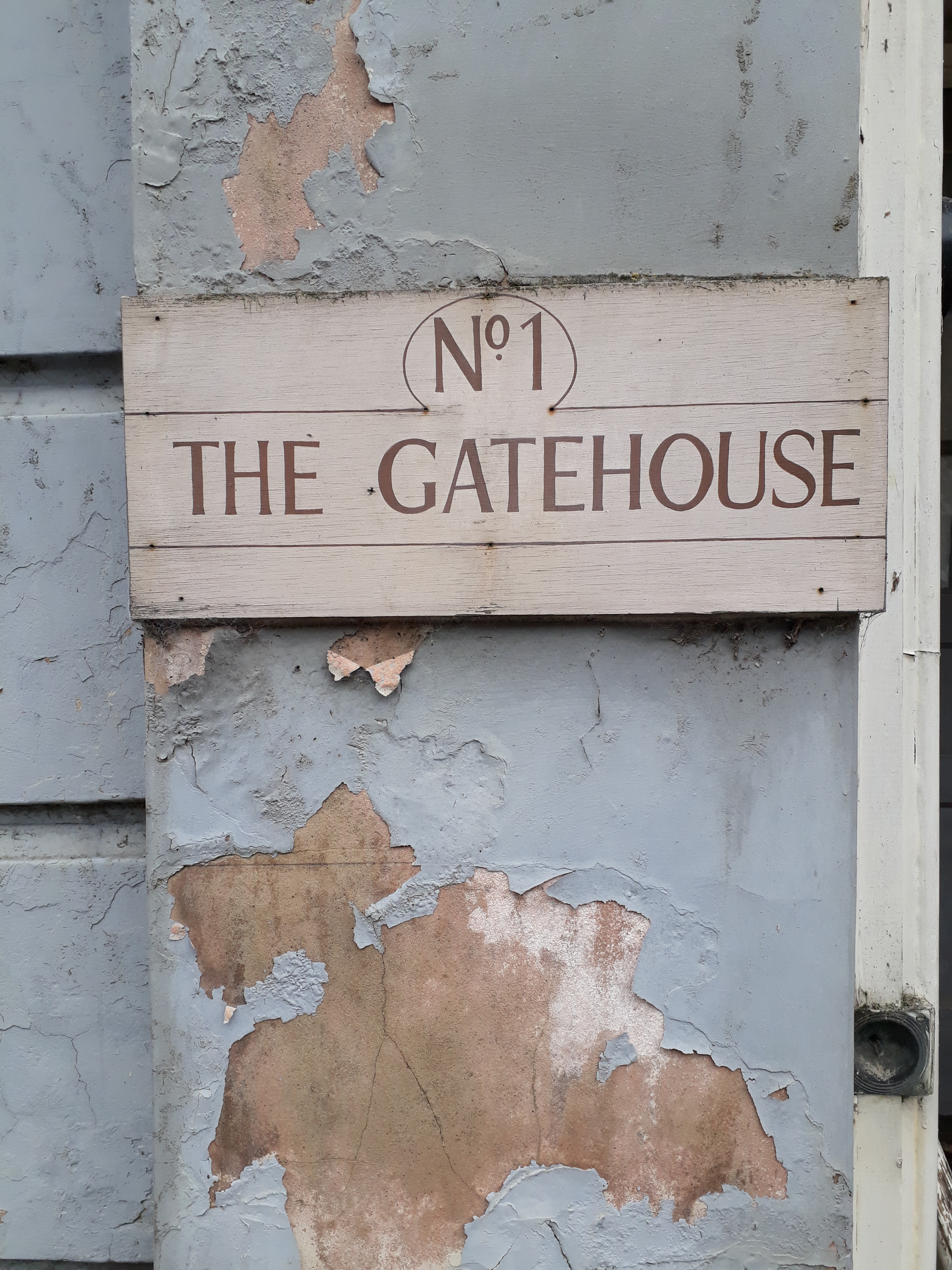
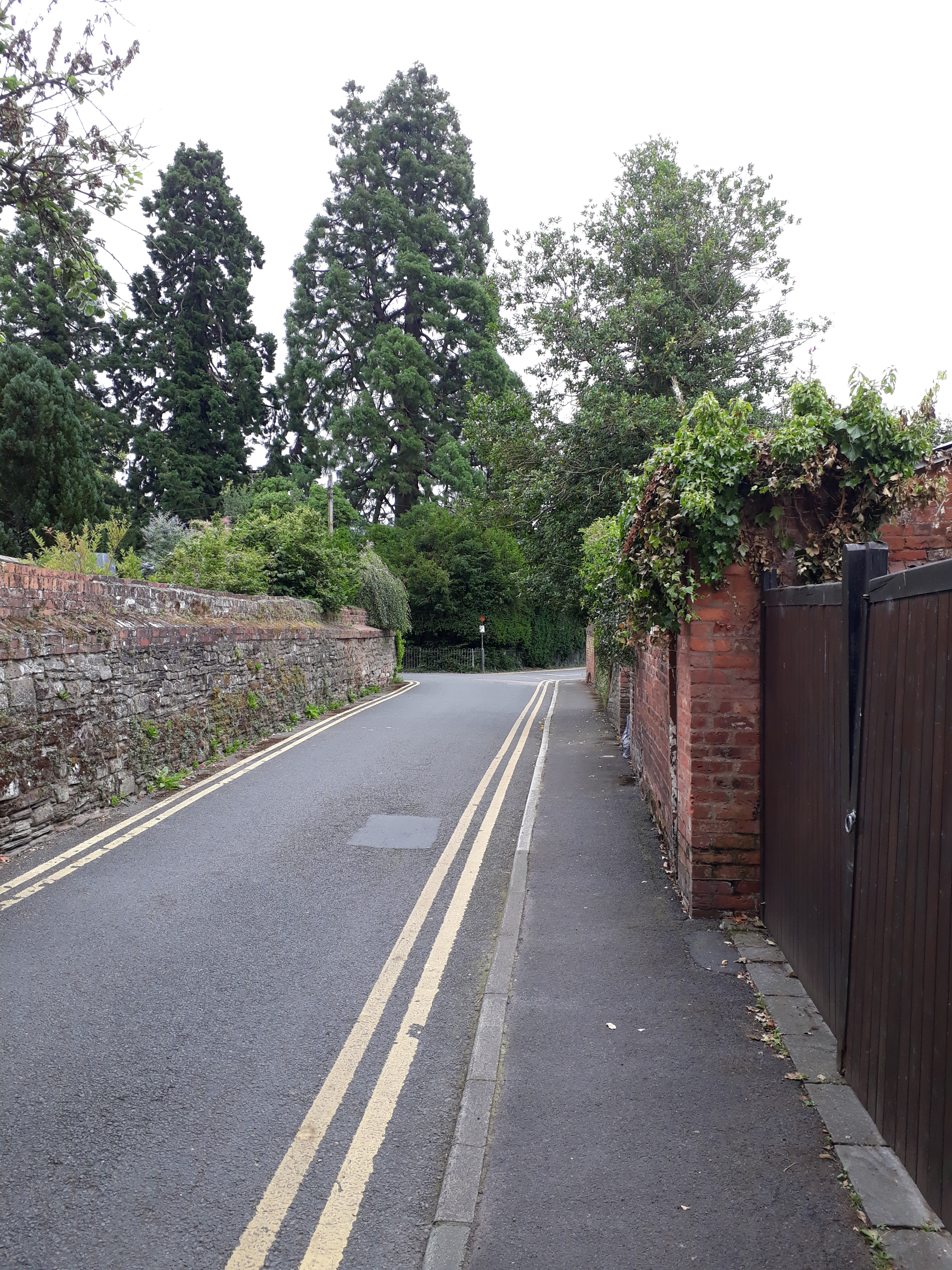
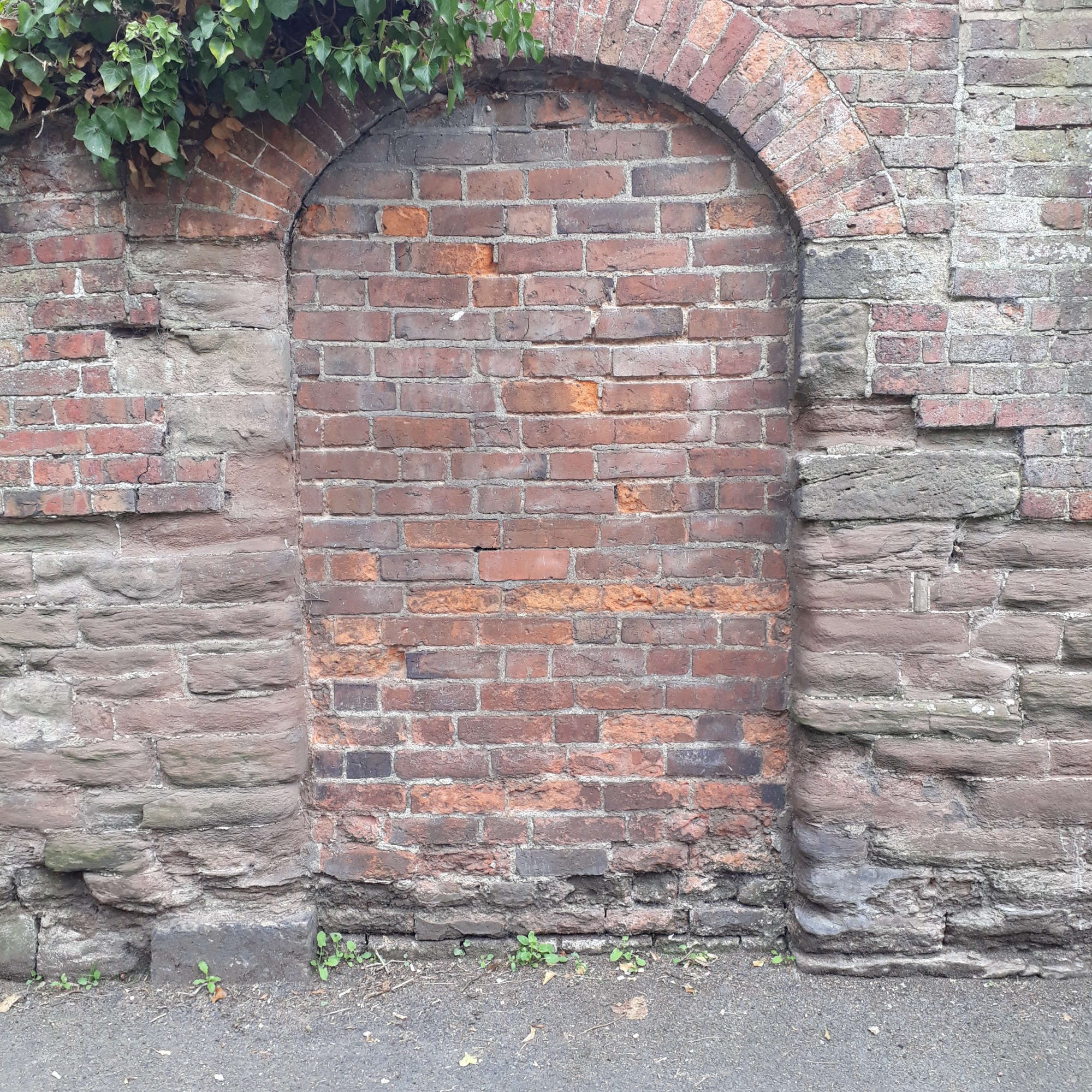
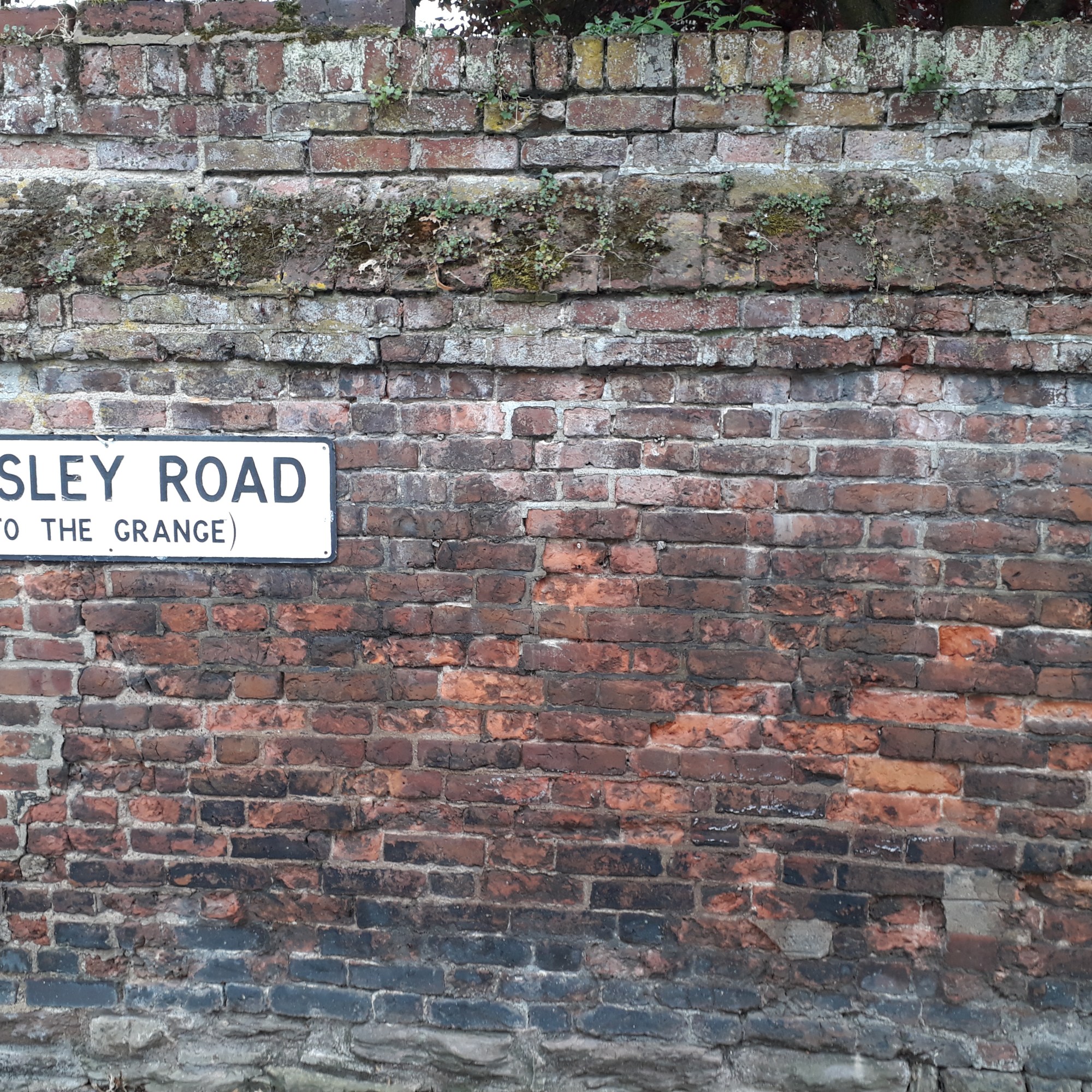
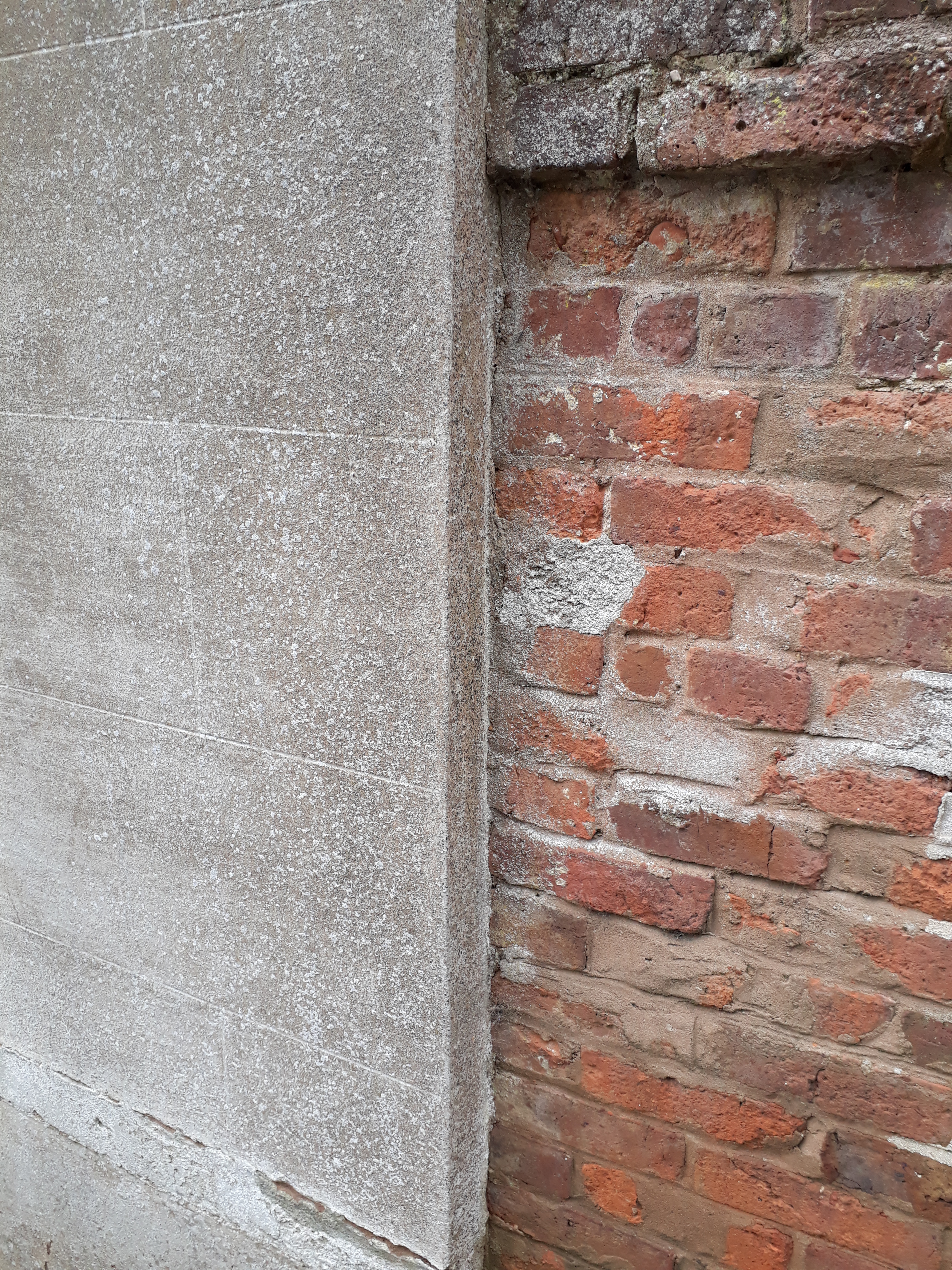
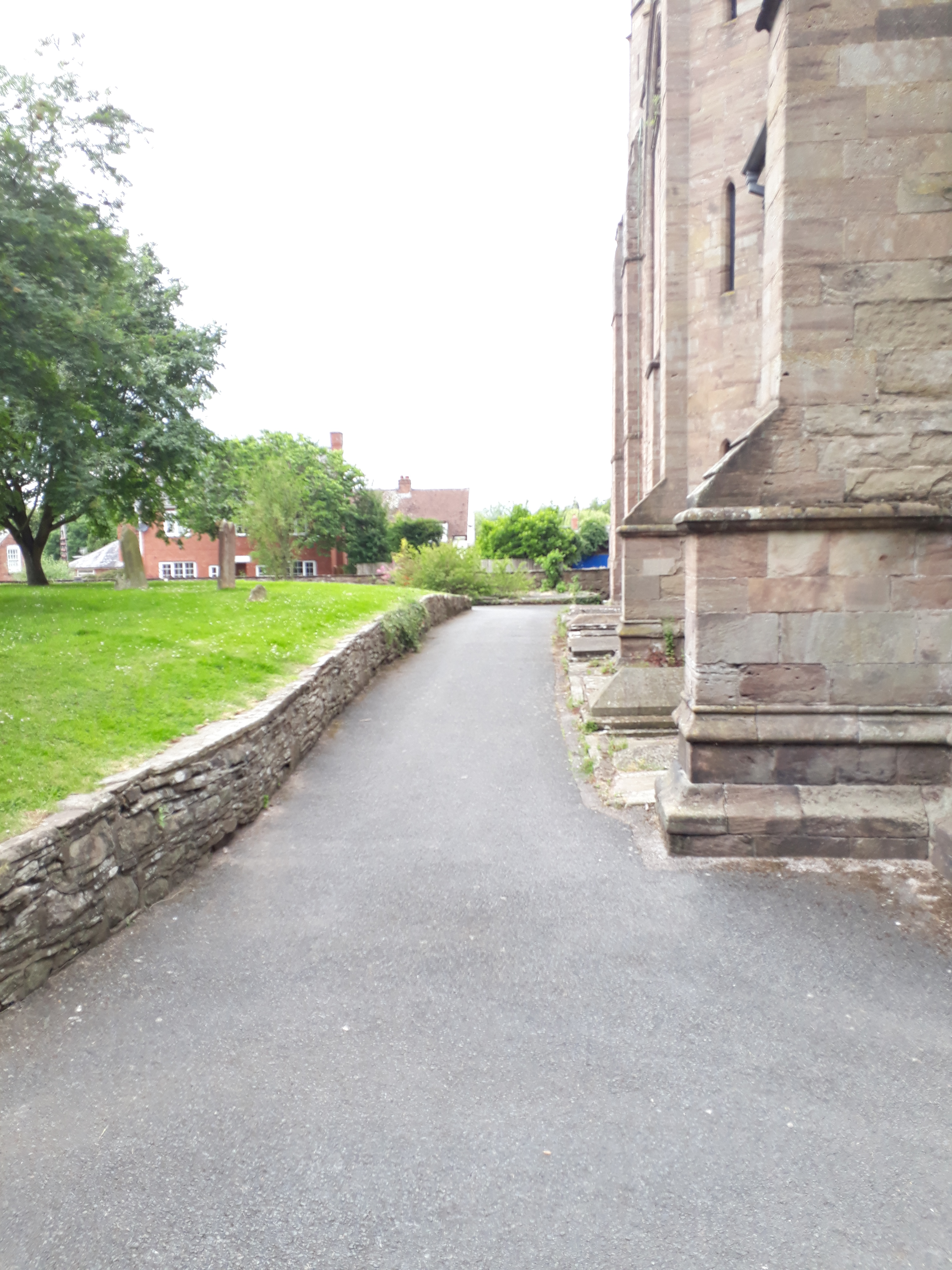
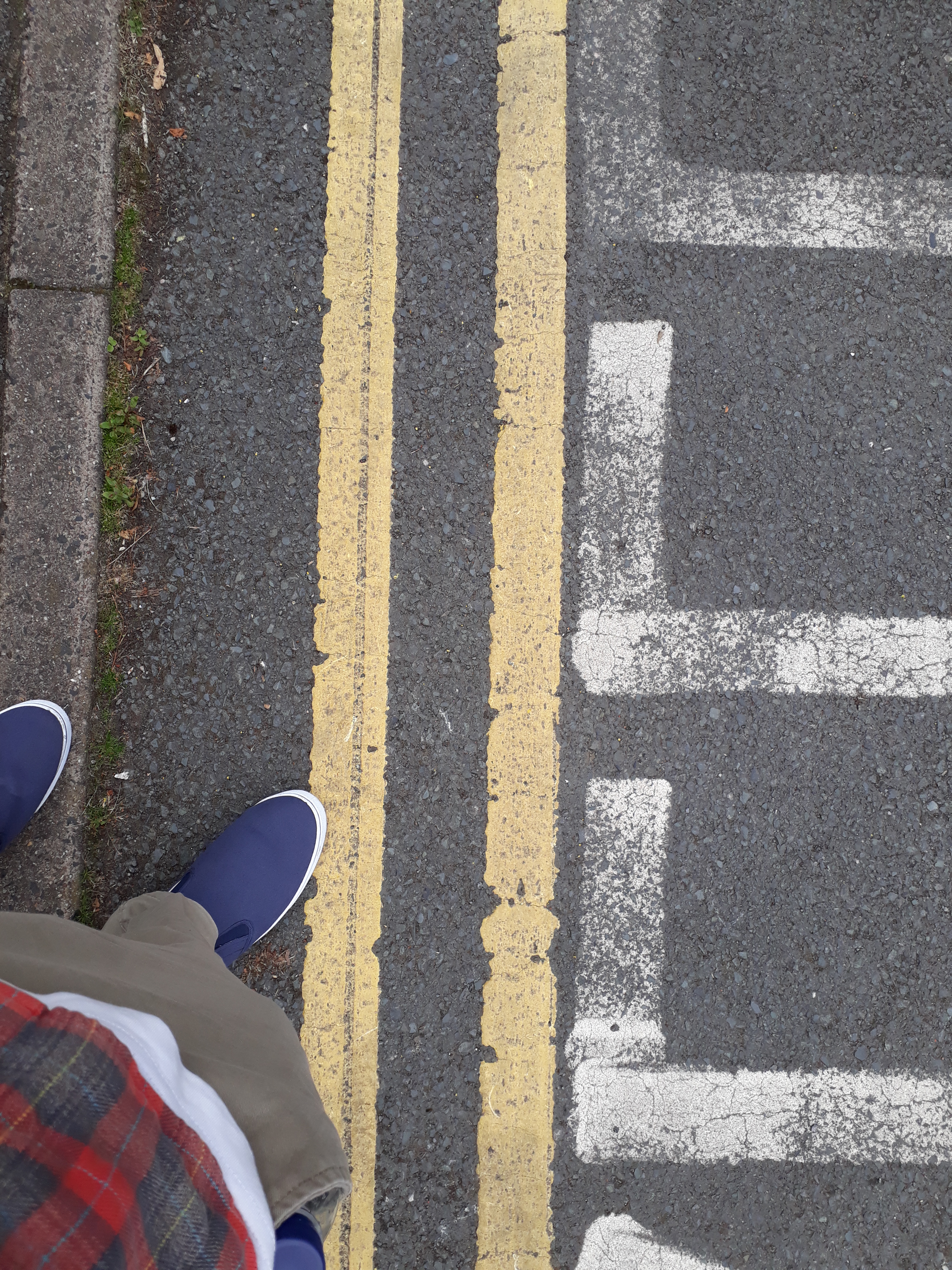
Embarking upon my walk, I am aware of the many layers of history that line Church street, and how this is reflected in the architecture and materials that had been used to construct the buildings, that line this leafy suburb. The buildings that line the street are comprised of both residential and commercial, with several of the properties now vacant and in a state of disrepair, this scene of abandonment contributes to a sense of sadness that sits upon the street. The once, opulent residences that at one time inhabited this street, their high-ceilinged entrances dark and cavernous, have fallen silent. I observe these grande old monoliths presiding over the passing of time and think of those that had once called this street home-there distant voices, somehow calling-out, like an echo of a time that once was.
In keeping with the practices of Pyhchogeography, I allow myself to be guided through this journey by intuition, taking photographs without giving much thought to what I am focusing on or how I will compose the image-this, interestingly, still results in a consistence in the sequence of images and I begin to see a narrative emerging-I begin to consider, how this street is a parting love-letter from the past to us, here in the present.







Research:
This week I shall be exploring the historical value of the Diary, and how this most intimate form of documenting ones’ thoughts and observations, has played a key role in the recording of historical events. I will proceed to examine and reflect on notable diarists and how they approached the recording of the events of their time, and how such documents have subsequently been recognised as documents of value.
Rev Francis Kilvert:
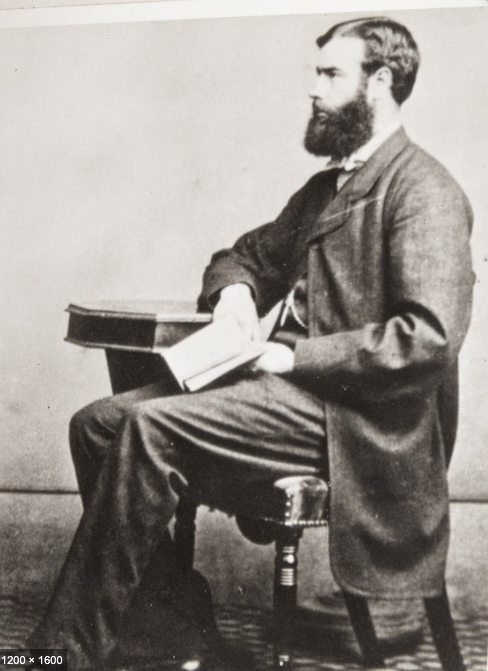
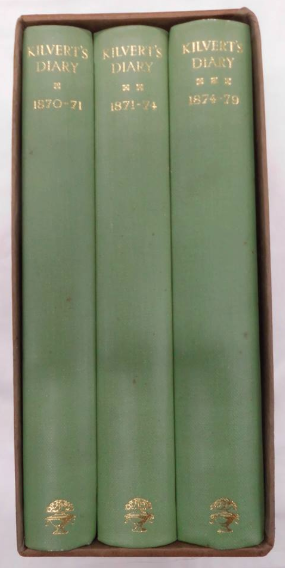
Rev Francs Kilvert, was an English clergyman whom had documented rural life in the 1870’s. His diaries, know as The Kilvert Diaries were first published in the 1930’s, after laying dormant in the house of his Niece. Subsequently, they have become recognised for their invaluable observations and recording of life in England, during the later part of the 19th Century.
I had first discovered the diaries some four years previous, and upon reading the first few entries I was immediately transported back to the Herefordshire country-side, during the 1870’s. The detailed descriptions of long-forgotten foot-paths that had meandered through picturesque meadows, and the lovingly constructed accounts of local residents had captured my imagination, and in doing-so had instilled a curiosity in me for the landscape in which I resided. Kilvert’s observations are astute and evoke a sense of place, inviting the reader to empathise with his plight and the hardships of those around him. He speaks candidly on subjects such as class-restrictions, the joys of exploring the open country, the challenges of attending to his congregation, his devotion to his faith, and the desires of the flesh. In-part, this is why the Kilvert-diaries are so beloved and valued, because they are not only the musings of an individual but a very human account of the people of this country, during the late Victorian era. In their text, we can identify, and learn from, the lessons that this young boy encounters on his journey to manhood, and a higher calling.
Design-development and Exploration.
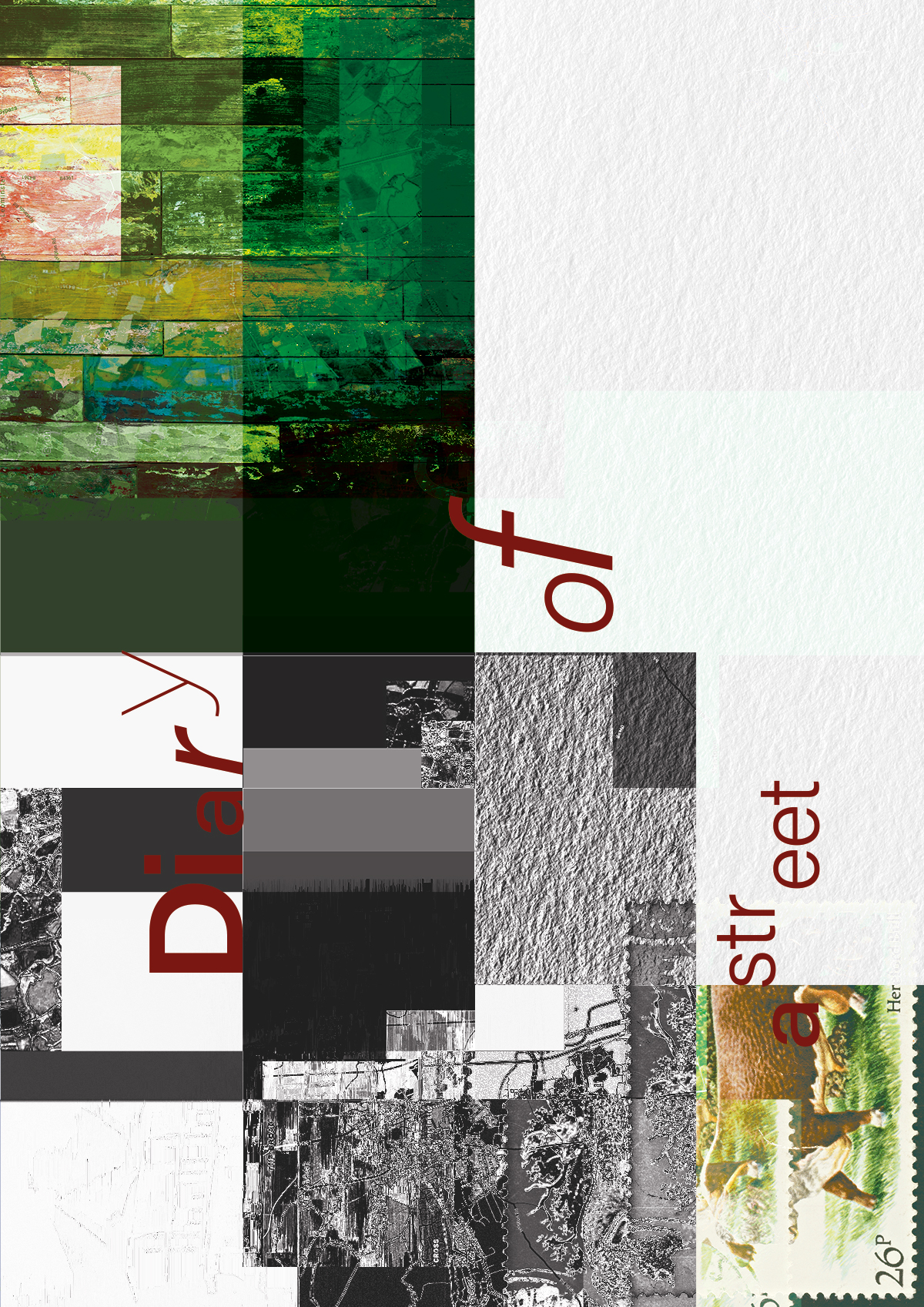

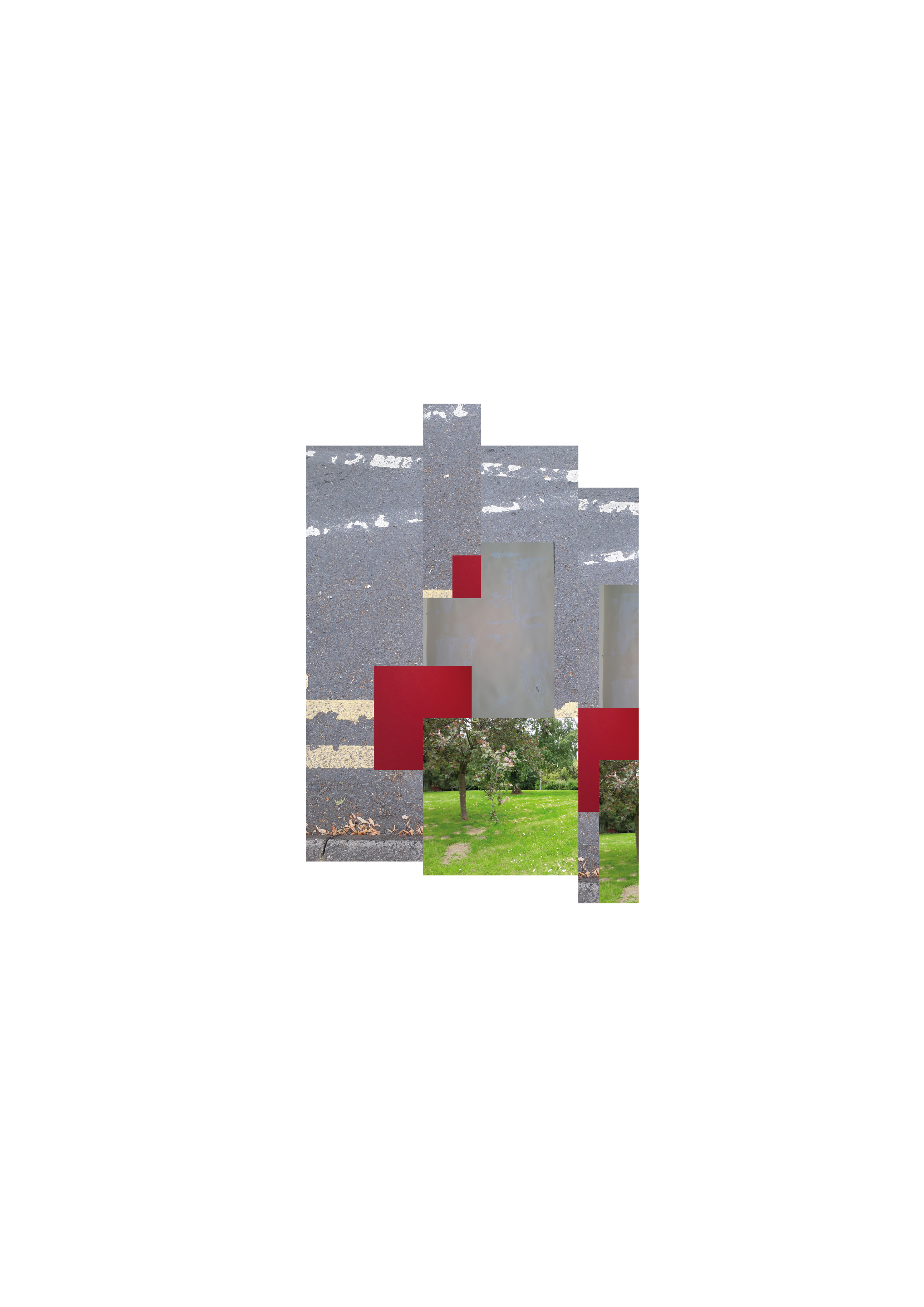
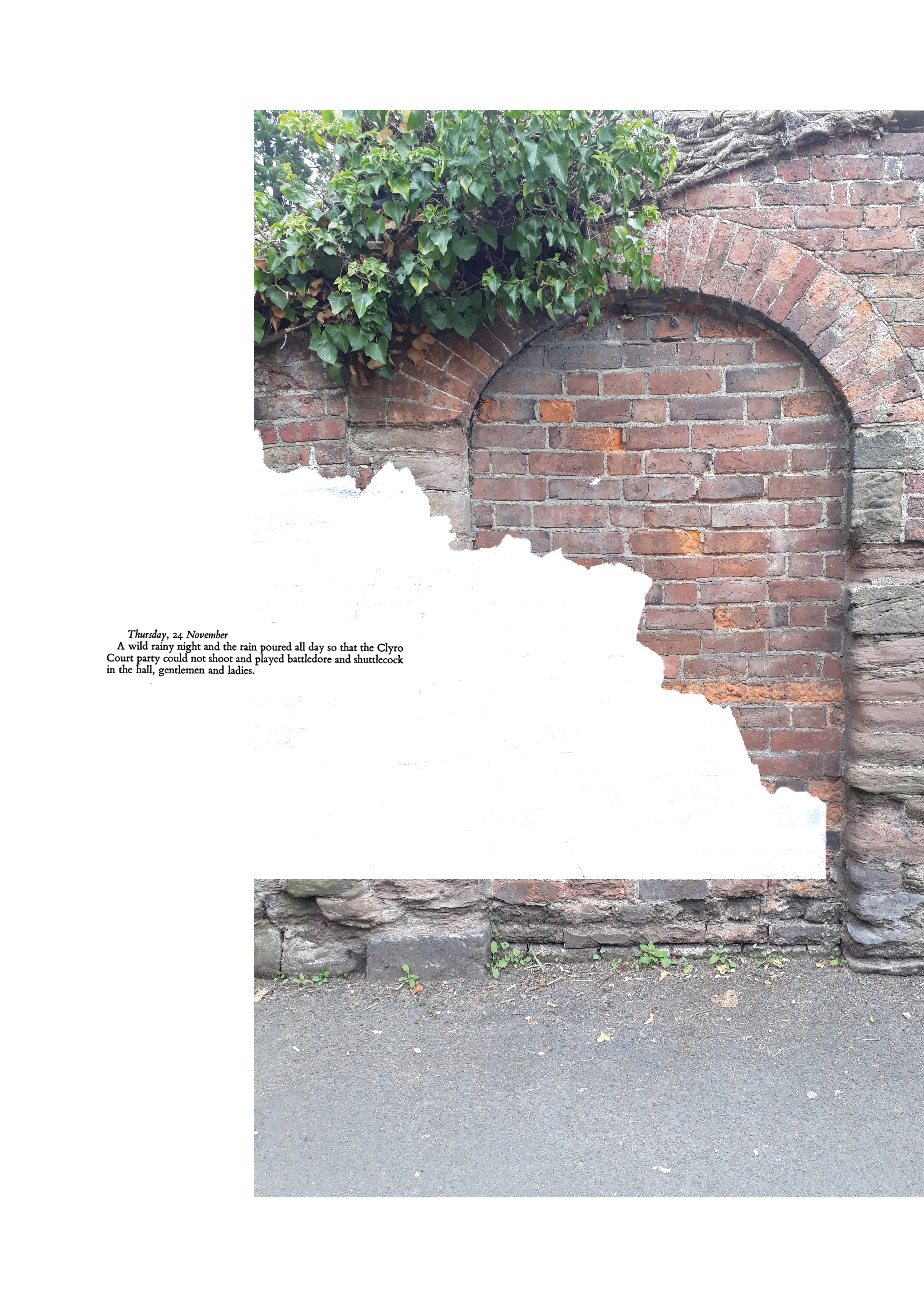
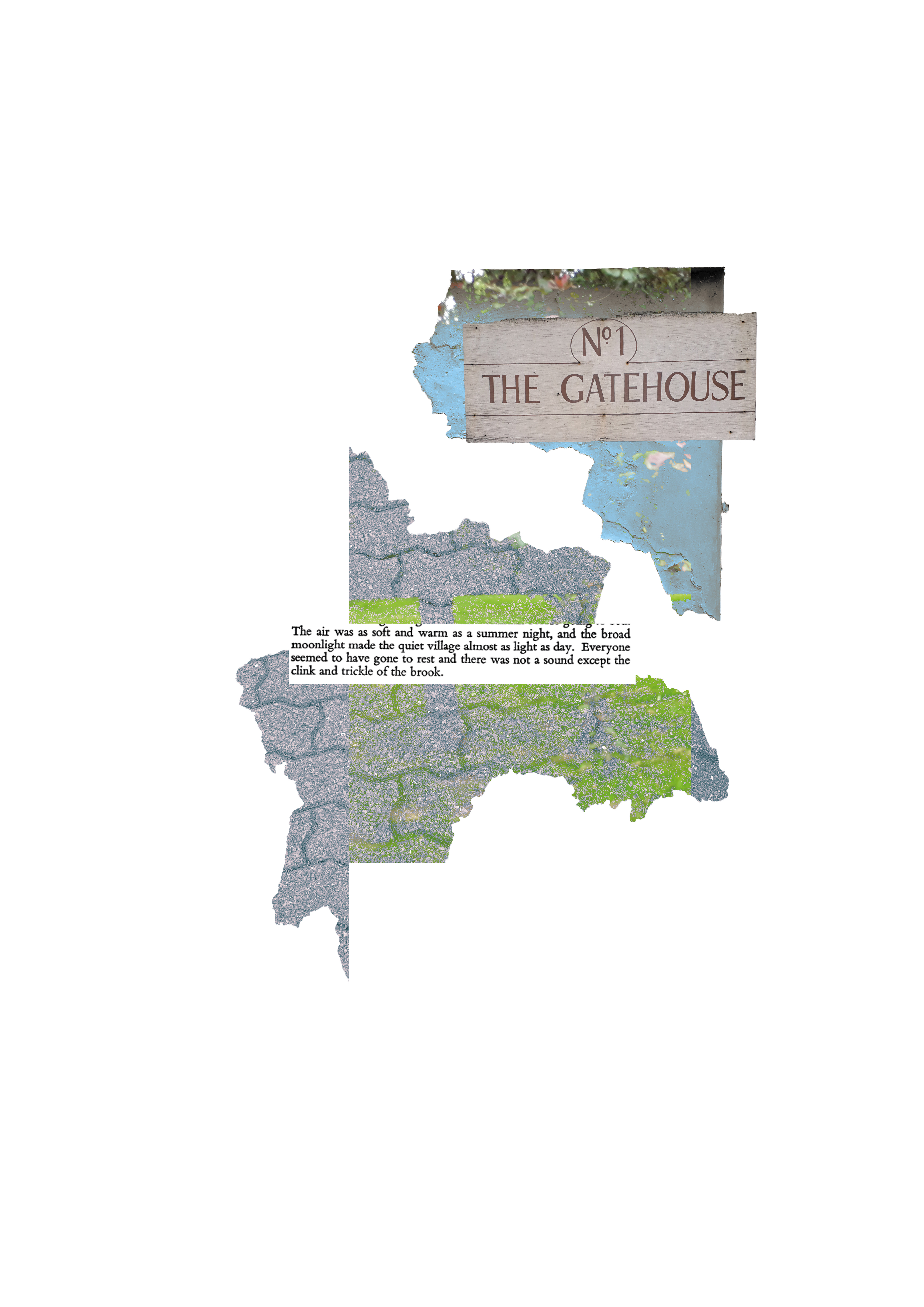
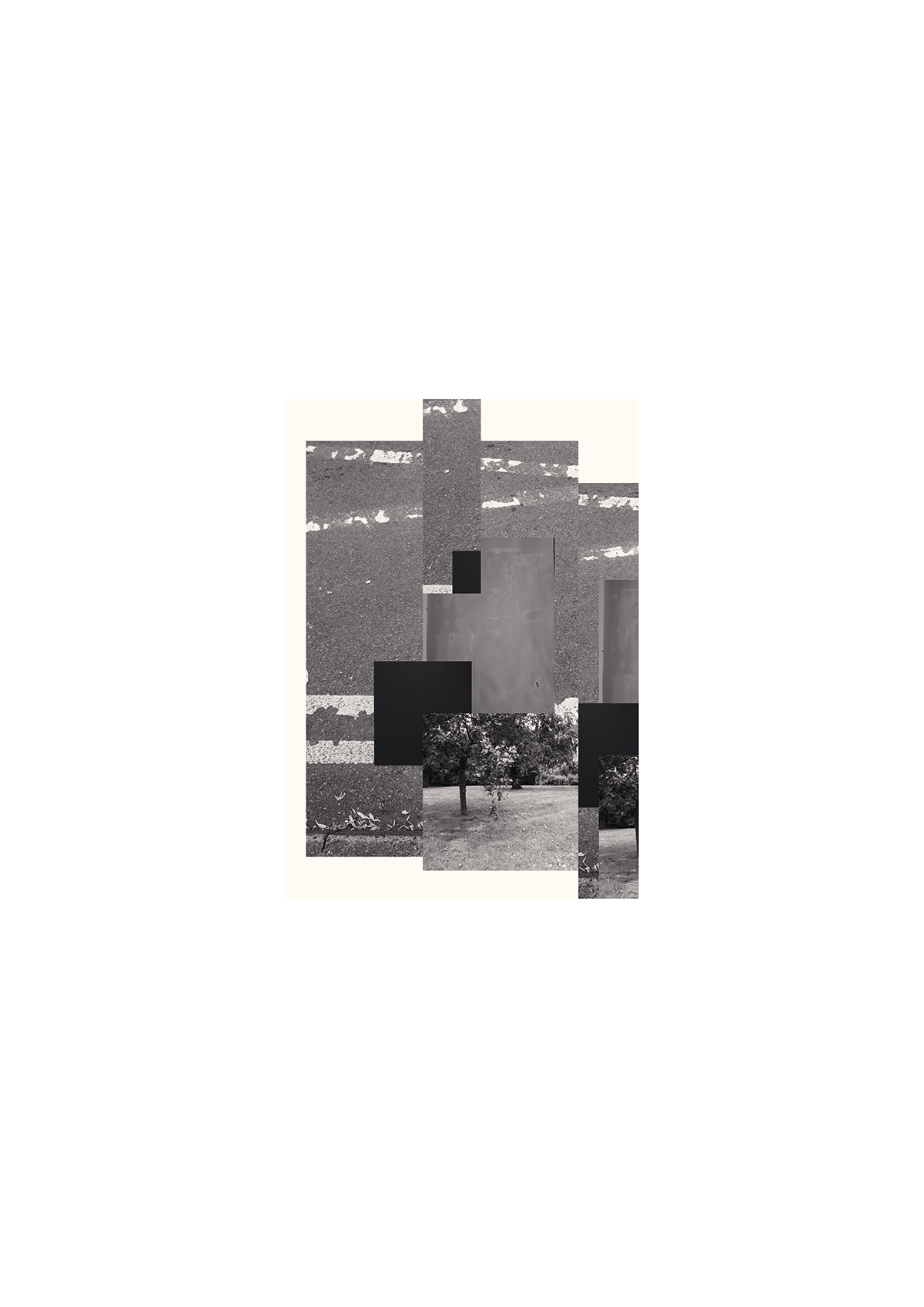
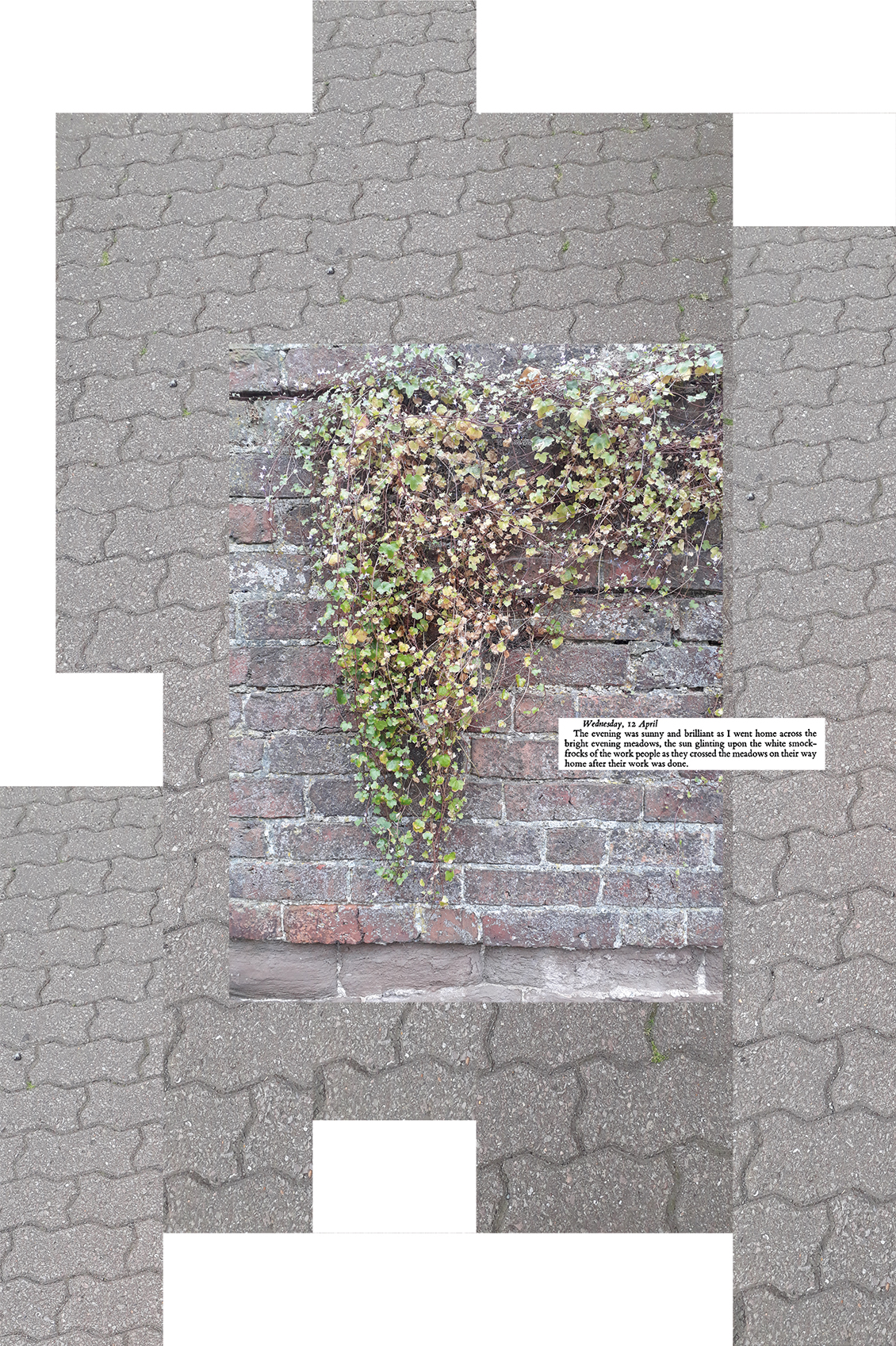

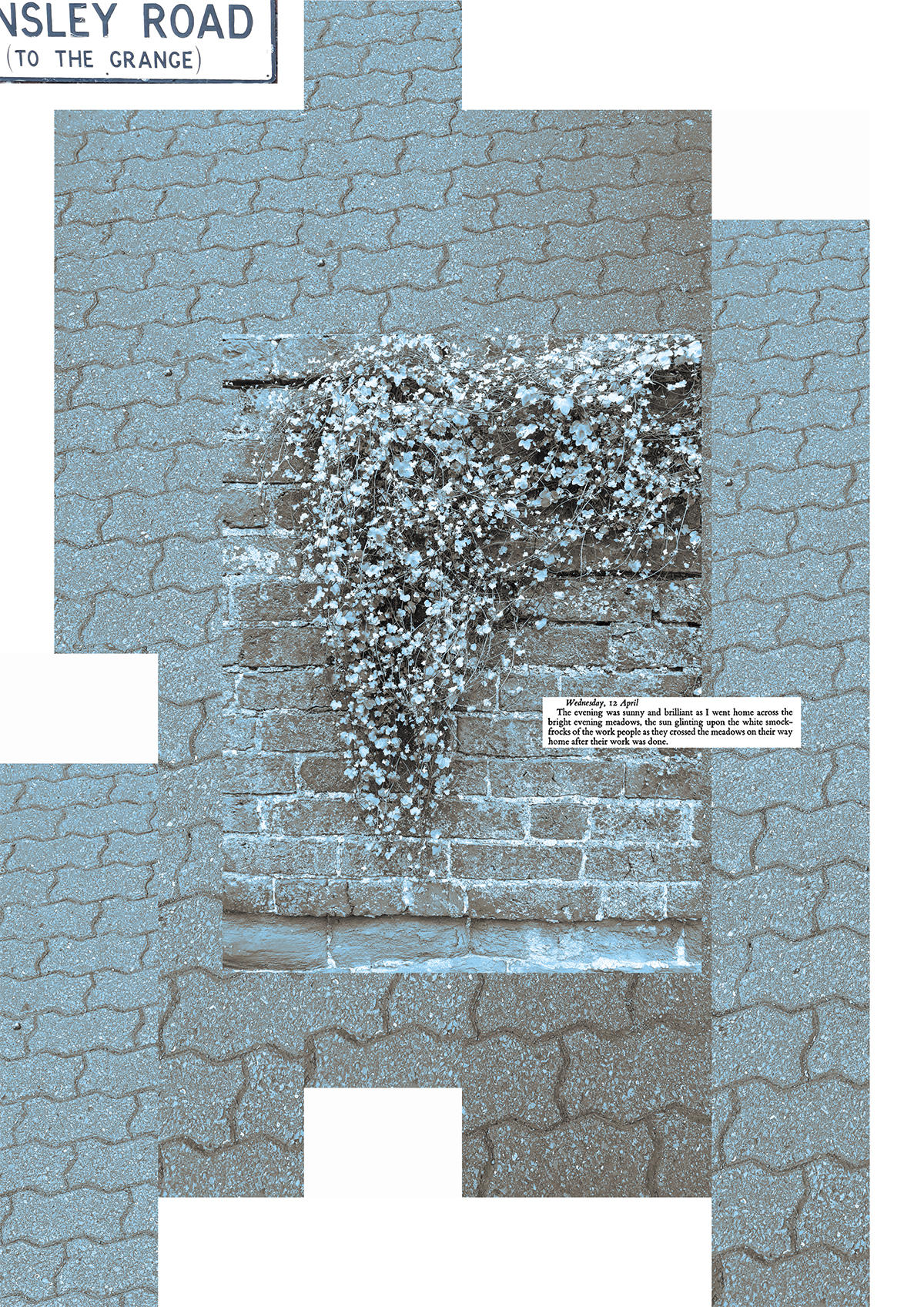
Excerpts from the Ideas-Wall.


References
Webpages
Spectator., (2018). How situationism changed history [online]. Spectator. [8th July 2019]. Available from: https://www.spectator.co.uk/2018/07/how-situationism-changed-history/
 JohnPrinceBranding