Research and Analysis
The earliest records of human activity in Herefordshire dates from (c.7500-8500BC) when hunter-gatherer tribes would traverse, at that time a still predominantly wooded area, in search of food and resources. In the Neolithic period of the StoneAge (c.4000-c.2000BC) we begin to see the emergence of agriculture and wood-pasture clearance. It is at this time, that the hunter-gatherer tribes begin to make the transition to living in settlements and raising domesticated livestock, alongside the planting of crops and the developing of tools. It would also be reliable to assume that a limited degree of trade was taking place between this small communities.
Throughout the Bronze Age (c.2000-c.800BC) we see a continuation of these practices, with large swathes of land being cleared for the purpose of farming crops and grazing cattle, and in some instances for the hosting of rituals affiliated with the land, itself. An interesting side-note here is, even with the clearing of the land, and with it the increased availability of space, the majority of settlements were located on the fringes of the county-with the majority of the land within the counties boundaries being reserved for the raising of livestock and the plating of crops. Are we to assume that these early inhabitants placed too, high a value on the fertility of the land to want to build upon it?
With the advent of the Iron Age (800BC-AD43) we begin to see yet another shift in the agricultural practices in Herefordshire, with the establishing of large residential spaces known as Hill-Forts. These enclosures have been said to have housed up to five hundred residents, including the livestock owned by the community, as such a commodity was considered far too, valuable to locate outside of the fort’s defences. In order to support such a large community, of which there were numerous in Herefordshire at that time, the growing of crops dominated the fertile basins of the valleys.
The Celts were the first civilisation to introduce enclosed fields, which was followed by the Roman occupation and the introduction of Vines and heavier breeds of cattle. These changes would impact the appearance of the Herefordshire landscape, with a more diverse selection of crops and livestock populating the rich, lush-green valleys. The Romans were responsible for many of the changes in agricultural-practice, all across Britain, and among them was the introduction of the Tribute Tax, forcing many land-owners to allocate more acres to arable land.
Miranda Greene (2005)
“In 1855 a writer named Camden noted that the county was good for corn and cattle feeding, whilst Dr. John Beale in 1657 distinguished a number of agricultural sub-regions in the county, including “shallow and strong land about Lemster”, whilst around Bromyard there was a “cold air and a shallows barren soyl”. Towards Ross he noticed “a shallow hot sandy or strong rye land … exposed to a changeable air from the Black Mountains”. He also noted that the plain of Hereford was the best wheat-growing area, with good grazing land on the banks of the River Frome, and badly-drained land near the River Wye.”
Herefordshire had seen many changes in it’s history, and as a consequence of environmental, economic, and social and political changes the county has had to adapt in order to preserve it’s industry, and traditions. This has included a continued need to incorporate new livestock and the introduction of alternated crops.
Miranda Greene (2005)
The normal Herefordshire rotation of crops on the clays was fallow, wheat, peas or beans, wheat (which gave about half the yield of the crop two seasons before), barley and clover, followed by sheep after the barley had been harvested. Following the sheep a mowing of clover would be taken, and then the cattle would follow on. In the fallow year the land would be ploughed several times. The wheat seed used for sowing would often be soaked in brine or urine (from livestock) first so that the smaller, imperfect grains would float to the top, the good grains were then dried in powdered lime and stored for later use.
Bibliography / Reference List
Miranda Greene., (2005). Herefordshire Agriculture [Online]. Herefordshire through time. [Viewed 29th July 2019]. Available from: https://htt.herefordshire.gov.uk/herefordshires-past/the-post-medieval-period/agriculture-and-industry/herefordshire-agriculture/
Julian Richards., (2011). Growth and Development [Online]. Overview: Iron Age, 800BC-AD43. [Viewed 29th July 2019]. Available from: https://www.bbc.co.uk/history/ancient/british_prehistory/overview_british_prehistory_ironage_01.shtml
Workshop Challenge
Your Task
Communicate an emotion you perceive your city or location is about.
Take the word and use an appropriate material, form or medium – 2D, digital, 3D or immersive.
You may choose to communicate the word directly or you may choose to create a juxtaposition, if there is a contradiction or tension, eg New York is Tense.
Upload your thoughts to the ideas wall, with a link to your blog demonstrating further reflection.
Process
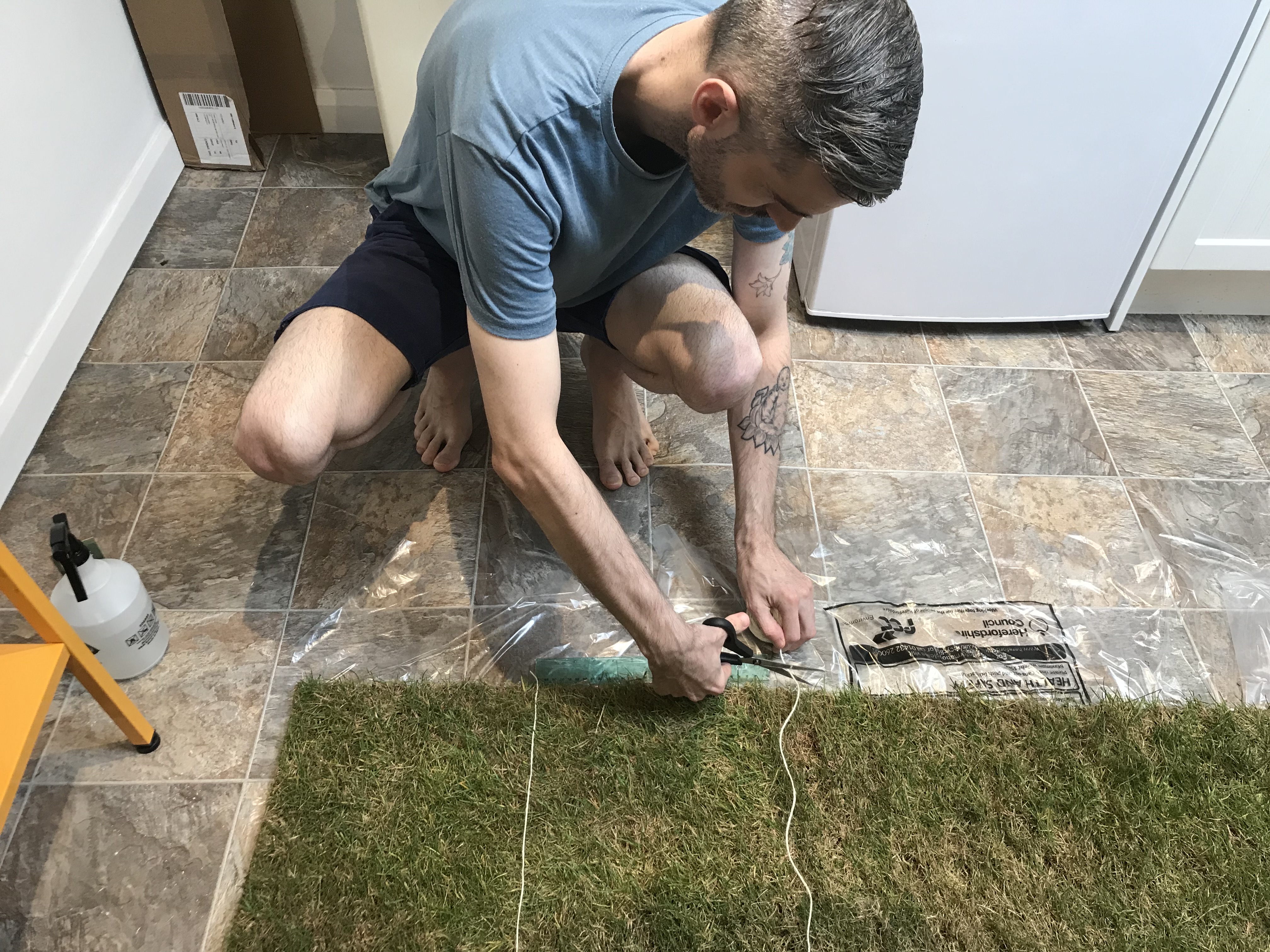
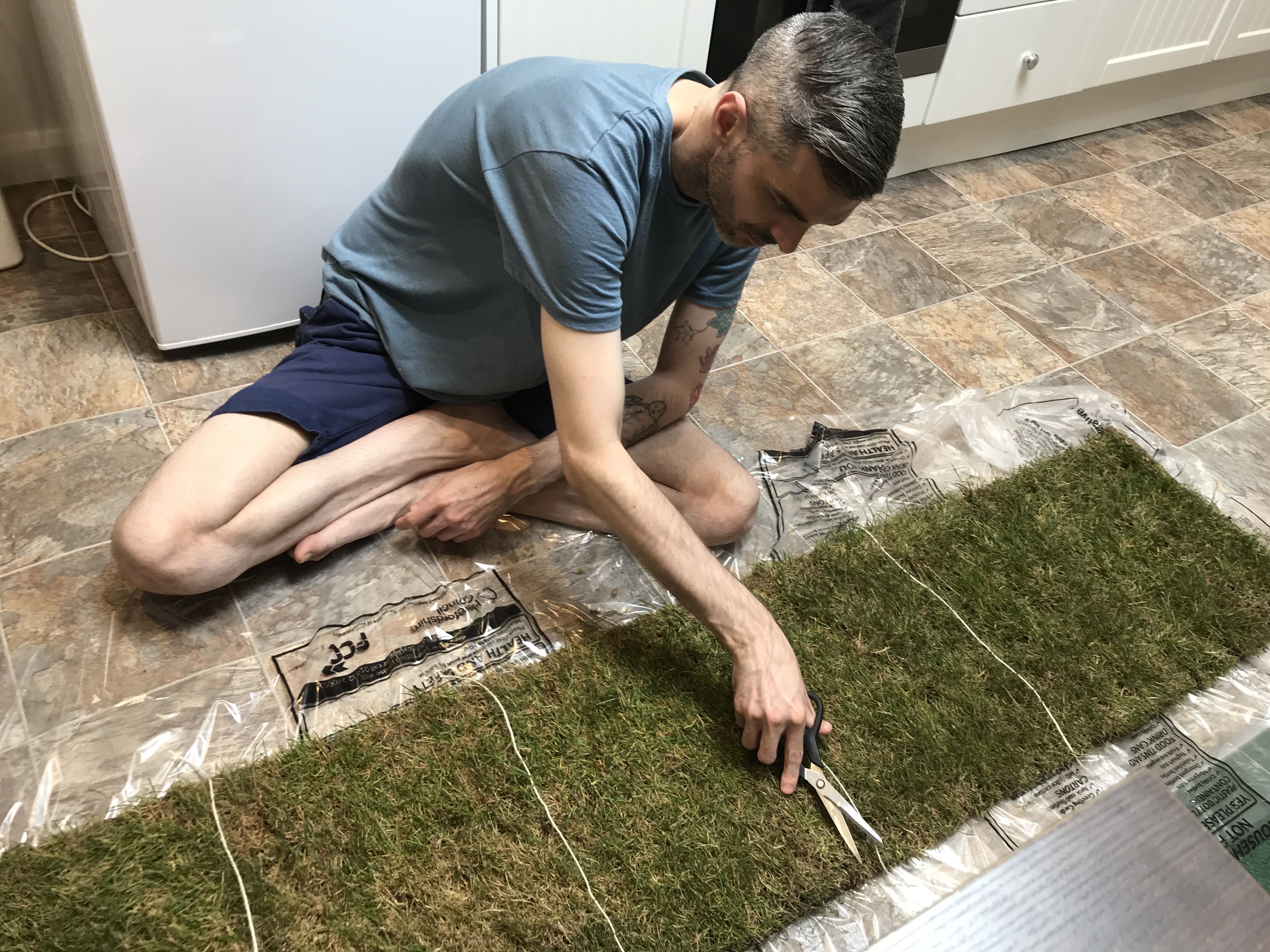
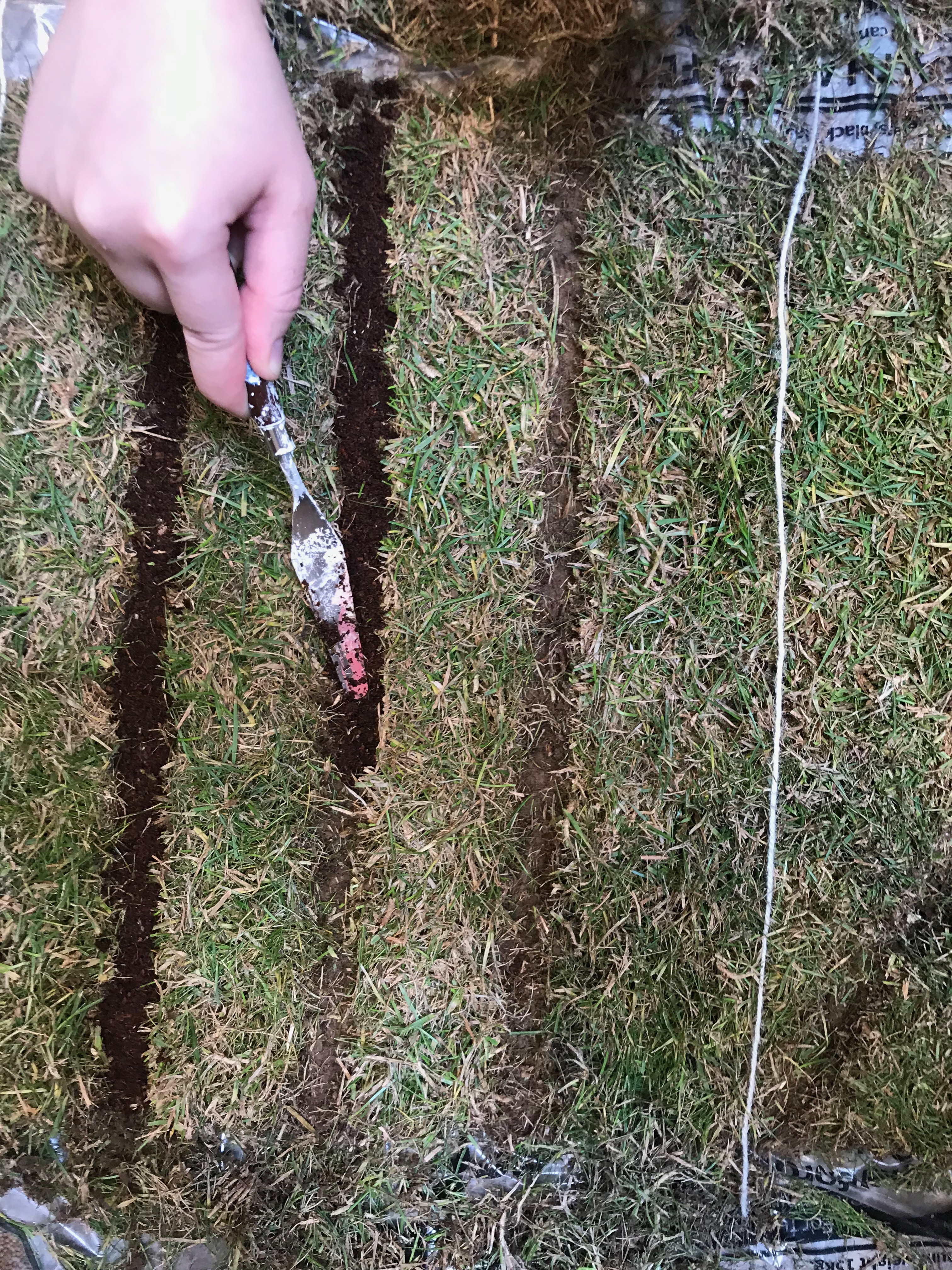
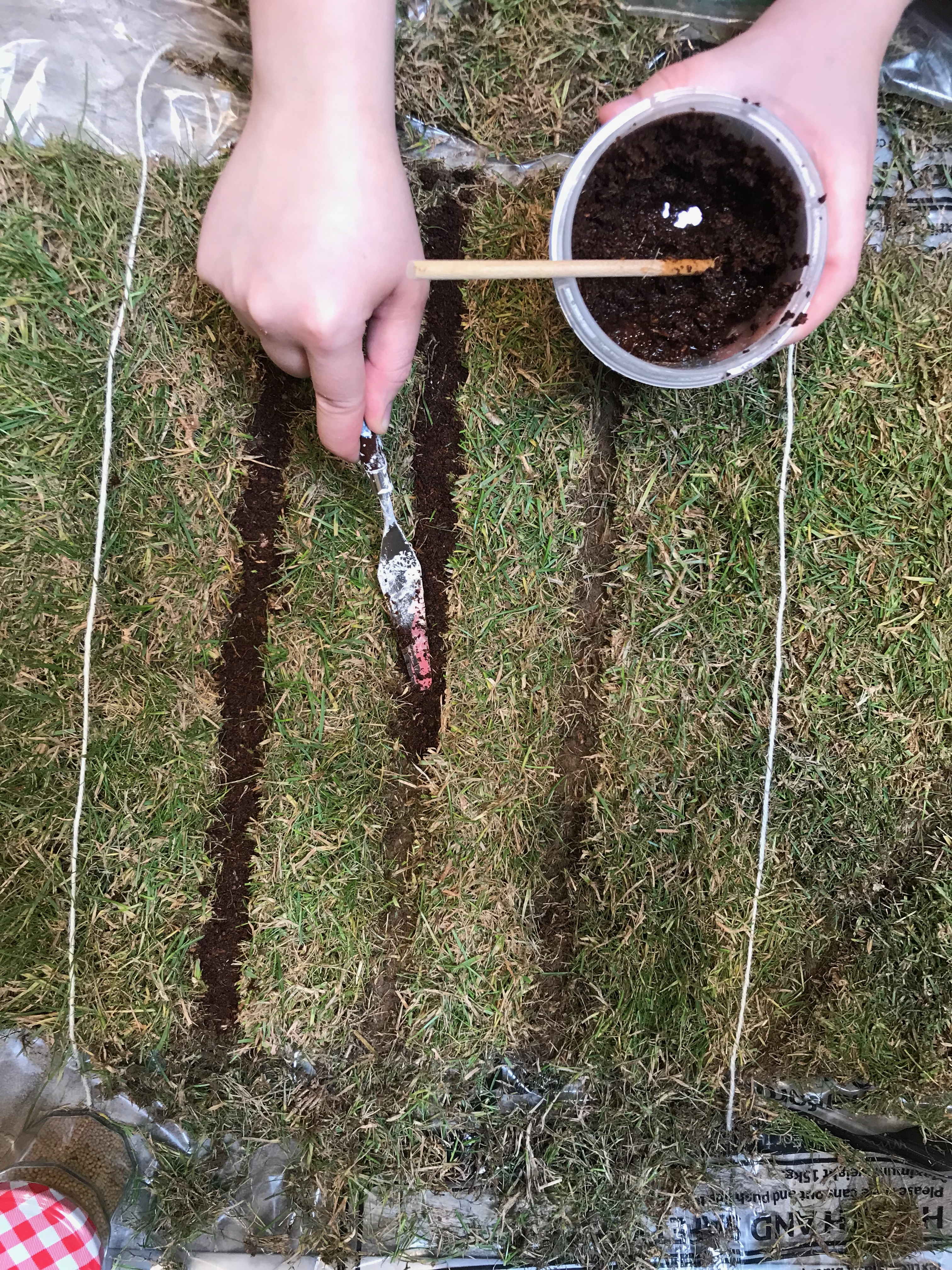
My outcome for this week is going to be in the form of a Diorama, depicting in five stages the physical changes that have occurred in the landscape of Herefordshire. Each section will depict, in chronological order, the progression in occupation within Herefordshire. I will conclude this exploration by producing a short sequence demonstrating the end results of this exploration.
Creating the Props
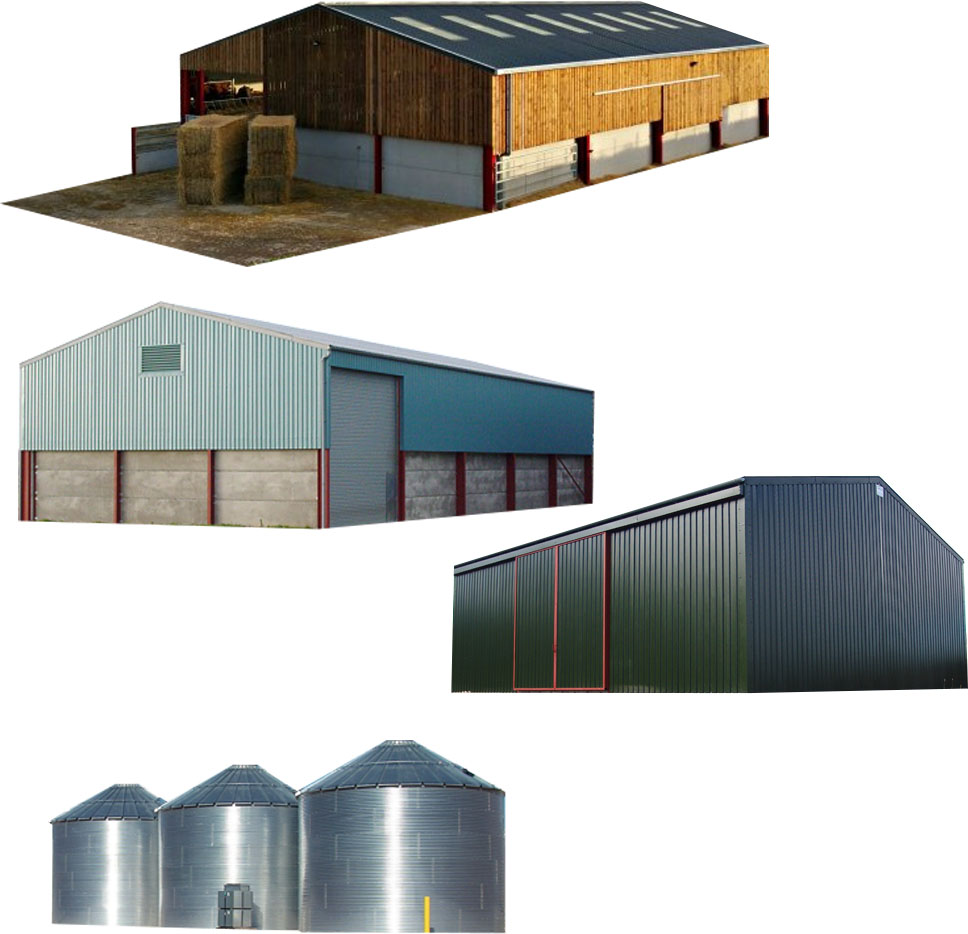
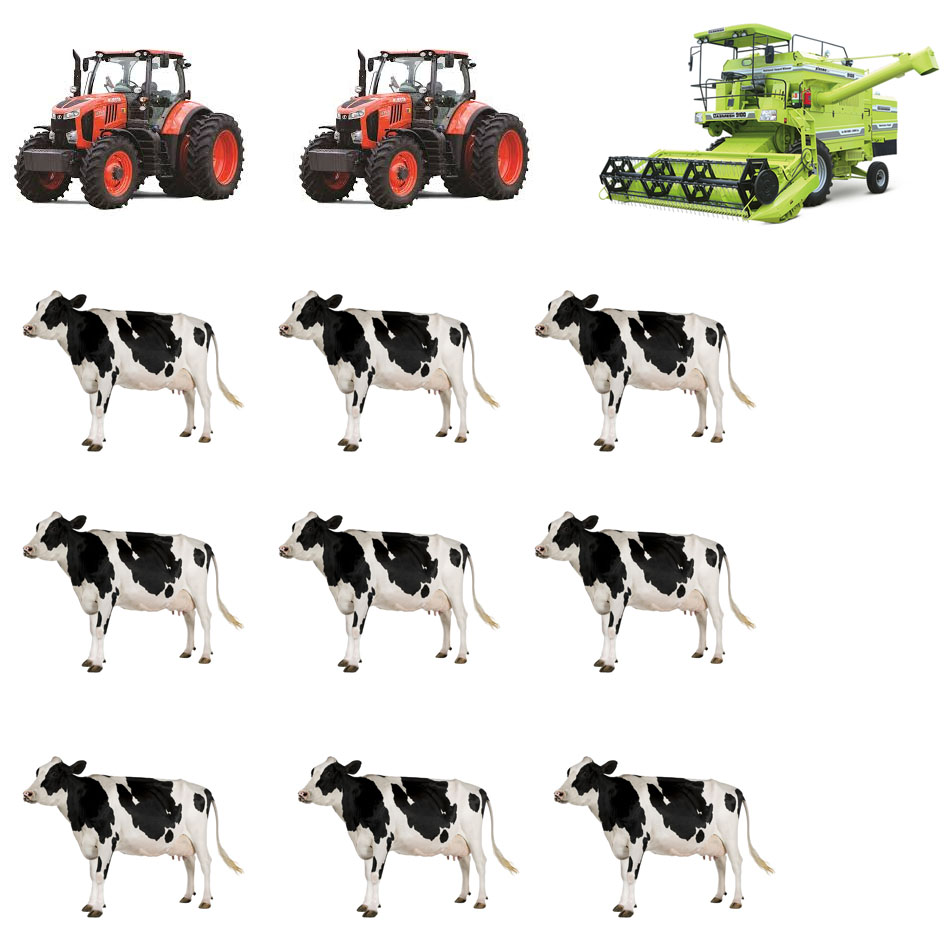
Creating the Diorama
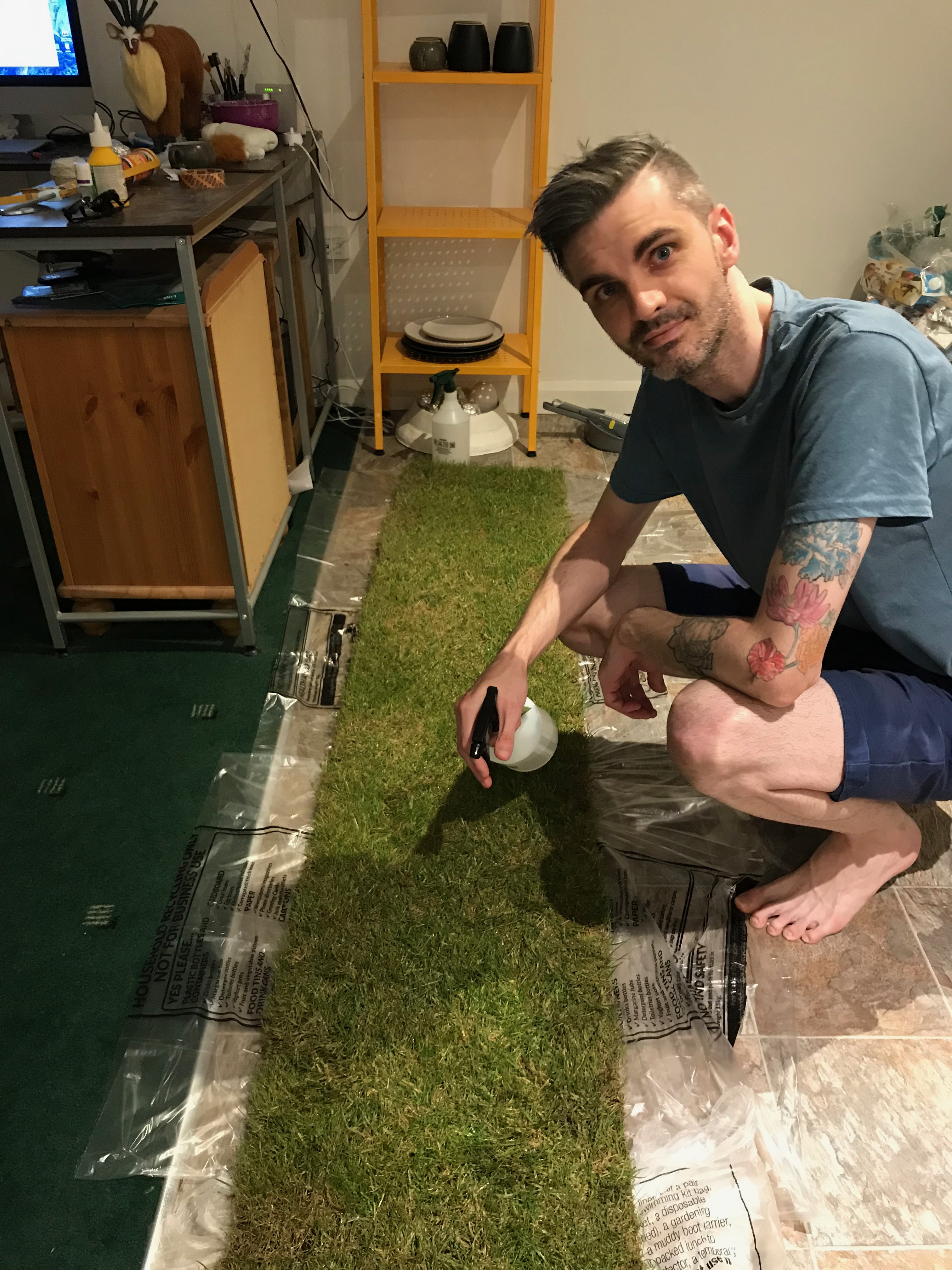
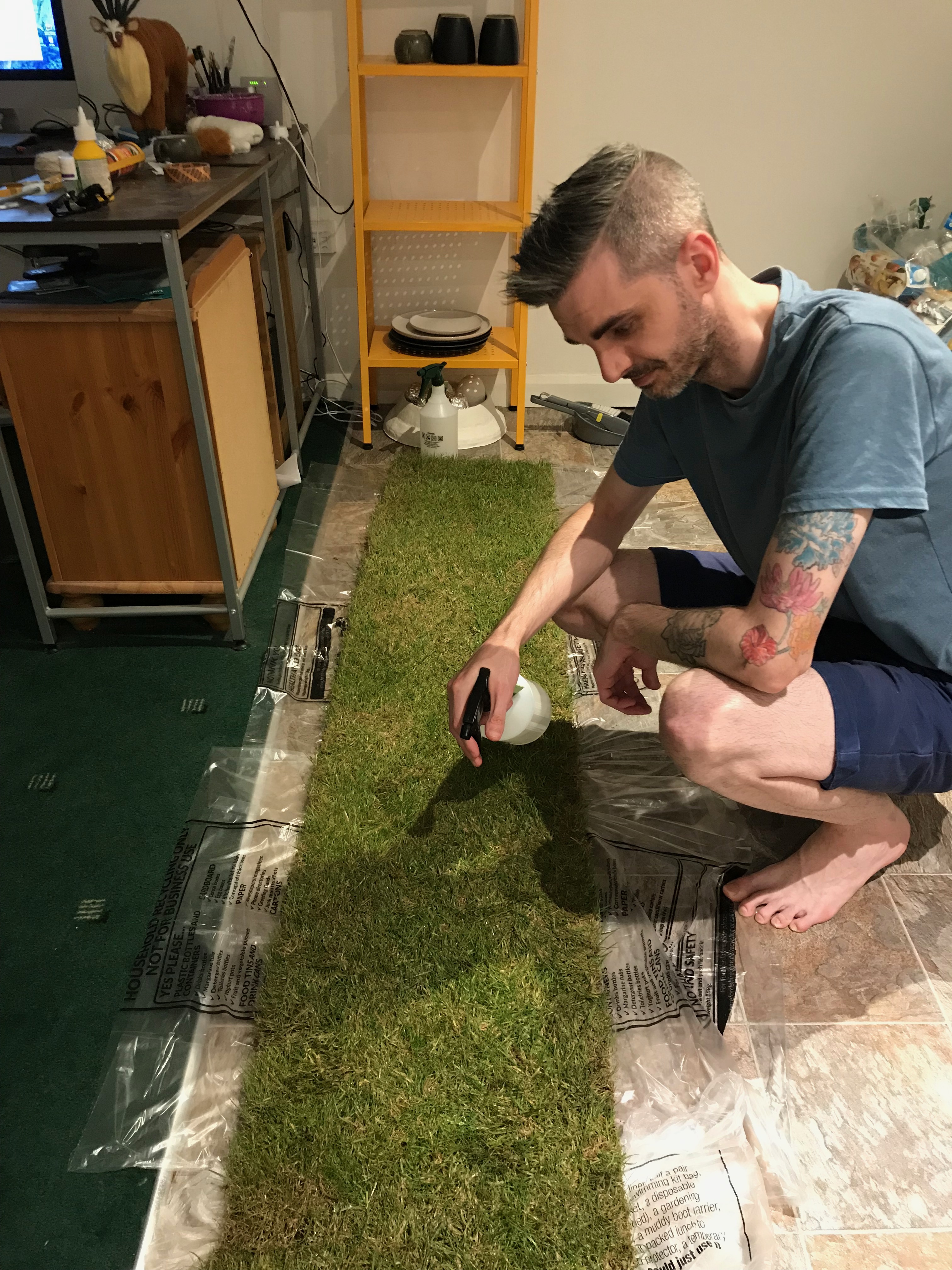
 JohnPrinceBranding