week_10
Research.
Going into week 10, my thoughts have very much been occupied by reflections on the relationship between data and visual-narrative.
Specifically, how we as a society rely on the successful application of data-visualisation in the navigating of our daily lives, and this is particularly evident in the current climate, where the need to translate complex data-sets into succinct narratives, that can be read and processed by the average citizen. The consequences of not being successful in this task could have a detrimental impact on the lives of the citizens of each country, with a worst case scenario resulting in further loss of life. Therefore, Data-Visualisation starts to become an invaluable tool, in the opposing of the Covid-19 pandemic.
In the coming weeks, I intend to focus my efforts on the task of acquiring and critically analysing a range of tools that are used by contemporary authors and designers, to develop engaging and successful data-visualisations. I am particularly interested in those that play a role in the current climate, and how businesses are using data to confront the challenges, created by the impact of the pandemic. Furthermore, I want to explore how data can be used to combat future societal challenges, and what those in industry are doing to address this question?
Data-Visualisation.
Current Trends?
MoodBoard.
Contemporary Case-studies:
Giorgia Lupi X Stories.com
In researching the relationship between data and the role of the visual-narrative, I had discovered the New York based Graphic Designer called, Giorgia Lupi. I had been particularly struck by the work she had created, for the collaboration with Stories.com.
Short FILM.
https://www.stories.com/en_gbp/giorgialupi.html
“As a designer, I work with data as my primary tool and material. I try to find art in science and science in art, and to do so, I often blend techniques, styles and media.”
Design Development.
In reflecting on the events that have unfolded during the Covid 19 narrative, I had begun to think about how one could depict the range of emotions that are felt by those having to adapt to the changes that have been implemented, in response to the pandemic.
The visual narrative needs to convey those experiences and speak to the realities of living through the pandemic. Therefore, one has to question how far one goes in distorting that message, and if by doing so, does it in some way misrepresent the primary narrative.
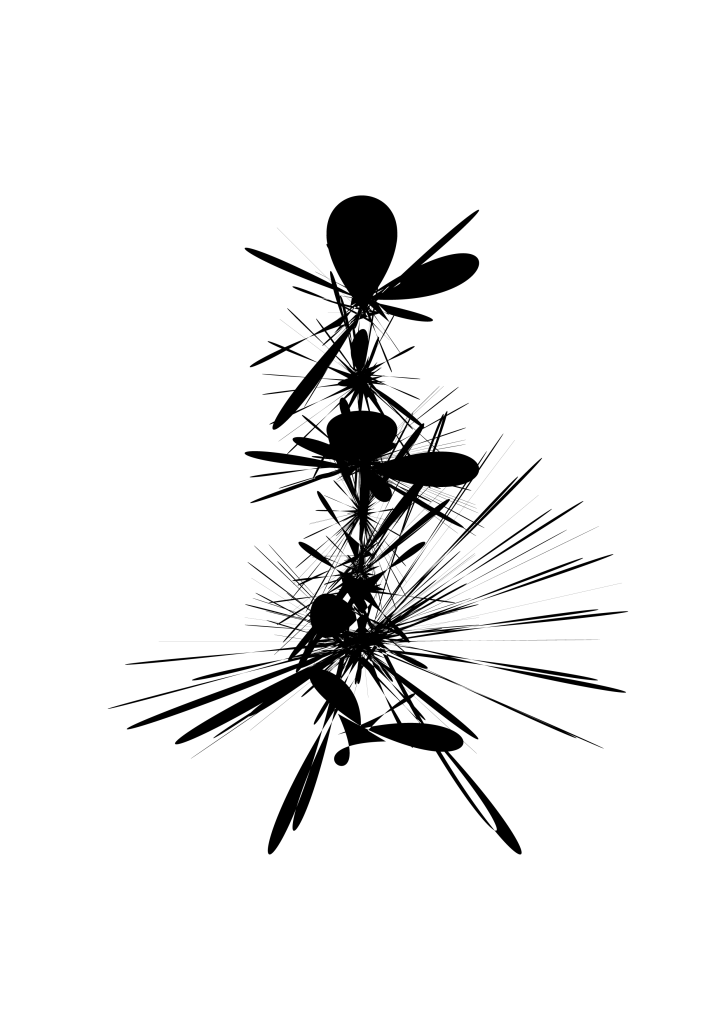
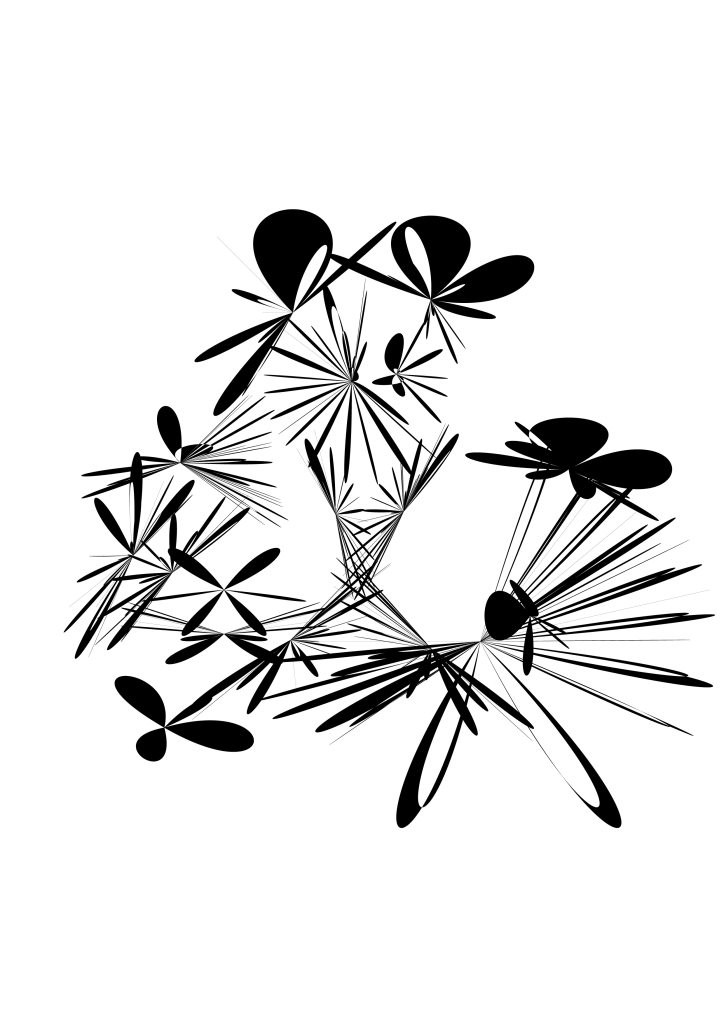
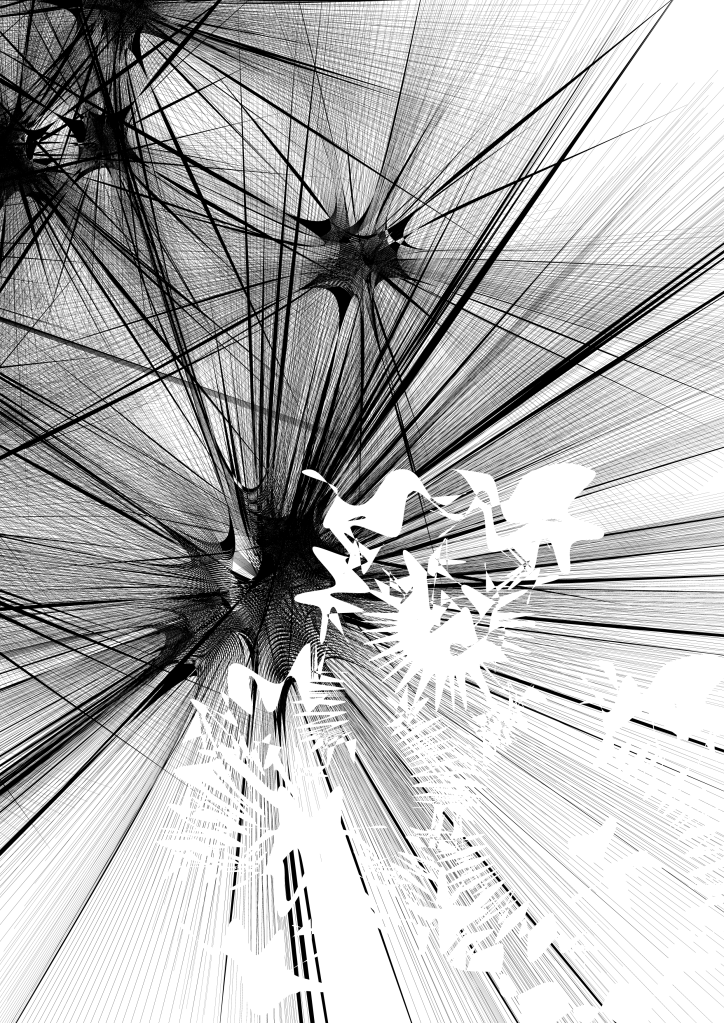
In-speaking to the conception of a visual-vocabulary, I would like to explore the role of abstract forms, in the telling of the Covid 19 story.-Abstraction in terms of literal abstraction of form, but also abstraction in regards to the distorting of the zeitgeist, and how that in-turn has caused a malformation in our psychology, individually, and as a collective society.
This is most evident in the changes that had been introduced into our daily routine, back in the spring, which have now become the “New norm”. This shift has led many of us into circumstance that are plagued with unknowns, creating uncertainty and instability. For many this has resulted in all manner of negative changes in their lives, with unemployment or financial difficulty being two of the most common outcomes. Young people too, have seen their realities distorted, their routines disrupted, with many of the changes having a long-term and detrimental impact on their respective development. Therefore, is there in fact a need for abstract forms, in the visualisation of these events?
Can abstraction be used as a story-telling device, in order to convey this turbulent shift in societal behaviour?
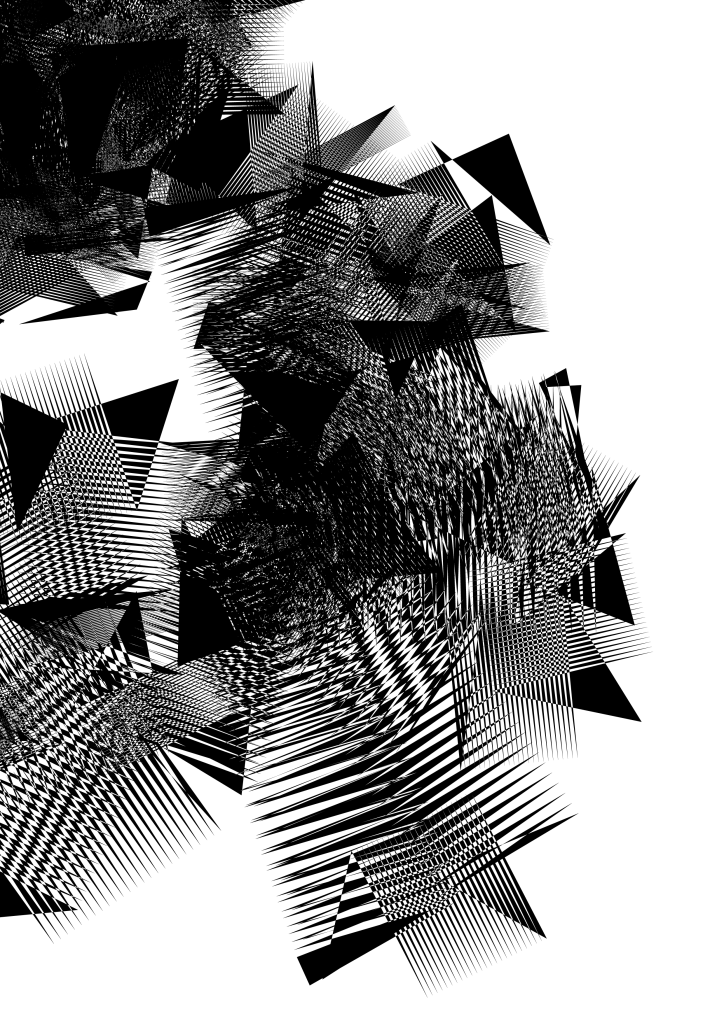
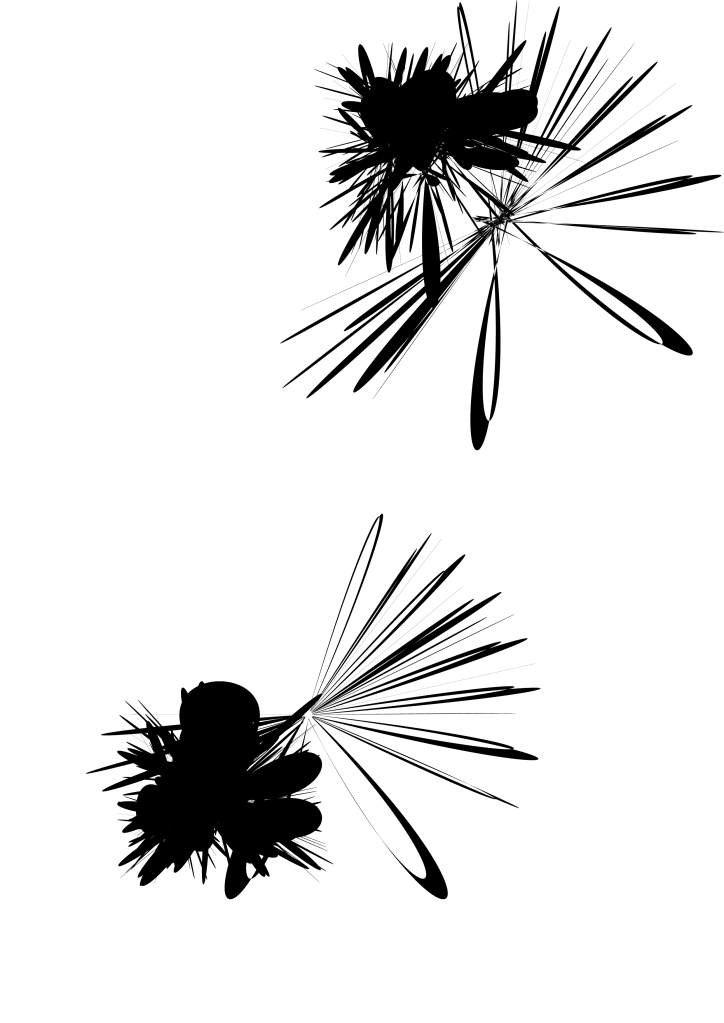
Mark-Making Exercise: Digital.





Group Discussion

Bibliography:
Stories.com (2020). Meet Giorgia Lupi. [online] Stories.com. Available at: https://www.stories.com/en_gbp/giorgialupi.html?page=interview [Accessed 10 December. 2020].
 JohnPrinceBranding