Applications and Interactions
Week_01
Brief Analysis.
Brief one Brief analysis
The first project brief is called ‘Self Initiated’, which considers how to apply your design skills, research and thinking to answer a self initiated project, that challenges your interests, identity or experience.
Weekly learning objectives.
By the end of this week you should be able to:
Research and discover your personal interests, identity and experiences.
A list of my interests
World History, specifically British History and the history of Art and Design.
Humanitarian causes, conveyed through my work with a Refugee support group.
English and American Politics.
Documentaries pertaining to Travel, History, India, Japan, Music and the Arts.
Literature.
Cooking, exploring recipes from Japan, India and Italy.
Skateboarding and Zine culture.
Visual storytelling, Graffiti Art, Graphic Novels, Cinema, Photography, Collage.
Lurking in Coffee shops.
Family and Friends.
Four ideas for a Design Brief.
Mental Health Awareness.
A conversation pertaining to how the issue of mental health is viewed within society, with a specific focus on how we can inform those unfamiliar with such diseases to better understand the subject.
The dialogue would be a continuation of the previous work on, the self and identity and I shall endeavour to document this exploration of mental health in the form of a visual narrative.
What does it mean to be British?
A social commentary, responding to current affairs, the question of identity, and the reasons for the social and political divides that are found within contemporary British society.
At present I am considering the use of Digital collage and Illustration, to communicate the discussions that are currently taking place within British politics and the mainstream media.
The forgotten voices of rural communities.
A documentation of the trials and hardships that are faced by those living in rural areas, across Britain. The objective would be to compile a collection of personal accounts and national statistics, that could then be translated into a series of exhibition pieces.
The plight of Refugees.
Building on several of the themes that I had touched upon in module one, I would like to further explore the meaning of home and how this impacts those persons that have been displaced or are forced into homelessness.
Taking cues from both The Self and Identity and the Geotagging module, I would endeavour to produce a book that explores the formative impact of having lost one’s home and document the worst effected areas in Britain.
Distill your research into your personal interests, identity and experiences to define one subject that can be developed into a self initiated project.
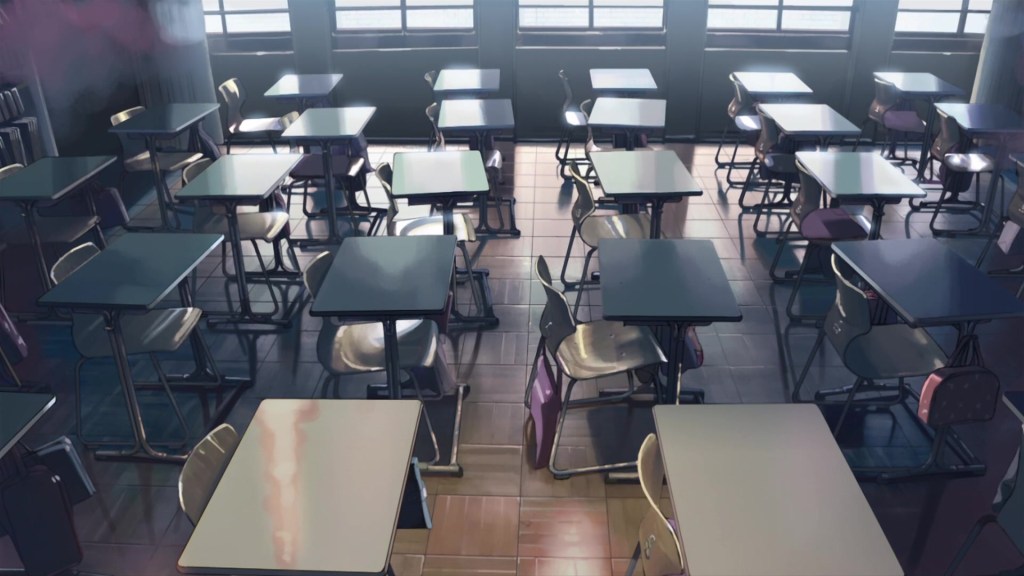
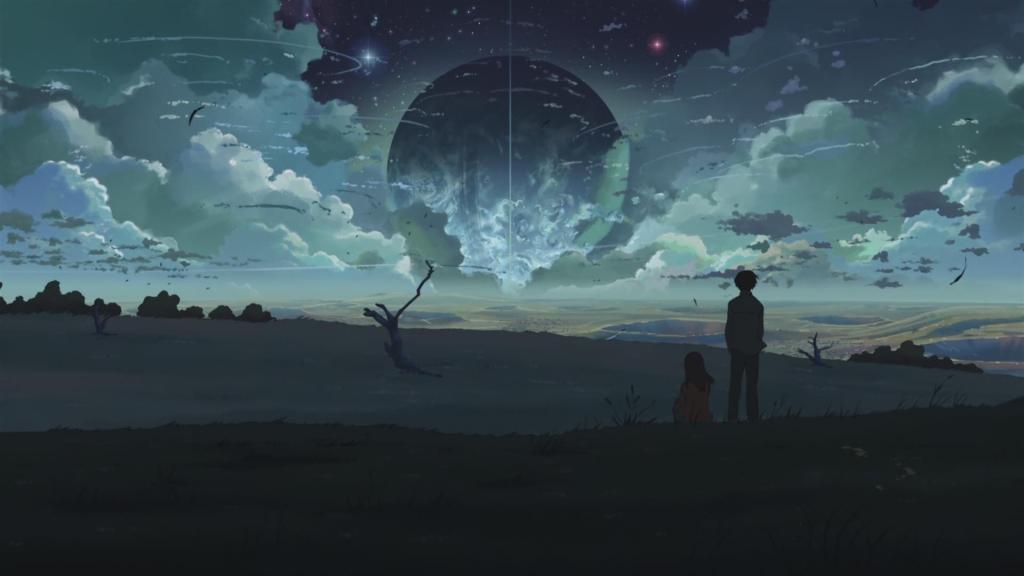
The Films of Makoto Shinkai
Widely regarded as one of the most prominent Anime directors in Japan, Makoto Shinkai is known for his eloquently, woven narratives and the achingly beautiful landscapes that are depicted in his animated features. Beginning his career as a Graphic Artist in the mid 90s, he made the transition into film in the early 2000s and has gone on to enjoy both, critical and commercial success. His 2007 feature film, 5cm per second set a new precedent, for how animation can compete with live action cinema in the telling of intricately constructed, narratives and undertook the task of addressing the social and cultural challenges that are faced in contemporary, Japanese society. Throughout his career, Shinkai had explored the themes of isolation, the need for human connection, distance, and the passage of time. His protagonists are often confronted with the inevitable changes that arise from the passing of time, they can often be seen to be seeking comfort in the past and choosing to isolate themselves from the events taking place in the present. His work is a beautifully crafted, study of the human condition and how we are all subject to the passing of time and its inevitable consequences.

Above, The 5cm per second teaser poster. Japanese version. 2007.


The Perspective Project hosts art, poetry and writing with the aim of ending stigma and providing an outlet for those with mental health problems. The 24-year-old founder, Mark Anscombe, is already sharing the work of over 30 artists from around the UK, US and Canada, all of whom have various mental health issues. The project accepts submissions in any form, and people can submit anonymously.
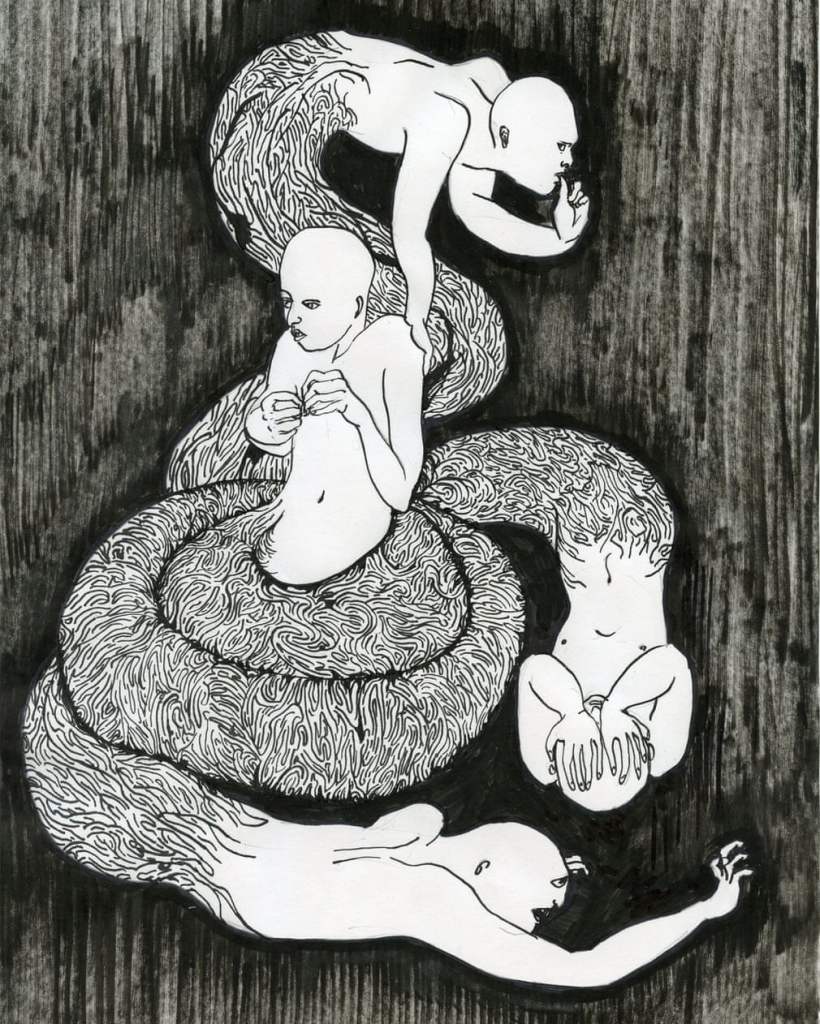
‘There is a moment when you can’t help but sink deep down. Attacked by spiteful thoughts. But, oh dear! I was the monster.’
At the Bottom of the Anxiety Swamp by Jayoon Choi
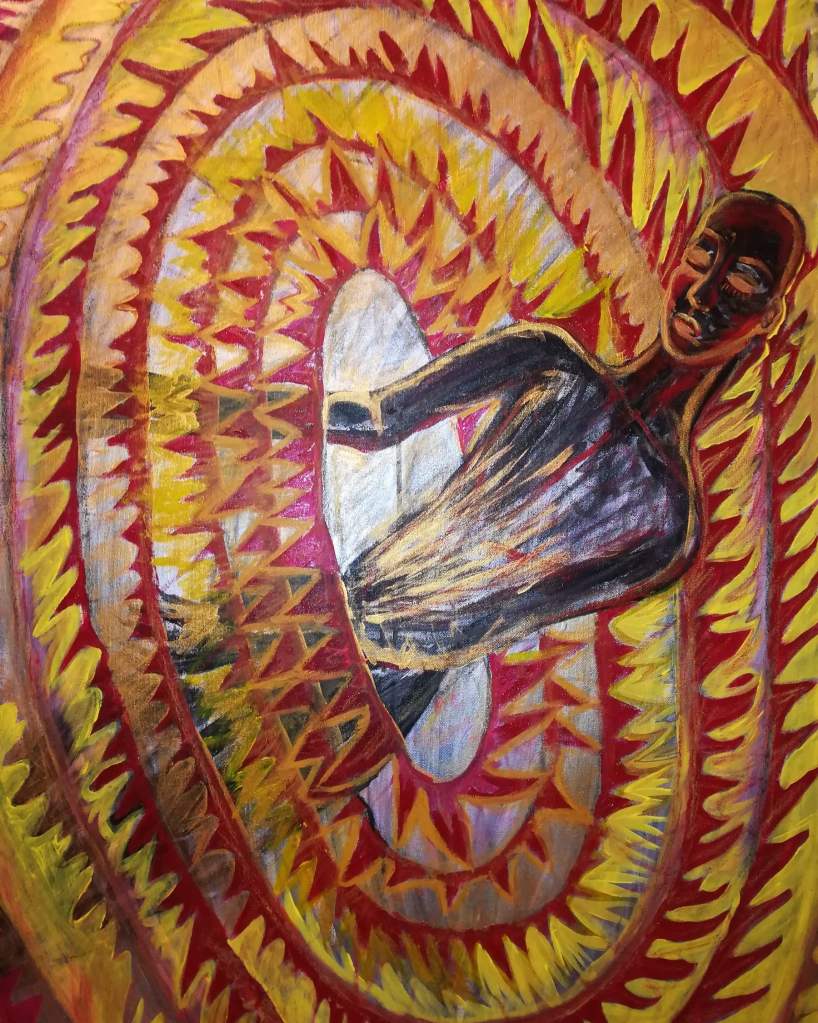
‘This represents dysfunction patterns in relationships. It is the expectation that if you put someone else’s needs before your own, somehow this will make you happy. You allow yourself to be badly treated and have few boundaries, then wonder why you feel so hurt and alone. It’s letting your feelings build up and up, until one day you realise and run away – away from the relationship and the ill treatment. The pattern repeats until you say no more and move forward into self-awareness, self-love and healing. Therapy was my route for this. Victim no more.’
Your Pain Is My Pain by Paula Scotter
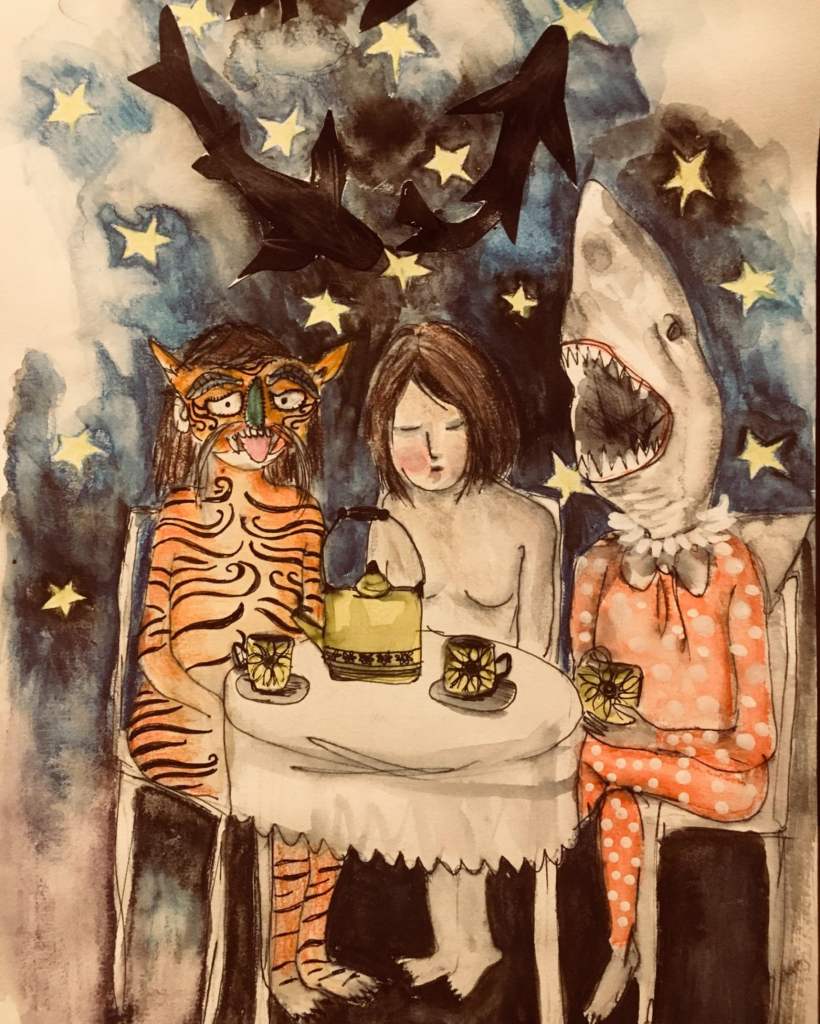
‘I’ve struggled with anxiety and depression since I was a teenager. There have been times when it has crippled me, and I was afraid of everything. I started to face my fears, my demons head on and I still do. It’s scary in the dark but what’s more scary to me is denying and suppressing what lurks beneath the surface. My mental health is good these days. My dark days are still here, but I no longer turn them away.’
Tiger, Shark and Me Sit Down for Tea by Emma Haddow
The Perspective Project
We are a charity ending the stigma around mental health through art and creativity. We provide a therapeutic outlet for those affected by mental health conditions, highlighting different perspectives on mental health to the wider public.
All of the works you see on this site have been submitted by you, the public. We release new works regularly on our site and social media.
We are always open for submissions, and welcome works in all formats. If you would like to submit your work, check out our Submissions page.
Share your perspective on your mental health today.
Faceless Maiden.
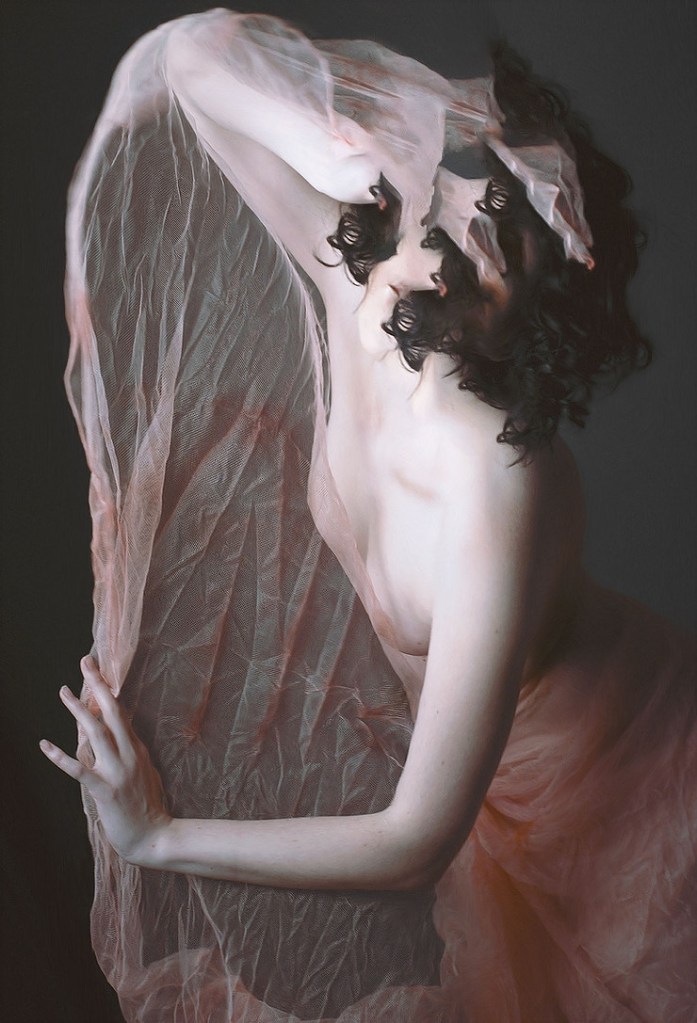
Siris Hill
“Art has saved my life, literally. It has given me a voice, a purpose and taught me discipline, which in turn has strengthened my mind and allowed me to take the same approach I have used to learn to paint to tackle my recovery head-on. I have found strength through sharing my journey and my work with the public. This has led me to pursue change within our society, focusing on the public and challenging them to rethink mental illness by creating engaging conversations and educating them from an individual’s perspective of living with a mental illness.”
Benefits Supervisor Weeping
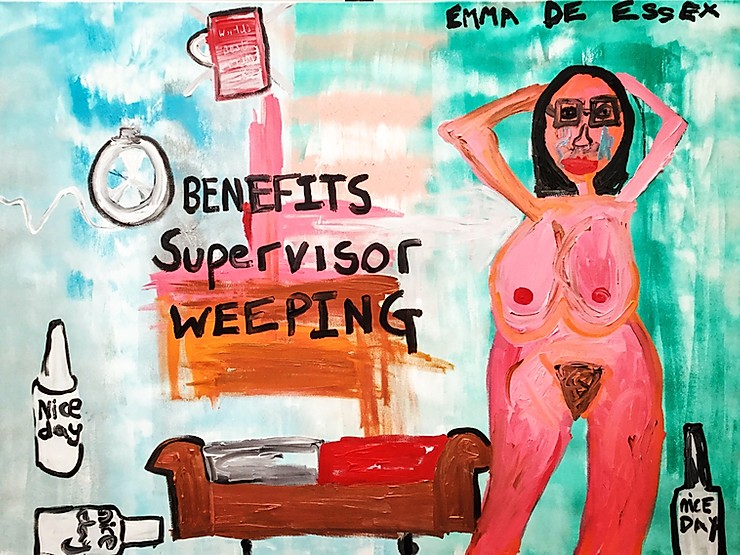
Gareth Jones
“I have serious Bipolar Disorder which I have been in and out of hospital with. The piece was painted on a day where I was told I wouldn’t be able to work for a while, which was pretty devastating. The piece itself is based on one of Lucien Freud’s works ‘Benefits Supervisor Sleeping’. Brilliantly the benefits officer that sat for Freud’s original piece, Sue Tilley, came across it on Instagram and got in touch to say she loved it.”
Book
Phillips, P. 2004. Creating the perfect design brief, How to manage design for strategic advantage.
Considerations, for the preparation of a Design Brief.
In preparation for the construction of my Design Brief I had read the recommended chapters from, Creating the perfect design brief, How to manage design for the strategic advantage by, Phillips. P. Here are the notes from my analysis.
- The are many labels that can be assigned to the describing of a Design Brief.
- When designing a Design Brief, make certain to include information pertaining to all stakeholders.
- The goal is to make a Design Brief as complete and useful as possible. The final length will be determined by the specific project and its complexity.
- A Design Brief should be built around its core concept.
- The Objectives should be clear and communicate the underlying concept.
- Tell a simple story and build an emotional connection with your audience.
- Link the Creative objectives with the Business objectives.
- Begin with reviewing the parameters, within which you must work.
- Consider the time required, in order to structure your brief efficiently.
- Consider the following in this order, deadlines, technical issues, finances.
- Reflect on, why you are pursuing the project and what you want your outcomes to be. Who is the target audience.
- What needs will the project outcomes satisfy.
- Can identify an value added opportunities in our outcomes. How does the consumer interact with the product after purchase.
- When closing the review of your criteria, take the time to assess and reflect on the competition.
When do you need a Design Brief.
- A Design Brief is written, not verbal.
- Talk about design as a strategic business resource, and not just as a decorative service.
Art vs Design.
- Design is a problem solving discipline. Paul Rand.
- Define the separation between Art and Design.
- Think strategically and use creativity as a tool for problem solving.
- Design as a core, strategic business competency.
Proposals vs Design Briefs.
- A request for proposal RFP, is not a Design Brief and will only contain part of the information required to fully understand the project.
- The information disclosed upon securing the Brief will form the basis of a Design Brief.
Design Briefs have a great many uses.
- Use your business partners to translate your intentions into a brief that can be understood by all stakeholders, specifically those that do not possess a background in design.
- The Design Brief can be used as a road map, in the structuring of the project.
- Think of the Design Brief as a business plan that details the creative strategy. Or as a document that combines a business plan with creative strategy.
Communicate and deliver a clear project brief to outline the aim, critical context, outcome and designated target audience for your self initiated project.
Design Brief
Project Overview
Mental Health is fast becoming a primary concern for governments, all over the world. Here in the UK 1 in 4 people will experience a mental health problem, each year. In England 1 in 6 people report experiencing a mental health problem each week. More concerning is how we are dealing with our mental health, with the number of people reporting having experienced self-harm or suicidal-thoughts, on the rise.
What problem does it solve?
This brief will aim to tackle the lack of understanding around mental health conditions, providing insight and illustrated experiences that will allow the viewer to better understand the issue. In doing so, I hope to bring the subject to the forefront of the public forum and to encourage a more candid conversation about mental health.
Objectives/Goals
In response to this public health issue, I would like to curate and develop an editorial piece that would serve to provide people unfamiliar with mental health issues with insight and information on the subject of mental health.
Message?
That it is perfectly acceptable to speak candidly about ones’ mental health, and that the issue of mental health is one that is common within society. You should not feel unable to discuss this subject with your friends, family, or partner. And if you do not suffer with a mental health problem yourself, you should be mindful of those that do struggle everyday with such challenges, and be open to better understanding the reasons behind their behaviours.
Tone
The tone of the book will be highly conceptual, presenting a visual-narrative that encourages engagement and reflection upon the subject of mental health. I will look to communicate the authenticity of the subject-matter through the use of found-objects and carefully, considered artworks.
Target Audience
The target audience will be those that are unable to comprehend, why a person they know is suffering from a mental health issue. This could extend into a more focused demographic, specifically the 18-25yrs age-bracket.
Deliverables
An illustrated book, that explores the challenges and implications of living with a mental health problem.
References
Unknown, Unknown (2018). Mental Health: behind the label. [online] TheGaurdian.com. Available at: http://www.theguardian.com/healthcare-network/gallery/2018/jan/17/eight-artworks-inspired-mental-health-problems-pictures [Accessed Thursday 26th September. 2019].
Unknown, Unknown (2018). Works. [online] The perspective project. Available at: http://www.theperspectiveproject.co.uk [Accessed Thursday 26th September. 2019].
Week_02
Ideas, Craft, and Context.
Diary_02
Considerations for this week-Attempting to reconcile the subject-matter with the methodologies.
This week, I have been attempting to comprehend the core of the idea. As a consequence of the complexity of the subject, I had found myself feeling somewhat at a loss as to how to navigate the approach, to understanding my objectives. What was I attempting to say? Am I able, to convey the authenticity of what it means to live with a mental health condition?
The week began with a tutorial with Stuart, in which we discussed how best to visualise the subject. I presented the notion of using found-objects and fabrics in order to contextualise the subject, seeking to convey the emotional-tone of the subject-matter by using objects that had a connection to the mental-state of those that use them. In doing so, I would pose the question: How does our relationship with the objects that we use impact our self-identity? And, does this play a formative-role in the state of our mental-health?
As the week progressed, I was again besieged by doubt and confusion as to, how I would translate my objectives and research into a viable deliverable? The idea of developing a coffee-table book, that held within its’ pages a visual-narrative that sought to communicate the challenges and strain, of living with any number of mental-health conditions, now seemed inferior and complacent. I therefore, decided to reconsider my approach.
During Thursday’s Webinar Ben had spent some time discussing Methodology, and as a consequence of this presentation by Ben, I was able to view my project through a different perspective. I had realised that I had not yet fully considered the questions that I was aspiring to answer, and therefore I would be hindered going forward.
Questions, provided by Ben. Answered by me, in an attempt to better understand my approach to the structuring of my project.
– What is the problem you’re trying to solve? (what is your question. remember, your question should be answerable!)
In summation, the problem that I am trying to solve is, addressing the absence of conversation around mental-health, among the general-population. Specifically, I am responding to the statistic that states that, 1 in 6 young people aged 16-24 has symptoms of a common mental disorder such as depression or an anxiety disorder (ii) (youngminds 2019) Therefore my question is, how can I encourage a more candid discussion around the subject of mental-health among 16-24yr olds?
– What is your methodology? (the processes you’ll go through to help you find an answer / respond to that question(s)). There are lot’s of methodologies you can use – it’s just about finding a methodology that works for your project. In the lecture we briefly touched on one classic iterative design methodology of research – design – test.
In answering the following question: how can I encourage a more candid discussion around the subject of mental-health among 16-24yr olds? I have opted to use a Descriptive research methodology. I have chosen this method as it allows me to focus on the “what” rather than the “why”. For example: I wish to discover the consistencies in the types of conditions that exist within a specific demographic, and not why those participants have developed those specific conditions.
– What rigour will you put in place around your methodology?
The research-approach, or Theoretical-framework, will be dictated by the Ethical standards associated with the acquisition and publication of personal-data, specifically pertaining to quantitative research within the study of mental-health. I will adhere to standard practices and ensure that I secure written consent for any personal information given, to be published or shared throughout the development of this project.
Research: Artists and Designers, that create work that relates to the subject of mental health.
Francis Bacon
Francis Bacon is today regarded as one of the most prominent artists of the 20th Century, with his works being highly sought-after by collectors and dealers from all over the world-establishing a legacy and ensuring his position in the annuls of Art-History.
This path to infamy had began with his stepping-on to the art-scene in April 1945, with a noted exhibition at Lefevre Gallery in London. There, Francis exhibited his most recent works-The most famous of which was the Three studies for figures at the base of a crucifixion. The painting shocked audiences, creating a sense of unease at a time when the population of Britain were just coming to terms with the end of a five year war with, Nazi-Germany.
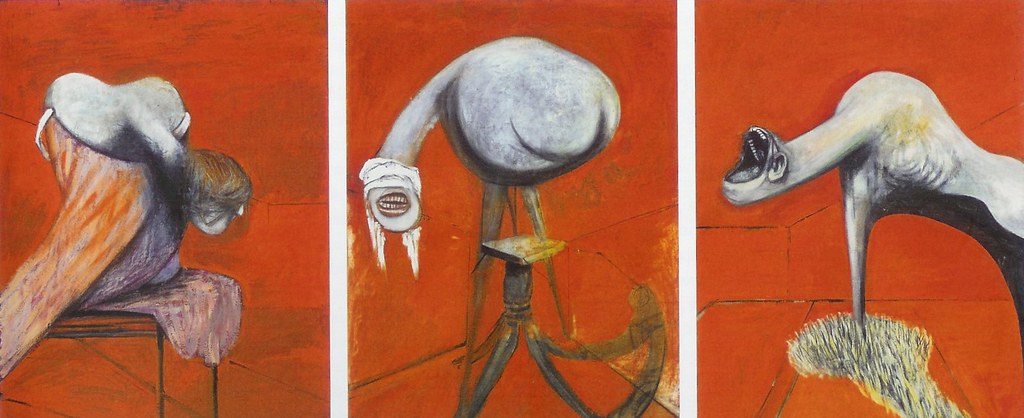
The painting itself, is one that, in my opinion, is the culmination of a history of violence and the failing to address a series of deep-rooted traumas-most notably, the hardships and suffering that had been experienced by Francis, during his childhood. This trauma was largely, a consequence of the rejection that Francis had experienced at the hands of his father, which had included regular beatings and verbal abuse.
“It was something cold and something hard, like a block of ice”-Francis Bacon, on his childhood.
The most deplorable act committed at the behest of his father, was the whipping that Francis was subjected to at the hands of his Father’s stable-hands. Later, his long-term friends would suggest that this was the moment when Francis had developed a taste for masochism. This preference for self-deprecation and submission, would become a formative part of his identity, and by extension, his paintings. Francis would later confess to his friends, that he did indeed hate his father, however, he also stated that he had developed a sexual attraction to him, too.
Childhood, it would seem, instilled in Francis a number of preoccupations, and along with his interest in sexual-gratification and violence he would often incorporate abstract figures, open mouthed and evidently in great distress, into his paintings. Many Art-historians have observed this feature in his work, and it is believed to be a reflection of the artist’s own childhood, evoking a sense of the claustrophobia that had been felt by the artist, as a consequence of his father’s toxic masculinity. We can also see this in the composition of his works, oftentimes communicating a need to break-free from perceived obstacles, psychological or physical, in favour of seeking-out a moment of respite-this is visualised in the form of a figure attempting to regulate their breathing or ejaculate the suppressed trauma that they may feel, deep down in their core.
I would propose, that Francis Bacon spent his career creating work that, at its core, is a response to the rejections that he experienced throughout his life. The works themselves, endeavour to reject the constraints of the world into which he had been born-they are a defiant and absolute rejection of his protestant-upbringing, his father and the validation that he had long sought to secure from him, the attitude of society towards homosexuals at that time, and trauma that had manifested within him. Although, he had spoke openly about his life, Francis was inclined not to confront the realities that stood before him.
Like Edvard Munch’s The Scream had previously demonstrated, by bridging the divide between the inner-self and the outer-world, we can initiate a wider conversation around the mental state of society, using creativity as a tool to express our inner-self and the anxieties that we cannot otherwise communicate. Francis Bacon was not a pioneer in this practice, however, he is unique in that he was a self-taught artist that through intuition had somehow managed to develop a visual-vocabulary, that spoke to our individual and collective psychology.
The next artist that I shall be focusing on, was a contemporary of Francis Bacon, and later in life the two would develop a friendship built on a shared affection for the art that they both created. Francis Bacon and Lucien Freud would, respectively, pioneer a form of visual-narration that explored the very core of what it means to be human-seeking a profound truth, oftentimes at the expense of those that were most dear to them.
Lucien Freud
Lucien Freud, will be remembered as one of the most accomplished portraitists of the 20th Century. He was, however, far more complex than he may appear at first glance. Estranged from his family for long periods, he played a distant role in the lives of his children, and was seemingly unable to adapt to domestic life. He was much more comfortable in living the life of the reclusive-artist and chose instead, to live among the authenticity of life.
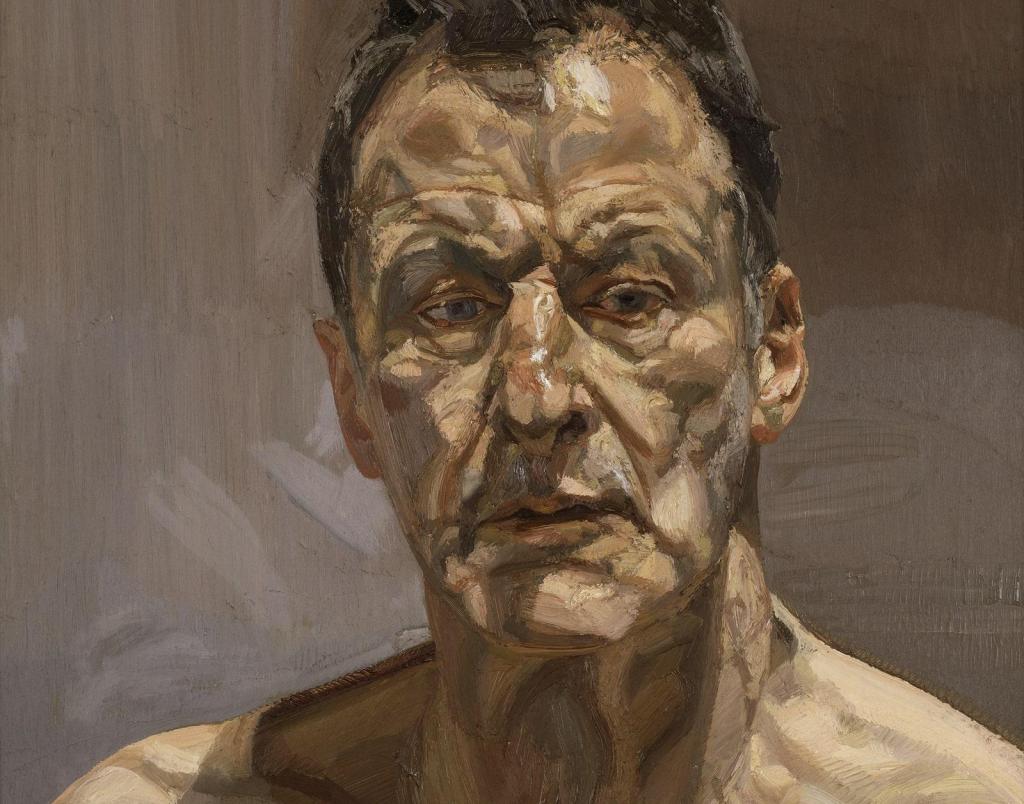
When we think of Lucien Freud’s paintings, we think of the flesh. Wish each brush-stroke, he created a primal depiction of not only the body, but the soul that resides within it. His ability to capture his sitter’s vulnerability evident upon the canvas, oftentimes betraying some deeply suppressed emotion, that they do not wish to share with the prying eyes of the viewer. Through astute observation, Lucien documents the physical effects of the life lived, upon the body of the sitter.
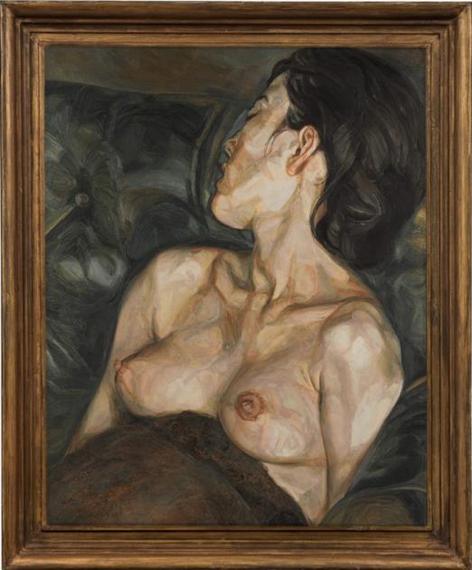
Lucien Freud, like Francis Bacon was a documentarian of the inner-self. Both Artists were able to capture the raw emotions of the human-psyche, recording their respective view of the world around them in the process. Both shared a melancholy temperament, demonstrating little willingness to adapt or integrate into the world, beyond the extent that was necessary. And like the canvases on which they both painted, it was in their respective faces that we are able to see hints of a more substantial narrative, albeit limited in its’ generosity.
For me, it is this unwillingness to reveal too much of the story that draws my attention. Freud’s work in particular is reticent, and only allows the viewer to see what the artist intends for you to see, anything more and the intrigue of the work would be diminished.
Resources.
School of Economics and political science, London. (2019). Guidance on LSE research ethics, code of research conduct, and training. Research Ethics, [online] Volume(Issue), pages. Available at: https://info.lse.ac.uk/staff/divisions/research-and-innovation/research/research-ethics/research-ethics [Accessed Monday 7TH October. 2019].
Unknown, unknown. (2019). Mental Health Statistics, [online] Volume(Issue), pages. Available at: https://youngminds.org.uk/about-us/media-centre/mental-health-stats/?gclid=CjwKCAjwxOvsBRAjEiwAuY7L8sjugAMnbgOOFVF-EtlZKU8SEBc0GHZNtFS51b1cgHGz8vNfHkdd5hoCrV4QAvD_BwE [Accessed Monday 7TH October. 2019].
Unknown, Unknown. (2019). How to write your research proposal. university of Westminster, [online] Volume(Issue), p. 01. Available at: https://www.westminster.ac.uk/study/postgraduate/research-degrees/how-to-apply/entry-requirements/how-to-write-your-research-proposal [Accessed Monday 7th October. 2019].
Week_03
Lecture-notes:
This week, our guests were confronted with the following two questions.
Q1: What is your development and reflection process?
Offshore: In response to this question, Christopher Miller explains the importance of early-testing, and why it is important to take a hands-on approach to your project. He proceeds to explain, the significance of keeping a record of your ideas and reflecting on the decisions that are being made, as the project progresses. In the early stages of the project, Christopher suggests that the designer keep the parameters in which they work, loose. Lastly, he discusses the creative-benefits that result from thinking conceptually.
Hey: Veronica answers this question by explaining that the designer should focus on the aspects of a project that interests them the most, keep it personal.
Frost-Collective: Like Veronica, Vince Frost advocates the idea that the designer should pursue the areas that interest them the most, incorporating your personal-interests and using them as a starting point for your self-initiated project. As the project develops, take the time to reflect on the work that you are producing-live with it and continue to tweak the areas that you are dissatisfied with.
Bompass and Parr: Sam Bompas, is a practitioner that encourages a certain cavalier approach to the generation of creative-ideas. In response to the question, he proceeds to encourage the immersion of the designer in contemporary-culture, stating that the practitioner should act as a conduit for the world in which they reside. On a more practical note, Sam emphasises the importance of building an infrastructure and managing ones’ resources, effectively.
WerkFlow: James Stringer’s response is very-much embedded in the practical-thinking one would expect from a professional working within the games-industry. His working-methods are methodical and diligent, with an emphasis on time-management and the effective use of ones’ resources. He explains the importance of establishing a model that works best for your objectives, and how through the testing of said model you will be able to identify the flaws in your methodology and adapt, accordingly.
Q2: How has production, risk, failure, and your own personal ambition affected the outcome?
Development.-Sketchbook.
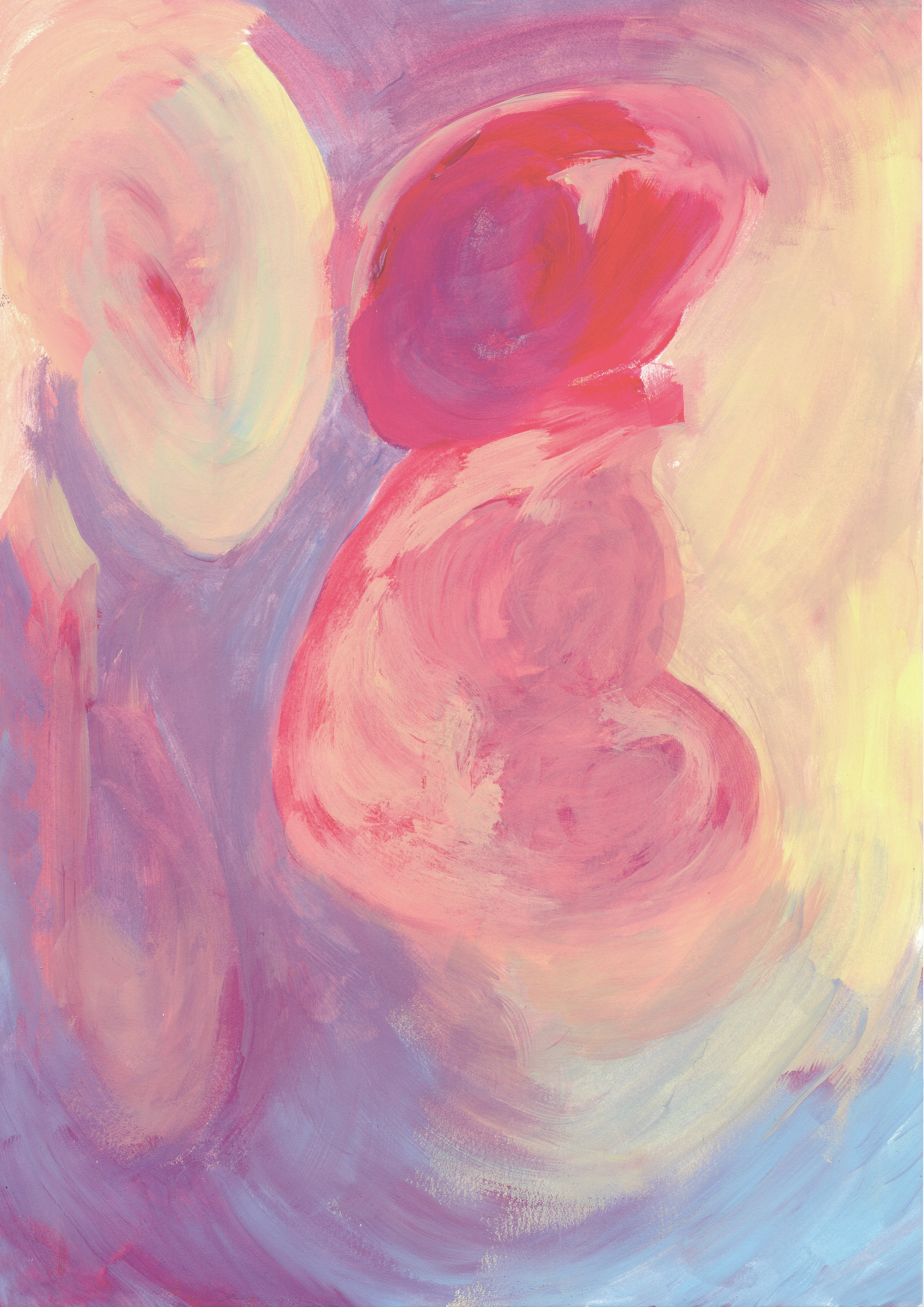
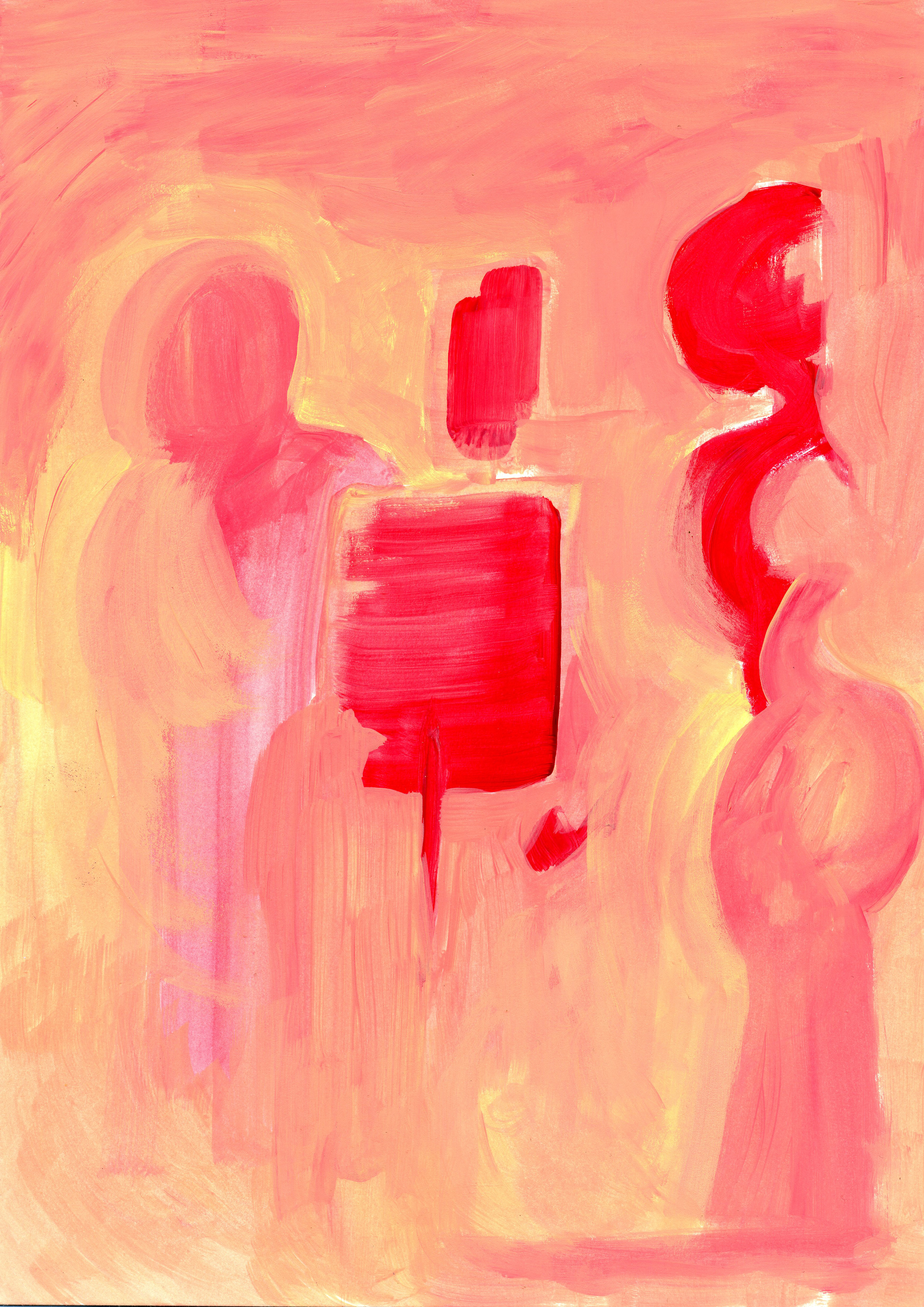
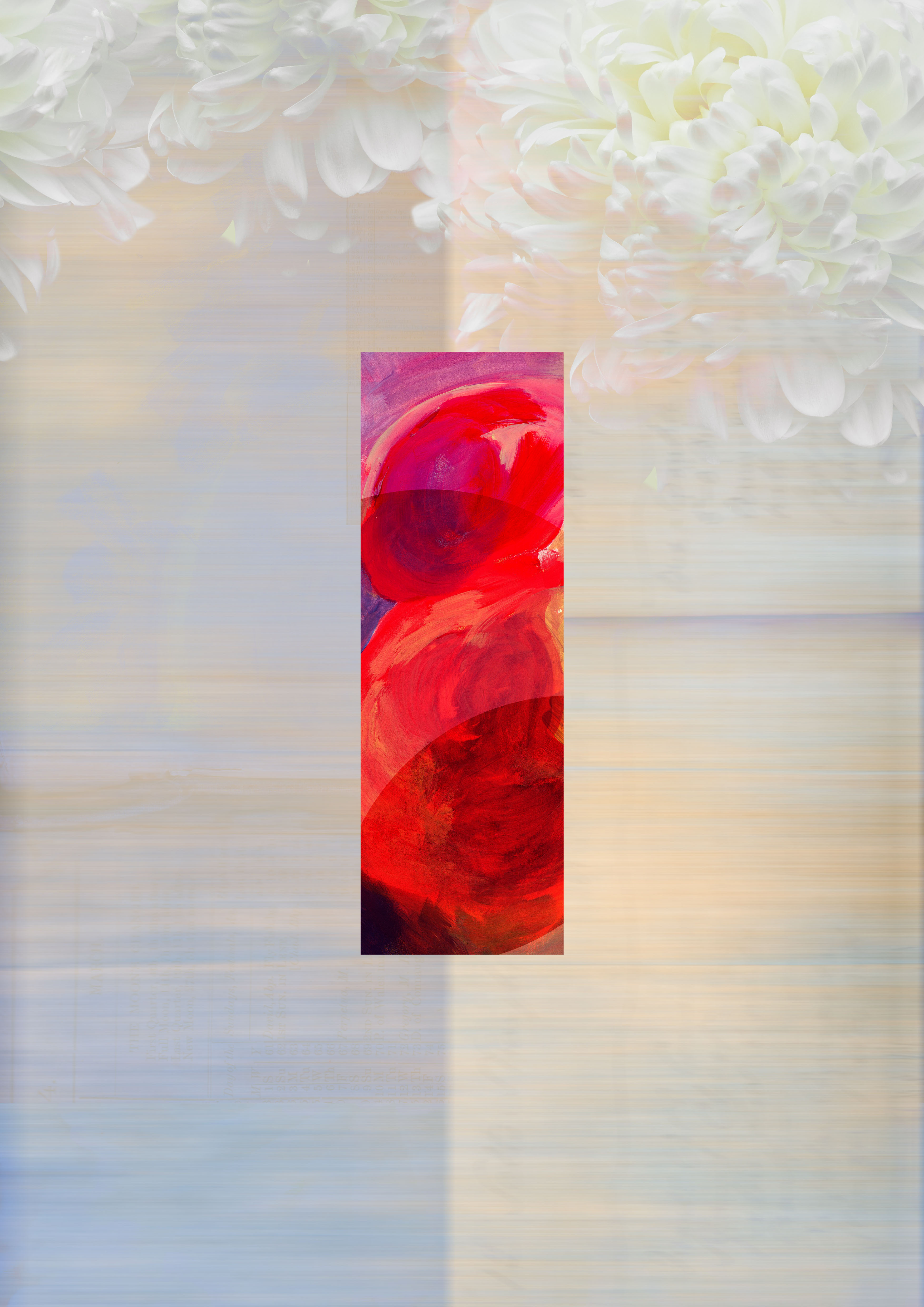

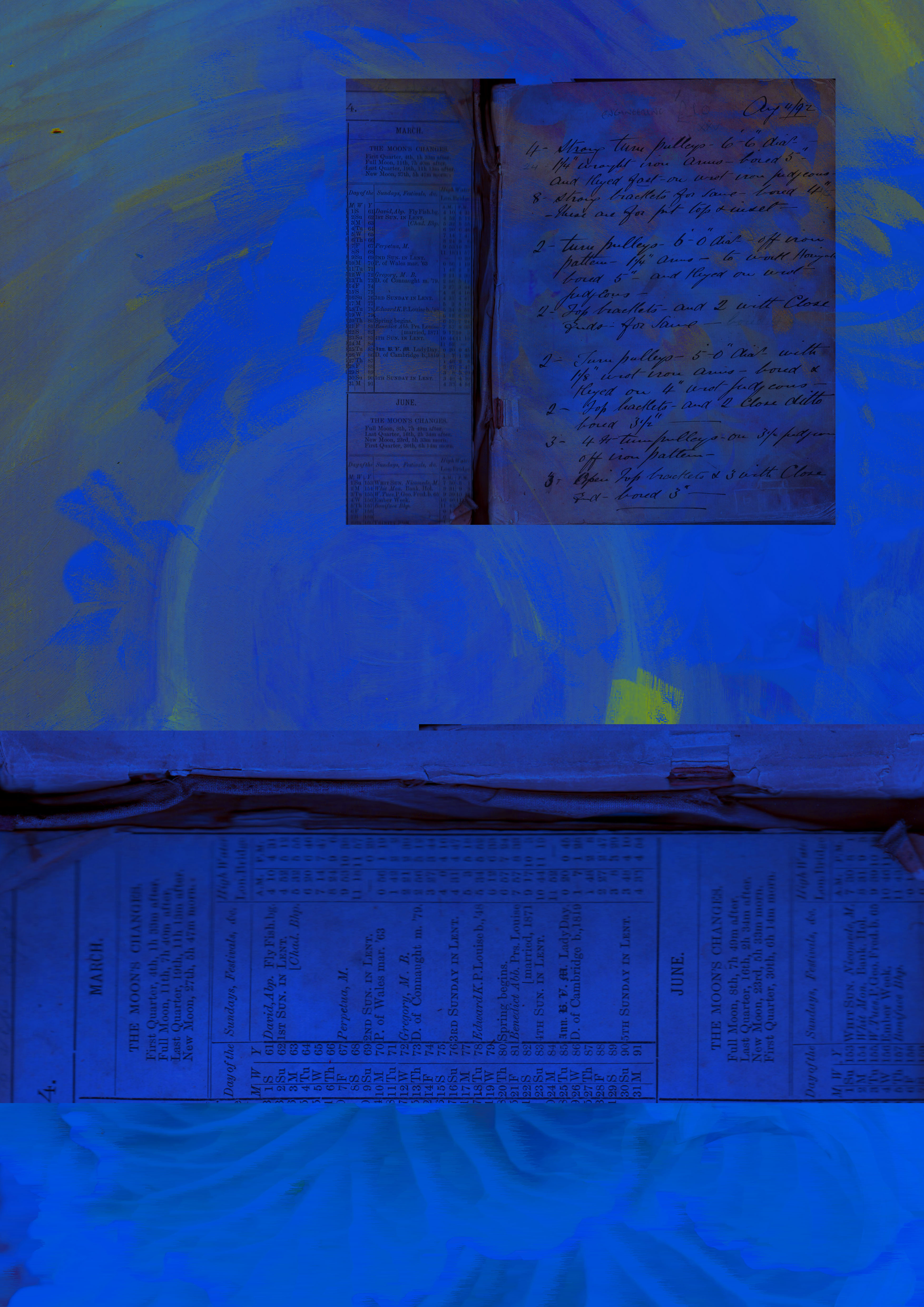
Design-Development.
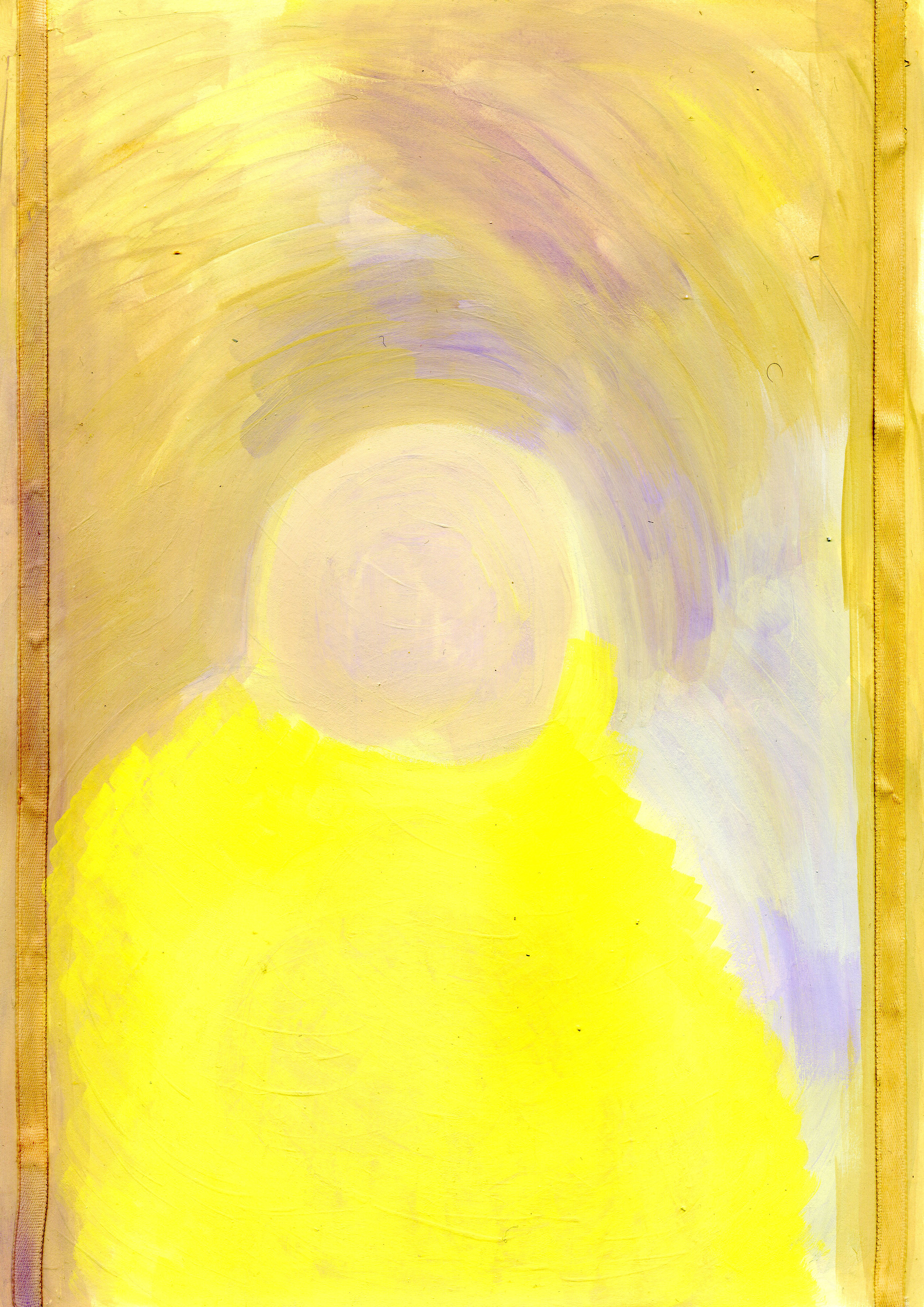
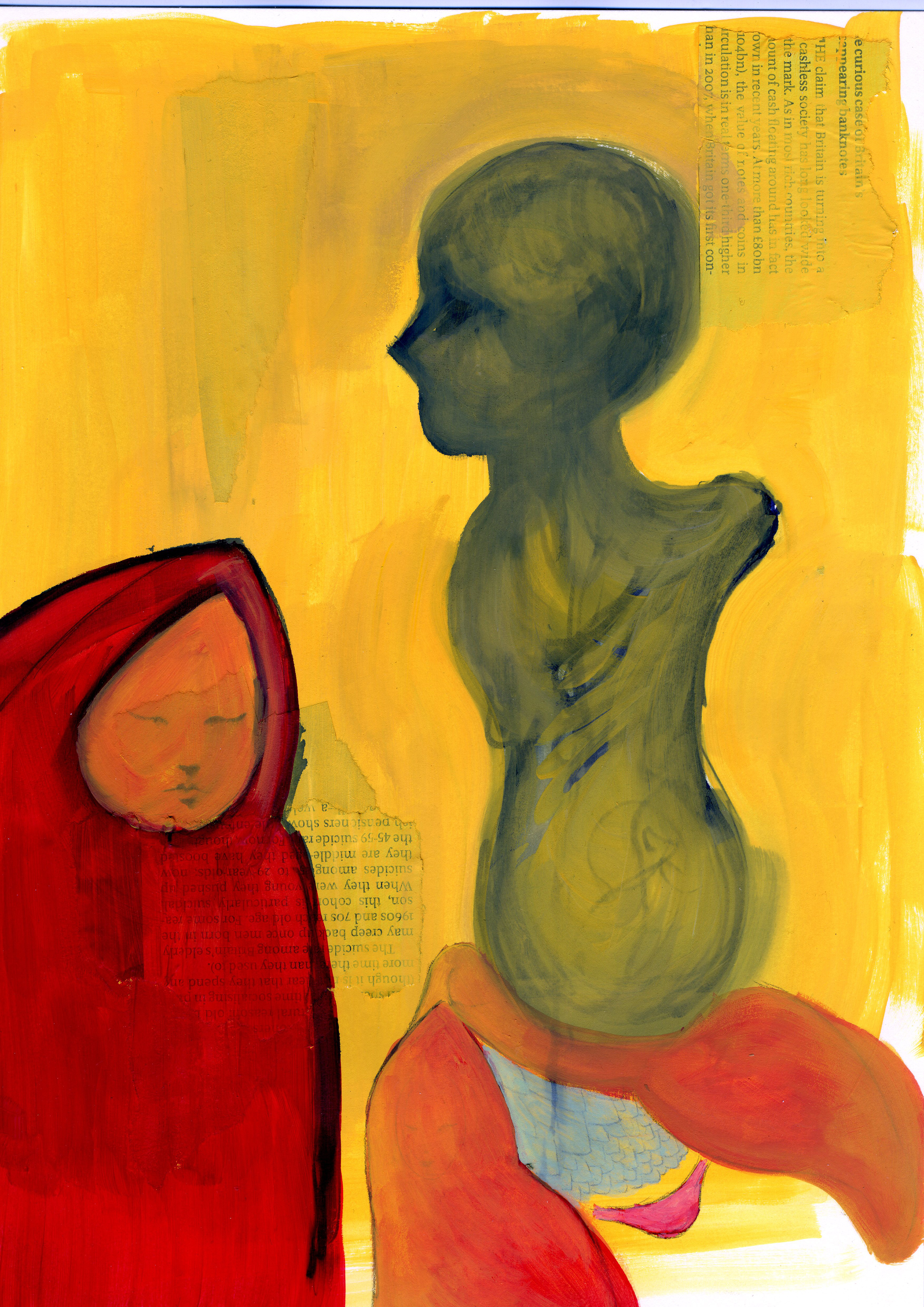
Mark-making exercise.
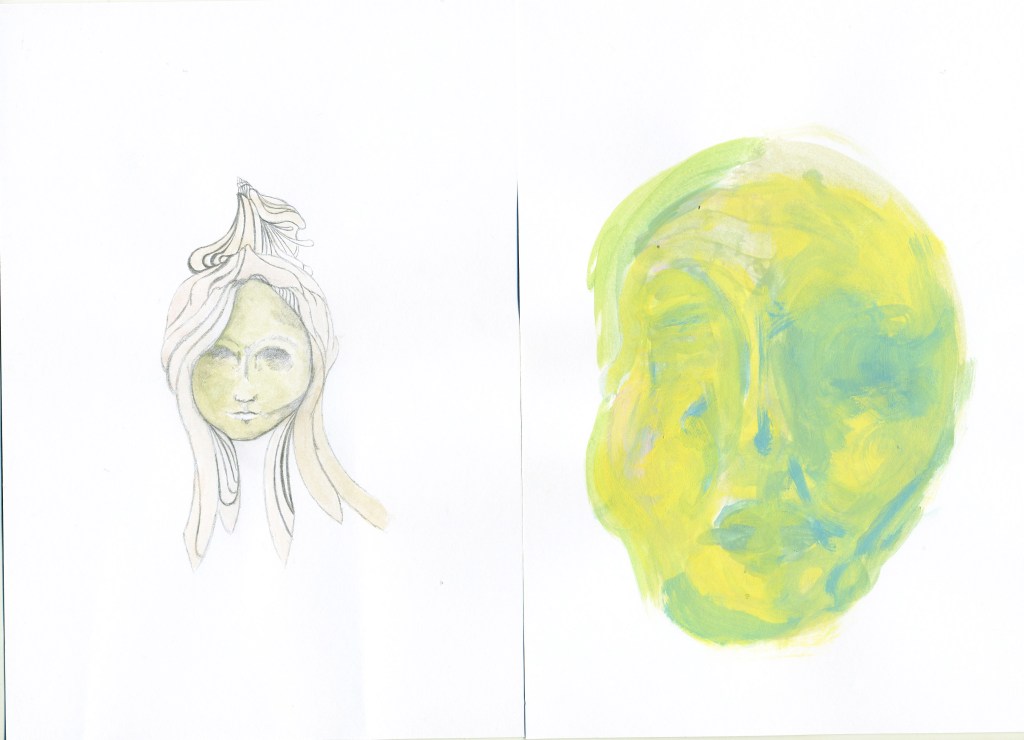
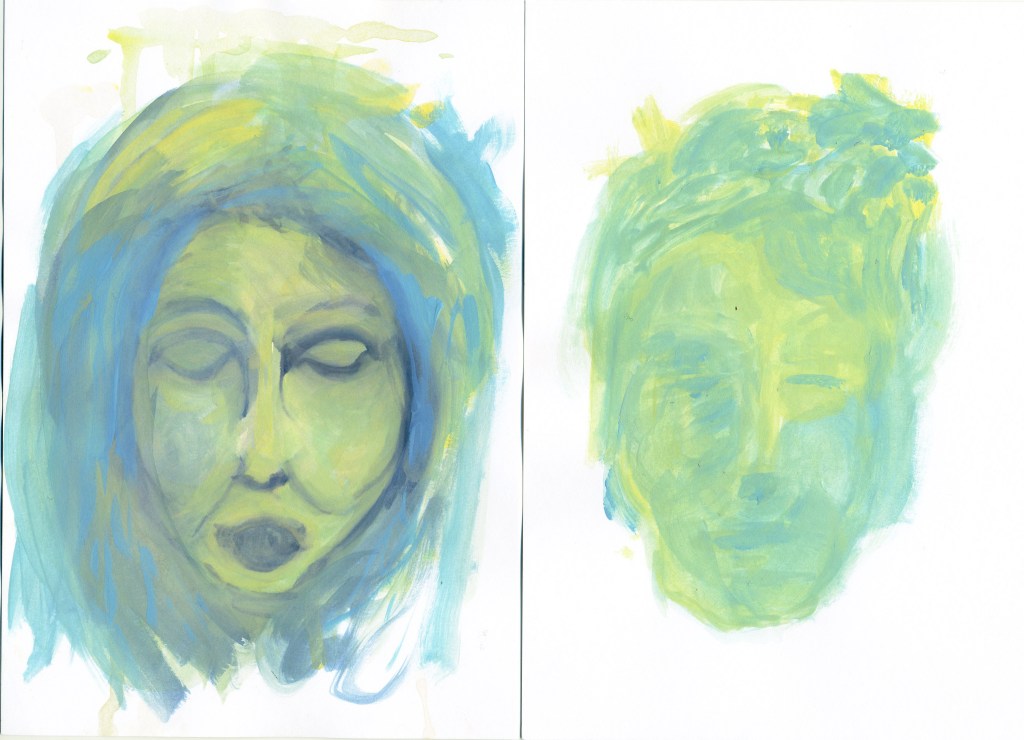
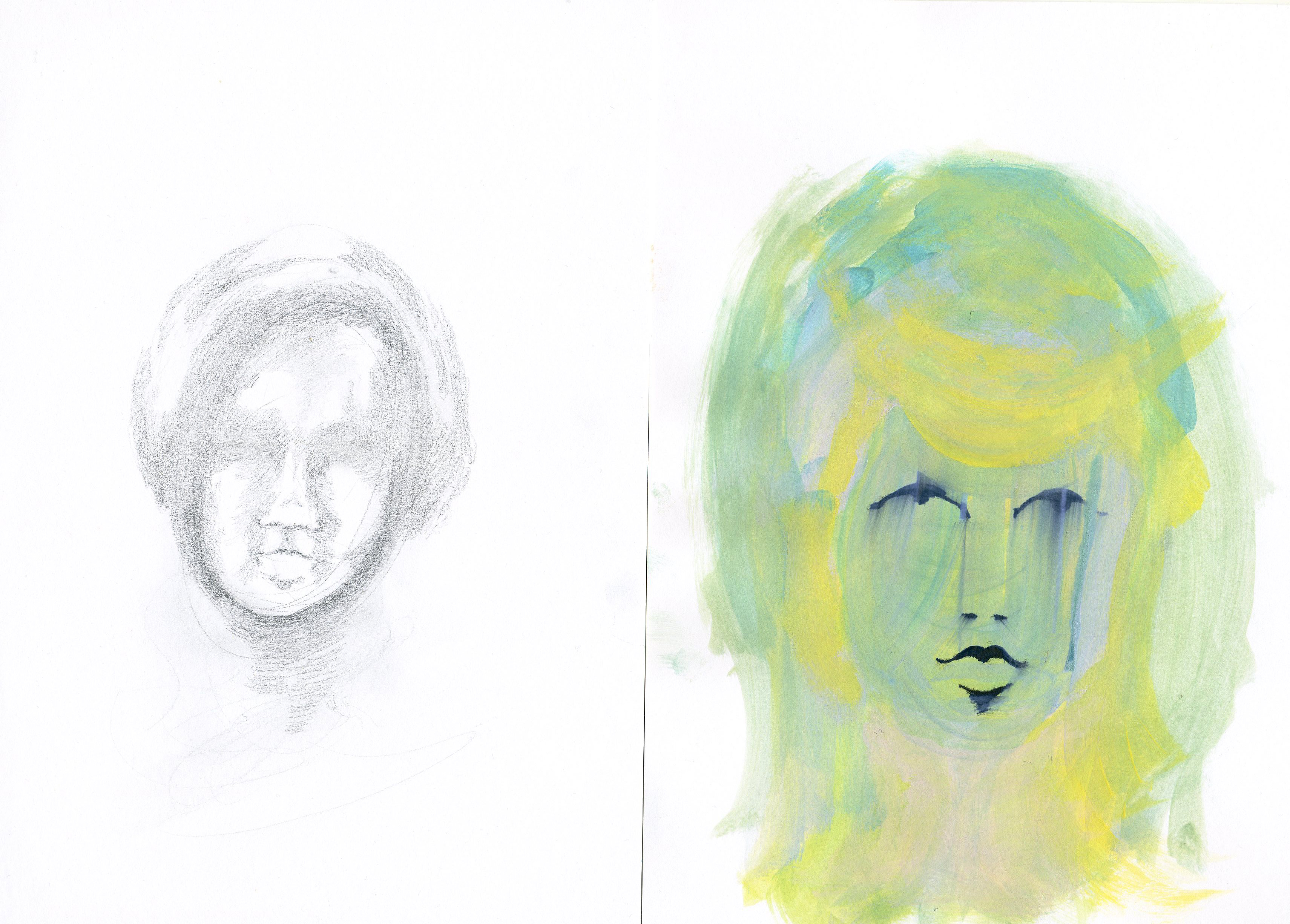
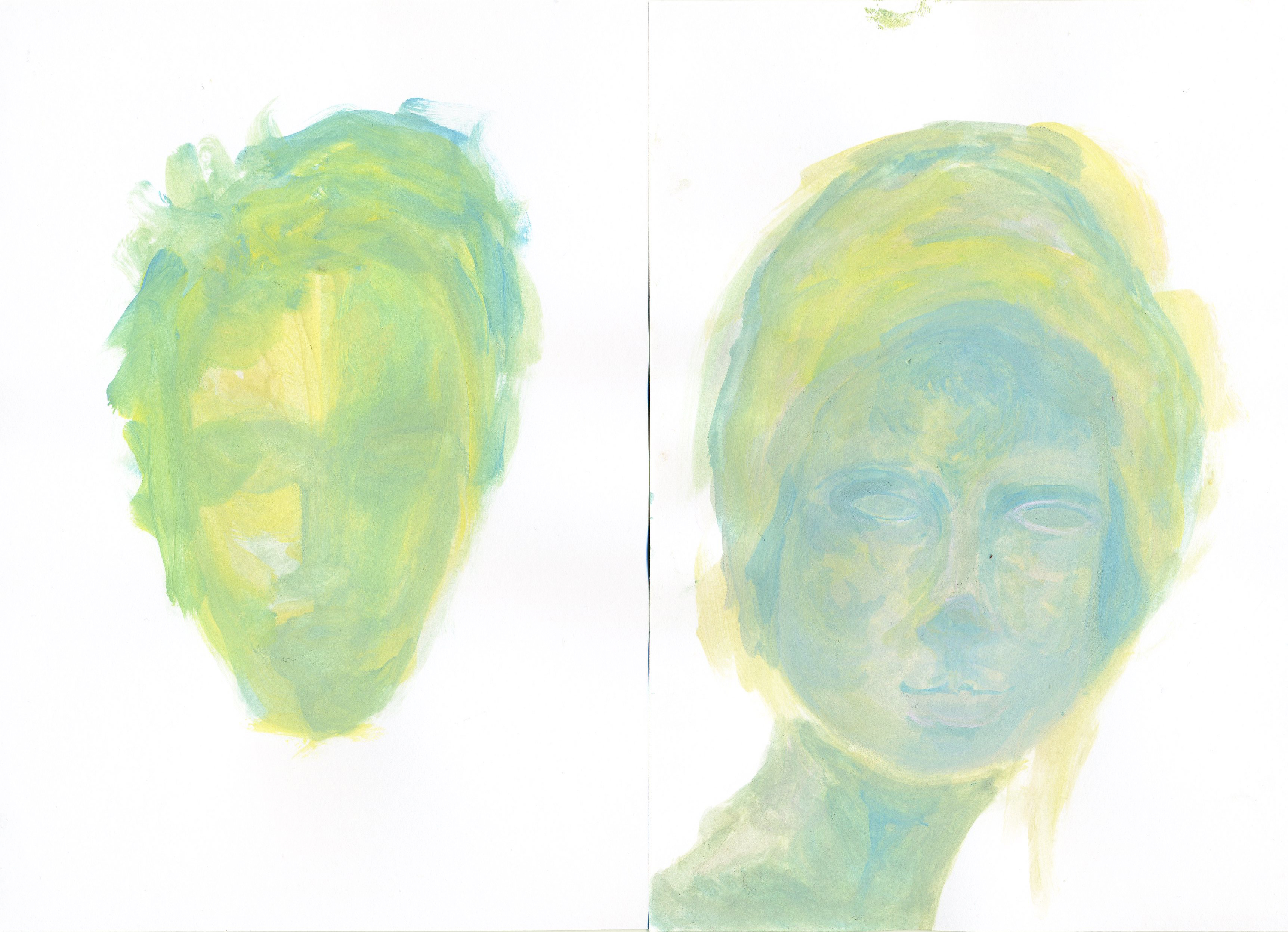
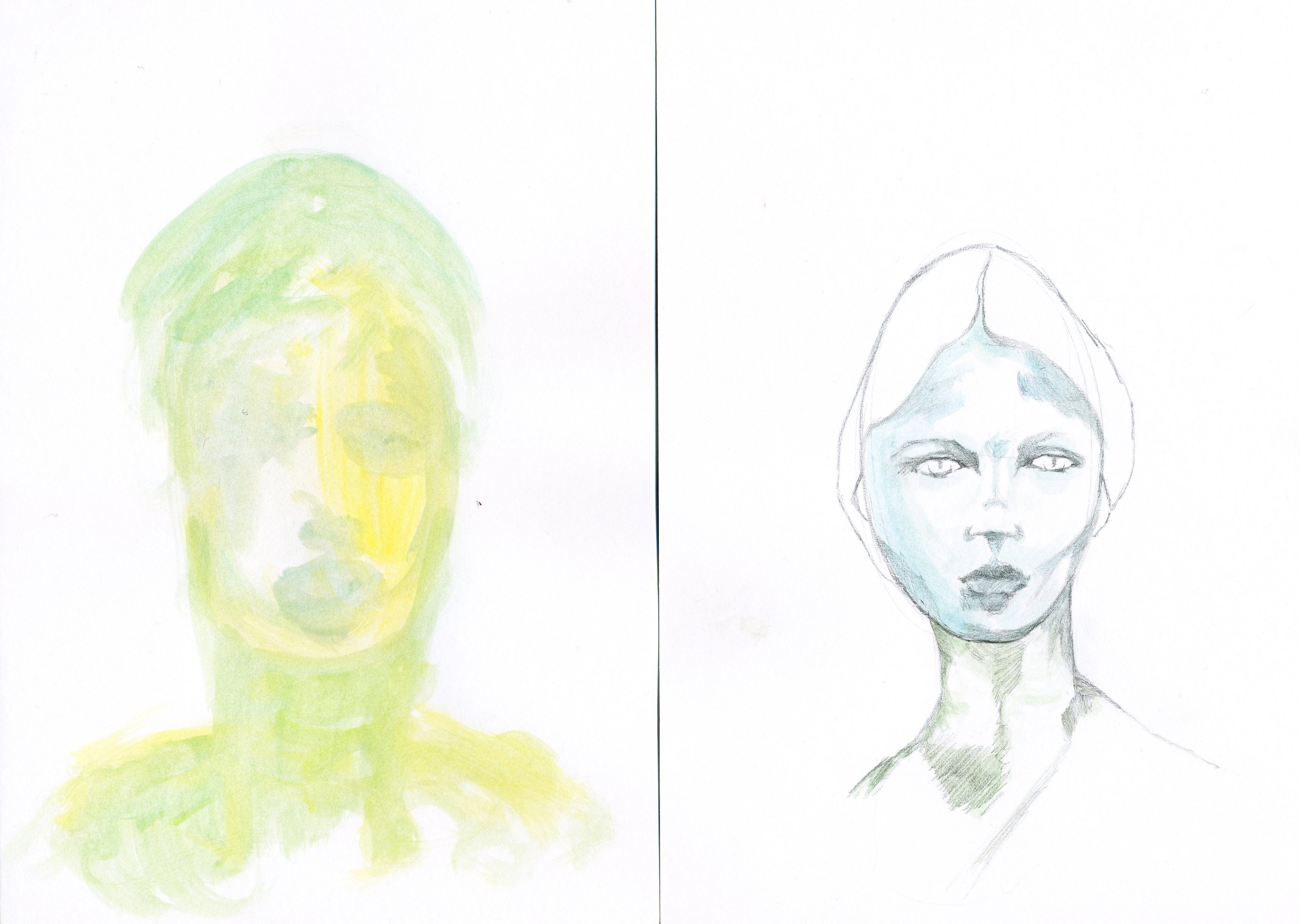

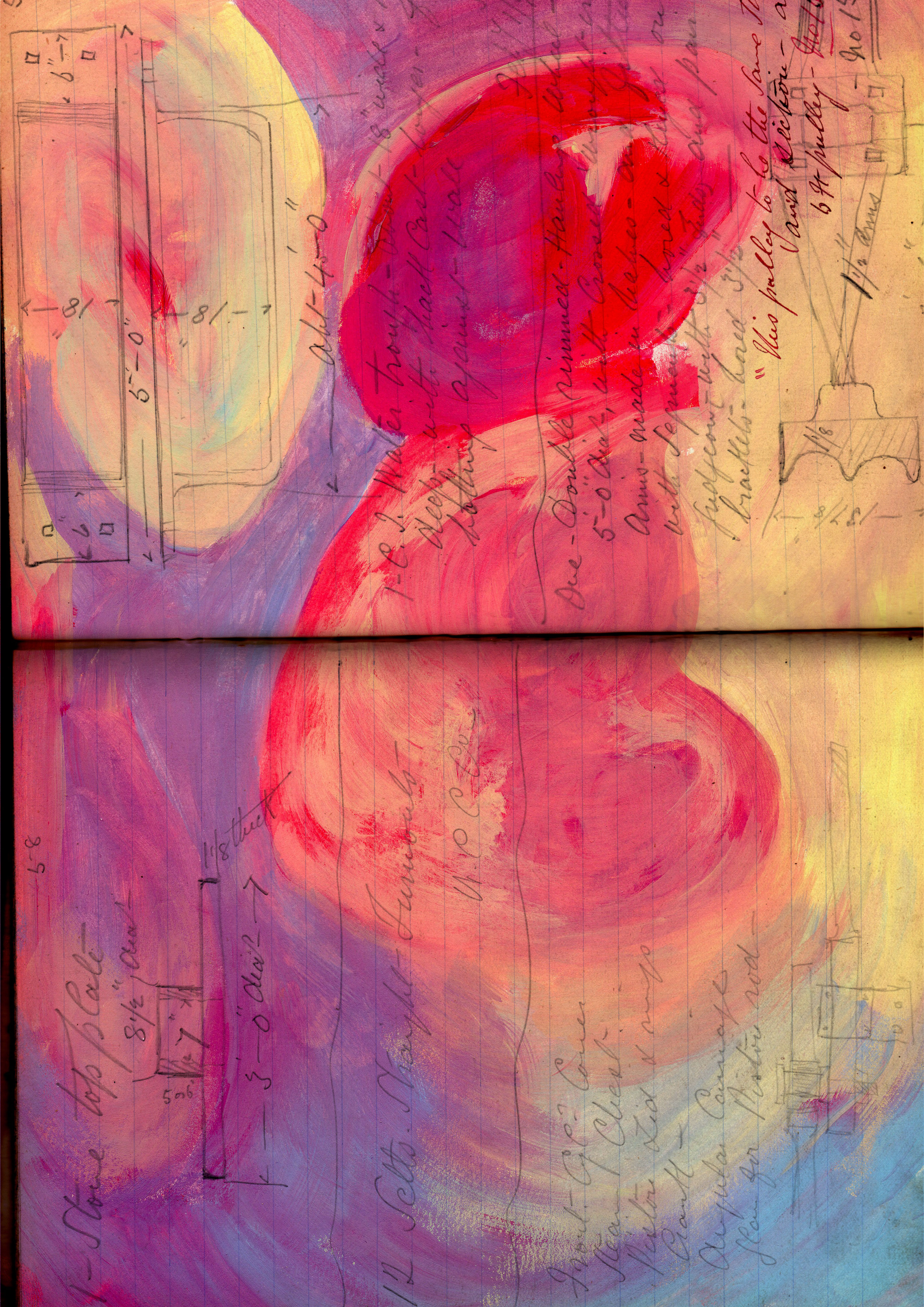
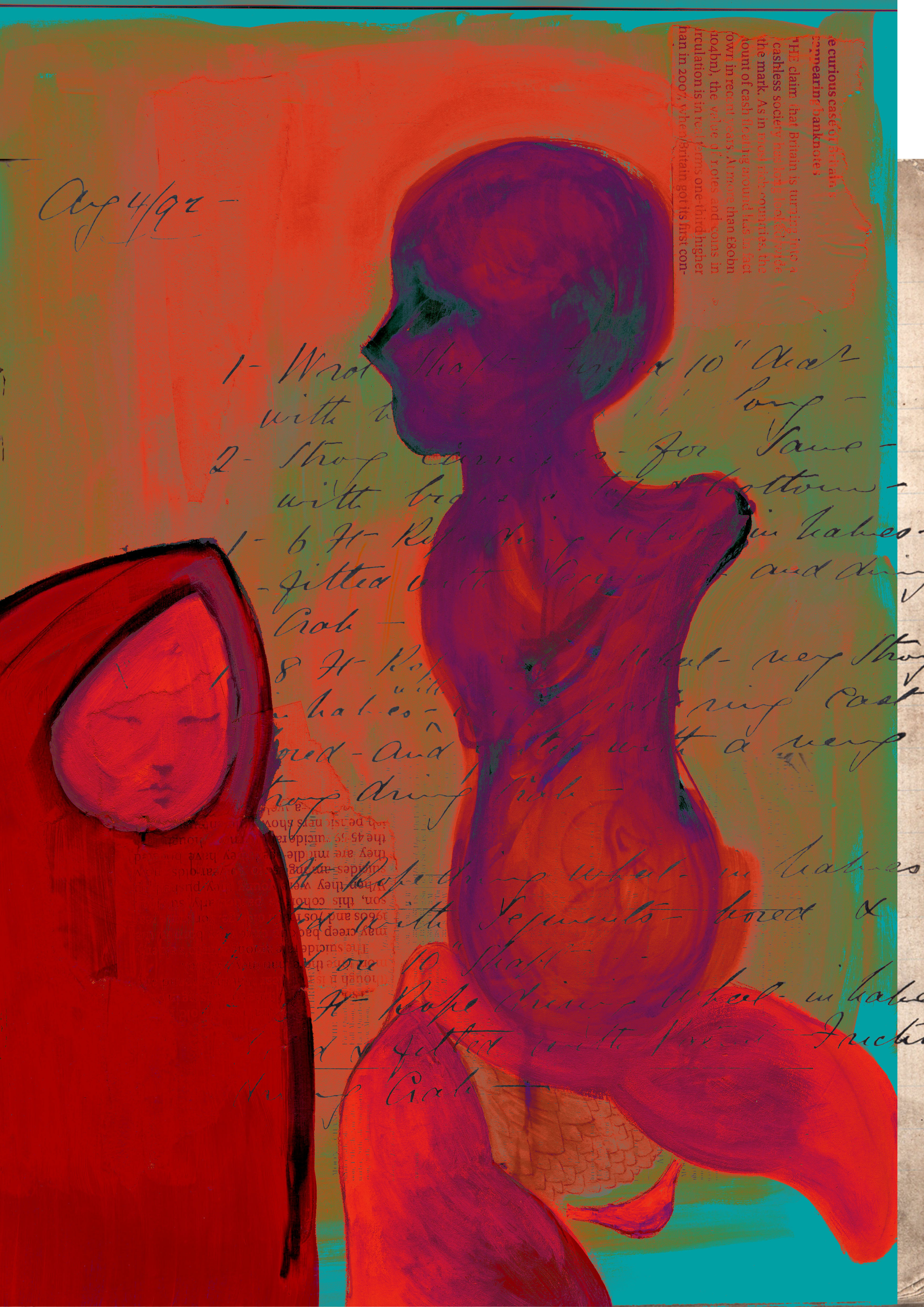
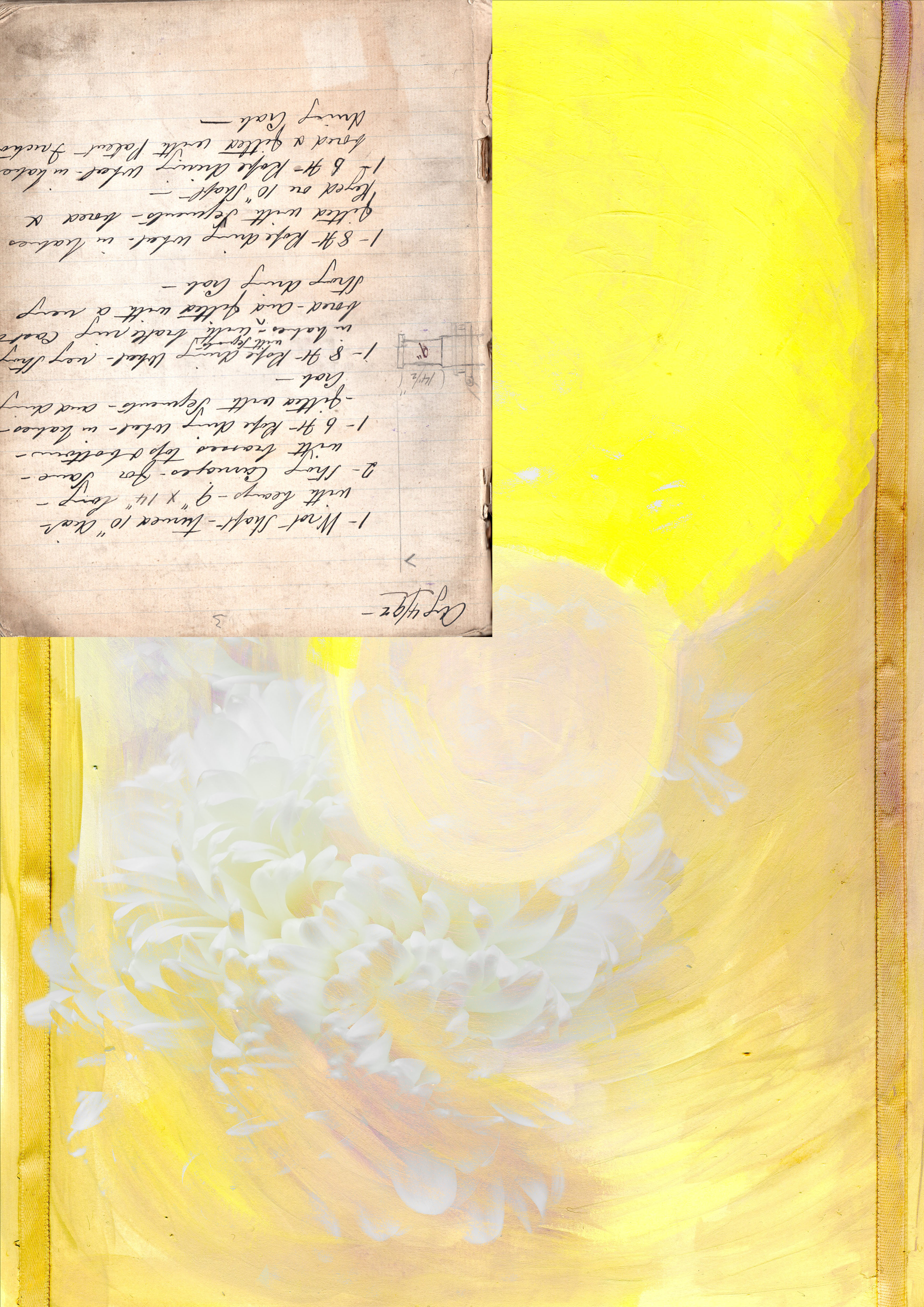

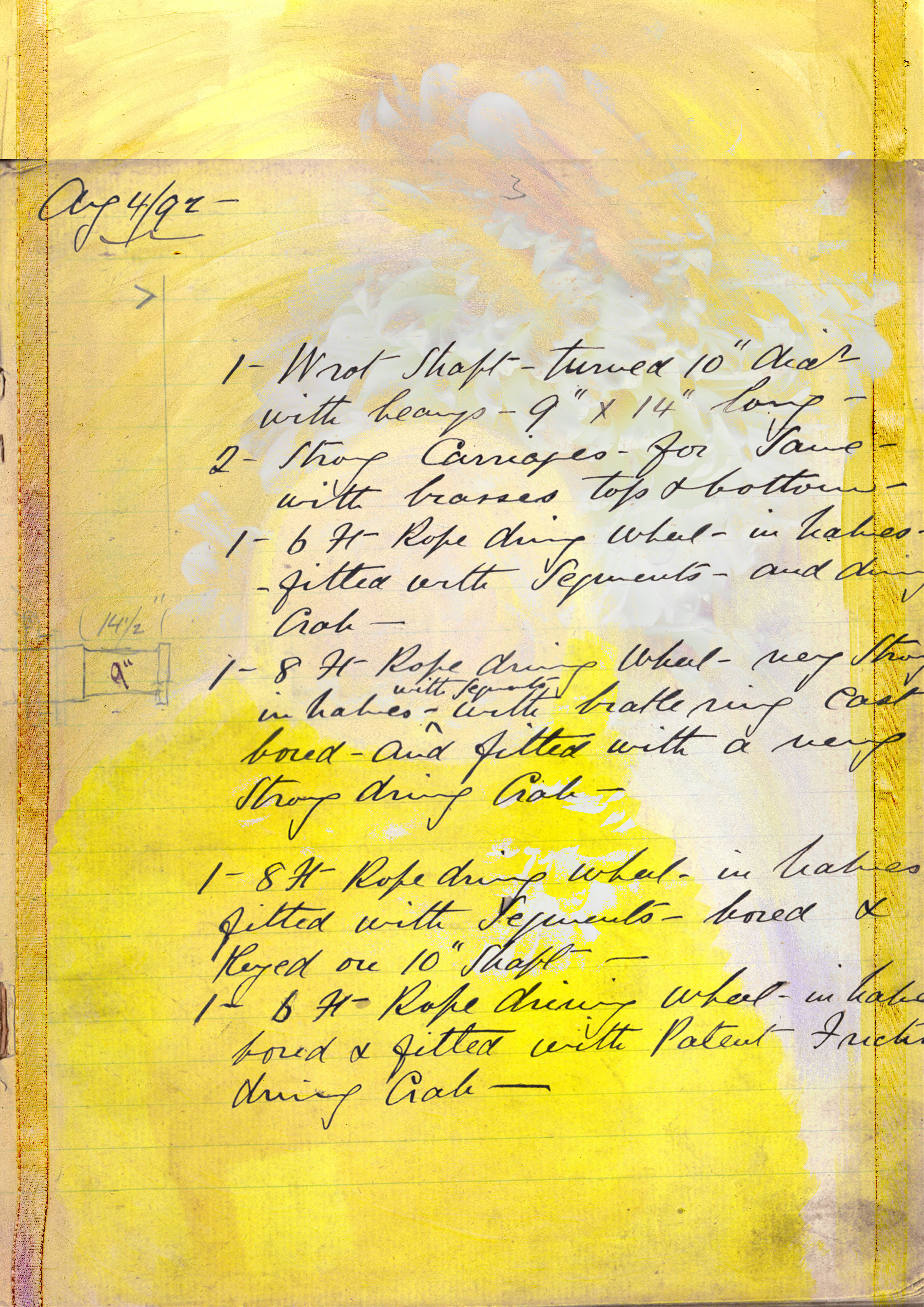


Week_04
Design Development
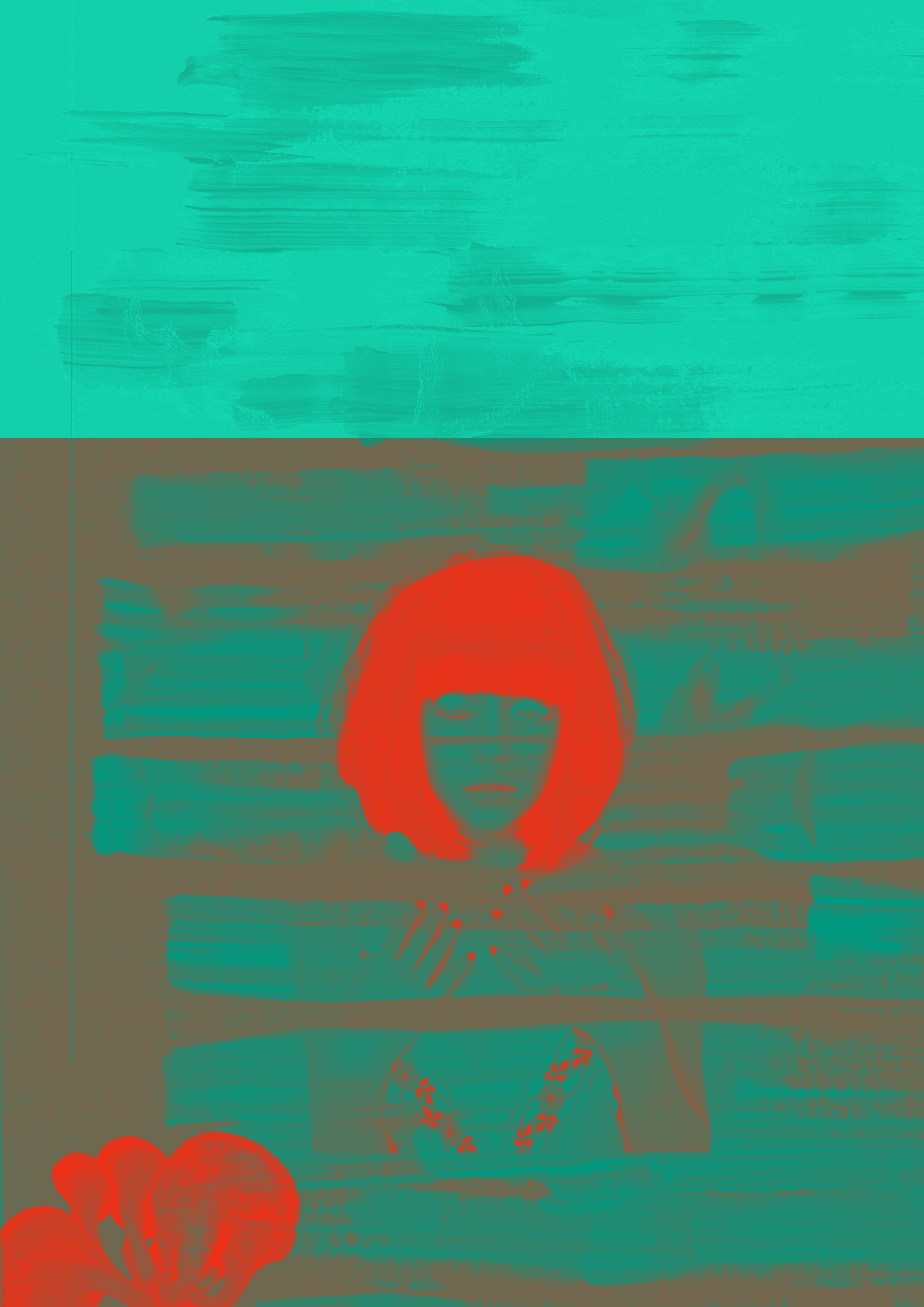
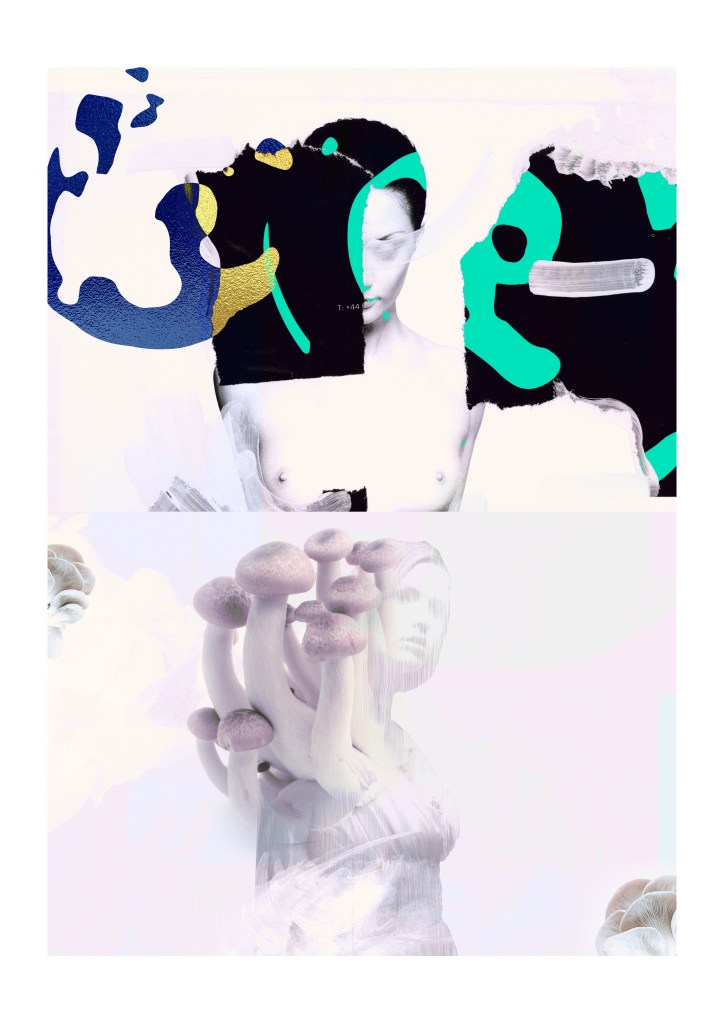
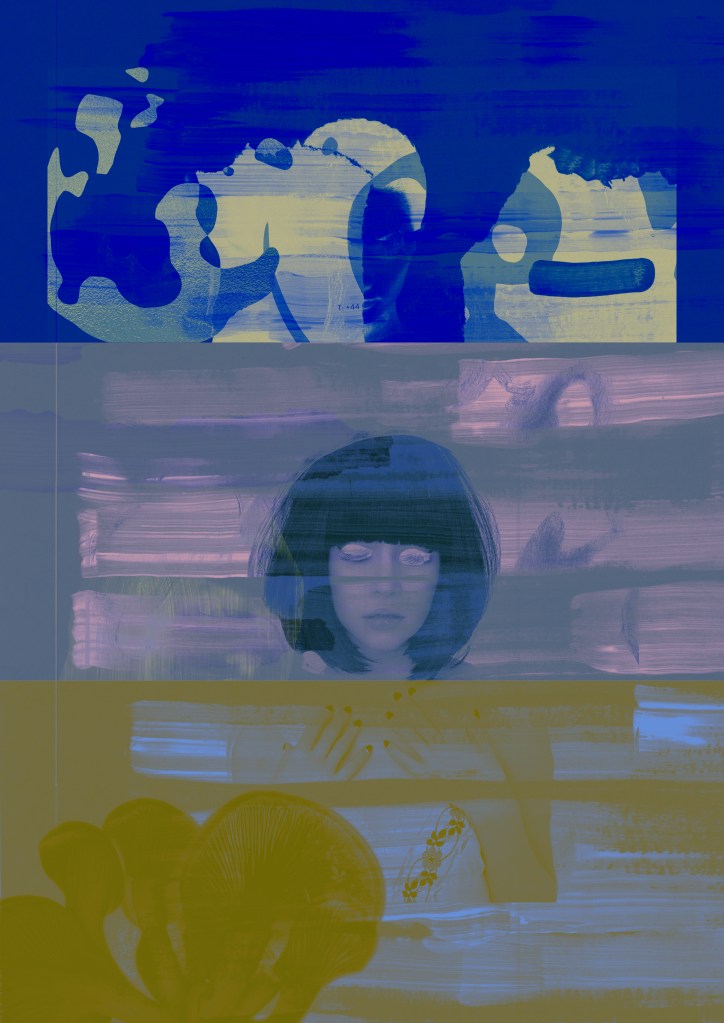
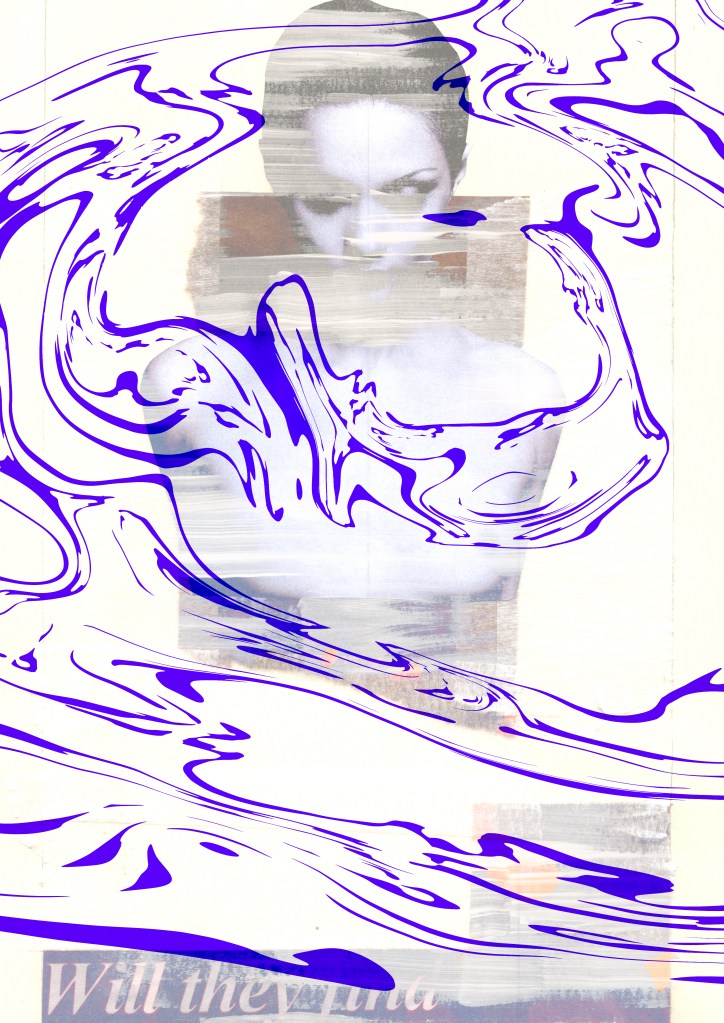
Single-page designs.
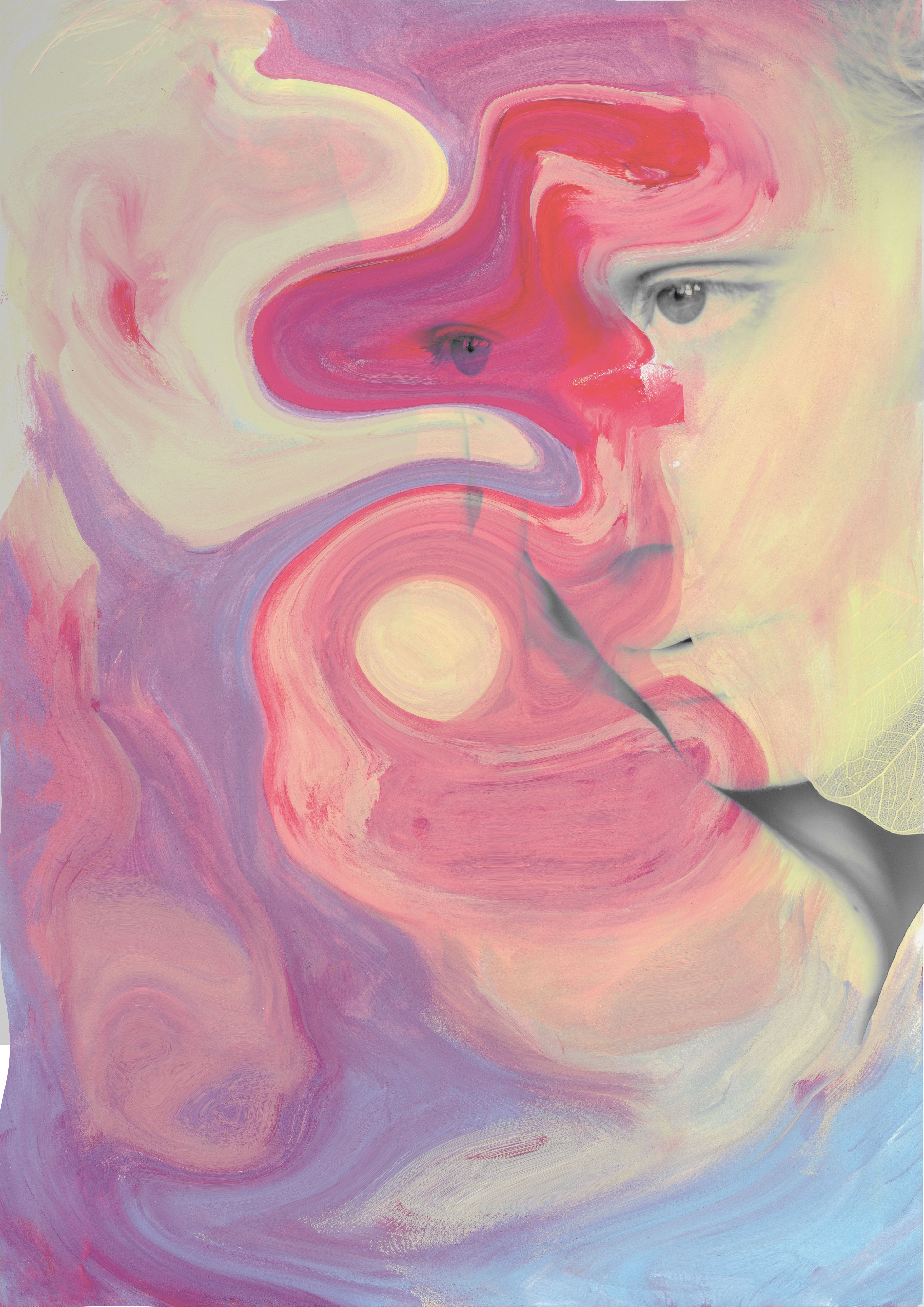
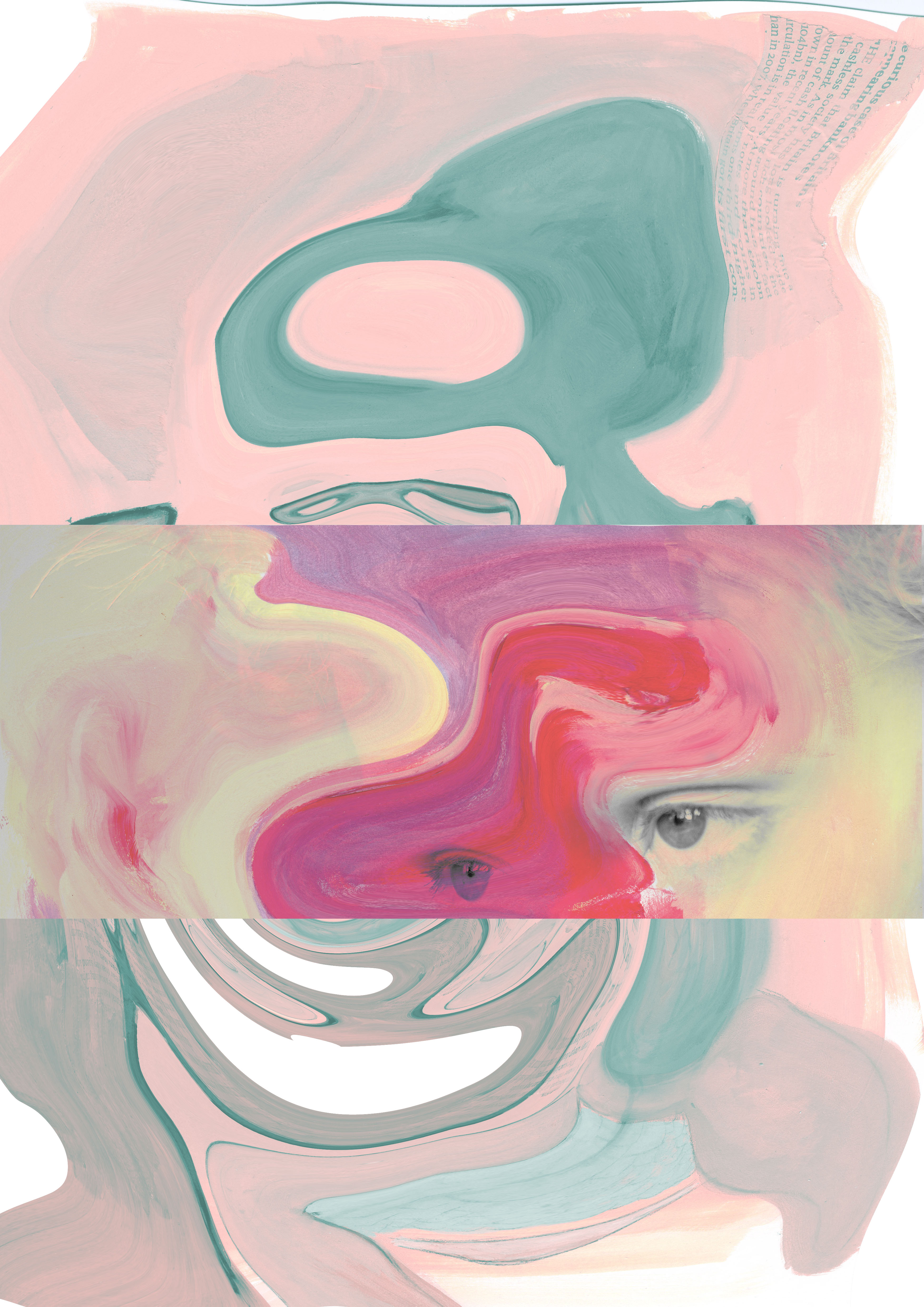
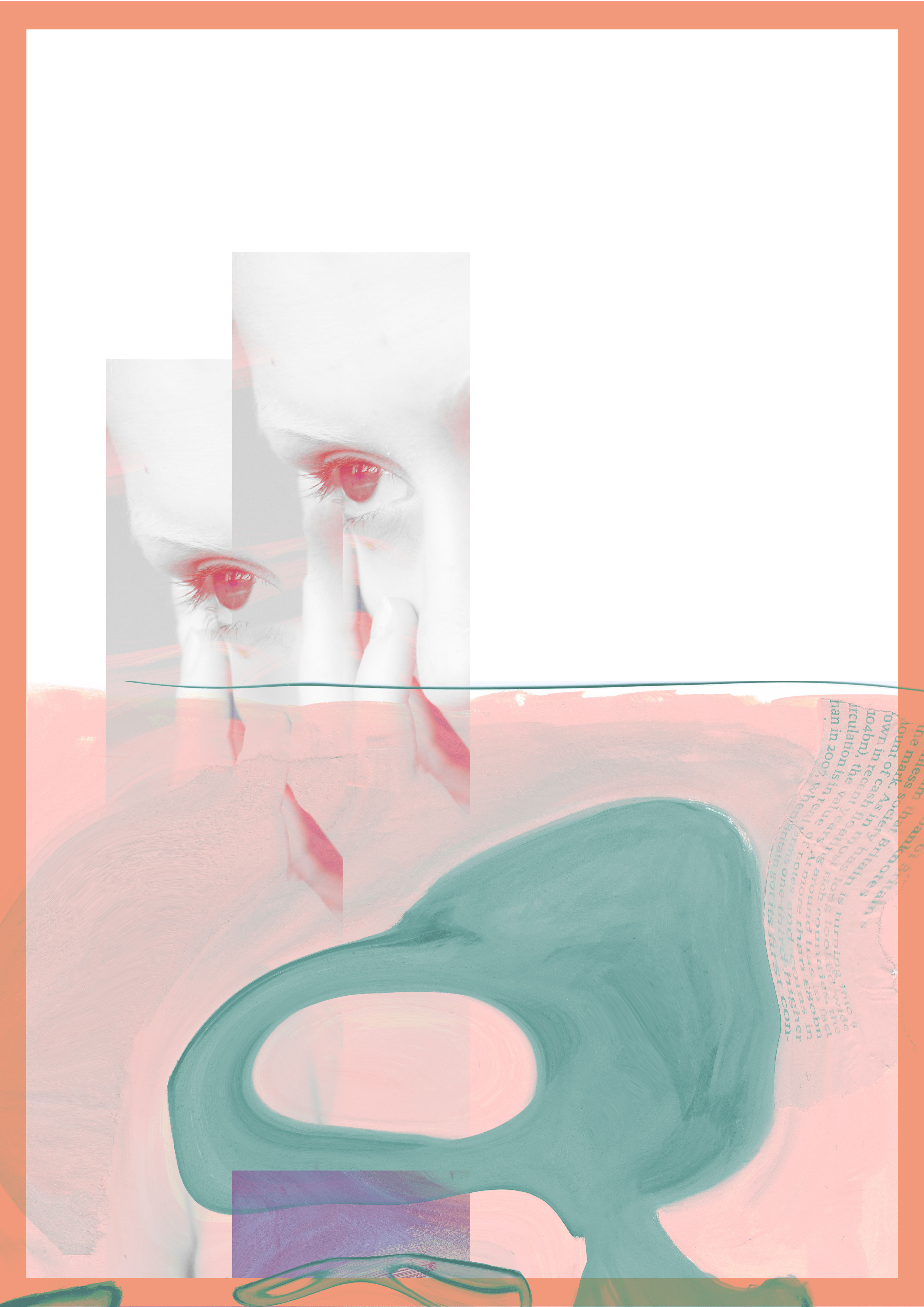
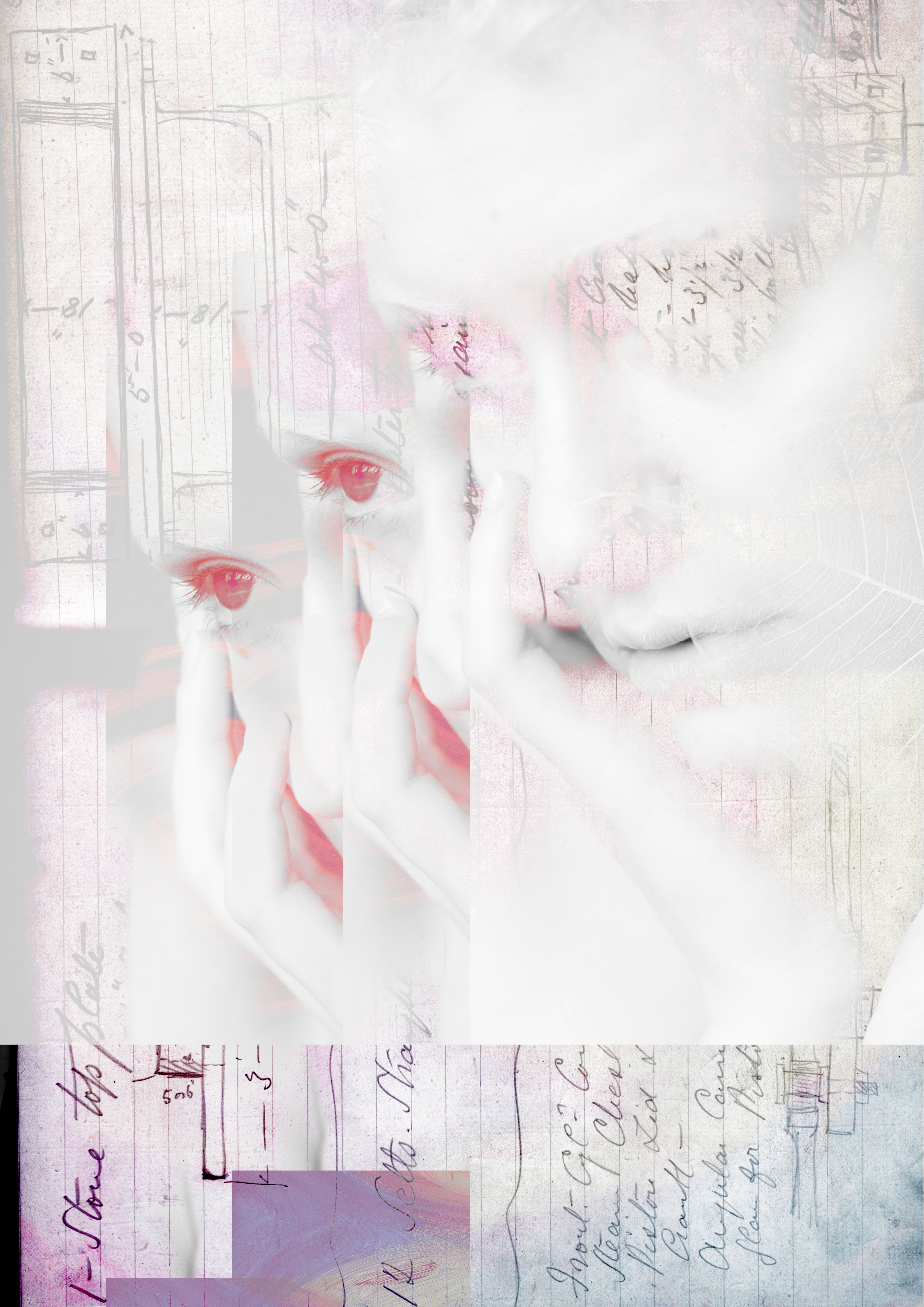
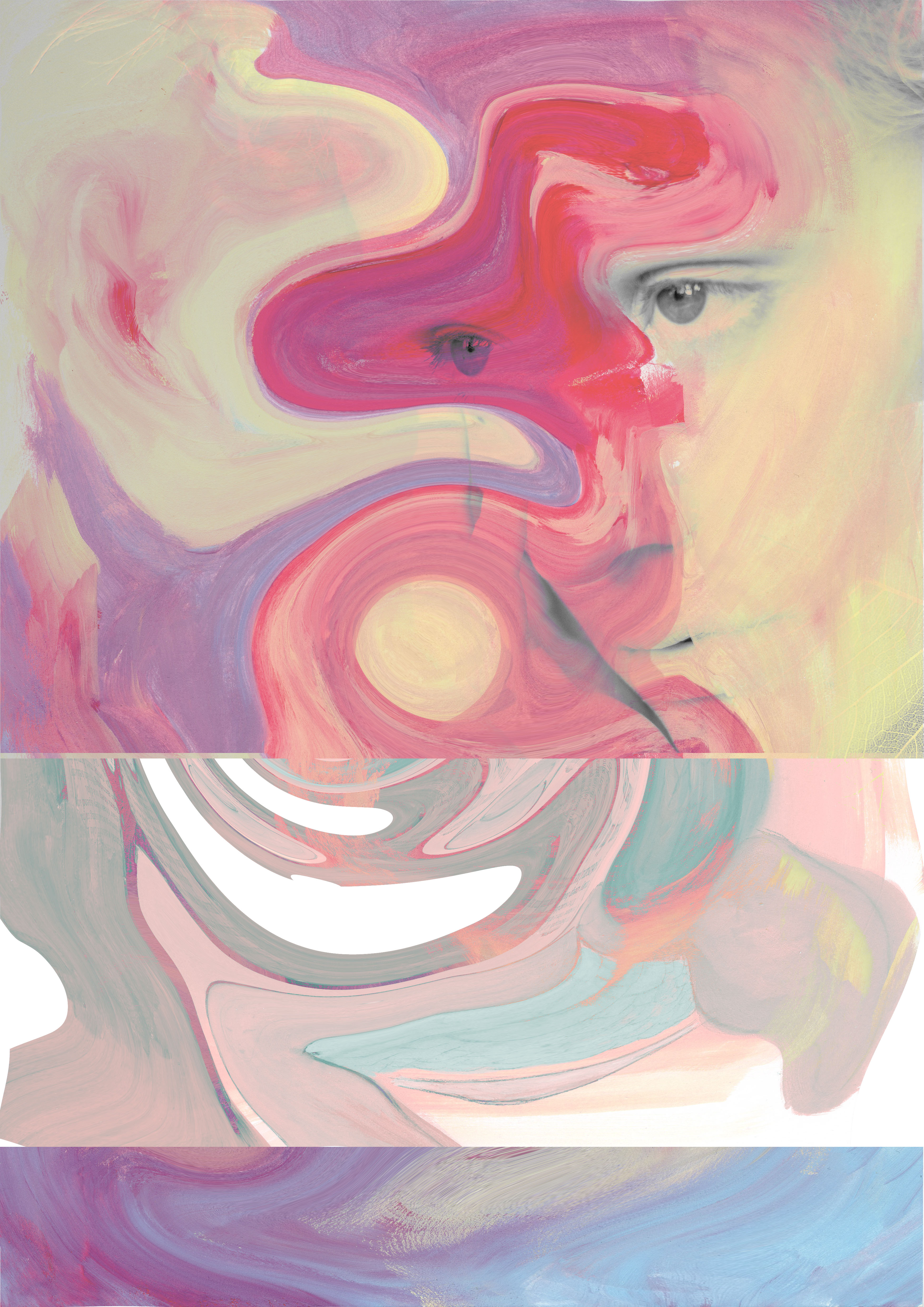
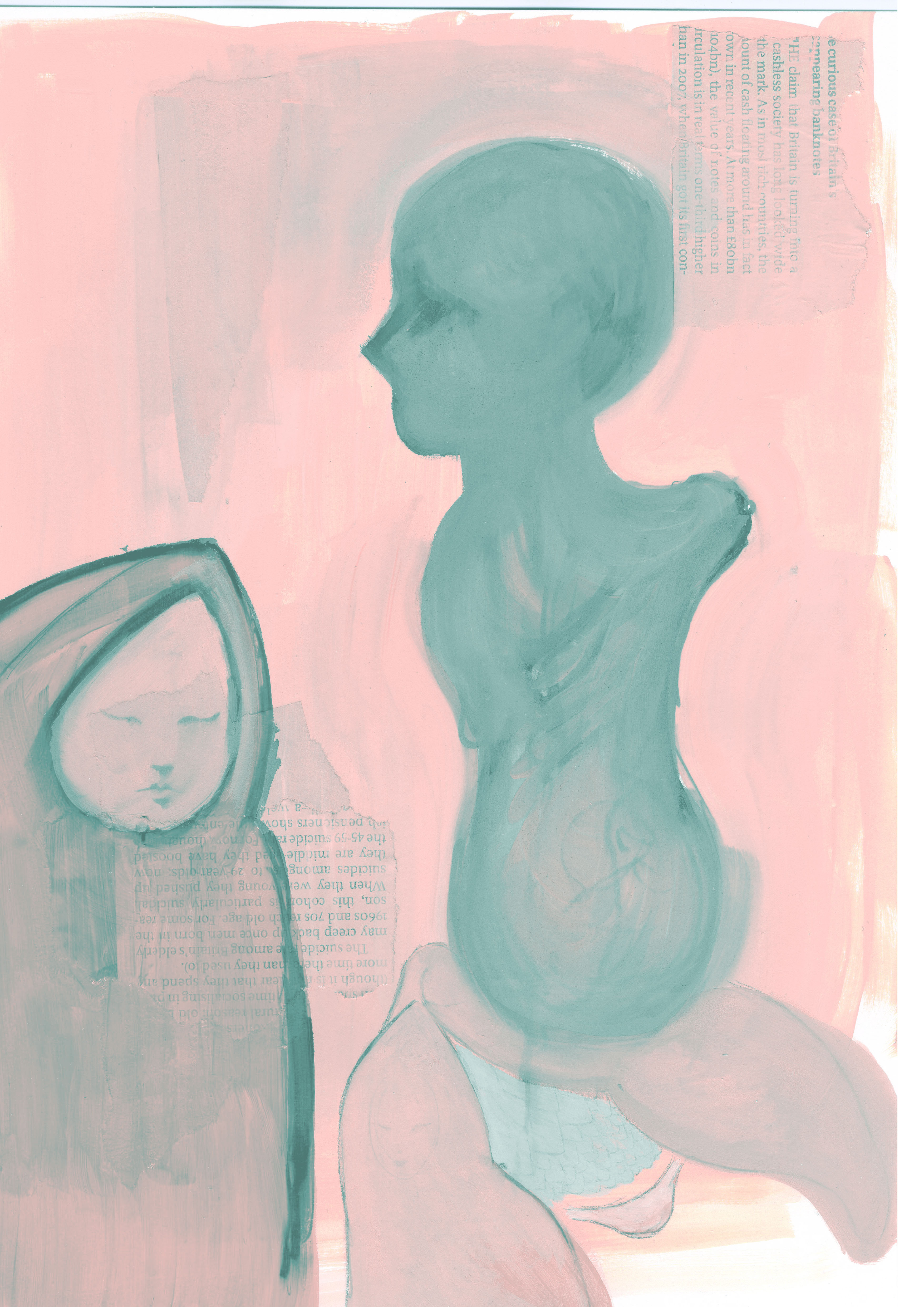
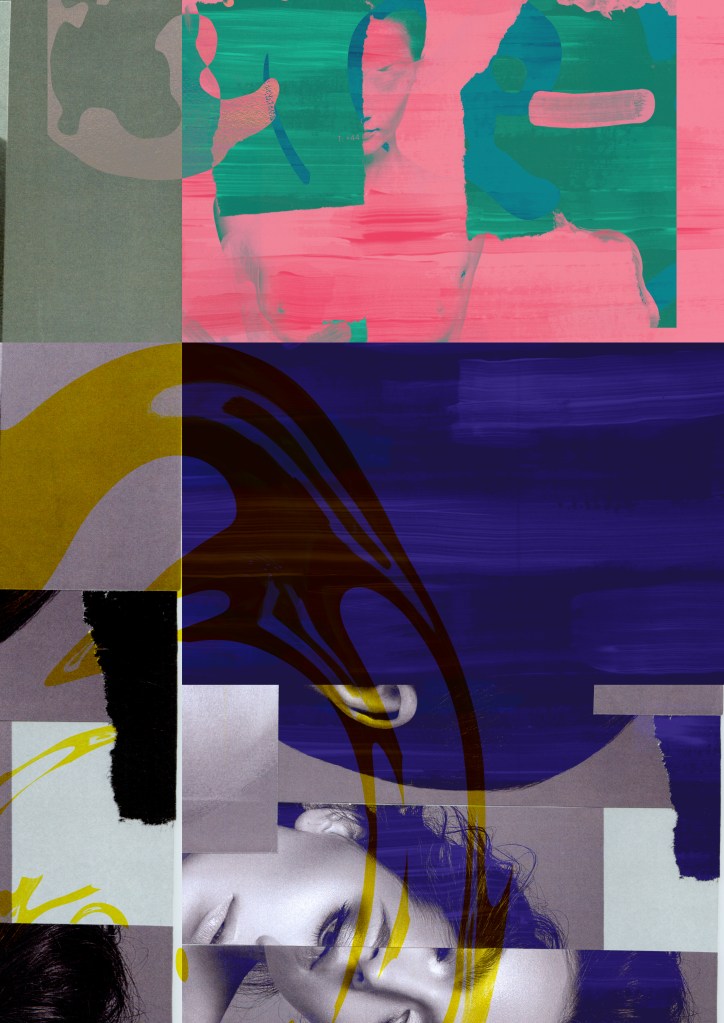
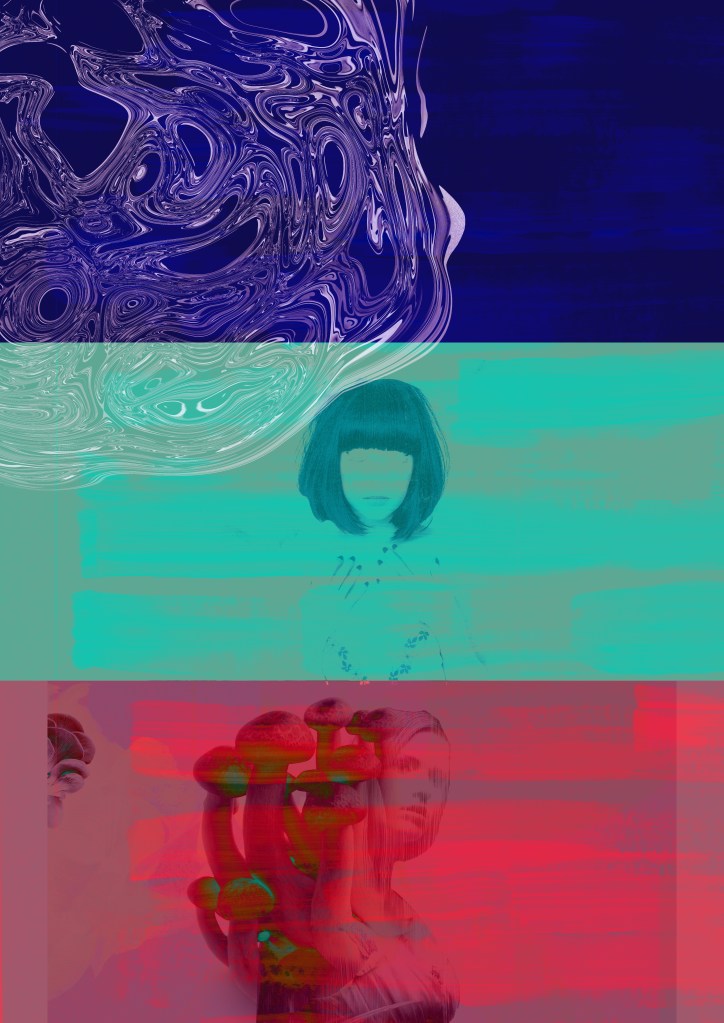
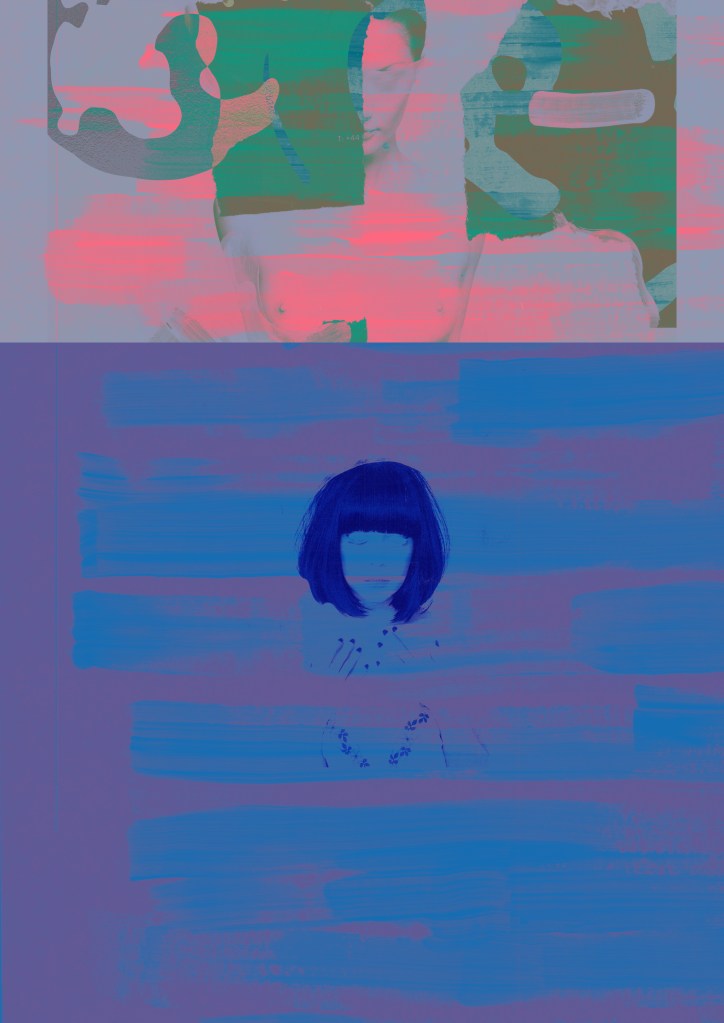
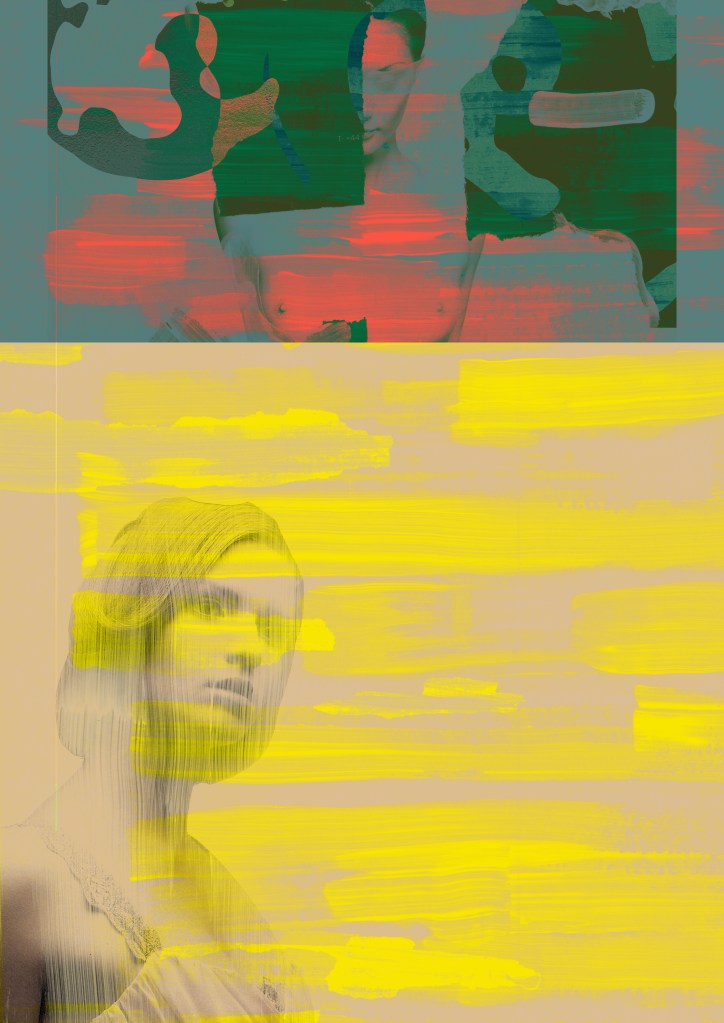
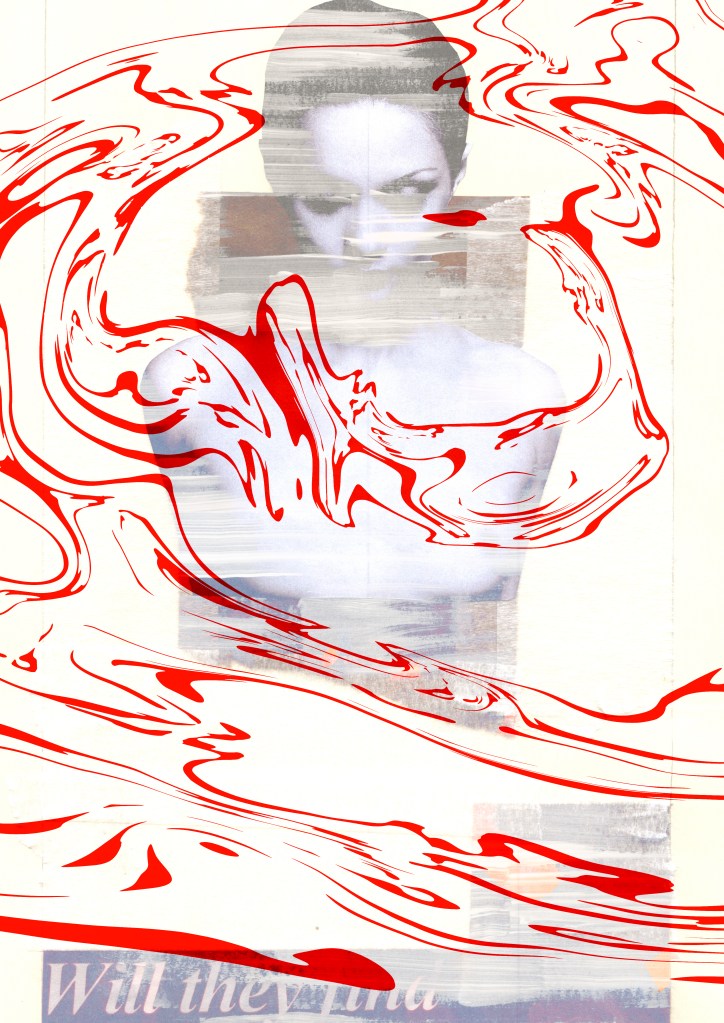
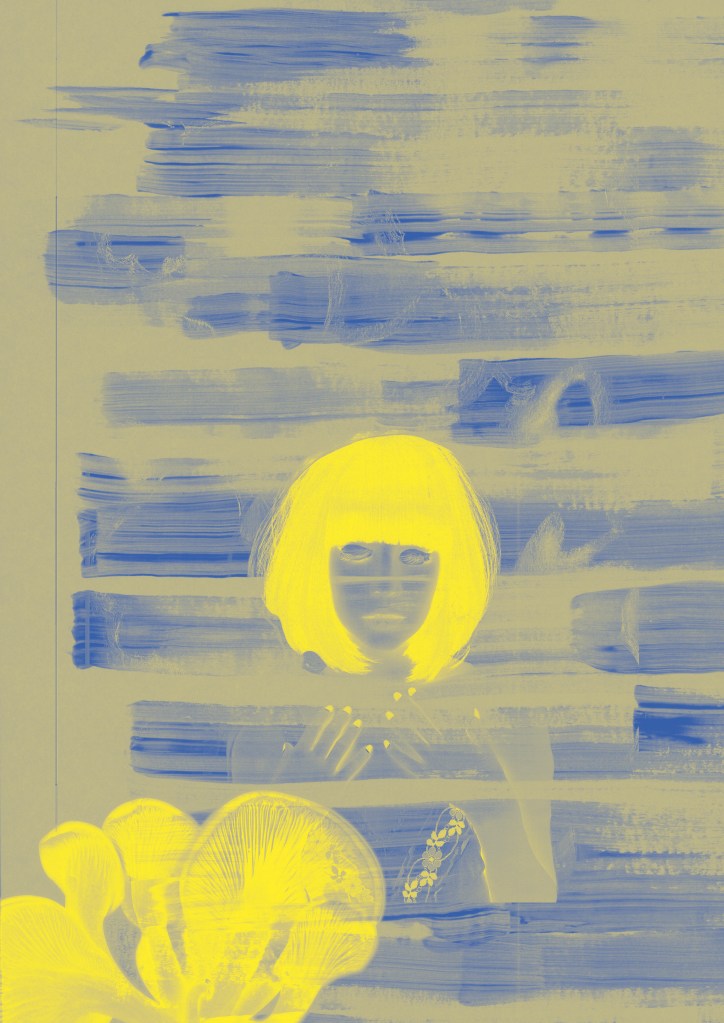
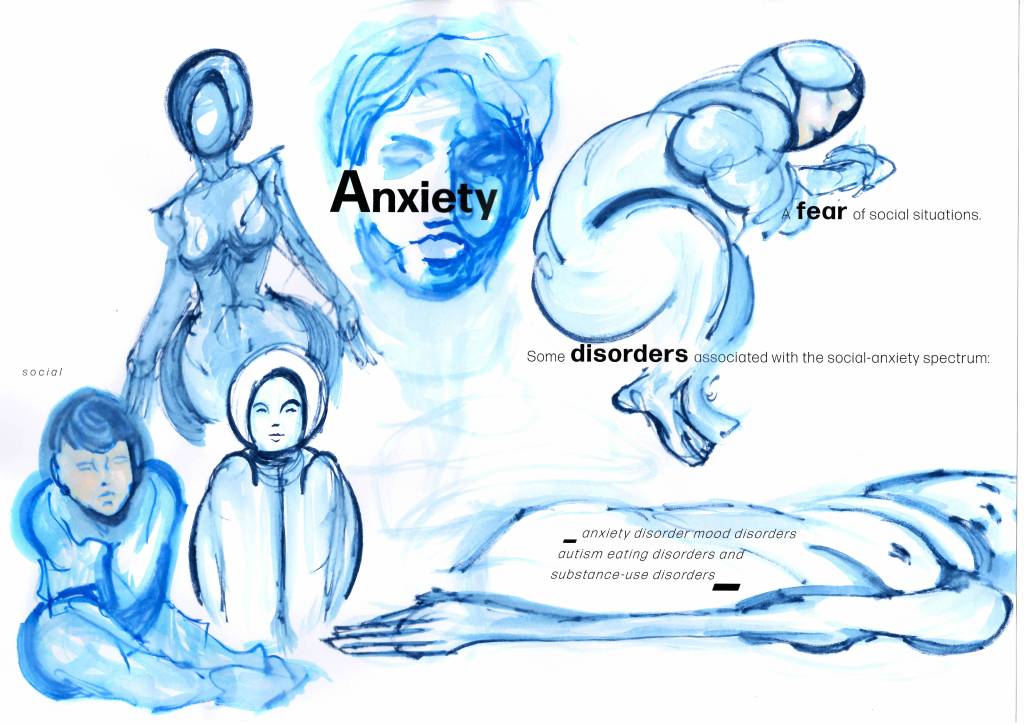
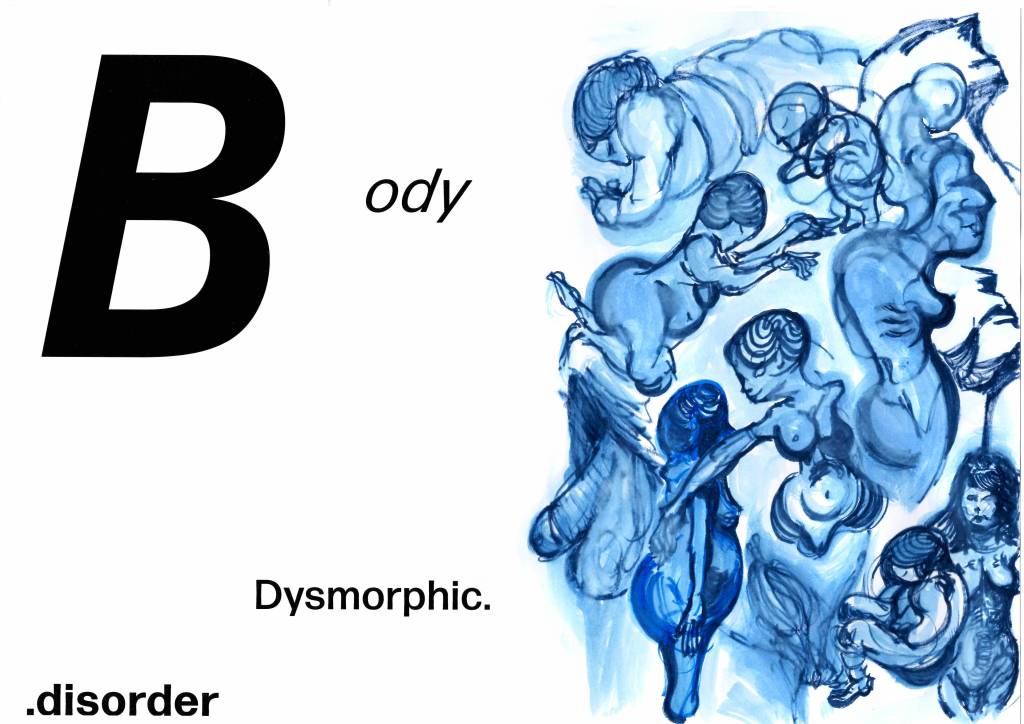
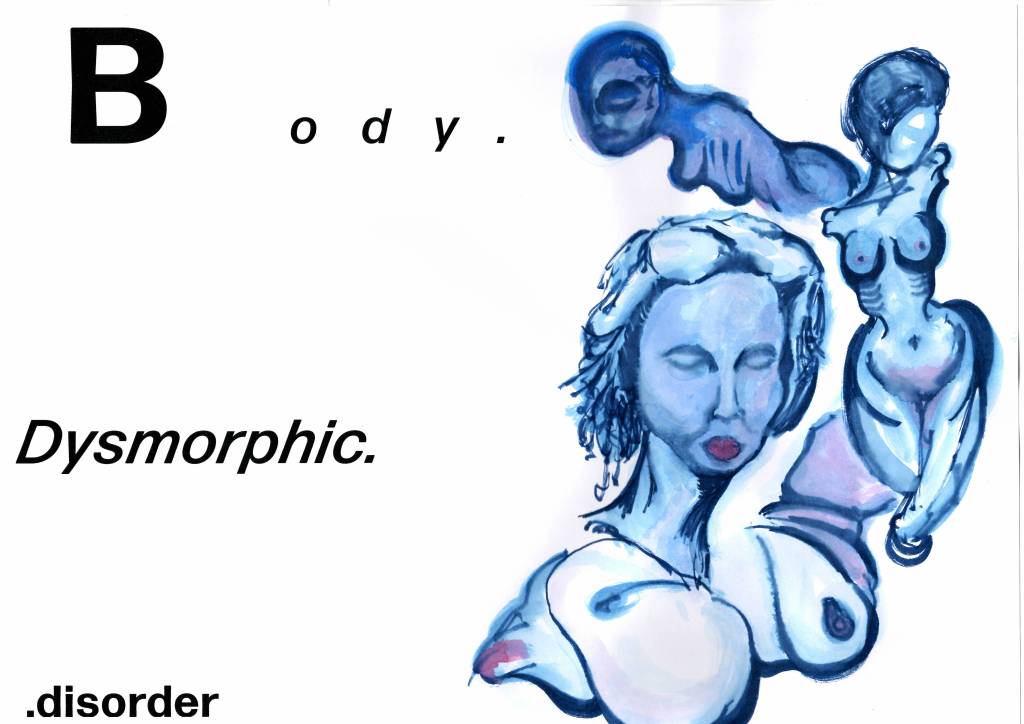
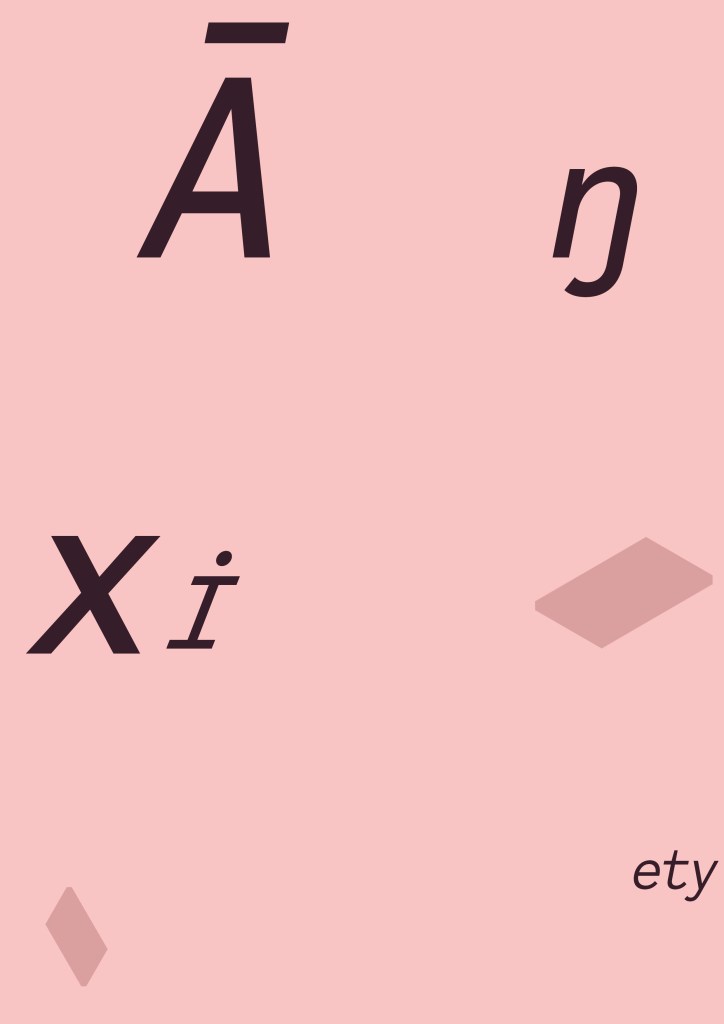
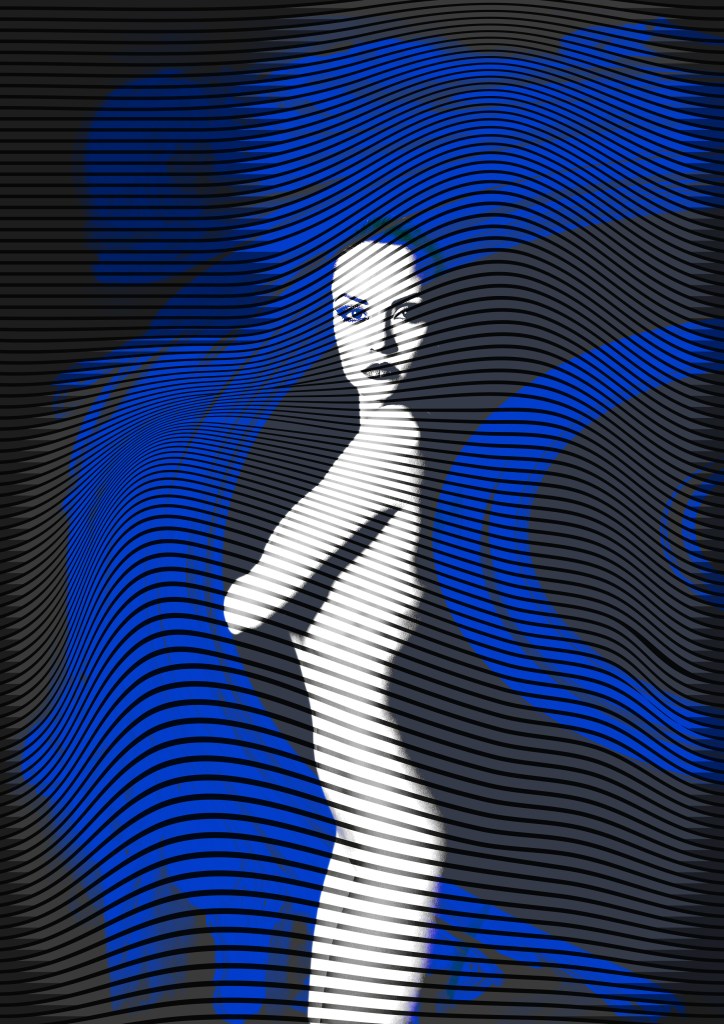
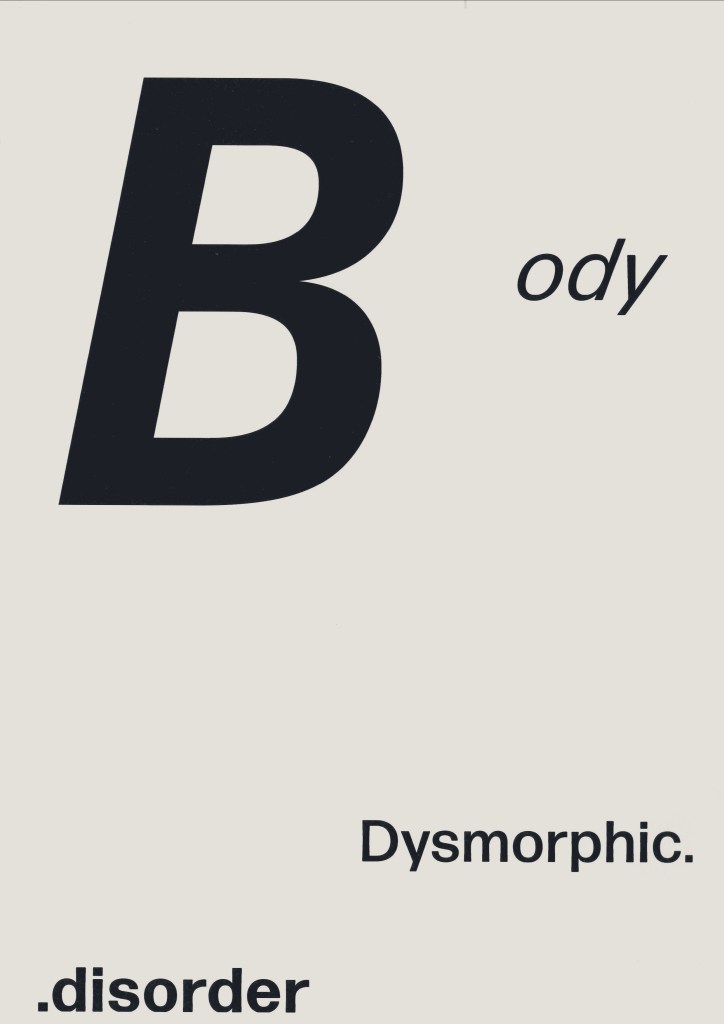
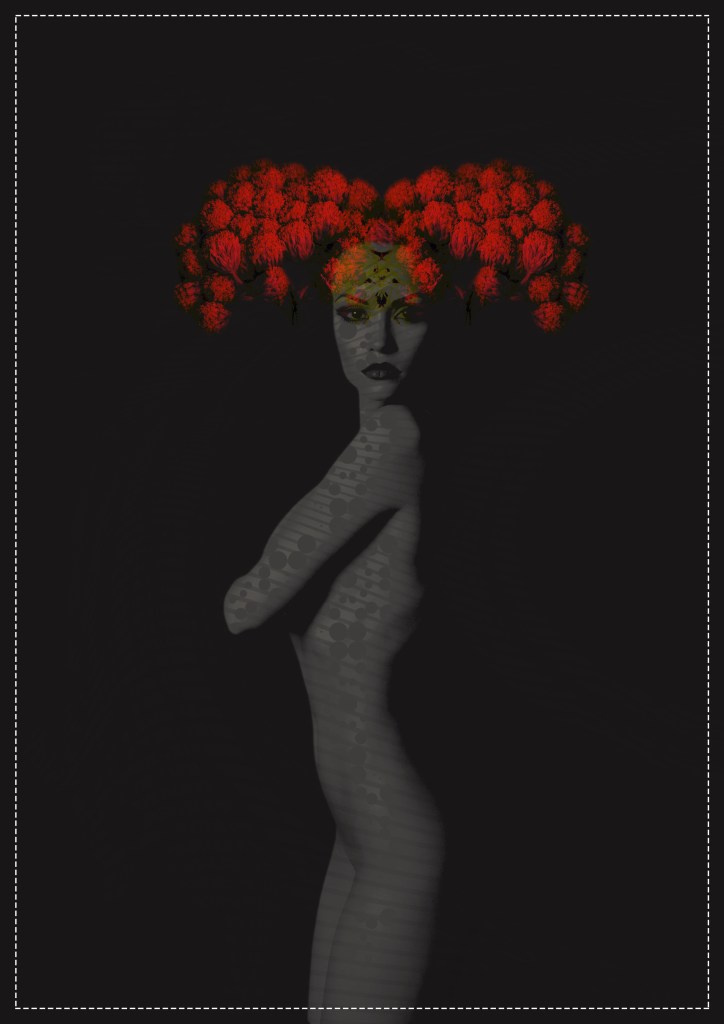
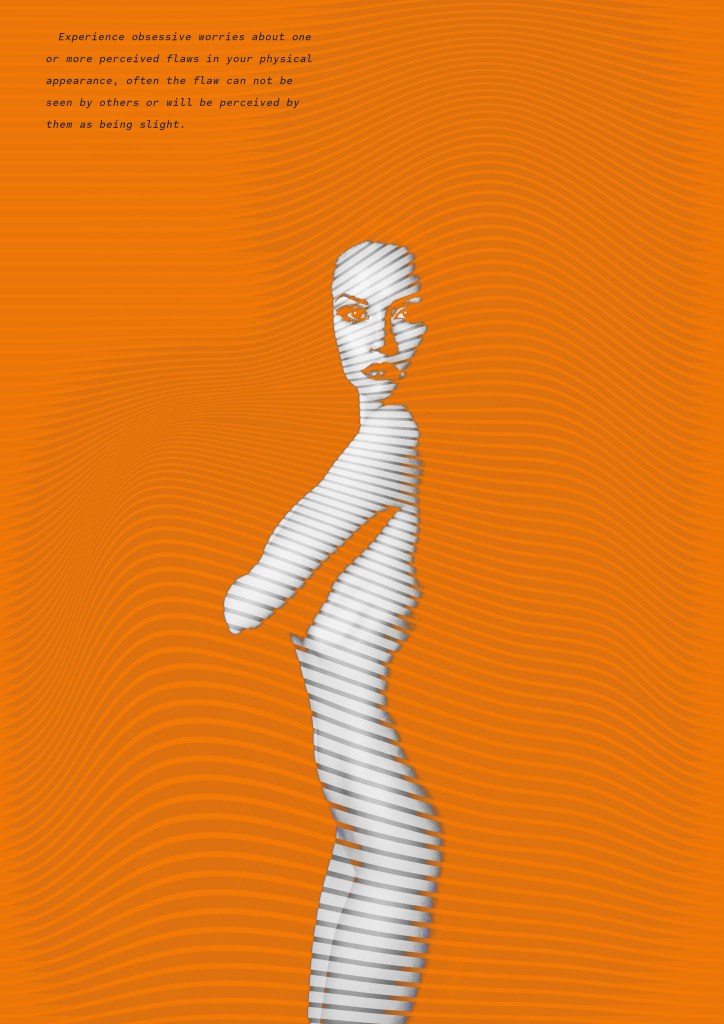
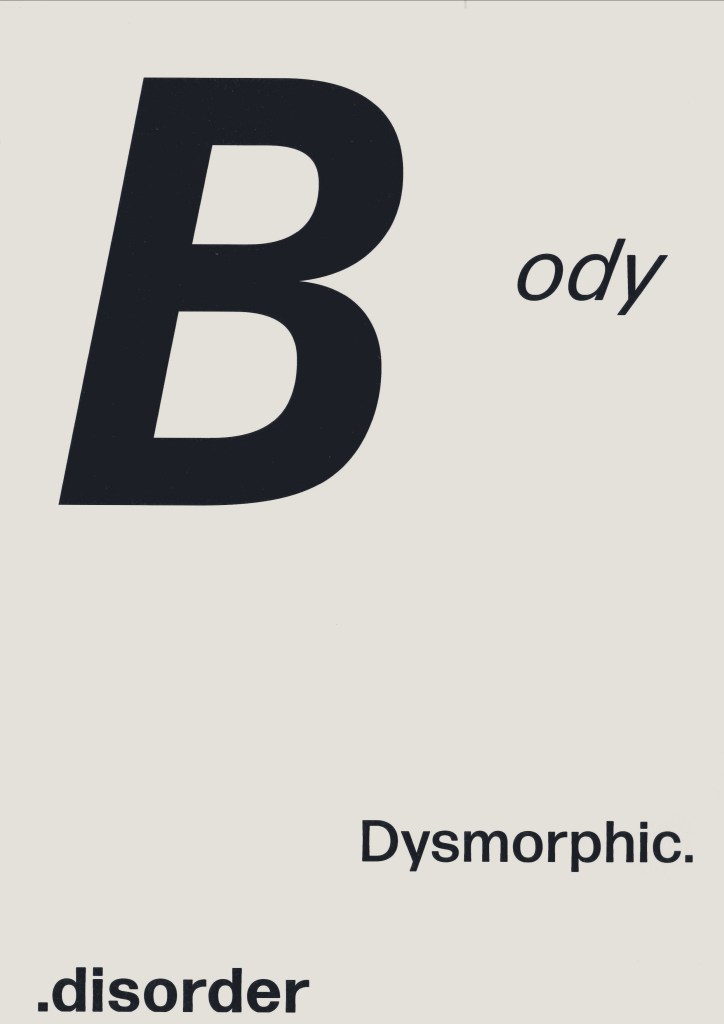
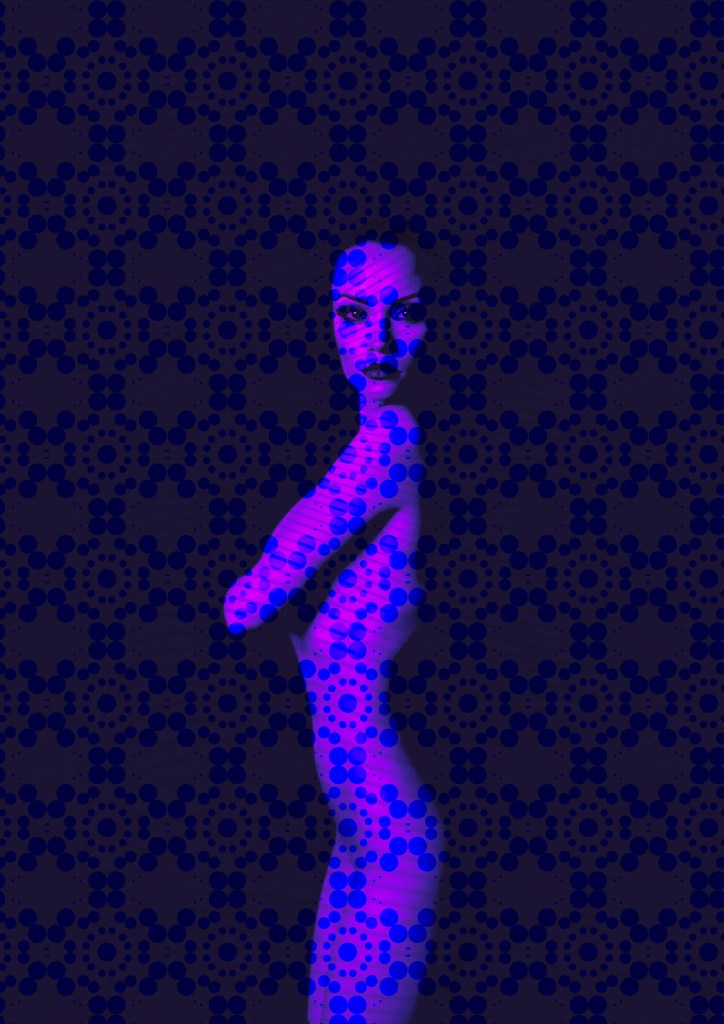
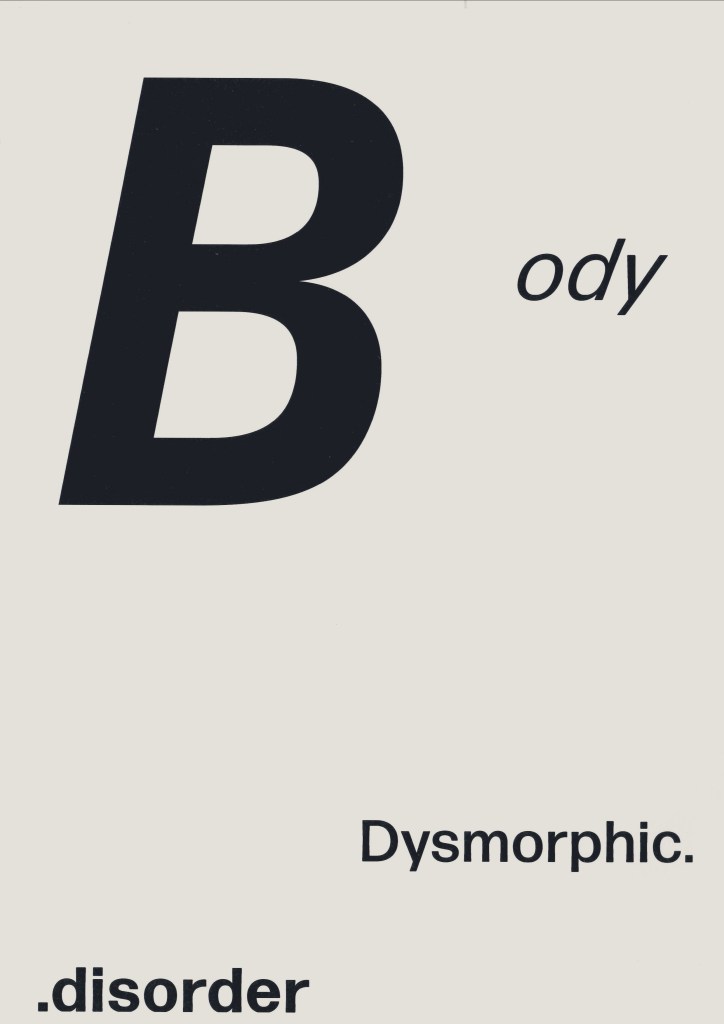
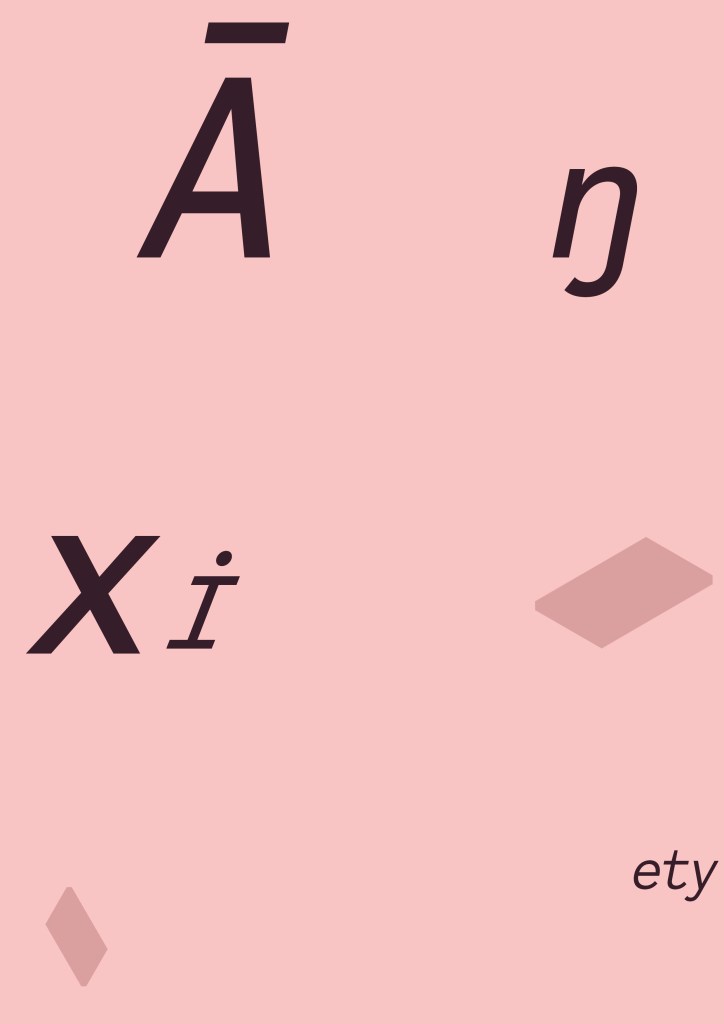
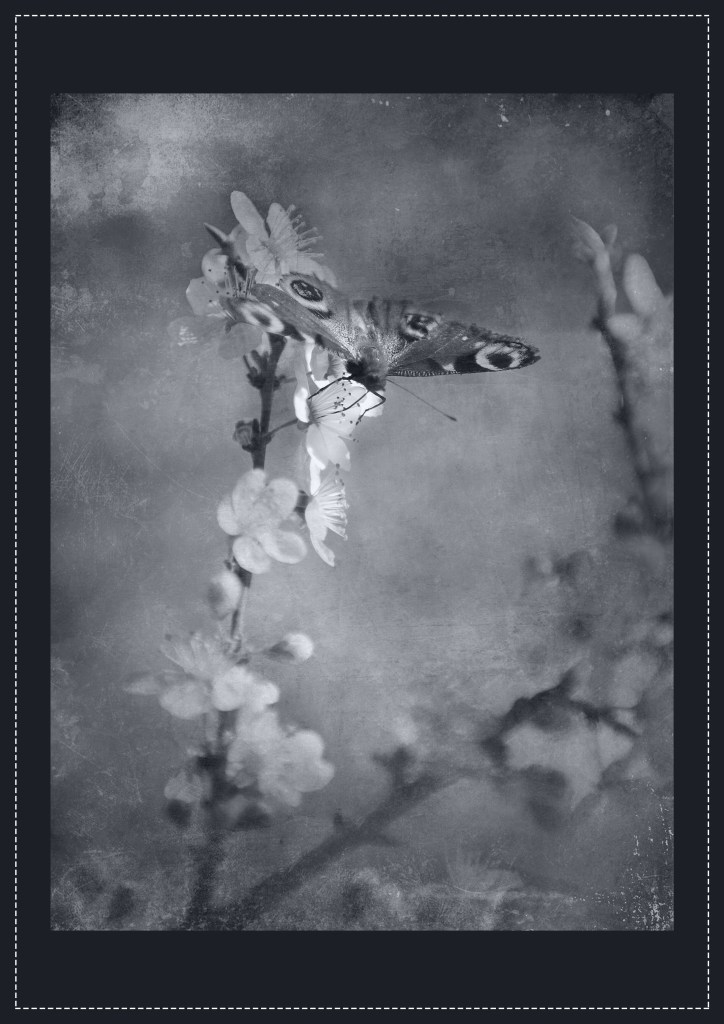
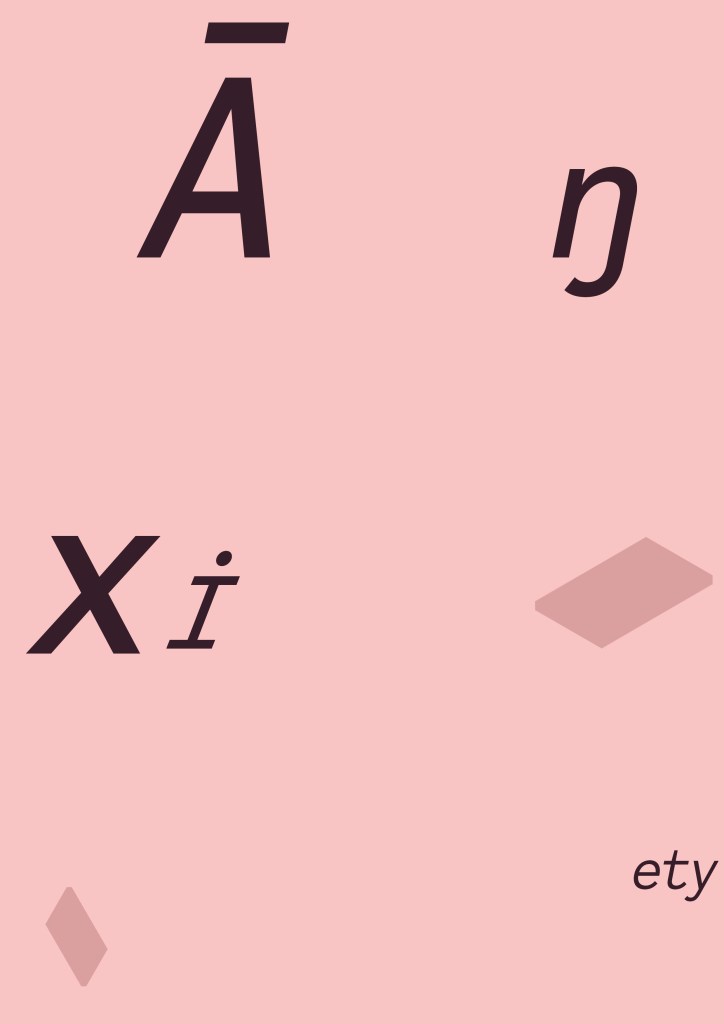
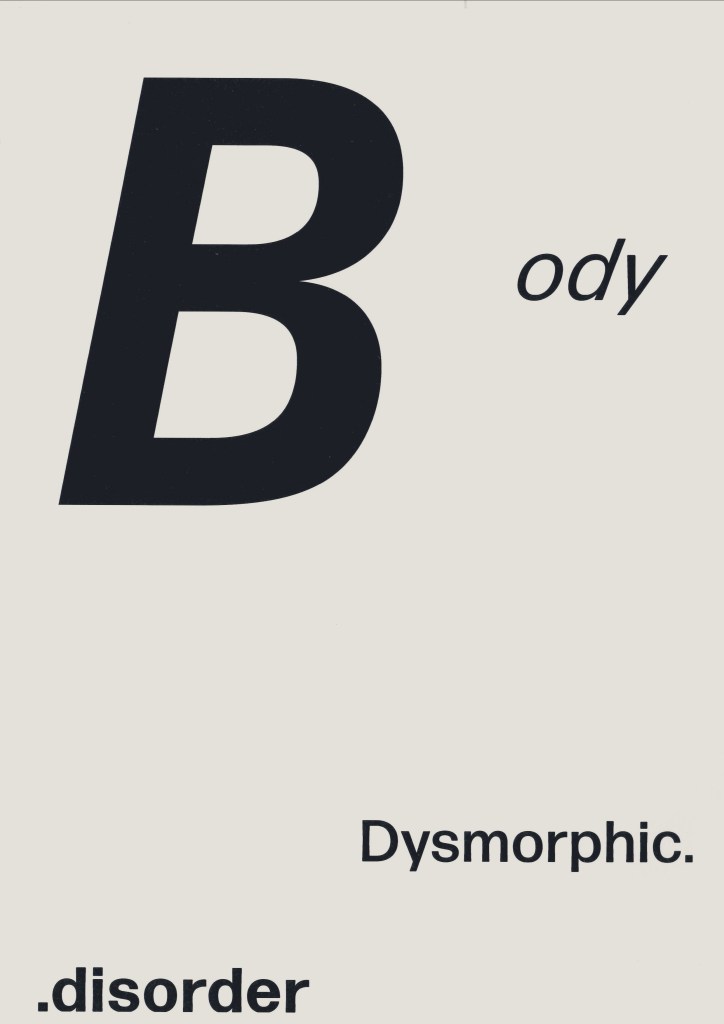
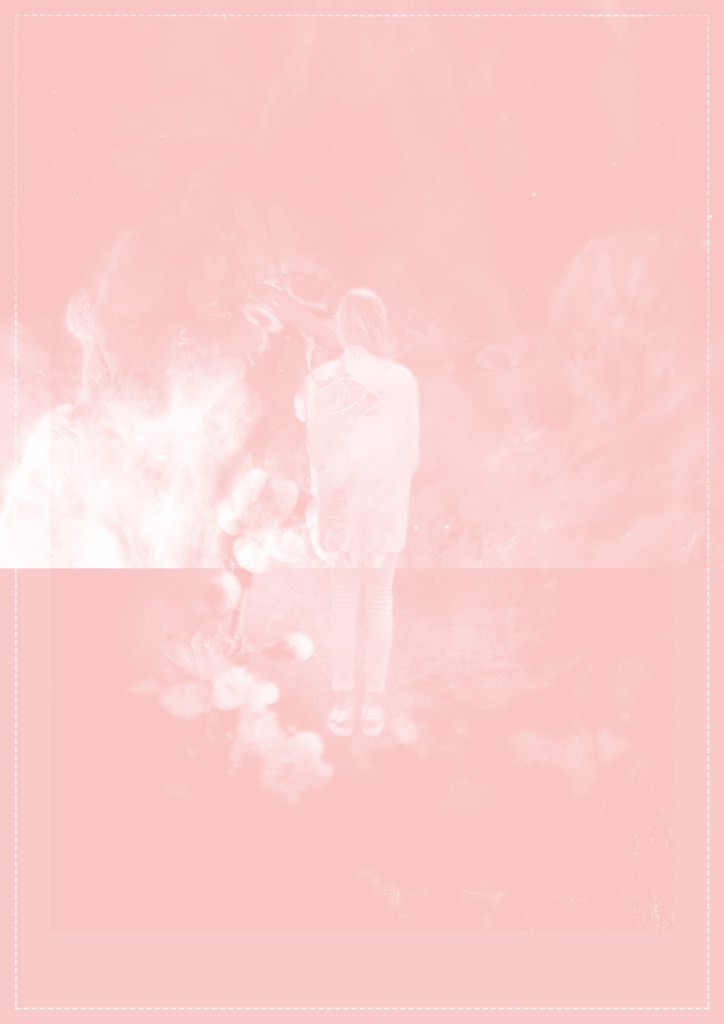
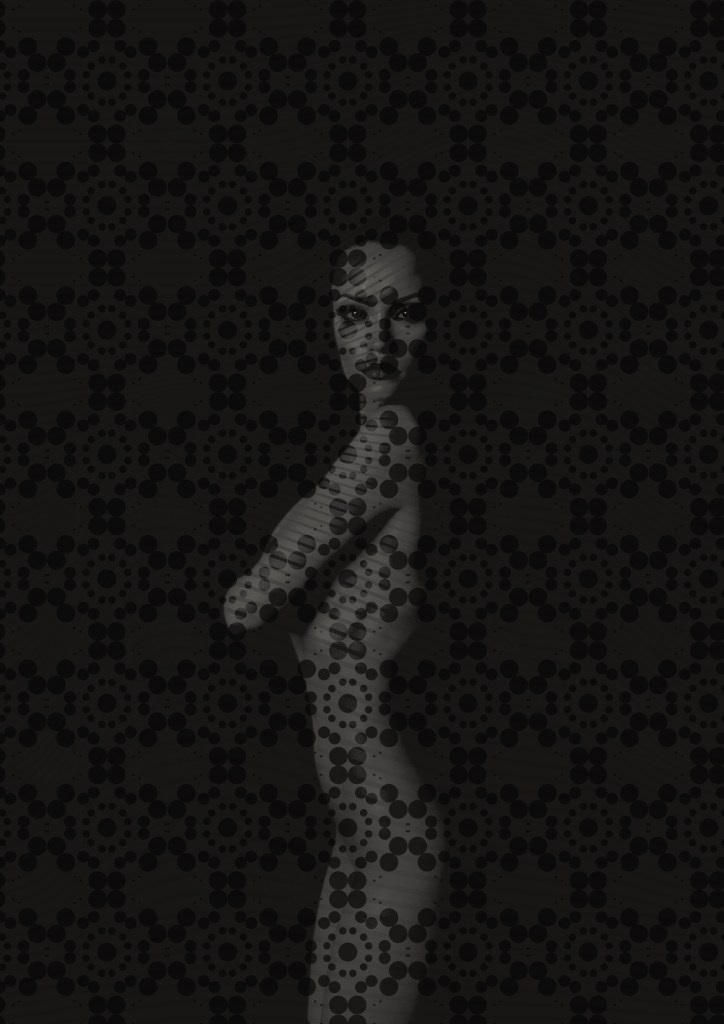
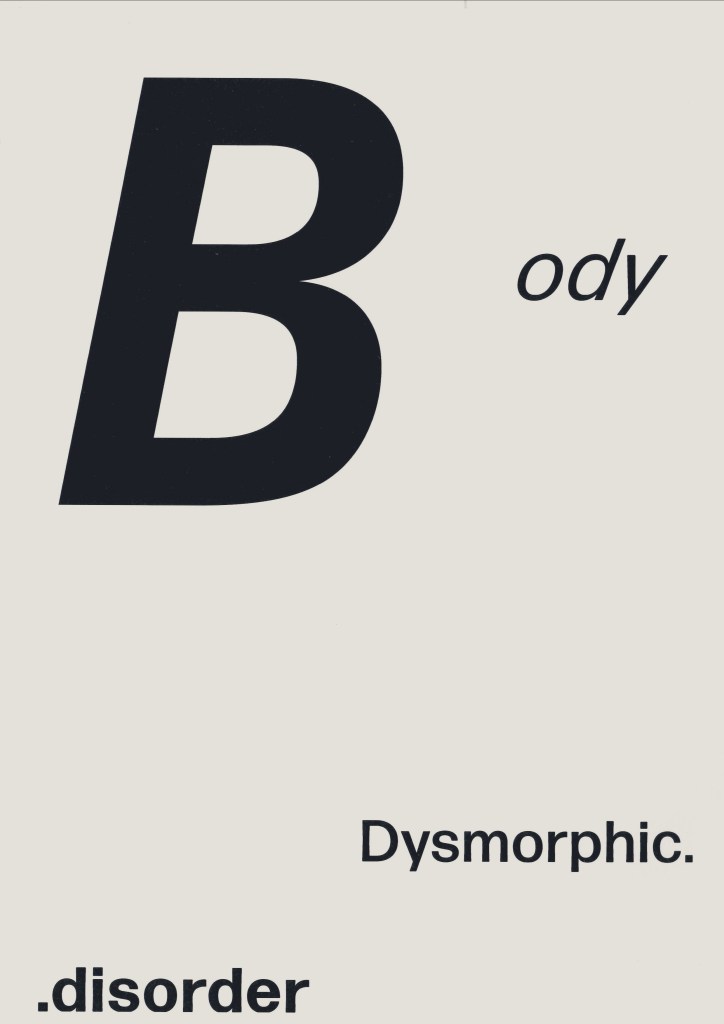
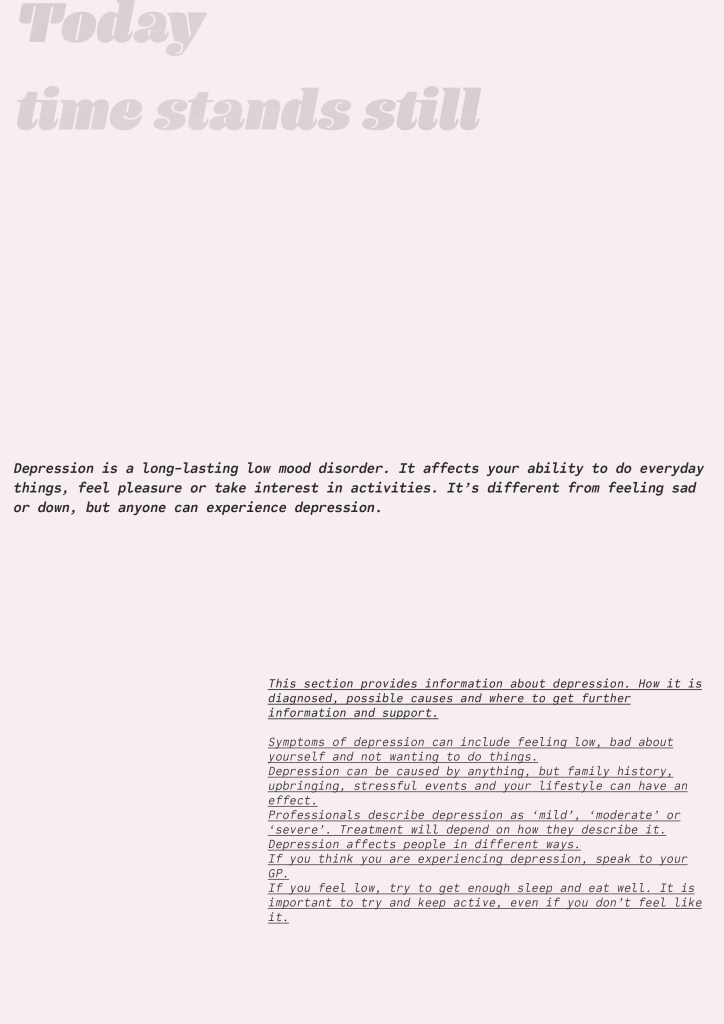
In an effort to engage my chosen demographic, that being those between the ages of 14-25yrs whom wish to learn more about the subject of mental health or find a first point of contact in an effort to address their own mental health concerns, I began the development-phase of my project by reflecting on my own experiences with having lived with a diagnosed, mental health condition. From this point, I had then progressed to speaking with those around me about their respective diagnoses and the huge effort that it had taken to get to that point. For many people, myself included, before they had arrived at a point whereby they could speak candidly about their mental health concerns they had to first seek-out a suitable vocabulary, that would then allow them to communicate their symptoms and experiences.
In-keeping with this notion I had set about the task of developing a suitable visual-vocabulary that would communicate the myriad number of mental health conditions, while also presenting the reader with a style of visual narration that was not typical of the visual language one encounters within the healthcare sector. This narrative had to present an alternative experience and allow the target audience to engage with the material without feeling self-conscious.
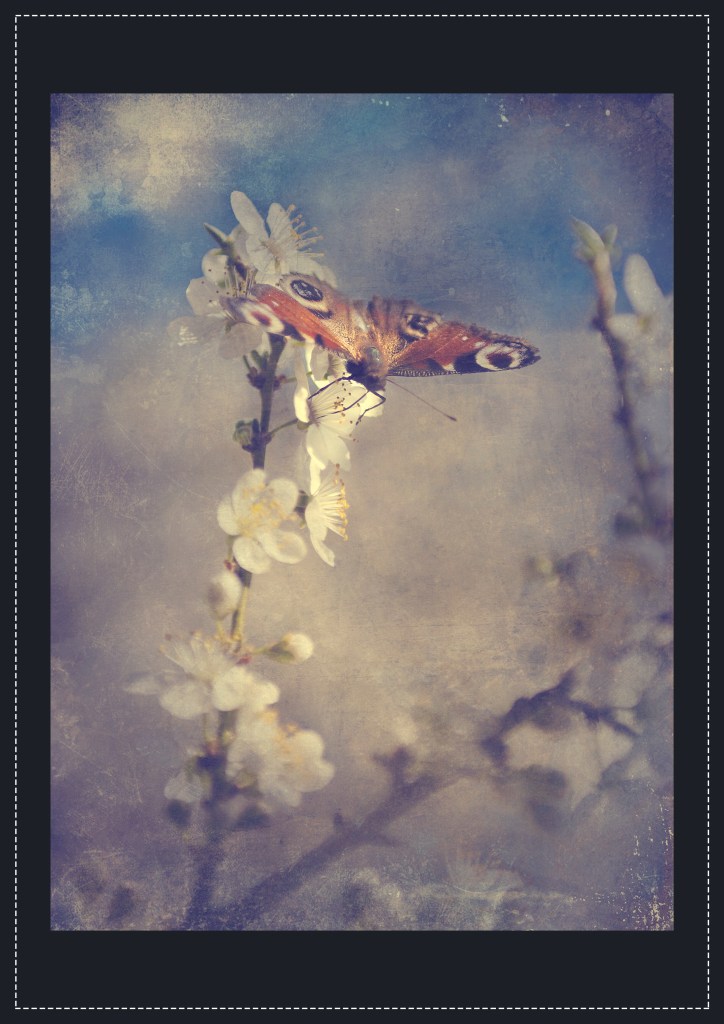
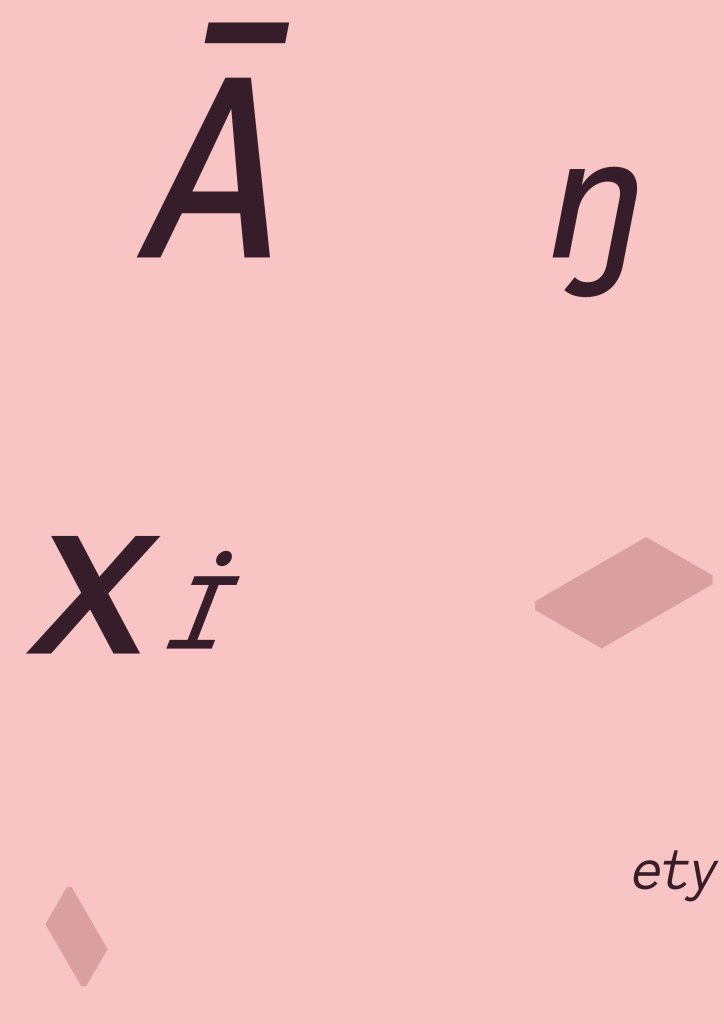
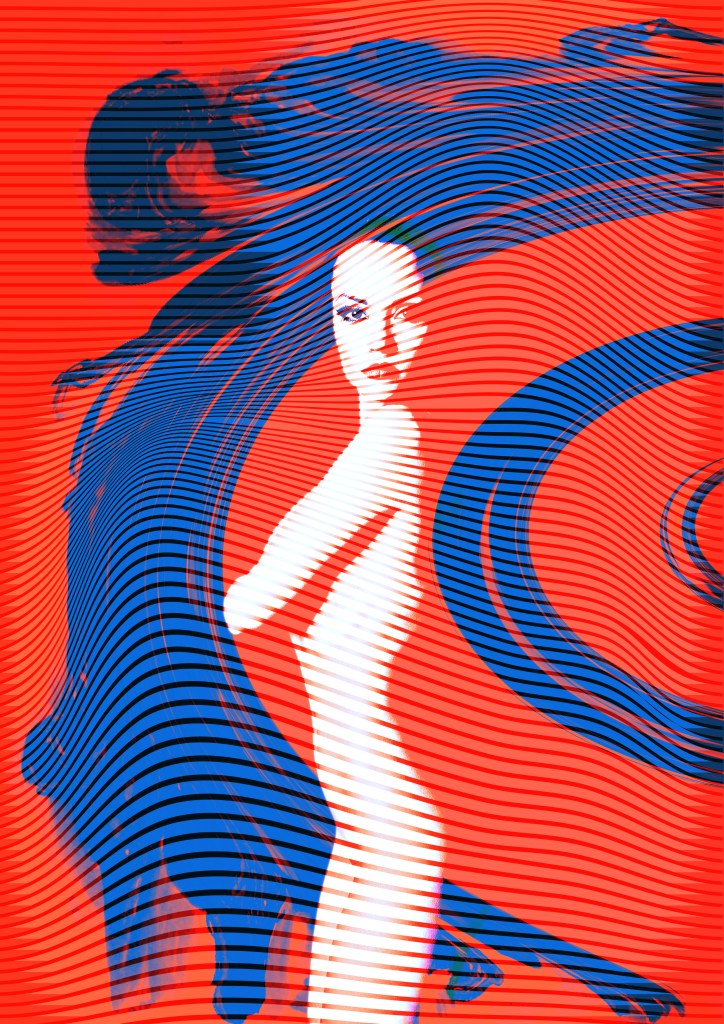
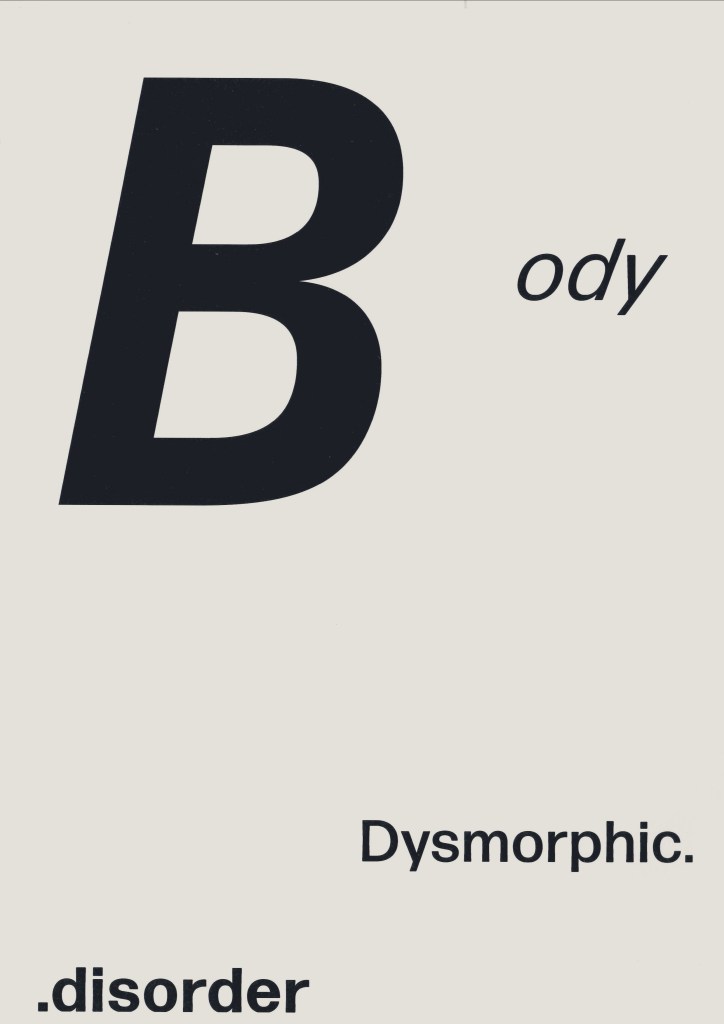
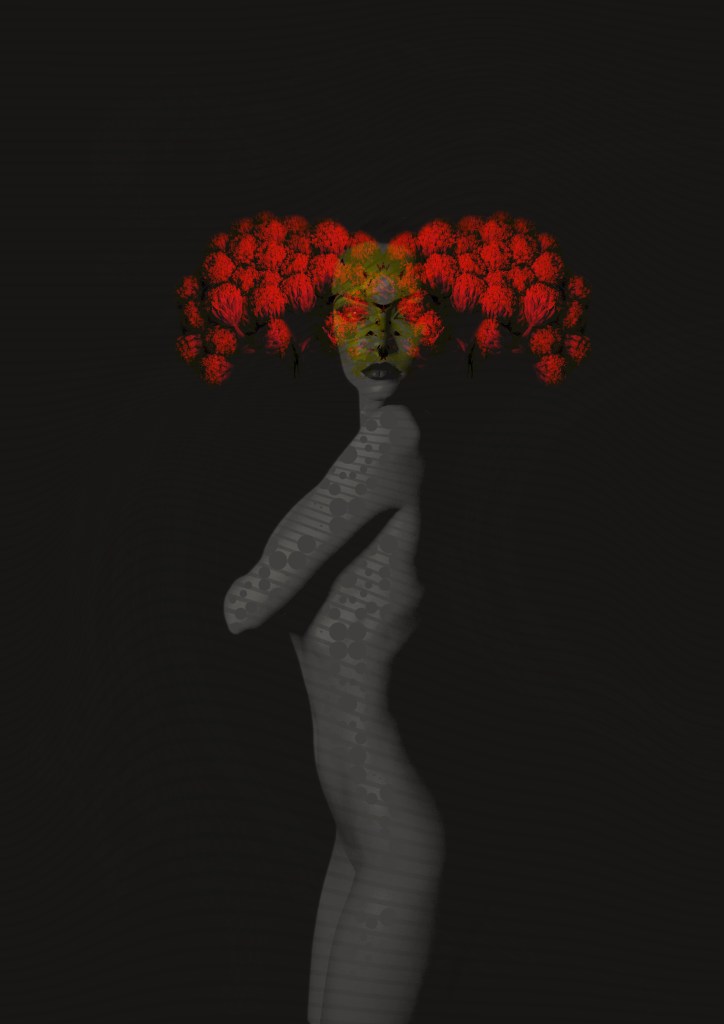
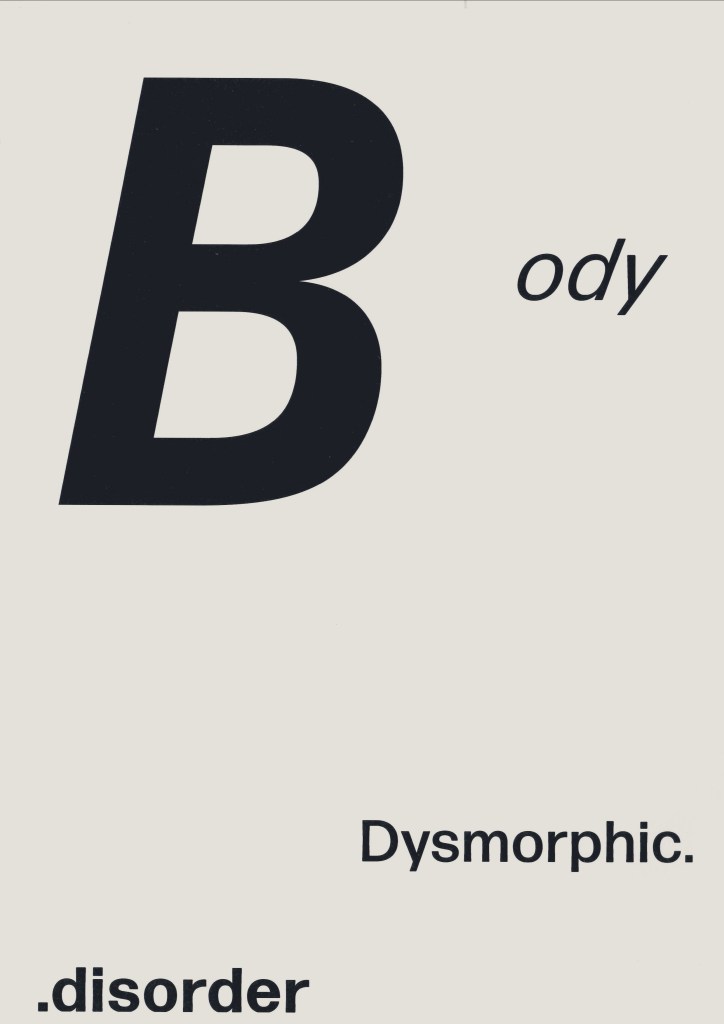
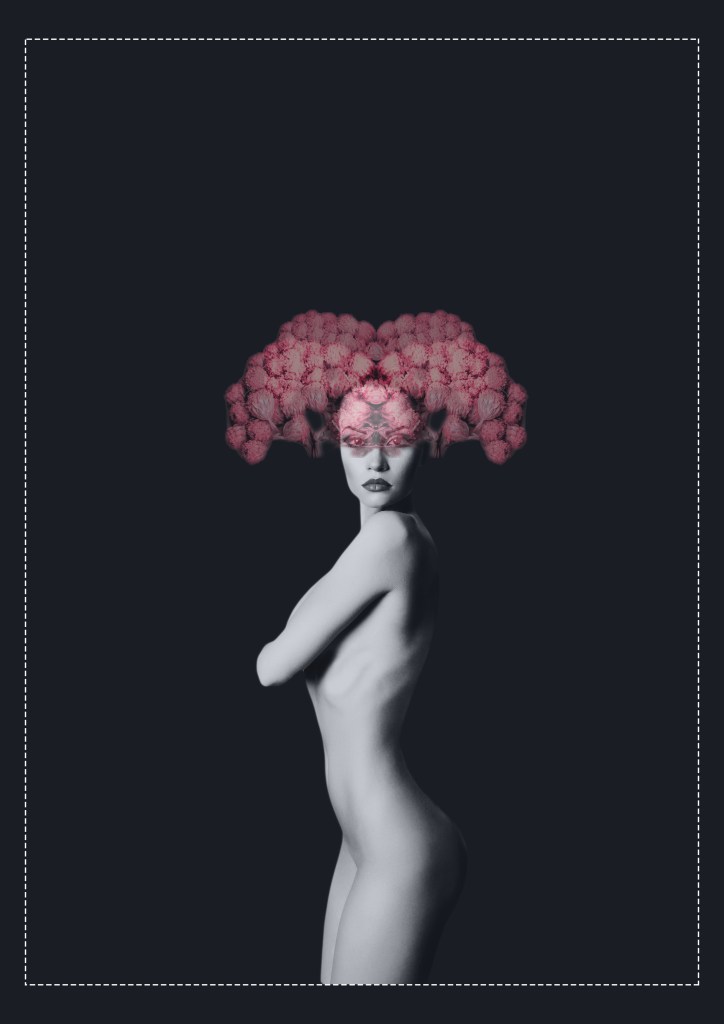
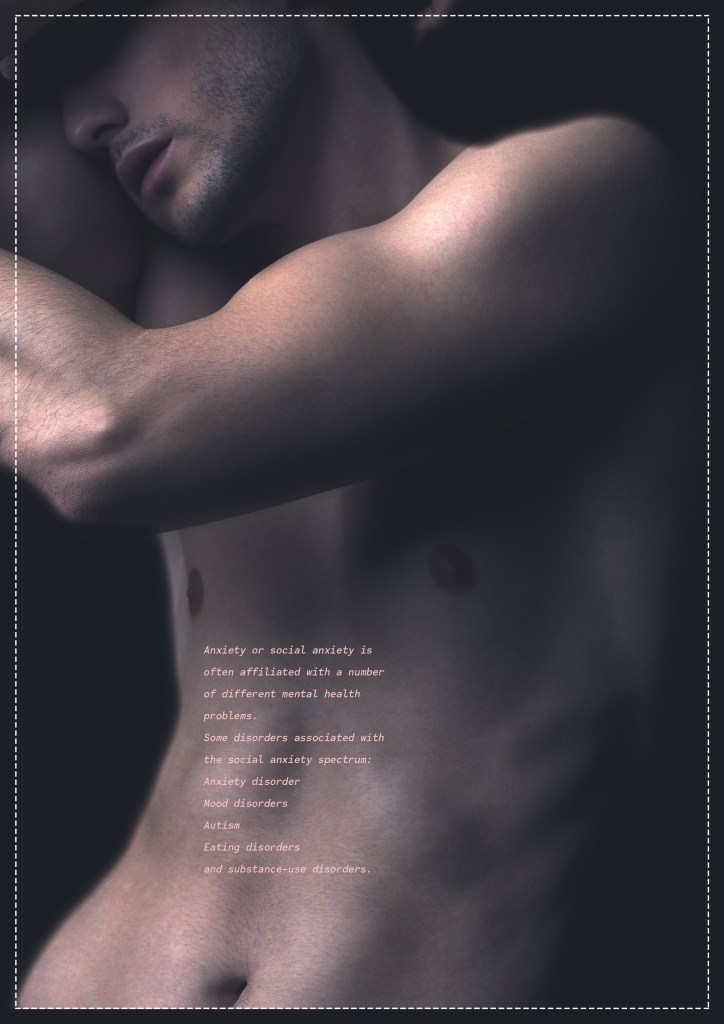
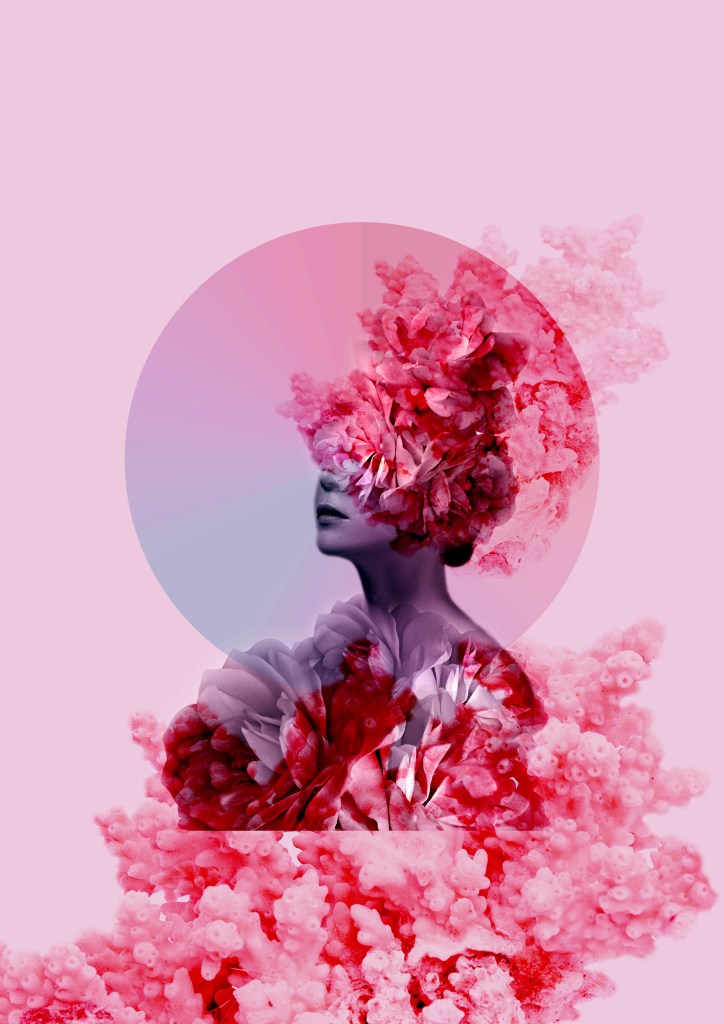
Each of the pages below focuses on a specific aspect of mental health and seeks to explore the respective condition through the use of imagery that is itself abstract in nature. The justification for this is rooted in the challenge that comes with endeavouring to illustrate an abstract concept and reflects on the earlier talking-point relating to the need for a unique vocabulary, when confronting the subject of mental health.
It is at this point I would like to direct your attention to why, I have chosen not to provide a written explanation for each of the designs. I believe that with visual-narratives such as those below, part of their function is to accommodate the curiosity and respective experiences of the viewer and by offering my own definitions I risk reducing that connection with my target audience, thereby sabotaging the impact of the work itself.


Double-page spread.
Concept exploration.
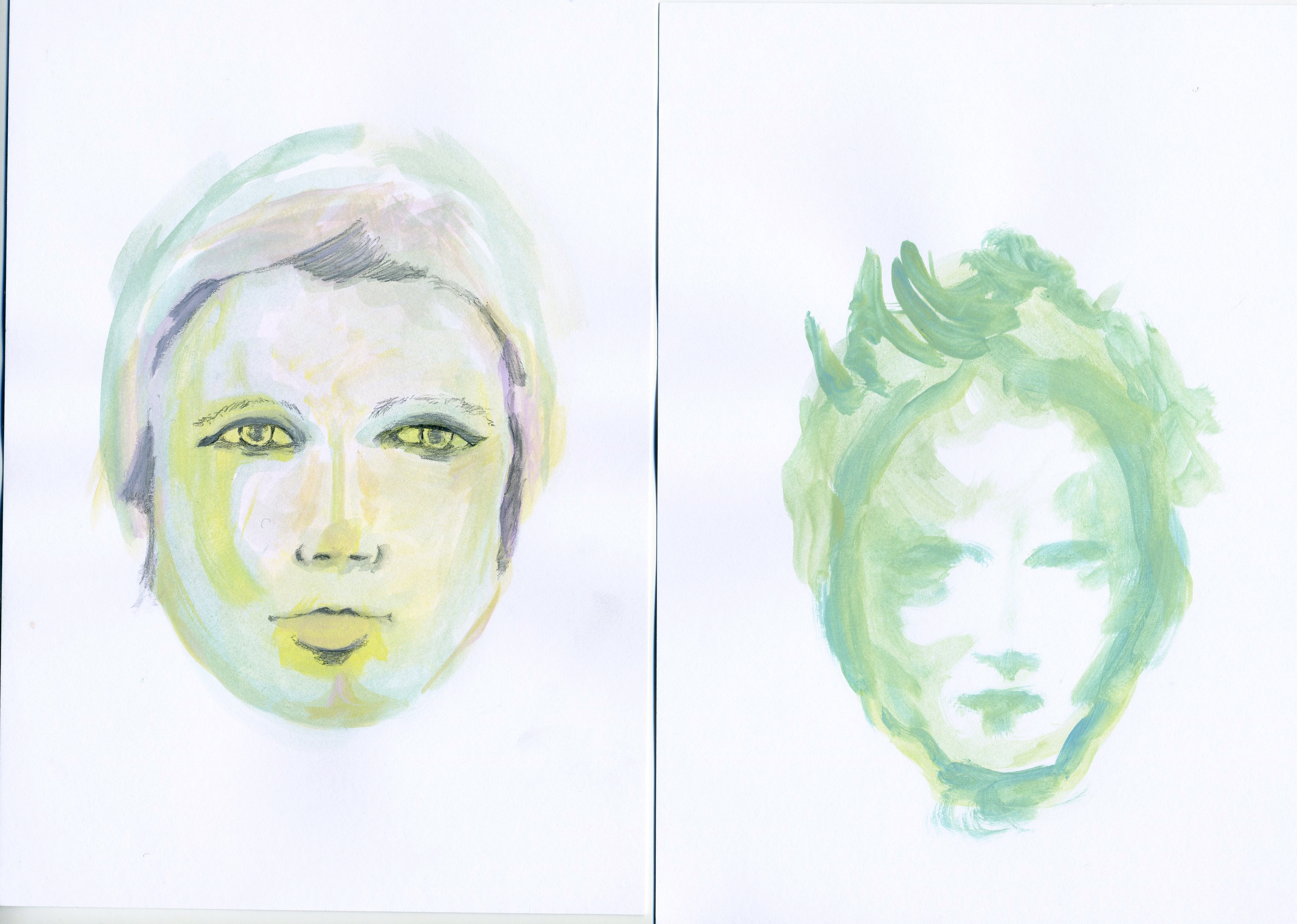
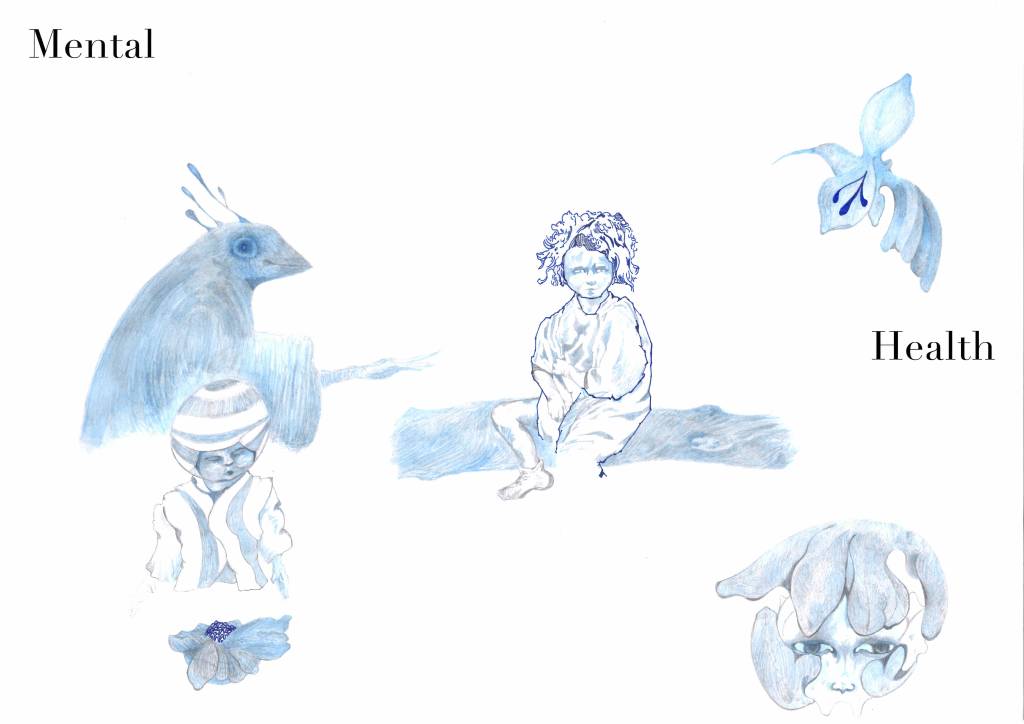
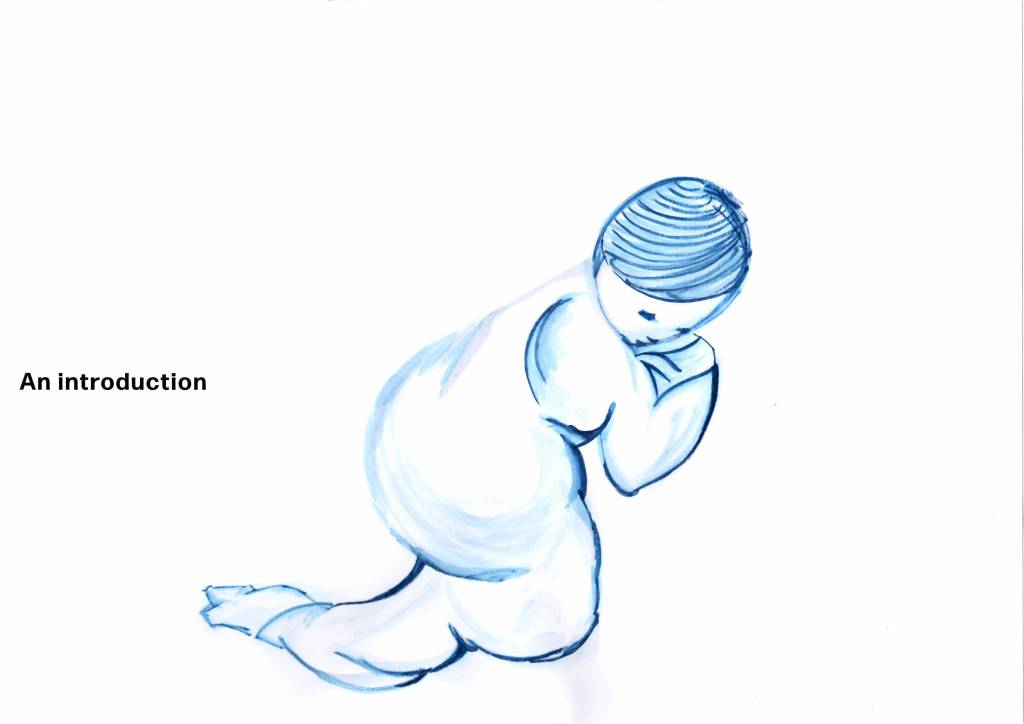
As a continuation of the development process, I had begun to experiment with a variety of working-practices and how I may apply my strengths as a designer, to the task at-hand. Therefore, I had began to apply hand-drawn elements to a selection of the editorial layouts that I had been working-on. The objective was to infuse the pages with a more personal aesthetic, one that would contribute to the aim of the editorial being viewed more as a diary, or a journal that the reader could interact with.
Using a combination of Pencil, Ink, watercolours, and Brush-pens I spent some time exploring the different processes that I could apply to the exploration of my visual-narrative. Throughout this exercise I was influenced by the British artist Tracey Emin and her technique, specifically her application of mixed-media in the creation of her paintings and the free-flowing forms, that can be found in her more illustrative works.



 JohnPrinceBranding