
Week_05
Please complete all the tasks required, as they count towards your final grade.
- Research the requirements of each of the four preselected project briefs. Post initial thoughts onto the Ideas Wall and elaborate with sketches and notes to rationalise your project selection. Add these to your blog.
- Research three competing agencies, studios or practitioners who have created work in a similar field to your selected project brief. Post website links onto the Ideas Wall and critique their work in your blog.
- Distill your research and evaluate the strengths and weaknesses of three competing projects and post the results in your blog.
- Communicate a 200 word evaluation for each of the three competing projects, which summarises their strengths and weaknesses. Post the results in your blog, with supporting reference material.
Selecting a brief.
International-Competition (Live-Brief)
This option, could be a continuation of my work in the first brief, with a more focused objective that accommodates a specific challenge. In-keeping with this thought, I am reflecting on my work with a Syrian-refugee-group and how this has helped to inform my approach to communicating a perspective that is removed from my own experiences.
Can I use this experience and understanding to conceive of a strategy that can be used to implement a solution, to improve the relationship between the general-public here in the UK and the refugees that find themselves held in towns all across the country, faced with the difficult task of having to integrate into a completely alien-culture?
International-Competition (Concluded)
In-keeping with the subject of creating a dialogue, this brief would allow me to explore a diverse selection of challenges that are currently at the forefront of conversation, in discussing how the world of sports can be utilised to initiate change and progression within communities, around the globe.
Adidas are, perhaps, among the most influential sports-brands on the international stage and therefore are in the position to assert influence over the less compliant countries on the world-stage-Demonstrating the universal power of sport and how it can be used for good. In more recent years, we have seen such gestures have a positive impact on the lives of the most vulnerable communities. This may be in the form of new facilities that encourage a more inclusive approach to playing sports or in the proposed economic incentives that are designed to encourage the respective government to invest in areas such as education and health-care.
This brief would provide me with a broad and rich starting-point from which to progress, however, I am deterred by the stated restrictions on any material that sought to be political in nature. In my view, a brief such as this is infused with political sub-text and that would be difficult to evade in the development of a proposal. As a practitioner, I view a brief such as this as a dialogue between all parties involved, and to have a limit on the extent to which we can practice free-speech feels counter-intuitive, and possibly even counter-productive. This point, however, does pose an interesting question: To what extent should we allow large corporate-brands to intervene in politically-driven, decision-making processes? Most observers would agree, that any brand-strategy is going to prioritise the companies objectives, as apposed to prioritising the needs of the most vulnerable communities in the country in which they are operating. Therefore, are such endeavours little more than an exercise in optics, rather than a sincere desire for change?
Live-Collaboration
My initial response to this brief was a continuation of my work on the first brief, taking the form of a strategy that would seek to implement a public-programme, with the intention of further exploring the dialogue around mental-health. In contrast to the first brief, I would look to establish a much narrower conversation, with a specific focus on the relationship between mental-health and creative expression. The benefits of taking this route would be myriad, primarily allowing me to further explore the impact of creativity on mental-health. In my view, creative-expression is not only is not only to be perceived as a tool for communication, but one that can be considered as a form of treatment-A point which is today being explored by the NHS, in the form of cognitive-therapies.
This view has been held by many practitioners, from a diverse array of creative-disciplines. In a recent viewing of a documentary about the artist Keith Haring, I was both encouraged and surprised to hear the artist communicate this point during a number of interviews, that he had given during the 1980’s. His position, struck me as being rather progressive in relation to the conservative views held by the art-world at that time. For a gallery-artist, let alone one that was at the peak of his commercial-success, to communicate such liberally-minded, views on inclusivity was courageous to me. In response to this documentary, I had begun to consider the possibilities pertaining to the implementation of an inclusive-outcome.
In considering the practicalities of this brief, I am deterred by the potential for creating a disruptive work-flow, due to having to accommodate an external-influence and their respective requirements. My hesitations primarily rooted in having to co-ordinate a second schedule and the planning of possible delays or obstacles. Should I choose to work with an external-body, I may considering continuing my recent collaboration with the mental-health charity, Perspective-Project.
Research and Development-Science Museum
The appeal of this brief would be in the chance to undertake a project that is grounded in visual-narrative and immersive-design-based, outcomes. Combined with my own preference for visiting museums and galleries, the brief would provide ample potential for the development of an intriguing project. I particularly like the idea of exploring the subjects of exhibition-design and spatial-awareness-Using space as a communication-tool and in-doing-so, endeavouring to provoke an emotional-response from the visitors to the museum-Can we use these tools to create a renewed interest in our museums? Is there a pro-active role for the visitor, in the delivery of the content? Can an exhibit also be immersive-theatre?
Selected brief-Creative conscience.
In the selecting of this brief, I am endeavouring to engage with the conversations at the core of the social and political dialogues, that are currently present on the high-streets, and in the coffee-shops and bars, all across the UK. The conversation is one of disparate views, imbued with an unwillingness to demonstrate empathy or sympathy for the opposing argument. The words associated with these volatile discussions are indicative of philosophies that have been rooted in society, and veiled by tradition and national-identity, for many years. The left-leaning among us are labelled as naive, uninformed, disconnected from the reality or too sensitive in nature. And what of the victims? Are we to shy-away from showing an indication of empathising with such individuals?
Like Artists such as Keith Haring and Jean Micheal Basquiat, I intend to explore the themes of inclusivity, social-divides, race-driven-rhetoric, and the reasons at the heart of the political-disagreements. In the process, I will aspire to identify areas in which common-understanding and shared-values can be utilised to inform and influence my strategy and development-processes. I will begin by identifying the most appropriate research-methodologies, that are available to me.
Research and Analysis:
GraphicDesign&
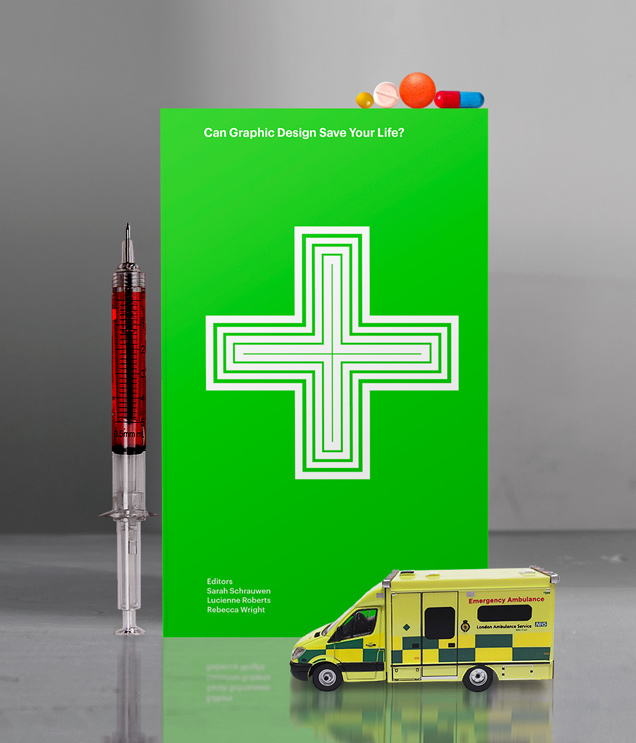
Boutique-publishers GraphicDesign& are a forward-thinking duo comprised of, London-based Graphic Designer, Author and Publisher, Public-speaker, and Typographer Lucienne Roberts and Programme-Director for Communication Design at Central Saint Martins, Rebecca Wright.
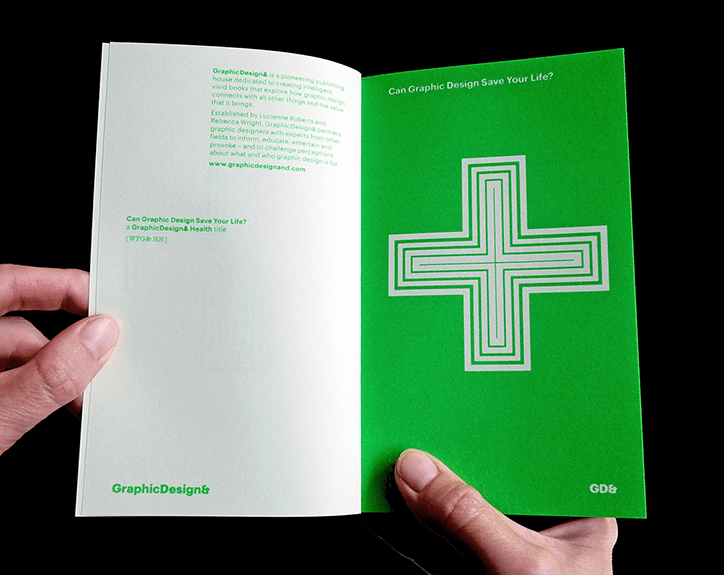
“Can Graphic Design Save Your Life? was published earlier this year to coincide with GraphicDesign&’s exhibition of the same name that is currently on show at the Wellcome Collection. It examines the varied and vital relationship between graphic design and health, focussing on work that demonstrates how communication strategies and visual languages are employed to persuade, inform and ultimately protect. The book asks its contributors to respond to the title question and demonstrates how graphic design impacts what we notice, what we understand and the actions we take. “In short, we hope that readers of the book will think the answer to the question is: yes!” (Itsnicethat)
Analysis
The booklet, that was produced as part of a wider effort to explore the relationship between Graphic Design and the Health sector, is a strong idea that is realised through a clean and simple aesthetic, allowing the reader to easily digest the content and fully comprehend the broader conversation around the subject-matter.
In my opinion, where this outcome works most successfully is in its’ chosen method of engagement-choosing to include the reader in the exploration of the subject, by posing the key question as the cover-title. This message is delivered with immediacy and clarity, and so the reader is briefed on the subject prior to the opening of the booklet. This is a good example, of how to engage ones’ target-audience through inclusivity.
In addressing the outcome through a more critical lens, I would argue that due to the piece being a small component of a much larger presentation, that being the exhibition in which it was featured, the content itself does risk becoming a secondary concern for visitors to the event and therefore, the delivery of the message is less efficient. In a similar observation, I would draw your attention to the use of a Green cross, which of course is most commonly associated with the organisation, Green Cross international-An organisation that primarily deals with humanitarian-initiatives and not necessarily with the subject at-hand. I focus on this point as it illustrates how important it is for us as Graphic Designers to consider the broader context of the visual-languages that we employ, to tell our stories-clarity is at the centre of that delivery.
Brodie Kaman-Graphic Designer


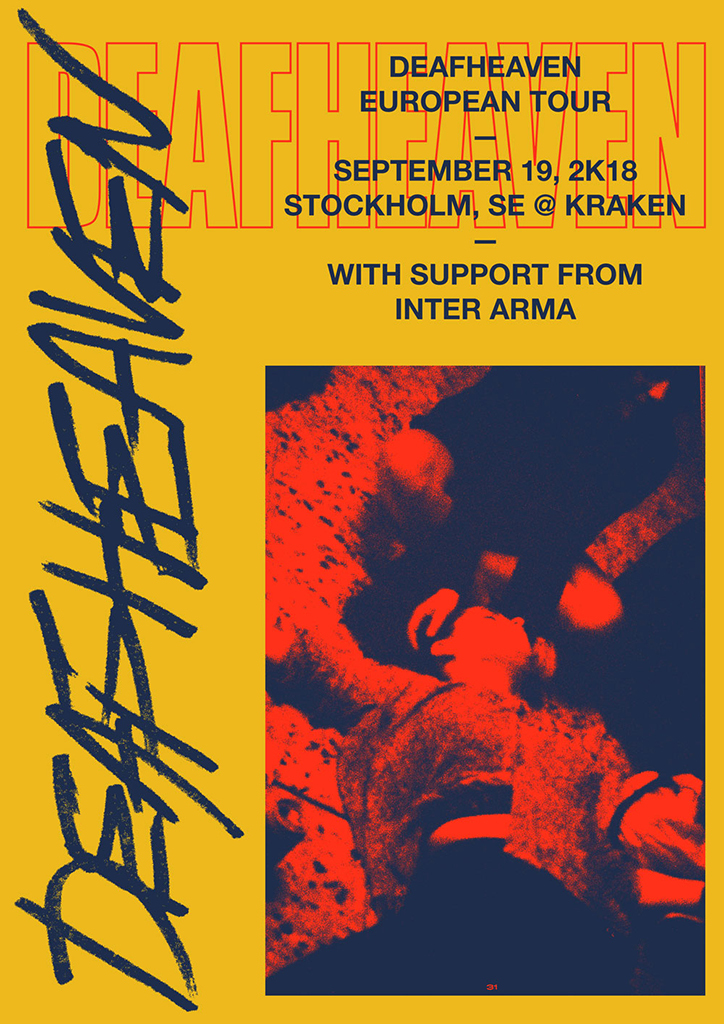
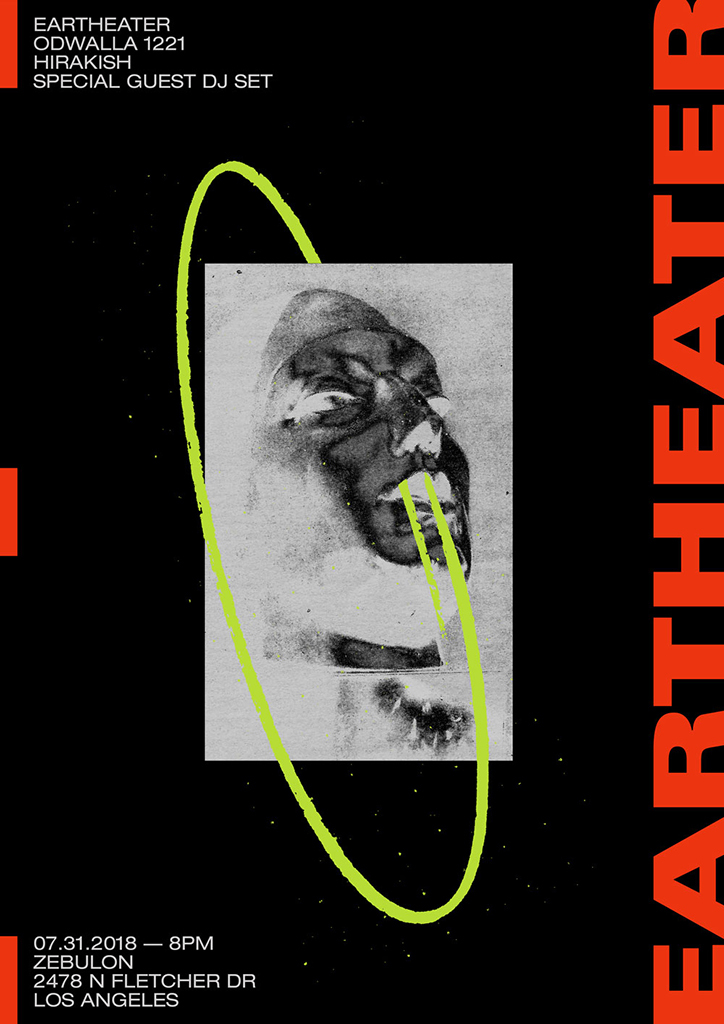

Analysis
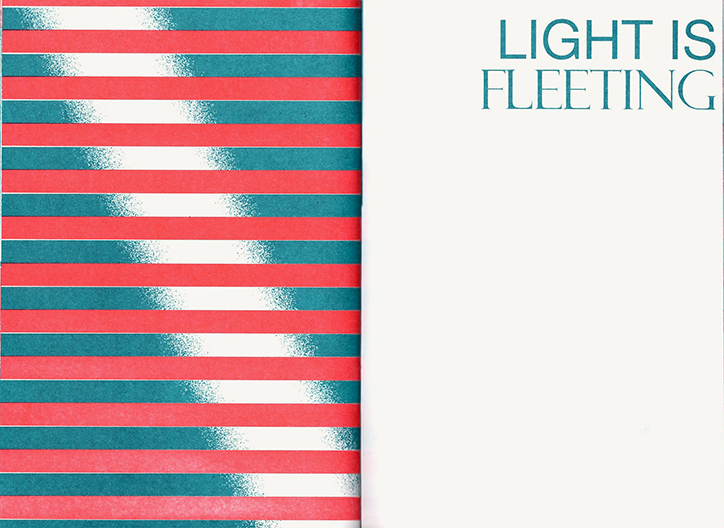
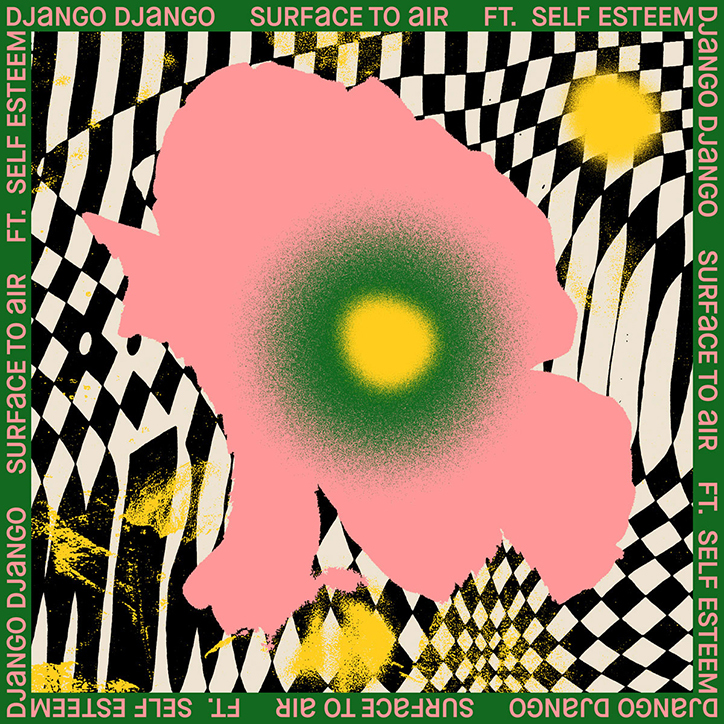
For Berlin-based, Australian Graphic Designer Brodie Kaman the creative-process is a cathartic one. His self-initiated-projects are an expression of his compulsion to convert his internal-strife into an emotionally-charged, work of art. He infuses his work a violent energy that leaps from the canvas and screams to be heard, instilling an unease in the mind of the viewers. His spartan compositions are indicative of the aesthetic that we are more accustomed to seeing on the exteriors of packaging associated with dangerous substances-A possible reflection on the designer’s relationship with addiction?
Creatives often channel their own internal-struggles into their work, and Brodie’s work illustrates the benefits of doing so, being aware of his own challenges he has chosen to utilise that emotion in the execution of his commercial work, not only demonstrating the rich context that brings to the work, but also bringing the conversation around mental-health into the forefront of the public’s psyche.
NoShameinSadness-Blog
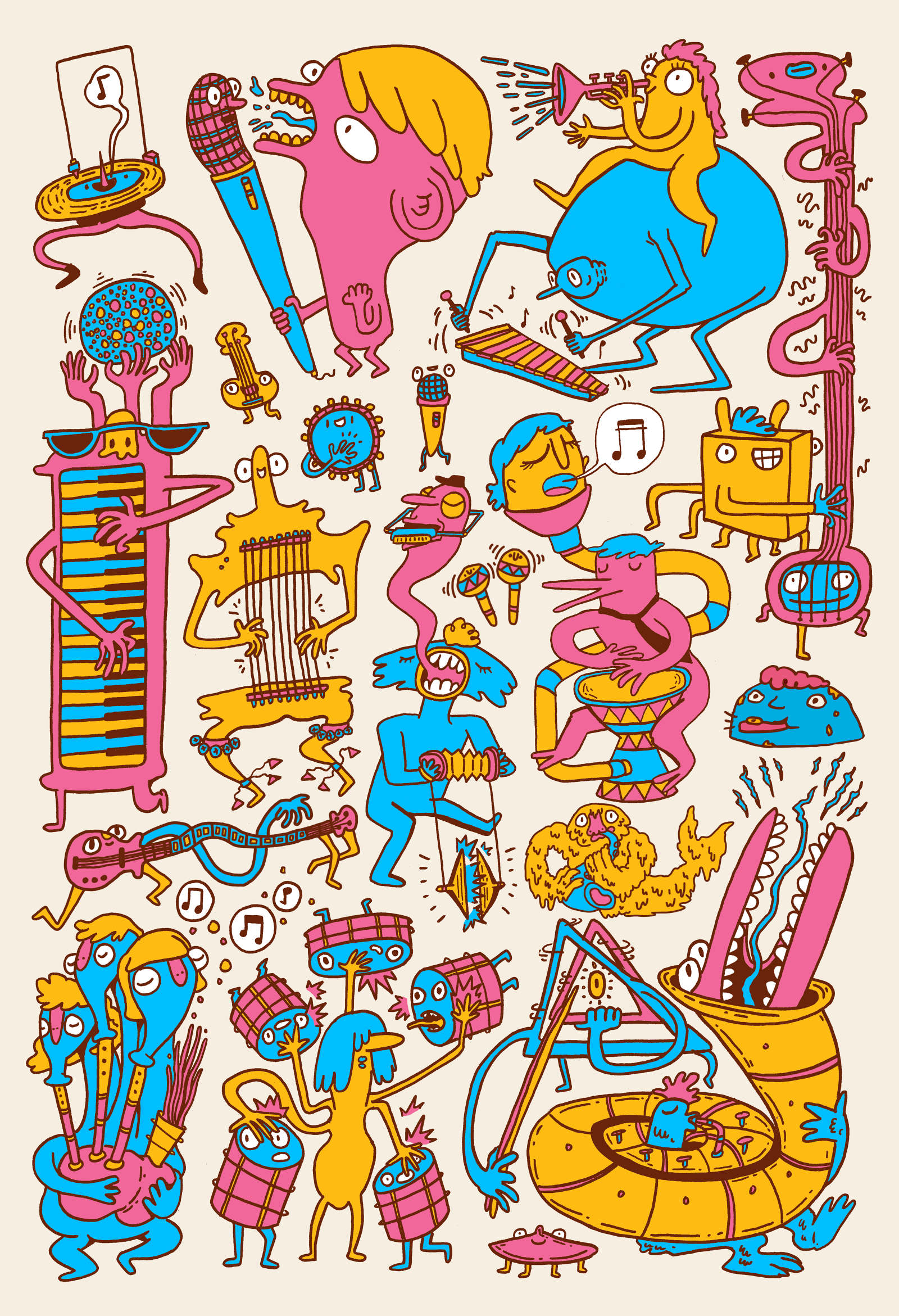
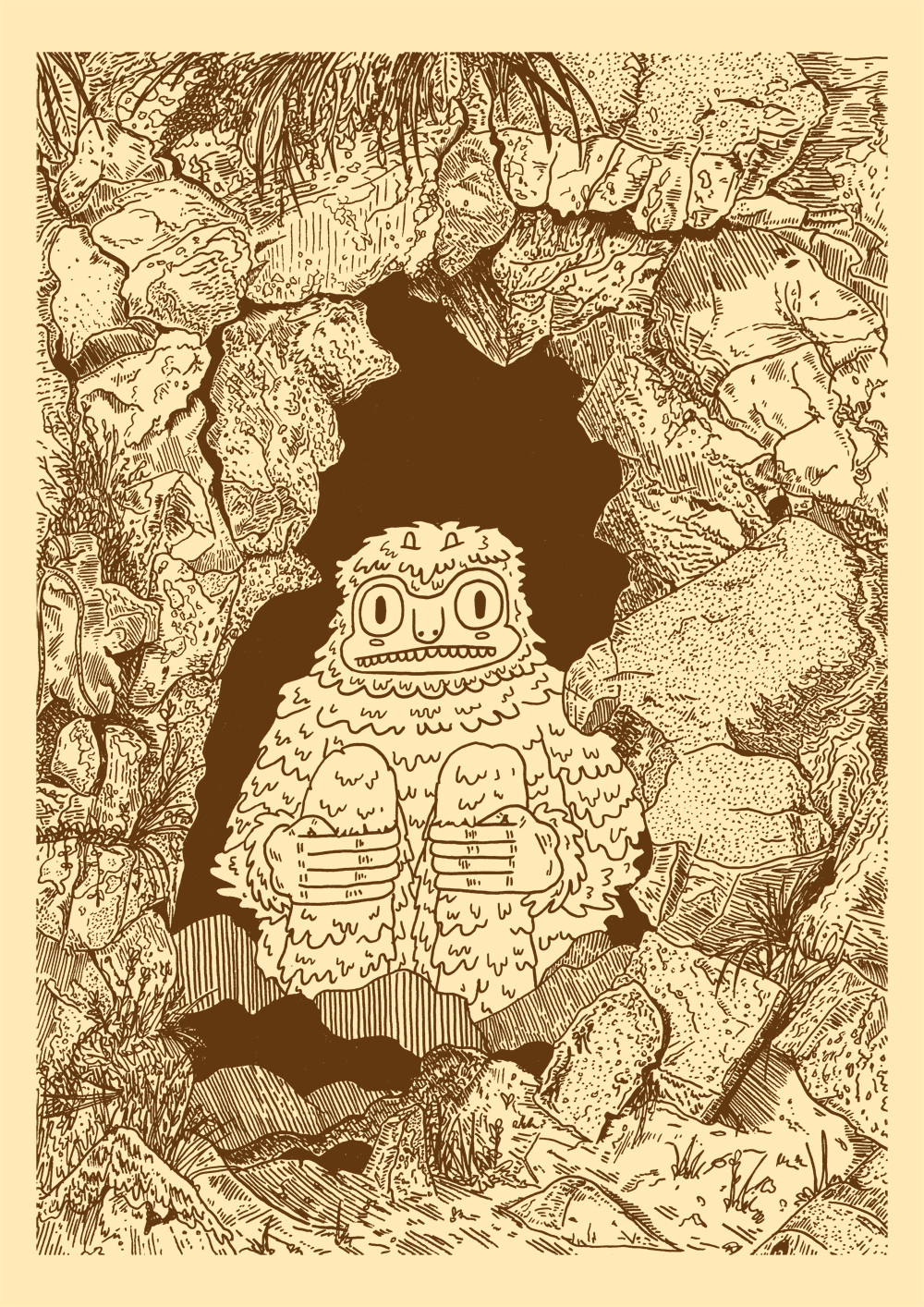
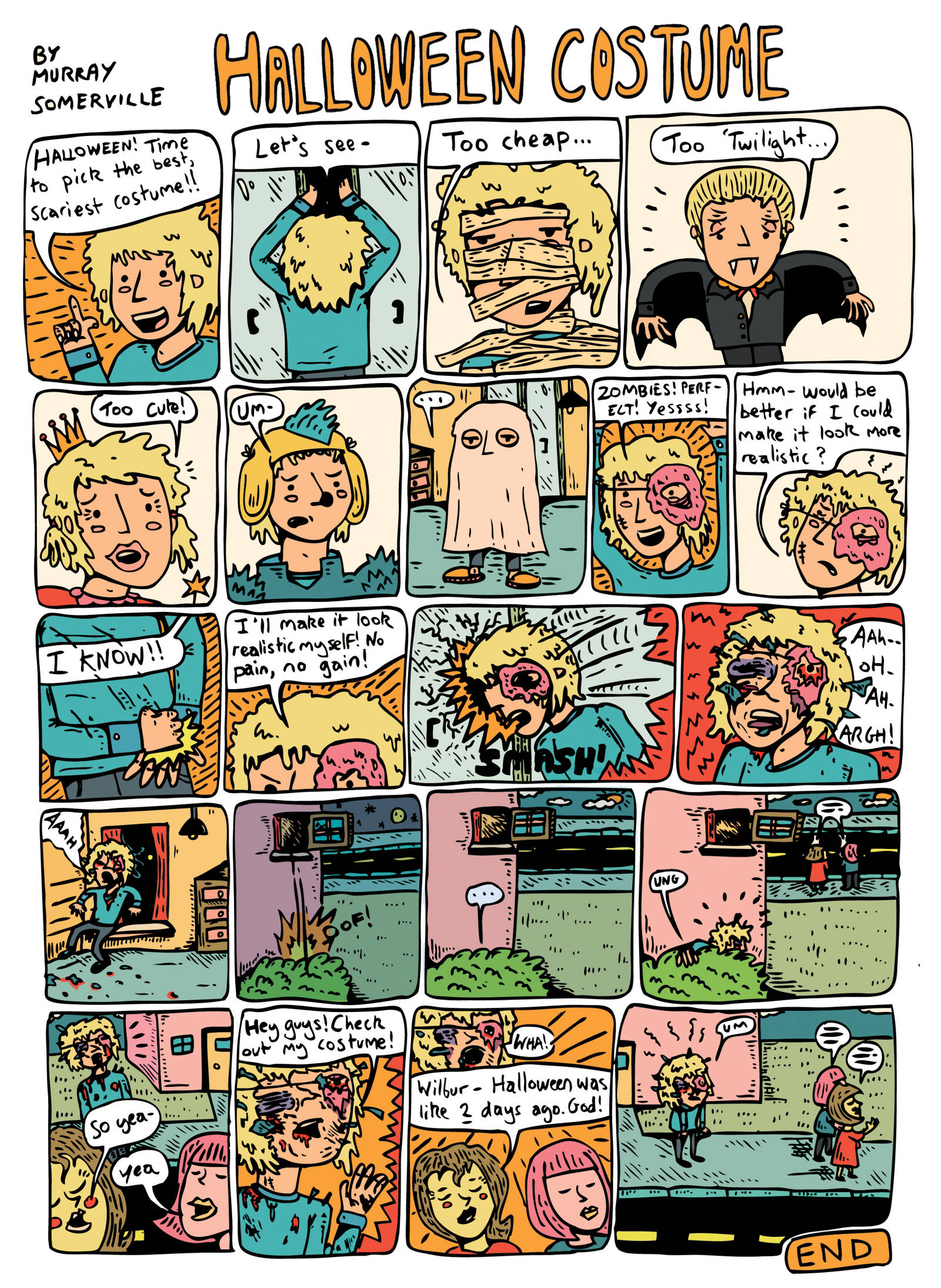
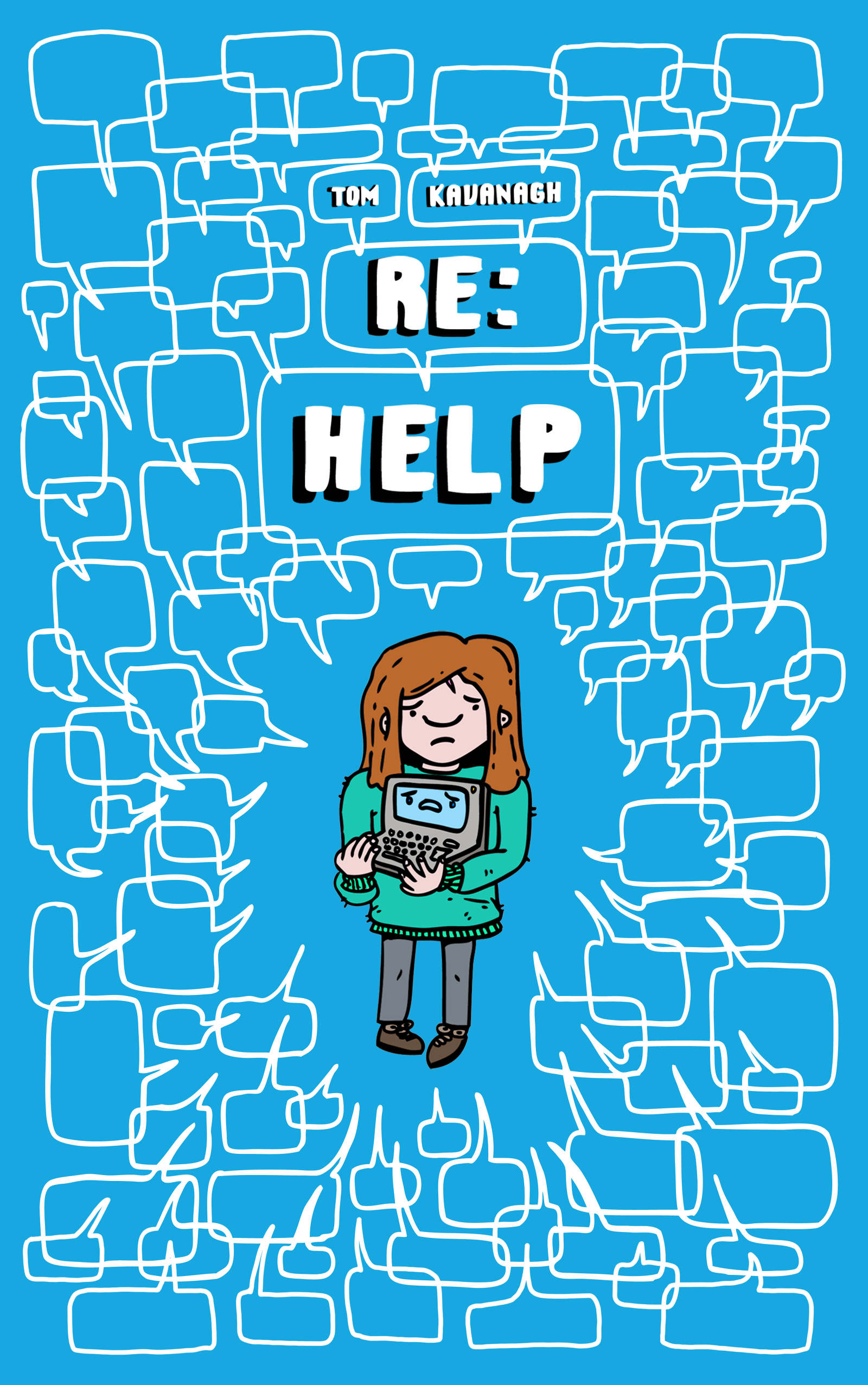
Artist and Illustrator, Murray Somerville set-up this blog in response to his own struggles with mental-health. He continues to produce work that explores and communicates the inner-workings of his mind, alongside his day-job, as an Art-Director for a Danish games company.
Analysis
The strength of this project is in its’ ability to accommodate the viewer’s own state of mind, the content itself encourages an inclusive approach to the conversation taking place and uses the perspective of the characters within the work, to build an emotional-connection with the viewer. Through which, the artists is able to engage with his audience through the use of satire and contemporary, reference points.
In reference to the presentation, I would argue that the creator has made bold decisions in relation to his colour-palette, thereby allowing him to draw the attention of the reader or passer-by. The use of fluid, whimsical and intuitive line-work results in a style of illustration that is familiar and comforting, possibly reminding us of the naive lines that we ourselves had produced as children.
In summation, the presentation as whole works well in its’ execution of communicating a complex, and oftentimes taboo, subject. By engaging with the work, we come away feeling reassured, informed and mildly entertained.
References:
http://www.murraysomerville.com, (2019). Home. [online] Available at: http://murraysomerville.com/ [Accessed 23rd October. 2019].
Brewer, J (2017). Can Graphic Design Save Your Life? explores “widespread and subliminal” impact of design on health. [online] ItsNiceThat. Available at: https://www.itsnicethat.com/news/can-graphic-design-save-your-life-wellcome-trust-exhibition-lucienne-roberts-rebecca-wright-050917 [Accessed 21st October. 2019].
GraphicDesign&, (2019).Home. [online] Available at: http://www.graphicdesignand.com/ [Accessed 21st October. 2019].
LucienneRoberts+, (2019). Home. [online] Available at: http://luciennerobertsplus.com/ [Accessed 21st October. 2019].
Central Saint Martins, (2019). Staff. [online] Available at: https://www.arts.ac.uk/colleges/central-saint-martins/people/rebecca-wright [Accessed 22nd October. 2019].
Week_06
Brief and Strategy: Thinking for strategic, Brand and Global difference, Client-engagement.
By the end of this week you should be able to:
- Research strategies and project plans used by agencies, studios and creative practitioners to reach a global audience.
- Distill your research to develop a strategy and project plan for your selected project brief.
- Communicate the rationale for your strategy and project plan to be delivered through a five slide Keynote presentation.
Pay careful attention to how you can potentially reach and engage with a global audience. Explore relevant avenues for engagement, such as social media, innovative developments in technology, traditional print media, slow journalism, crowdfunding and forums.
Lecture Notes:
This week’s question: How do you develop a strategy and project-plan for a client/audience in a continually evolving global-market?
In this week’s lecture our speaker’s discuss their respective approaches to the development of design-strategy and how this informs their research-methodologies, when pitching for a new project.
Torsten Posselt, Partner and Executive Design Director
FELD, studio for digital crafts, Berlin.
-Identify a framework.
-Take the time to construct a brief.
-Tailor the execution of your project, to accommodate your requirements.
-Place an emphasis on establishing a face-to-face meeting with the client, ask questions and plan how you intend to answer an questions that the client may ask in return.
-Balance your feedback and be direct in your communications with the client and the team with which you are working.
-Allow for time throughout the project, that will allow you to refer back to your starting point. Reflect on your initial objectives, ask questions that are relevant to the changes that have occurred since the beginning of the project.
Matthew Jones and Michelle Dona, Creative Director and Project Director.
Accept and Proceed, London.
-Create a plan that is versatile and able to accommodate the perceived changes, taking place in the global-markets.
-Consider the value and relevance of consumer-insight, how does this impact your design-strategy?
Wouter Dirks, Operations Director and Strategist.
Studio Dumbar, Rotterdam.
-Conduct a thorough analysis of the client, the product and services that they offer, and the markets in which they operate.
-Interview a cross-section of employees and associates, particularly those with boots-on-the-ground.
-Acquire a comprehensive overview of your client and their operations, including their relationships with their associates and the global-markets in which they operate.
Stijn Van De Ven, Design Director.
Eden Spiekermann, Amsterdam.
-Observe the tone and culture of the markets in which you operate and tailor your brand-communications accordingly.
-Consider the relevance of geographic-location, how does this inform your studio-practice? Where does your brand fit in relation to the locality of your markets?
Luke Veermann
Eden Spiekermann, Amsterdam.
-Listen to the client, place an emphasis on understanding their mindset and how that can inform your approach to the project.
-How does your locality inform your strategy? Are there any restrictions that you need to consider, when planning the roll-out of your project?
Resources.
Notes.
Creating the perfect design-brief: How to manage design for strategic advantage. Peter Phillips.
Chapter 11: An example of a design-brief. (Pages 141-160)
“This becomes another added value of a strategic design function-to take largely, marketing-driven research and extract design-strategy from what is available”
“Gender and age demographics do not necessarily offer information for a strategic design discussion.”
“A companies portfolio-section, can provide a wealth of information for a design-team. This can be extracted, in order to inform the design-strategy.”
“Think of the project as a giant jigsaw-puzzle”
Areas of Research.
Project Plan
What problem am I addressing?
The problem here, is two-fold.
Firstly, I will be exploring the challenge of reconciling political-rhetoric and racially-driven prejudice, with the facts pertaining to the role of the UK as a host for refugees and asylum-seekers. In endeavouring to do so, it is my aim to educate the general population in the UK on the reasons for the United Kingdom’s participation in assisting with the re-settlement of displaced-persons, and to encourage communities all across the UK to engage with the refugee and asylum-seekers, within their areas.
The secondary objective will be, to focus on the psychological-impact these negative responses have on the displaced-persons that currently reside in the UK. How does this effect their ability and willingness, to integrate into the communities in which they are placed, by the UK Government.
Points of consideration?
My primary point of consideration is, how do I navigate the divided opinions that are present in the public forum, around the subject in-hand? Which areas of research, will provide the most valuable insights into the problem before me?
In reflecting on both of the above points, I am confronted with the question of: Where do I position my solution, in order to have the most impact? And in answer to this question, I am inclined to consider the role of educational-outlets such as schools, community-hubs, youth-clubs, social-events-venues and the role of the digital-arena. All of which, would allow me to engage with the demographic, that I believe to be the most valuable to this challenge, that being liberally-minded, morally-driven young people, whom have a desire to contribute to society.
The counter-argument here is, of course, that the prejudice and lack of insight on the subject-matter, is to be found among the older generations, and that the core of the challenge is in breaching the entrenched views of these demographics. If this is the case, then I would forego my use of the digital-platforms as the centre-piece of my strategy and opt for a face-to-face solution in the form of a community-outreach programme or respite-day.
Areas to Research?
–The facts and statistics pertaining to the numbers of refugees and asylum-seekers, currently residing in the UK.
–Current forms of engagement that are taking-place, across the UK. Specifically, grass-roots movements and charities that work alongside official bodies in order to provide resources and administer care, to the displaced-persons residing in the UK.
–Contemporary findings in relation to existing engagement-programmes, aimed at easing the resettling of those displaced-persons that have been granted asylum. Revisit past endeavours in working alongside my local refugee-charity, to provide funding for the employment of a liaison-officer to work with Syrian families, that have begun a new life in the rural-communities of Wales. What valuable information can I extract from these experiences, to help inform my design-strategy?
–Potential obstacles such as: Language-barriers, cultural-beliefs, dietary restrictions, physical-constraints, logistical challenges, legal-requirements, insurance-criteria, staffing, venue-acquisition, community-engagement, communication and promotion, permissions and licensing, etc.
–Scale and budget.
–The role of the participants and how this will inform the delivery of the outcome. For example, if the final outcome is to take the form of an event, to what extent will those involved be able to partake in proceedings? In answering this question, I would be obliged to refer to the legal-requirements that must be met when staging a public-event, along with the logistical issues that would be presented by the location, including travel-time and scheduling.
–Areas in which we can establish a conversation aimed at bridging the divide between the British public and the displaced-persons community, are there any shared-values or common-goals that I could utilise to communicate my message?
Target Audience/Context/and Implementation?
-Members of the British public, specifically those whom are not in support of assisting those displaced-persons currently residing in the UK.
-Young people and young children of school age.
-Those whom wish to learn more about the humanitarian efforts that are currently being organised by grass-roots movements, all across the UK. Those that would like to become members of such groups and therefore, wish to learn more about the cause.
Desired Outcomes/Measurements of success?
-An increase in the numbers of British citizens, whom are willing to engage in a constructive dialogue with members of the refugee and asylum-seekers community.
-A broadening of the public perception of what it means to be a displaced-person and how this can impact the mental-health of those concerned.
-The creation of a model that can be implemented and scaled-up, in an effort to facilitate future engagements between the displaced-persons and the communities across the UK.
Keynote presentation.
Week_07
Positioning and Trends/Mapping emergent themes, moods and stories.
Weekly Learning Objectives
By the end of this week you should be able to:
- Research current themes, trends and moods relevant to your project requirements and goals.
- Distill your research to outline a positioning statement for your project strategy.
- Imagine three mood boards to contextualise your positioning statement.
Lecture Notes:
This week’s question: How do themes and trend-forecasts help to ensure a project is planned and positioned effectively to deliver its’ strategic goals?
Analyse the field of trend forecasting, to establish any insights that are relevant to your project. Trend forecasting is a growth area in visual communication, which will continue to have influence with the rise of emergent technologies. We have suggested The Future Laboratory, but research other agencies, blogs or publications relevant to your project – however, please remember trend forecasting is a speculative science.
FELD-Torsten Posselt:
A trend can be an indicator and serve to highlight the areas of the market that are in flux, signifying a need for change. This allows for a point of focus and can become the catalyst for the next stage of the project.
Equally, a trend can become an obstacle to the progression of a project by convoluting the thought-process with an influx of information that is not relevant to the current task. This can hinder the analysis of date and result in a mismanagement of time and resources, thereby adding costs and restrictions to the schedule and long-term objectives.
In order to avoid such a scenario, allow for a more objective approach to the consumption of research material, ensure that you review the reasons for why you have chosen to pursue a selected source and continue to filter your findings in order to secure the most valuable date, which in-turn can be used to form the foundation of your design strategy.
Accept and Proceed-Matthew Jones and Michelle Dona:
Take note of the current practices and developments that are taking place within the field of technology, and how this relates to your design-strategy. Ask yourself, how does the available technology inform your development process, and how does this impact your long-term strategy? Does the technology place any restrictions on your desired outcome, or do those same restrictions offer an opportunity for innovation?
A restriction on the use of technology can lead to a need for innovative-thinking and new solutions. An example of this would be, how those living in third-world countries or conflict-zones are obliged to find alternative methods and tools in order to achieve a comparatively simple task, such as providing energy to the home or carrying-out repairs on a vehicle. Due to a lack of resources, communities in such areas have come to adopt an entrepreneurial approach to surviving in such hostile environments and this has given rise to a renewed perspective on how to tackle some of the global communities most pressing challenges.
Studio Dumbar-Wouter Dirks
For Studio Dumbar maintaining a relationship with industry allows them to monitor the state of the relevant markets, this is accompanied by the attending of industry events which allows the studio to track the behaviours of the consumer and the competition. The findings are they relayed back to the necessary teams that are working in-house and can then be applied to the design-strategy.
As is the case for many studios that are working in the current climate, there is a need for Studio Dumbar to adjust the extent to which the studio incorporates the newest innovations in technology. This can often be hindered by a lack of understanding on behalf of the client and it will be the responsibility of the studio to provide insight and guidance as to how the client may wish to engage with the technology. This disparity is now becoming a standard consideration for the construction of a comprehensive design-strategy, and a failure to engage with the technological-trends that are active within the markets could lead to a studio performing poorly and losing business to their competitors.
Therefore, we can view the innovations in technology as both an advantage and disadvantage, on account of the duality of the impact that it has on professional practice.
A benefit of using a new technology may be, that you are able to engage a much broader audience, however, the use of the same technology may result in an increase in the overall cost of your project, due to having to invest in research and development and fund a series of prototypes prior to the realisation of your end product. Equally as concerning, you may have to offer higher salaries in order to secure the most able talent available within the sector, a factor that could place further pressure on your budgets if you are working within a niche area of development. And so, in working with the newest innovations in technology it is important that we conduct a full risk assessment and analysis of the process, prior to engagement. This will allow us to formulate a comprehensive overview of what can be gained by implementing the new technology, and what risks are presented to our project in doing so.
Eden Spiekerman-Stijn Van De Ven
In contract to the previous talking-point, Stijn considers the role of trends to be removed from the process of concept-development and ideation, preferring to focus on the creation and development of ideas and viewing the form of delivery as a secondary point of consideration. I believe that this view is not an attempt to dispel the role of technology, however, it is one that does reaffirm the practice of created comprehensive, thought-provoking, and creative ideas.
Research materials
Design for Refugees
With 25.9 million refugees being recognised by the United Nations, the need for innovative design solutions presents the creative industries with opportunities to expand and develop their respective practices, and to establish new processes in the response to how we as a global community address the refugee crisis.
In the section below, I have collected and analysed a selection of contemporary projects that are aimed at developing innovative and low-cost responses to the many challenges facing the displaced peoples, around the globe.
Cortex Shelter, by Swiss design Reto Togni.
Space is a valuable resource in the modern world, and we only have to look at how this issue impacts the lives of residents in cities such as; Beijing, Hong Kong, London, New York, and Tokyo, to see the extent of the challenges that a lack of space can pose.
In Maslow’s Hierarchy of Needs, safety is listed as the second need behind the physiological needs-those being, the needs that maintain the functioning of our bodies. All of the needs listed in Maslow’s hierarchy of needs contributes to our physical and psychological well-being. Therefore, it is accurate to state that our environments and the nature of those environments underpins the stability of our mental health and if the environments that we consider our safe zones, for example our home or the school that we attend, then it is reasonable to assume that the outcome will be profoundly negative, having a detrimental impact on both our physical and mental health.
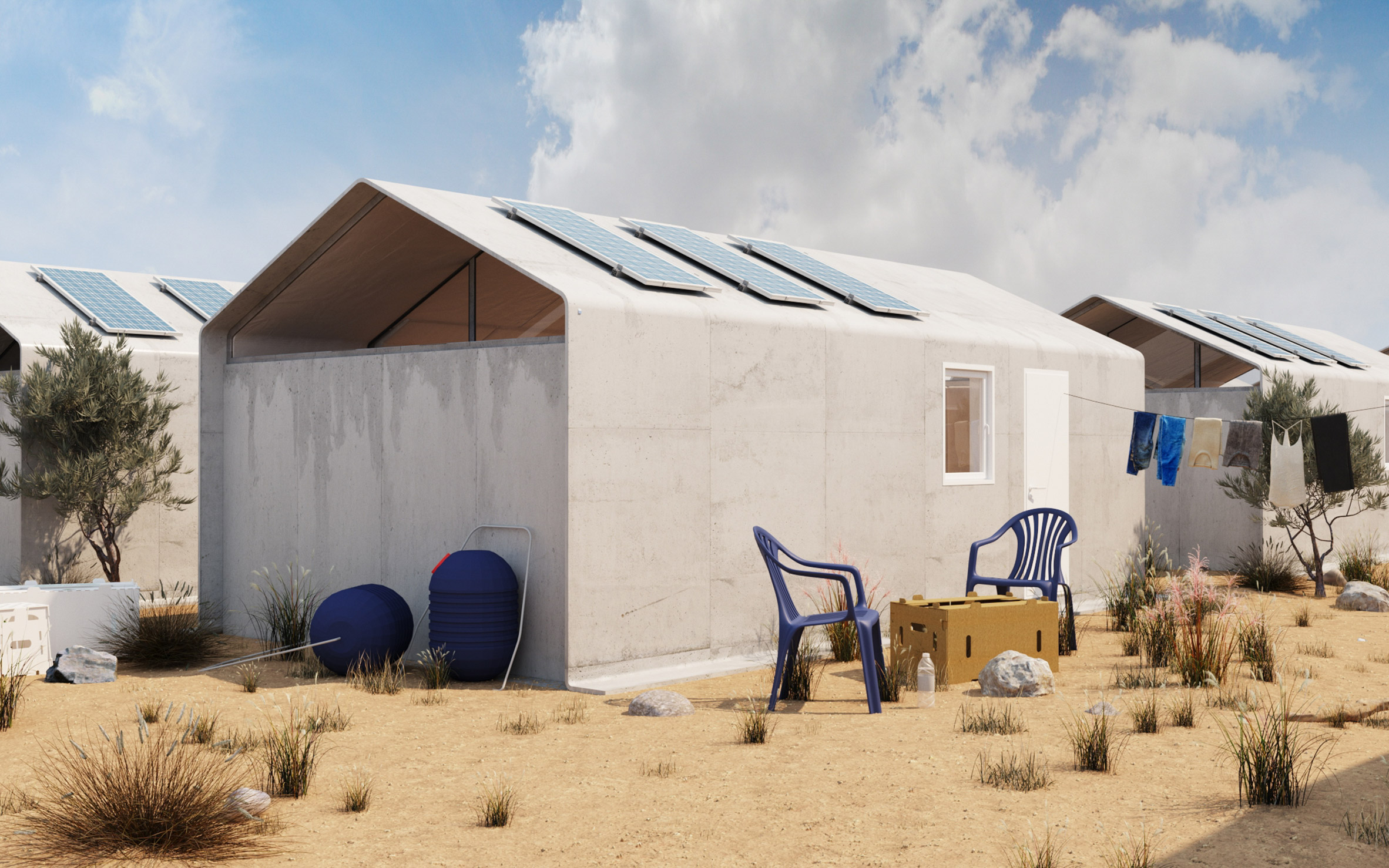
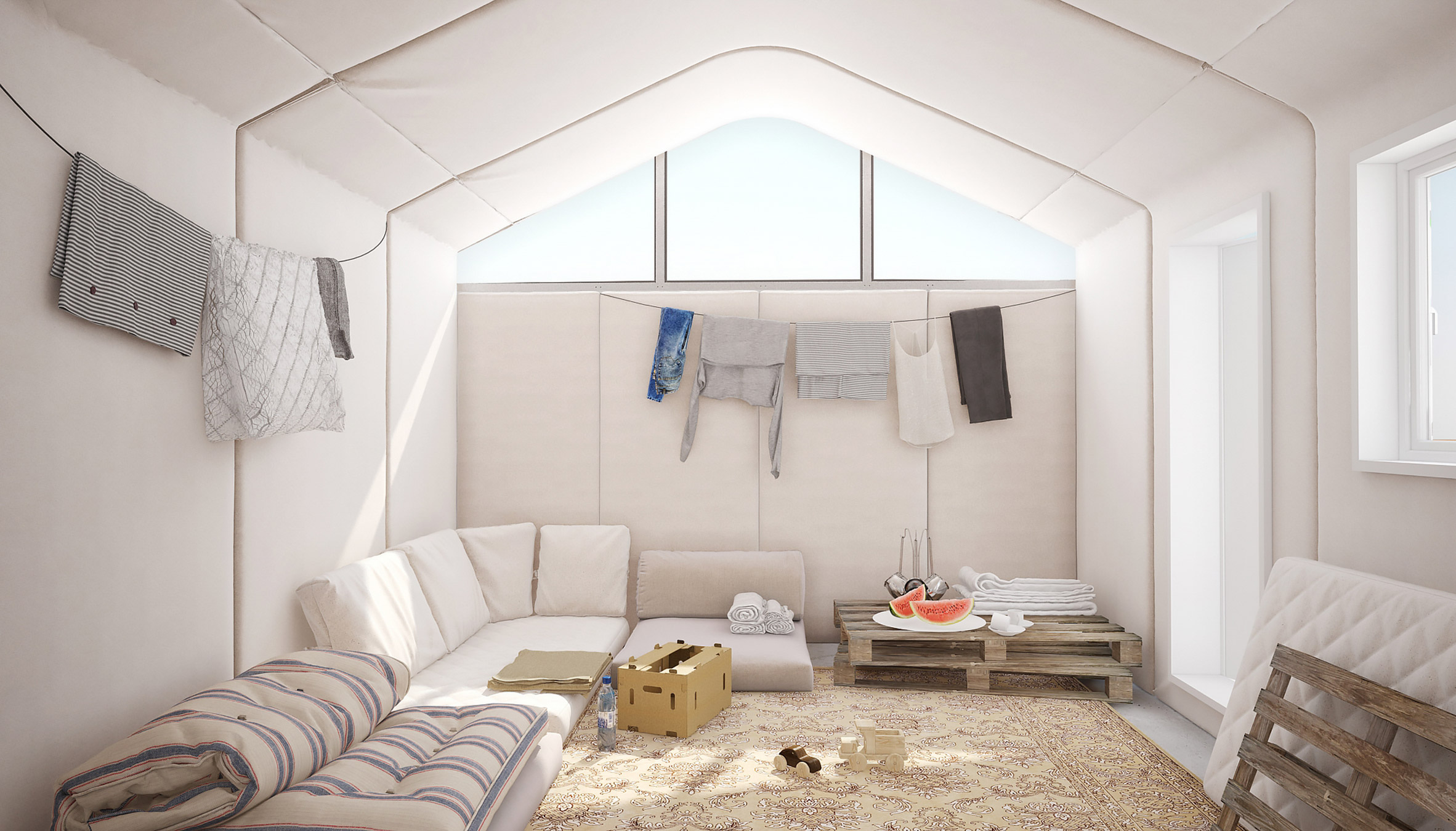
In many of the worlds’ largest refugee camps, the issue of space and safety are among the most pressing challenges and the lack of both of these provisions contributes to the wider concern pertaining to the presence of criminal gangs, and areas within the camps in which criminal activity has become concentrated. Here too, space plays a role and is used by the gangs as a form of currency, with the criminal gangs taking control of communal areas and regulating the access to vital amenities such as; Showers, Toilets, Kitchens, Storerooms and Health Care.
In response to these considerations, the Cortex Shelter successfully addresses many of the challenges faced by the residents and volunteers, that are living and working in the larger refugee camps. The strengths of the product are in its’ self-awareness and use of low-cost materials, and it is this awareness that allows for accessibility. The user is not required to possess any advanced knowledge of construction-techniques or specialist tools, thereby presenting the user with a ready-to-use product and an efficient solution to their housing needs.
School for Refugees, Tel Aviv by Sarit Shani Hay, Chen Steinberg Navon, and Ayelet Fisher.
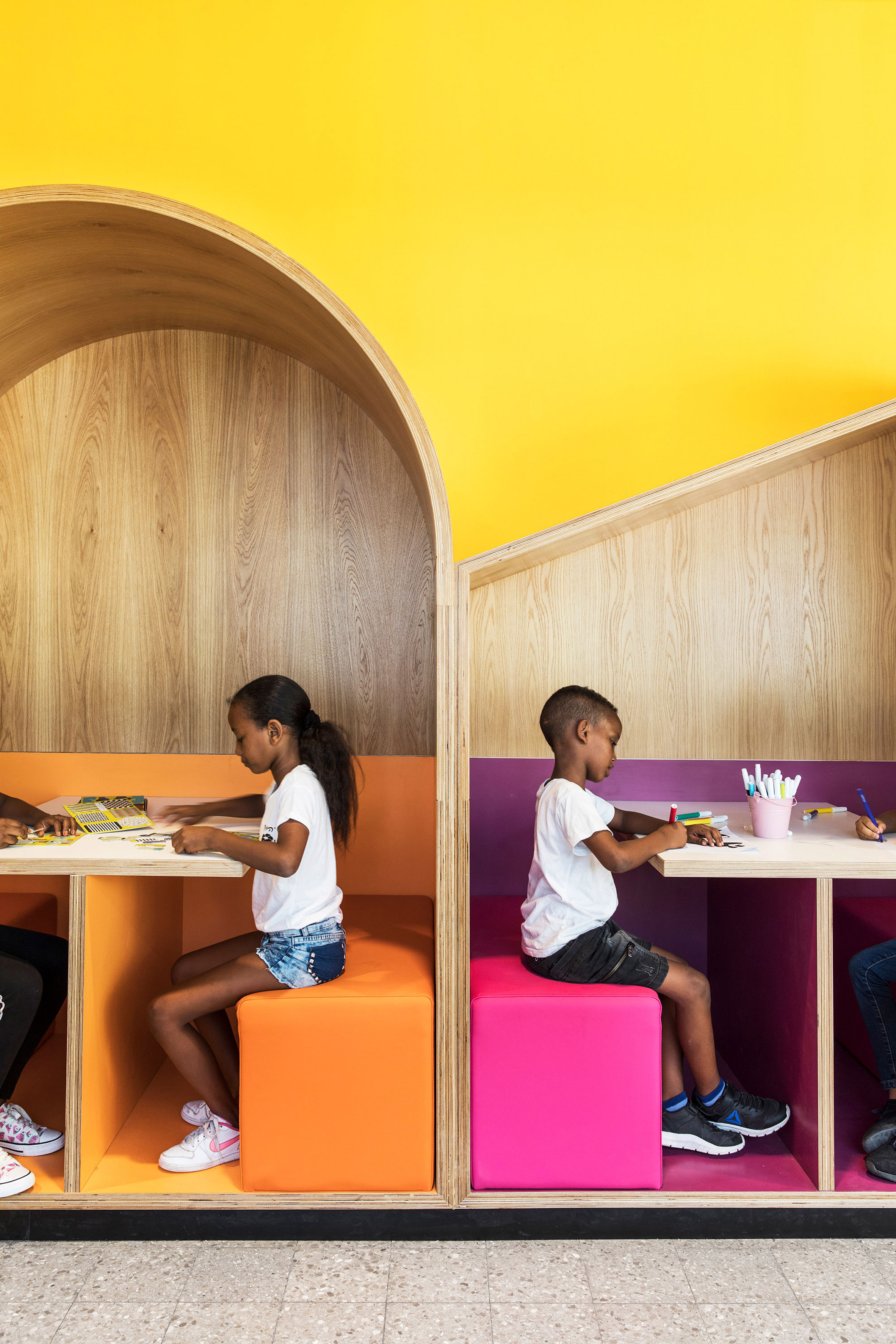
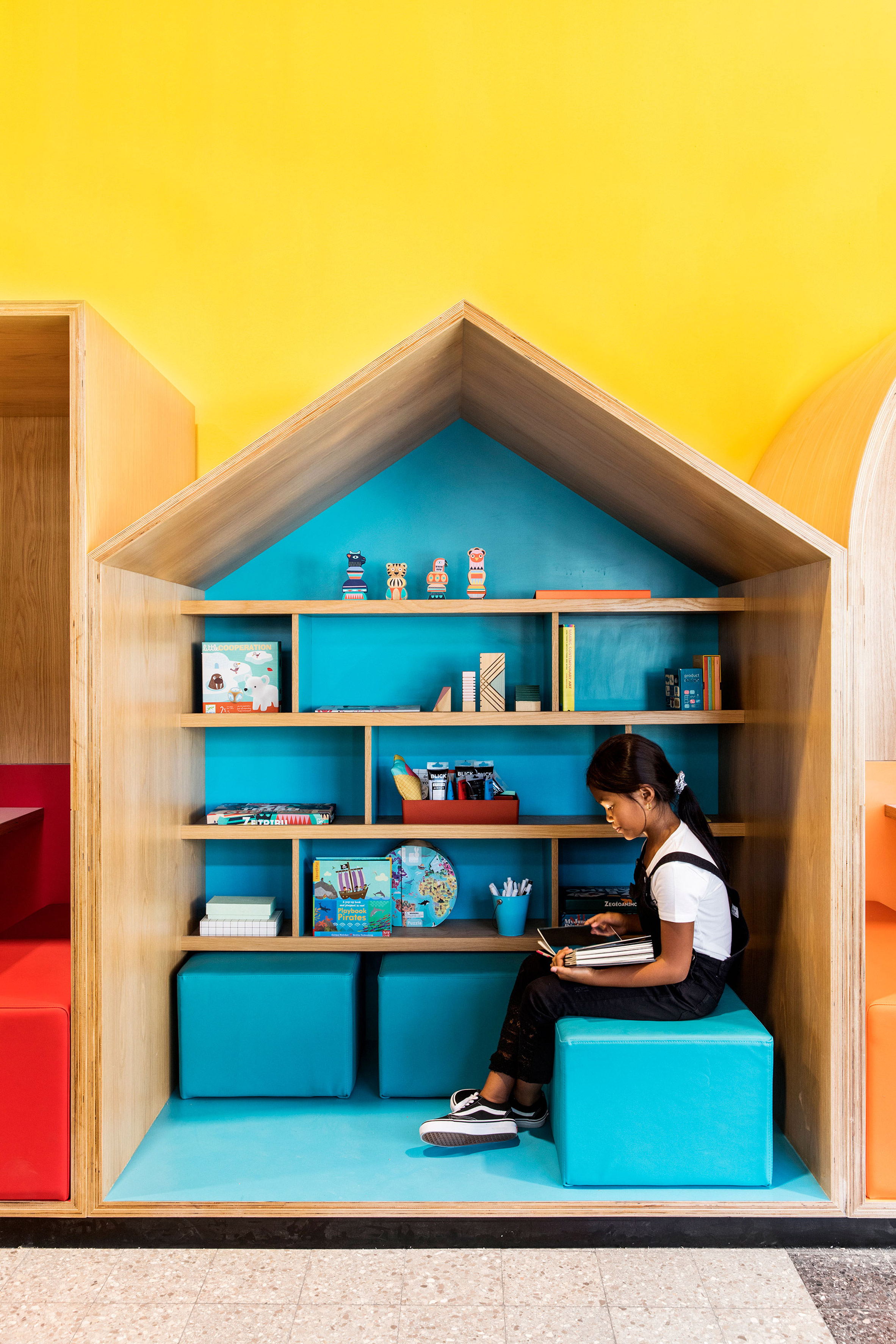
Photography by Itay Benit
With refugees making-up 10% of the population of Tel Aviv, most of which are from Sudan and Eritrea, there is a need for spaces that can accommodate the integration of refugee children. Due to the language-barriers and the practical limitations on educational facilities, it would be difficult to introduce refugee children into the state school system and so, the challenge then becomes one of allocating space that is fit for purpose.
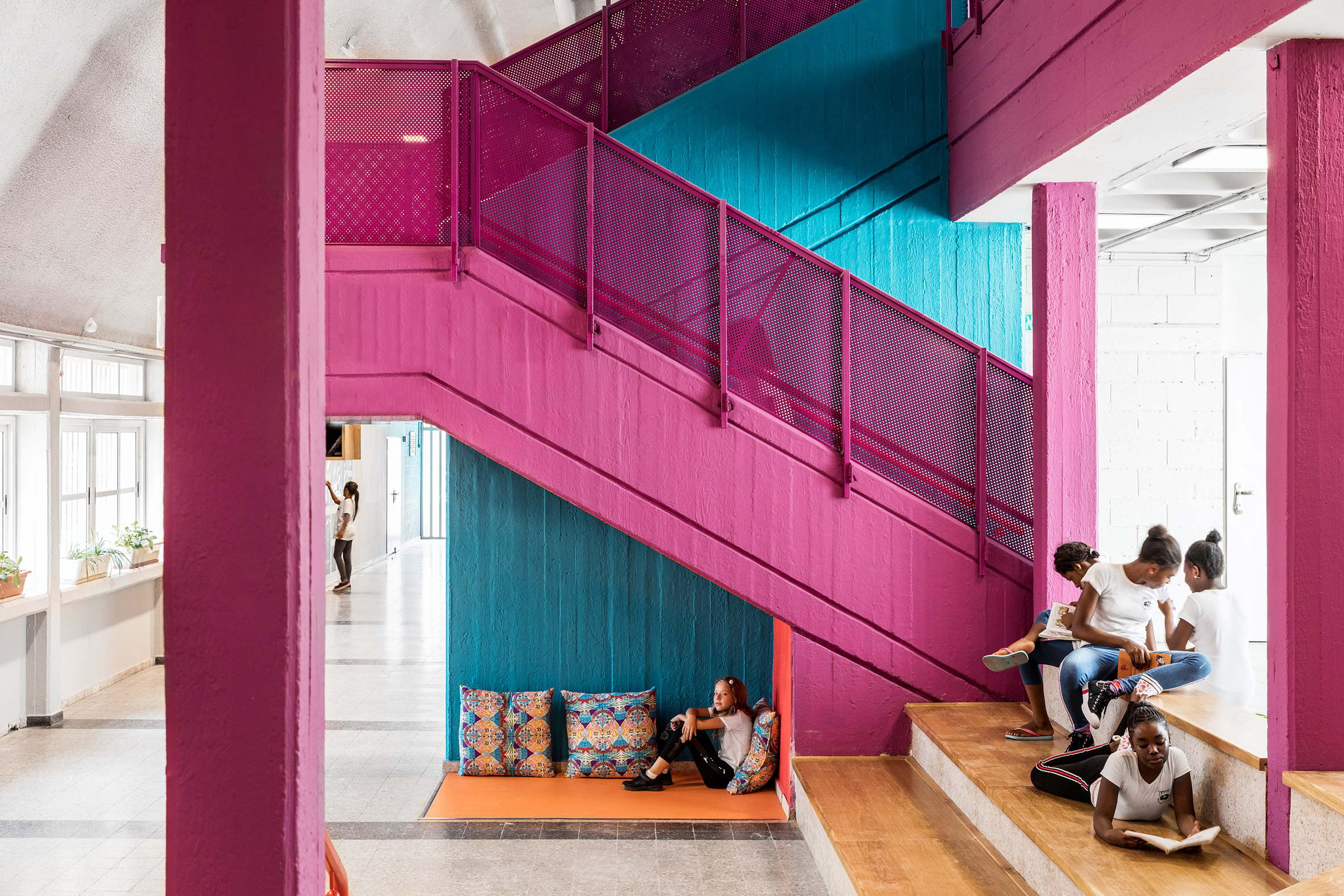
Photography by Itay Benit
Sarit’s team were tasked with the redevelopment of a school that was originally constructed in 1963, the building itself was now in desperate need of repair and in its’ current state presented a rather oppressive environment, with its’ eroded concrete surfaces and dark corridors. Therefore, the brief would focus on revitalising the ground floor of the building and endeavour to create a space that could be utilised efficiently, while also evoking a sense of renewal and positivity.
The case presents a number of interesting proposals in response to the question of integration. Firstly, the team have demonstrated the value of utilising existing spaces and secondly, they have shown effective use of simple design solutions and the potential that they have in realigning the tone of the existing spaces, which consequently changes how the students and faculty choose to use their environment.
Inside Lens, NHK World.
The Series Inside Lens focuses on communities across South-East Asia that are faced with overwhelming challenges, on a daily basis. The series takes an in-depth look at a myriad of subjects that include: Child-labour and the lack of educational facilities available to the poorest communities, Industrial-waste in China and the impact that it has on local residents, The caste-system in India and the crippling effect that this has on social-mobility, The energy crisis that is faced by many countries in South East Asia and the Japanese entrepreneurs that are undertaking the challenge of developing a solution for this problem, among many other subjects.
https://www3.nhk.or.jp/nhkworld/en/tv/lens/
Moodboards
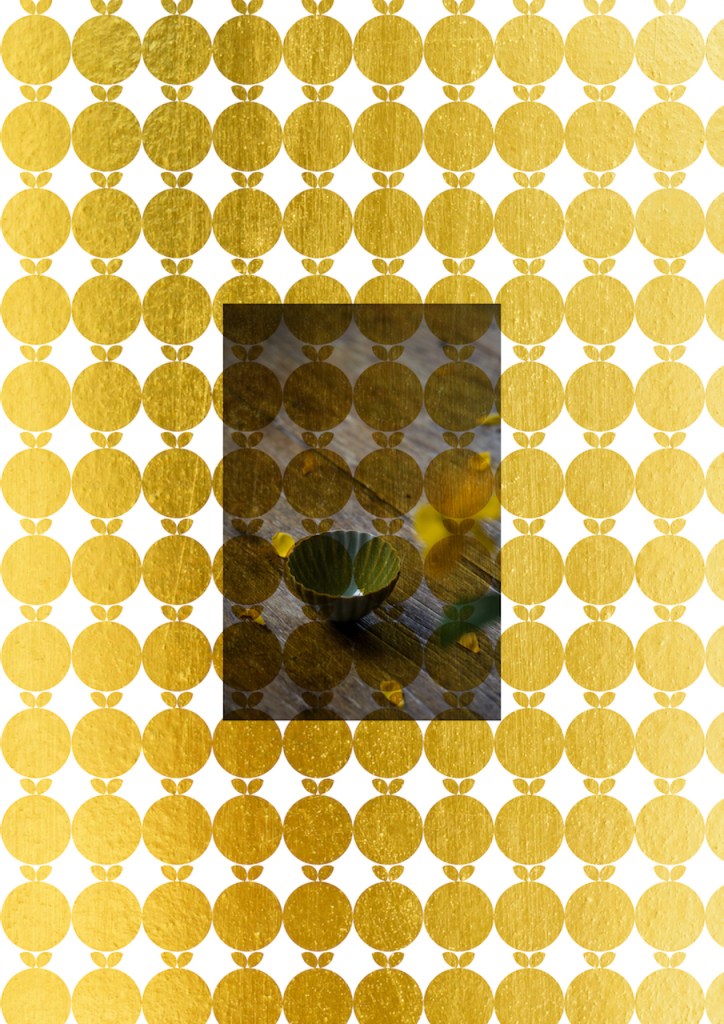
Mood-board_01: Food.
In-keeping with the notion of food as a universal theme that transcends language-barriers and cultural-differences, I have attempted to communicate the simplicity of this method of reconciliation.
The gold apple is a reference to the Garden of Eden and the riches of the Middle East, and the role that faith has to play in the relationships between the various groups of displaced persons.
I have opted to use the simple form of a bowl to explore the idea of being bound to another individual through the act of eating, taking inspiration from the practices found within the Japanese Tea drinking ceremony.
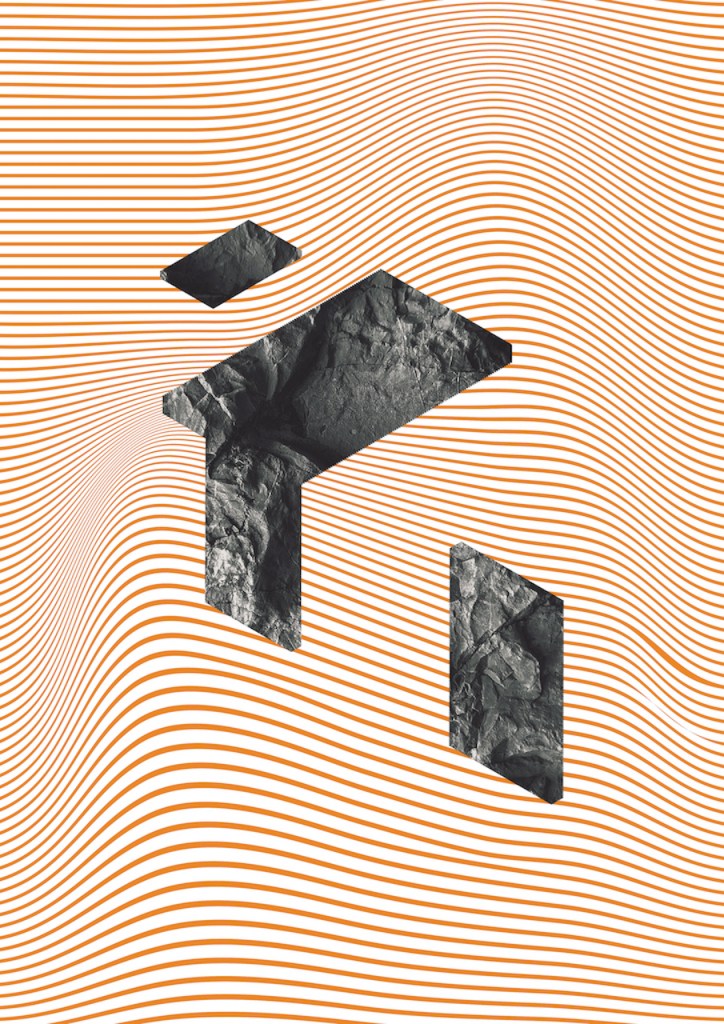
Mood-board_02: Navigation.
For many of the displaced persons residing in the processing centres and affiliated residences, attempting to maintain a balanced state of mind can be difficult after having traversed such long distances, under the most difficult circumstances. I have witnessed this exhaustion first hand, through my own engagements with the refugee and asylum seeker community.
Here, I attempt to illustrated this journey through the use of a simple visual language.
The repetitive lines are reflective of the violent currents found in the open waters of the Mediterranean, and the use of Orange reminds us of the colour of the life-reserves, that have become a visual reminder of the loss of life over recent years.
The geometric structures are there to communicate the complexity and methodical nature of the processes that displaced persons have to undertake, oftentimes victims of bureaucracy.
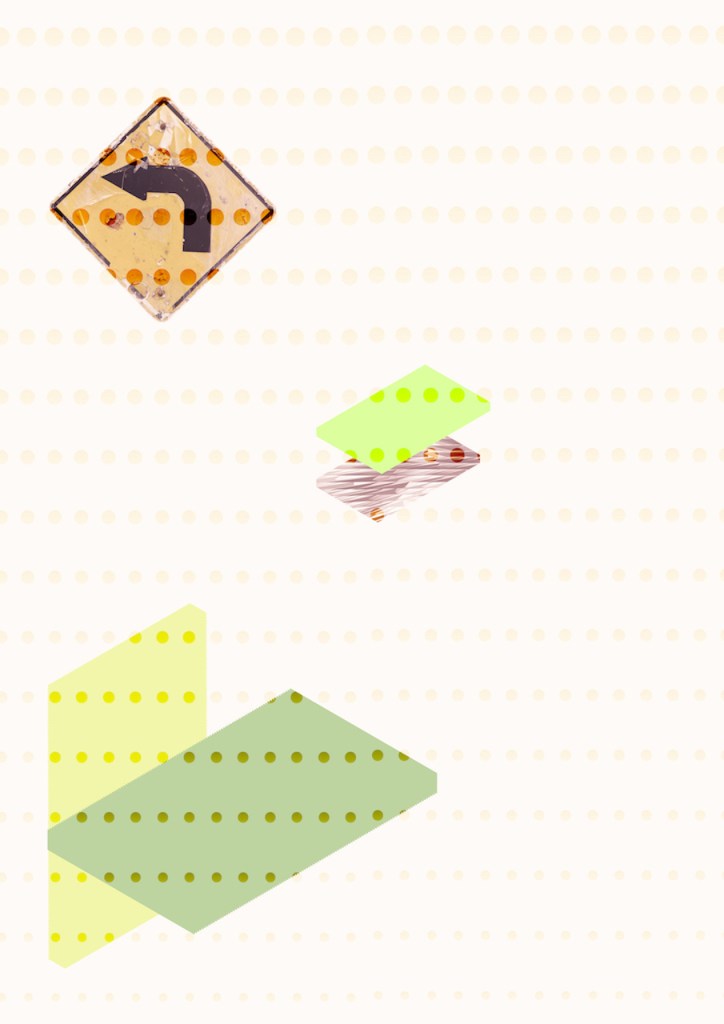
Mood-board_03: Integration.
Integration, this is at the core of my design-strategy and is one of the key objectives in this project.
Here, I have attempted to explore this process through the use of architectural elements and industrial-textures.
The repeating of the dots indicative of the processing of the displaced persons and how the process itself has reduced the human experience to a numerical value.
The shapes are there to illustrate the concept of home and the deconstructing of that idea on a psychological level.
Positioning Statement
Leaving home can be difficult, the relinquishing of familiarity, comfort and security can have a detrimental effect on your mental health and how you perceive yourself through the lens of society-Where do I belong in all of this?
For a displaced person, this experience is underpinned by violence, poverty, hardship and condemnation. All of this serves to disrupt and redefine the lives of those effected, and in the process take all that they hold dear. The lived experiences are incredibly destructive and further contribute to the isolation felt by so many displaced individuals, resulting in all manner of challenges when they are eventually granted refuge in the western countries.
As a consequence of the convoluted messaging that is perpetuated in the global and domestic media, the narrative pertaining to what it means to be a displaced person has become exclusively political, resulting in a socio-political divide in many countries and widespread condemnation of all displaced persons across the political spectrum. This negative messaging has trickled down to the general populace and has now become yet another obstacle that must be confronted by those seeking asylum in the west.
It is my intention to restructure this narrative through the use of grass-roots strategy and local initiatives, primarily aimed at young people between the ages of 11-25yrs, in an attempt to promote engagement and the sharing of experiences between the local populace and the displaced persons. I intend to employ holistic strategies to provide an element of mental health care for the displaced persons, that have been granted asylum and are in the process of being resettled into communities all across the UK.
References:
Cogley, B (2019). Colourful booths enliven Hayarden school for refugees, Tel Aviv. [online] Dezeen. Available at: https://www.dezeen.com/2019/02/11/hayarden-school-for-children-of-refugees-tel-aviv/ [Accessed 11th Nov. 2019].
Week_o8
Please complete all the tasks required, as they count towards your final grade.
- Distill your research from the previous four weeks, to inspire the concept development of your project brief. Post initial thoughts onto the Ideas Wall for peer reflection.
- Collaborate with peers and staff on the Ideas Wall and contact any relevant research groups or industry professionals to seek advice and feedback on the direction of your project brief. Elaborate your discussions in your blog.
- Design and deliver a range of concept developments and post them onto the Ideas Wall. Elaborate and expand on any feedback in your blog.
This week the creative practitioners answer the following question:
What methods and approaches do you take to aid idea generation and an in-depth project outcome?
Lecture notes:
It can often be difficult to start the process of ideation, often-times a creative will require specific tools or precise environmental conditions in which to work before they can begin to engage with their respective process. For others, myself included, the task of generating initial-ideas begins with a certain degree of intuition, quite simply it starts with putting a mark down on paper and following that point on a journey through a narrative. How you place that initial mark will vary subject to the individual’s respective skillsets and experience.
This certainly seems to be the case at FELD as we are told that, for them it is about the act of creating a point at which to begin, and not being afraid to fail in this endeavour, as failure itself is a learning process that can, in-turn, inform your initial-ideas. Equally as important to their process, is the time that they spend “living with” their ideas, an experience that will often lead to further analysis of the initial ideas, and the continuation of the exploration of the most effective design solutions. At this studio, the freedom to explore the breath of ones’ ideas is advocated and encouraged.
In contrast to the approach taken at FELD, the approach taken at Accept and Proceed is one that is built on Crowd-storming-A process that consists of group-focused analysis of the brief and the gathering of as many perspectives as viably possible, in order to provide as much valuable information as possible. This can then be used to establish a relevant design-strategy, that allows the studio to consider not only the client’s needs, but also the needs of the consumer. By doing-so, the team is able to identify the core values within the design brief and progress them through to the next stage of the project, that being the process of ideation.
For Studio Dumbar, this will consist of an extensive analysis of those values and how they will inform the research methodologies, going forward. Throughout this process, the whole team will participate in the continued analysis of the core values, with the aim being to understand how these values will inform their ideas, and how their proposed solutions relate to the objectives within the client’s design-brief.
Eden Spiekermann, like studio Dumbar, place an emphasis on inclusive feedback and group-orientated workshops, here they emphasise the importance of including an eclectic array of specialists in the team, in order to evaluate their ideas from multiple perspectives and to establish the viability of their initial-ideas. This is a well considered approach, as it allows the team to establish the fundamental considerations for the project and provides their design-team with a solid foundation from which to begin.
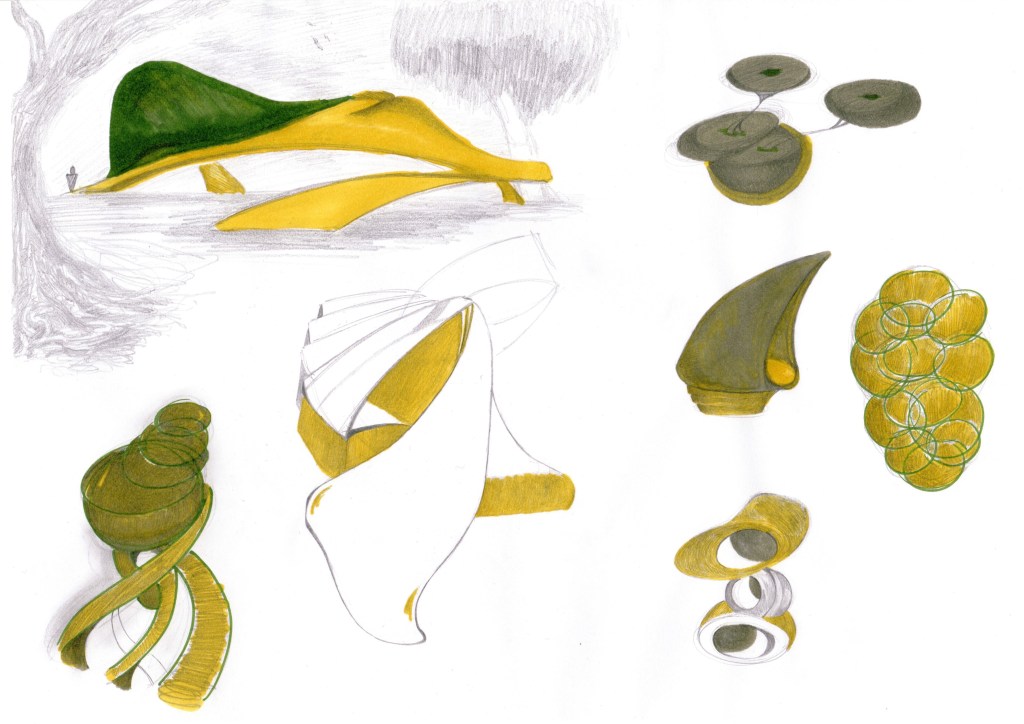
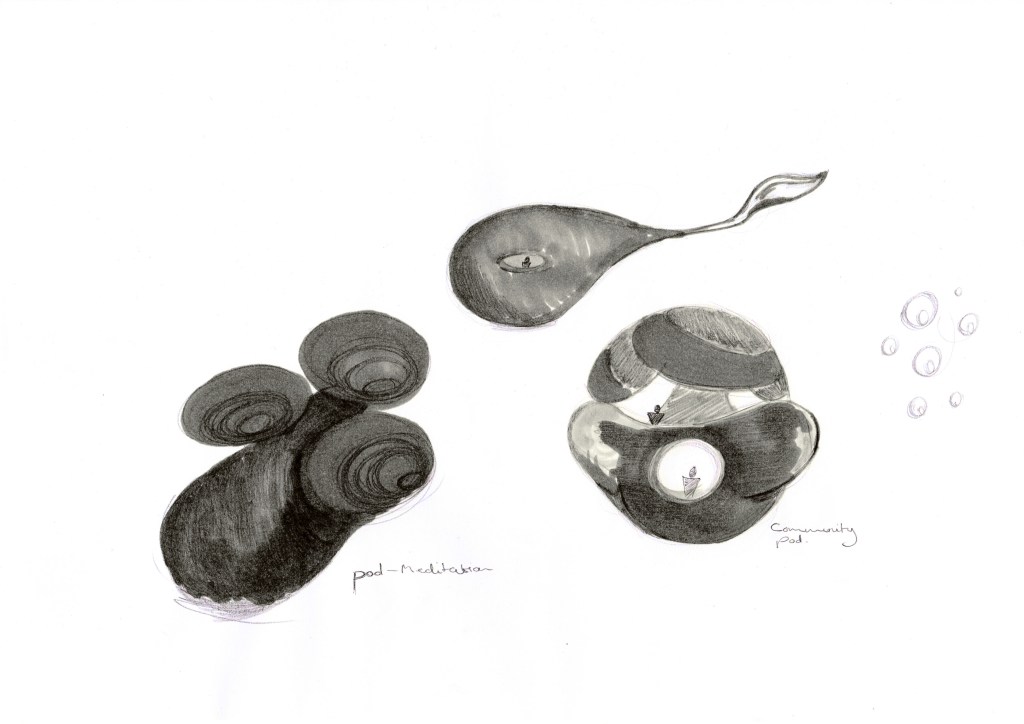
Initial Concepts

Week_09
By the end of this week you should be able to:
- Distill your initial project concepts and select one route to deliver as a final outcome.
- Research innovative design thinking, production, media and format relevant to your project brief, to ensure you develop a fresh insight.
- Design initial visual routes for your selected concept that utilise your research into innovative design thinking.
This week the creative practitioners answer the following:
Please describe a case study when innovative design thinking and fresh insight enabled a surprising project outcome?
Lecture notes:
The design process stage is oftentimes when many practitioners find themselves unable to translate their vision into a practical, physical manifestation. I think this is particularly true in relation to students and junior members of the team, as they are either lacking the necessary experience or do not possess the skills that are required to transcend the multiple roles one must adopt, when undertaking any project of a significant scale.
At FELD, the approach includes having a comprehensive knowledge of your client and their team, and ensuring that your design-strategy accommodates the requirements put forward by each element of that team. In doing so, you are collecting valuable information that can then be applied to your design-strategy.
As the project progresses, it will be of detrimental importance to reflect on the steps that have been taken thus far, and in the process return to your design brief in order to measure those decisions against your objectives. When doing so, it is important to analyse your work through an objective lens. In this way it is therefore possible to develop a measured process, that will allow you to compartmentalise the separate stages within the design development stage of your project.
There are many points to consider during this phase of your project, and it is important to plan how you intend to tackle each of the requirements that are present in your design brief. For example, If the final outcome is due to be located within a public space, how do the limitations of that environment impact the design of the outcome? In answering this question, one would have to consider all manner of external factors such as: Health and Safety, User liability, Terrain and Weather patterns, The proximity of any perceived risks such as rivers, roads, and rail-lines, The space required to construct or interact with the proposed outcome, The suitability of the chosen materials used in the construction of your outcome, Will you require an energy source and does the selected locale accommodate this need?, among many more considerations.
The case-study presented by Accept and Proceed poses an interesting talking point and in-doing-so, questions how we approach the development of our designs. In making use of the process of data-visualisation the team had developed an innovative strategy that had allowed them to reposition their client’s brand and reinvigorate the sport of competitive cycling.
Studio Dumbar advocate a similar view in the approach to their professional practice, with a focus being placed on identifying a unique vocabulary that will allow them to communicate their clients brand, using methods that pose new ideas and result in thought-provoking discussion within the community. In this endeavour they seek to question the accepted methods of practice and to discover areas in which they can pursue the exploration of the subject-matter further.
The formats that are used to frame your message, and the context in which they will be staged, are going to play a formative role in the success of your outcomes. Therefore, it is important to reflect on these points during the development stage of the project and to anticipate, how your target audience may respond to the decisions that you are making. Remember, public opinion is subjective and can present all manner of challenges to your design brief.
Initial Visual-Routes:



Week_10
Well done for completing the Design development | Peer reflection, thinking by doing, testing and refining design challenge for Week 10. Next week we continue to look at Design development.
- Design your selected project concept. Post visual developments on the Ideas Wall and use your blog to elaborate on these experiments.
- Collaborate with key stakeholders to gather feedback and ensure that your project aligns with your target audience. Post any feedback on your blog and analyse how it can inform the delivery of your final outcome.
- Make prototypes and user test your design developments. Post images of these tests on the Ideas Wall, to gain student and staff feedback, and use your blog to rationalise the results.
- Collaborate with peers and staff on the Ideas Wall and engage with relevant research groups, industry professionals or key stakeholders to refine the visual direction of your chosen project brief. Use your blog to elaborate on your discussions.
This week the creative practitioners answer the following:
Please identity and explain a development process / activity where you had to evolve a more revolutionary approach to solve a project?
Lecture Notes
The team at FELD have had a number of opportunities to reflect on and engage with the relationship between consumer and the innovations taking place within the field of technology, and it is through these engagements that the studio has learnt how to adapt to shifts in the development of new technologies and consumer trends. In a number of instances this has manifested in the team having to take a less linear approach to how they answer the client’s brief.
As industry becomes more intrinsically connected to technology and innovation, the traditional paradigms will have to be reconsidered. This will in-turn lead to a restructuring of the auxiliary services that surround the industrial complex. And such changes in practice are already in evidence across many of the global markets.
For example, the with accent of social media we have witnessed the emergence of new industries in many of the worlds’ markets, with entire economies being largely reliant on the revenues from the supporting industries that exist around social media platforms. The same shifts in technology have resulted in social and political changes across the spectrum and have fundamentally changed how we interact with each other and our environment.
For me, one interesting question that emerges from this development is: In a post-social media society, how do we structure the environments in which we live? In answering this question, we could examine the changes that have taken place on our local high streets and how these responses to consumer-needs have resulted in a largely service-led centric landscape within the towns and cities of the UK. Therefore when choosing to order our goods online, should we be considering the impact that this will have on the local economy or the cultural identity of our towns and cities?
In choosing to use an algorithm to generate the content for a public engagement campaign in and around Canary Wharf, is the team at Accept and Proceed contributing to the decline in social interactions within the community by choosing to utilise a none-personable methodology? Could a more relevant and personal set of messages be acquired by employing a more direct form of engagement with the residents of Canary Wharf?
In answering this question, we can consider the role of the outcome relative to the process. We may begin by asking ourselves, what is an outcome? And how do we define the answer to this question?
In regard to the case study presented by Accept and Proceed, would it be accurate to state that the outcome is the process itself? By using an algorithm to explore the generation of ideas and content, the studio is presenting the client with a unique solution that does indeed fulfil their needs and answers the brief, that was presented to them at the beginning of the project.
This redefining of working practices will too, have a formative impact on studio-culture and the functioning of the wider industry of visual communication. For example, by choosing to adopt processes such as the case in-hand we risk too, the roles of those within the studio and this in-turn contributes to a restructuring of the studio hierarchy. Therefore it is not unacceptable to suggest that with such processes becoming more common within contemporary practice, we may in the coming years be faced with fundamental questions pertaining to the role of the professional practitioner and the value of our position within professional practice.
In going forward, we as a community should be mindful of the choices we make, and how we choose to engage with innovations in technology. This is particularly important in relation to how we position our respective practices and the types of services we choose to offer. For an example of how important such choices are, we only have to direct our attention to the internet-bubble of the late nineties and early two-thousands, and how entire industries built there companies around the latest innovations in technology, only to see them fall victim to the crash in the market that took place several years later. I believe we are witnessing a similar hysteria and enthusiasm, in our willingness to adopt an App for any given need that we may have. The results being a market that is convoluted and populated by inferior products, that present all manner of questions pertaining to ethical practice, cyber-security, and the developmental-risks posed by such platforms, to our children.
Design Developments
Week_11
- Design and refine your final project outcome. Post design developments on the Ideas Wall and expand the discussion in your blog.
- Communicate with peers and staff on the Ideas Wall and post engagement with research groups and industry professionals in your blog.
- Collaborate with key stakeholders and gather feedback to ensure your project aligns with your target audience. Post the feedback you receive in your blog and analyse how it can inform the delivery of your final outcome.
Final Design proposals:

Week_12
- Make and deliver a five minute presentation (Video, Keynote Presentation, Interactive PDF or similar) to evaluate the success of your industry project. Add initial reflections onto the Ideas Wall, to gain peer reflection, and post the final presentation in your blog.
- Communicate an evaluation of the industry set project outcome and reflect on the project evolution, strategy, innovation, user testing, positioning, final delivery and success at reaching the target audience. Post your final analysis in your blog.
- Design and deliver the final outcome of your industry set project. Post visual developments on the Ideas Wall, including the final outcome, and use your blog to reflect on detailed development.
Final Outcome



Five Minute Presentation.
Project Evaluation:
The catalyst for the selected outcome has its roots in my experiences in working with a local, Syrian refugee support group. It is through this group that I had began to gain insight into the human stories that are at the core of the news-reports and newspaper articles that we consume, on a daily basis.
In-part, this project sets out to answer the question: What does it mean to be human? and in endeavouring to answer that reflection, I had wanted to demonstrate the viability of design-thinking as a solution to solving some of the challenges, that we as a global community now face.
The mass-migration of displaced peoples has been at the centre of many of the political debates, in recent years. Many politicians have capitalised on this divisive issue by advocating the use of mis-information and propaganda campaigns, in their efforts to win-over large swathes of the British public. By politicising this subject the discussion has now become one that is lacking any semblance of humanity or common decency, with the human element being largely forgotten. It was with this conviction, that I had decided to pursue a design strategy that was built on a desire to reinvigorate the discussion around the plight of those displaced-peoples, currently awaiting processing all across the UK. Many of whom are reliant on the compassion of charitable organisations and Church-led groups comprising of volunteers.
For many of these individuals arriving in the UK, as part of the commitments made by our government, it marks the start of a process of application that can take many years to complete and in the interim, they resign themselves to being unable to settle their families, pursue employment or apply for vital documentation. As a consequence of this treatment, and combined with abhorrent treatment that they had undergone in order to secure passage to the west, many of those concerned have developed mental health disorders. Treatment for which, will be unavailable to them due to the restrictions that have been imposed on them.
Through having had many conversations with a broad array of displaced peoples from all over the world, one of the consistencies in our discussions is their respective desire for personal space. It is evident to me, that this arrises from having been confined to sharing a limited space with so many others, for a prolonged period. Therefore, the provision of space, specifically one that would accommodate the wellbeing of the user became a key feature in my considerations, going forward.
Subsequently, I had begun to focus my research on experiential-design, with a convergence on exhibition-design and the management of space within architecture. Taking a less linear approach to the investigation into how we as a society manage the allocation of space in relation to the needs set out in Maslow’s Hierarchy of Needs, I carried out research into the disparities between residential-spaces, concentrating on cities such as Tokyo, Beijing, NewYork and London. Space, was seemingly in short supply and it was also evident to me, that the lack of this commodity was having a detrimental effect on the mental health of the citizens in these cities.
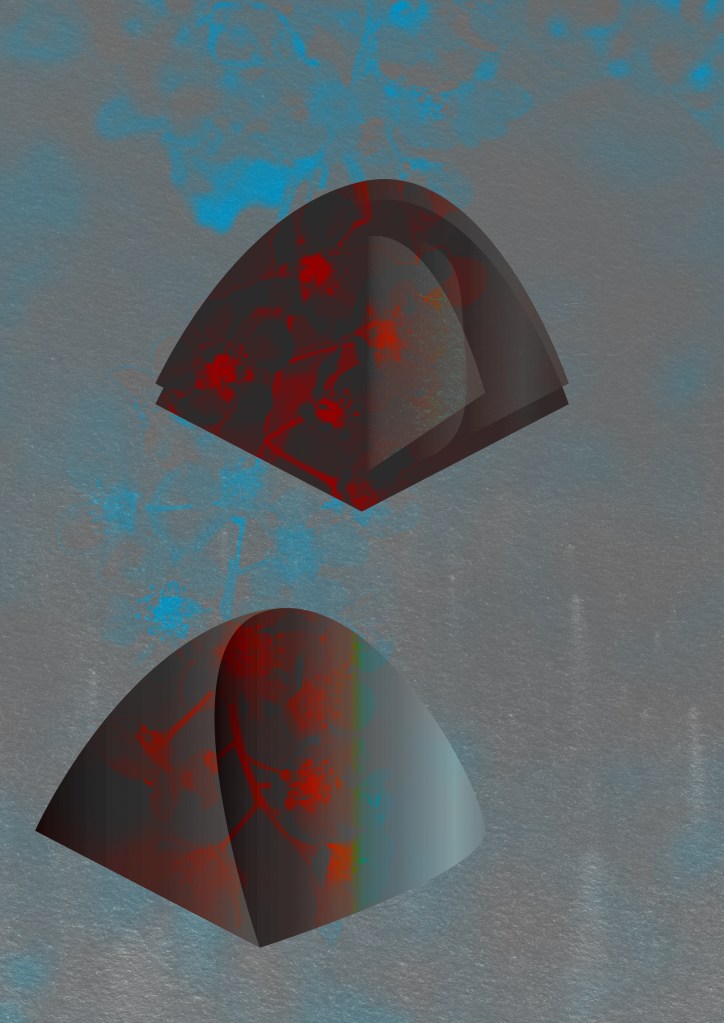
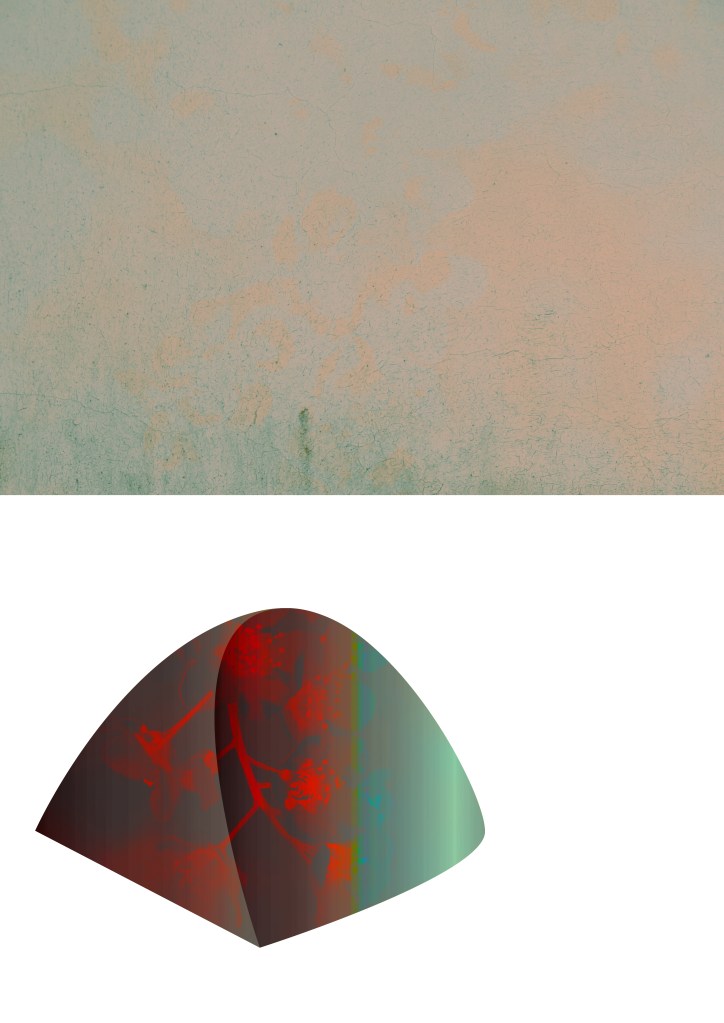
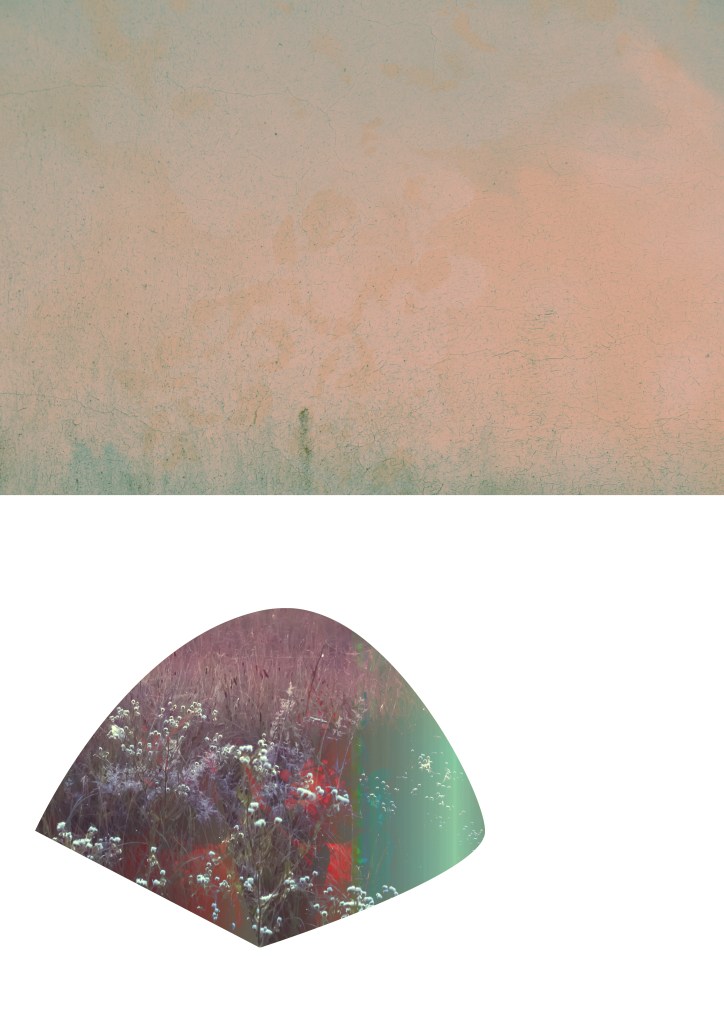
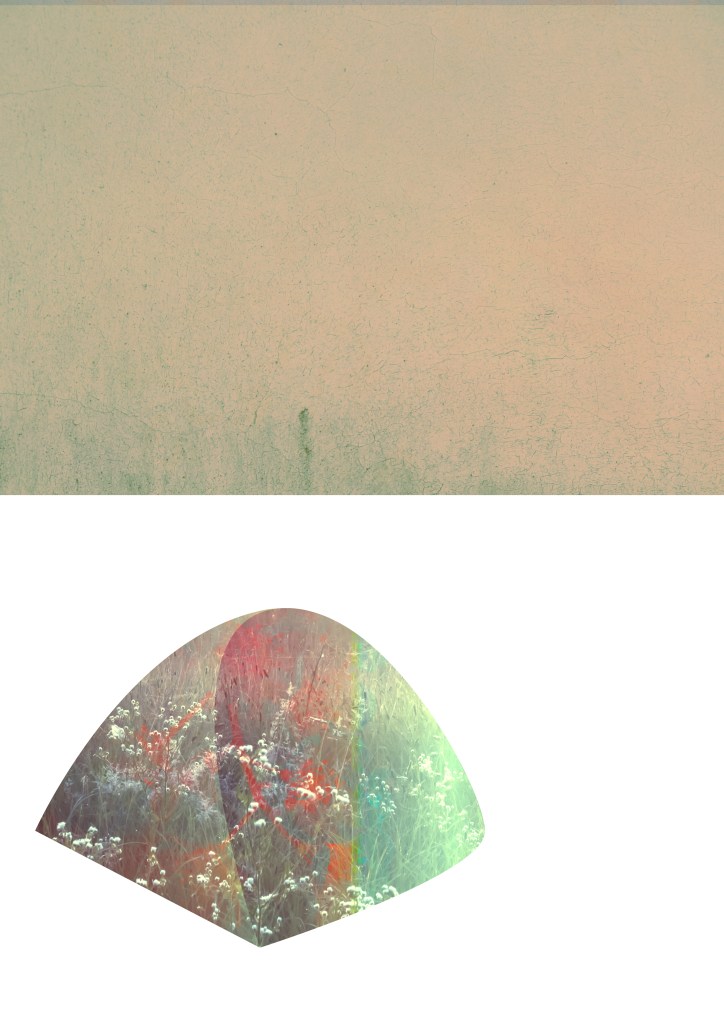
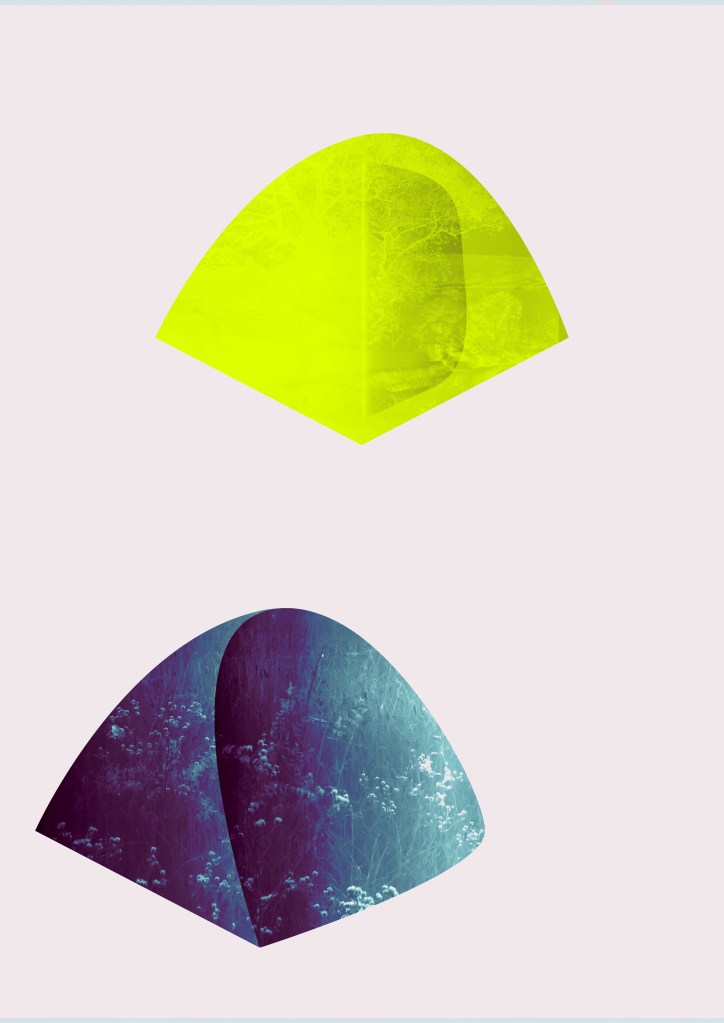
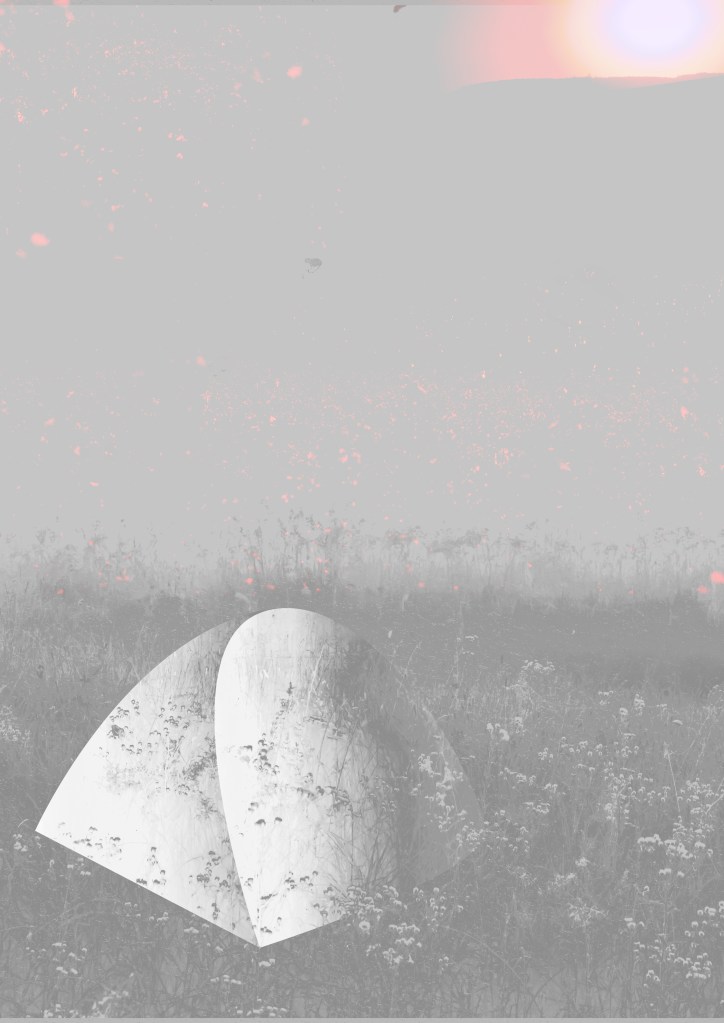
The design-development stage of the project focused on the relationship between the user and the structure. It was my intention to develop an environment in which the individual could feel safe and removed from the crowded situations, to which they had become all too familiar. Through the use of materials that would react to moisture and changes in the UV Levels, I had envisioned a sculpture-like modular unit that would house a single individual and serve to provide them with a serene environment, in which to relax and reflect. The structure would be able to be erected in most environments and operate much in the same way as a portable, one-man tent. The thinking behind this was that such objects would be easily transported by hand and therefore, provide easy access to the user.
In-closing, I am inclined to reflect on the value of personal space and the risk to our mental wellbeing when that space is taken from us. For a displaced-person that need is even greater and it was the intention of this project to answer that need. And I believe, that in providing an easy access space that provides the user with a some semblance of comfort and respite, I have provided a solution to the original design brief.
 JohnPrinceBranding