History and Futures
Week_01
Complex simplicity: History Revealed
Studio practice:
Discover and analyse a selection of contemporary and historical letterforms that define the identity of your location.
Research and document the typography in your location and upload them onto the GeoType Wall.
Distil and edit your letterforms down to five examples you think best define the identity of your location.
Deliver a short written description to contextualise and communicate your research into how type design reflects the identity of your location.
Collaborate through group discussions on the Ideas Wall.
Research: How does Typography inform the identity of a city/town?
The typographic narrative that is present in Leominster is, in my opinion, typical of a market town in England. By typical, I mean to say that it is wrought with tension and engulfed in a self-perpetuating battle between the pleasantries of the past and the desperate, economic need to embrace an unknown future.
The first chapter of this story is built on the history of the town itself and is conveyed through the implementation of an array of serif fonts, often accompanying the branding of a local business. With the selected fonts presented in a manner that aspires to communicate the values of the town: Traditional, Proud, Respectful, Industrious, Cultured, Consistent, the town endeavours to project an identity that seeks to communicate an idyllic interpretation of itself. This message is conveyed through the use of serif fonts, script fonts, and decorative fonts-All of which are imbued with an aesthetic that evokes nostalgia.
“A good typeface creates an emotional response in relation to the message it is conveying,” Jonathan Barnbrook, founder of the website Virus Fonts, told the BBC. “You’re trying to get that tone of voice right—you can shout or whisper. And you want to sum up the spirit of the age, because they do date quite quickly.”
In response to this attachment to the past, and how detrimental this can be to a small rural community, we can observe the presence of a more contemporary and unified typographic language, in the form of signage and word-marks. These communications represent the large, international conglomerates that small towns such as Leominster have come to rely on economically.
Culturally, the typographic language adopted by the town is reflective of the mindset that has established itself here. The businesses a reflection of the social hierarchy and the disparity in the income of the town’s residents. A predominantly upper middle-class area the town is home to businesses that reflect the affiliated pass-times of such social groups. The presence of this class system is evident too in the selected typography and permeates the subtext of the messaging therein. Therefore, we can state that typography is able to communicate large swathes of cultural-data, through the use of colour, shape, and letterforms. And working harmoniously, these elements can forge an emotional connection with the reader and communicate the identity of the collective, as well as the singular.
A Brief History of Leominster, Herefordshire.

Leominster is the largest of the five market towns in Herefordshire, situated twelve miles from the Cathedral city of Hereford the town boasts picturesque views and a rich history that can be traced back to the period known as early, pre-history.
There is much uncertainty pertaining to the naming of the town, with the explanations ranging from linguistic in nature to the purely fantastical. However, it is widely accepted that the name Leominster is constructed from a two part structure. The first part, that being Leo is a corruption of the Welsh word Lei, meaning to flow and is believed to refer to the geographic relationship between the town and the rivers Orney and Lugg. The second part of the name being the suffix, Minster and refers to a Christian community or Church.
A second explanation references the Anglo Saxon Earl known as Leofric, whom had held dominion over the area during the 10th and 11th Century. It was during this period that Leominster became know as a centre for excellence in the raising of Ryeland sheep and so valued was the wool, that it became known as Leominster Ore (Gold).
In 1121, Henry the 1st Gifted the land and the town to the monks at Reading abbey and they used the revenue that had been generated by the lucrative wool trade, to erect a Benedictine abbey in the centre of the town. This structure was later subject to raids by the welsh armies led by Owain Glyndwr and invading, Viking war-bands. Today, the site is inhabited by the Priory and continues to serve as a centre of worship for the town and the wider community.
The town has played a prominent role throughout the history of the British Isles, from post Roman Britain through to the Industrial Revolution and beyond, the town has been at the forefront of the economic and political landscape of Britain.
From approximately 1748-1754 Leominster was home to one of the first four Paul-Wyatt cotton-mills in the world As a consequence of being home to such an innovative production facility, the town had enjoyed a period of prosperity during this time.
Workshop Challenge
This week we were tasked with documenting the typographic identity of our local area.
For this task I had chosen to record my findings using the camera on my phone, as this method would allow for a more practical approach to the task at-hand.
I began the week by walking around Leominster, beginning at the centre of town and setting forth on a cyclical route that would allow me to observe much of the towns layout. I placed an emphasis on observing the layout of the streets and how this related to the history of the town. With much of the original architecture still present, many of the buildings can be read as a visual-history of the town and its fortunes.
I was intrigued to discover a visual-dialogue that was seemingly present at various points on the chosen route. It seemed to me that this narration reflected the changing fortunes of the community and more interestingly, the spiritual identity of the towns inhabitants. This was particularly evident in the number of buildings that had at one time served as a church or home to a church-affiliated organisation. Subsequently, I had began to reflect on how this occurrence reflected too, the decline in the role of the church as a foundation stone of the community here, and in many of the rural communities across the UK. If this is the case, we could view the typographic legacy of such institutions as a social-commentary.
In-keeping with this notion I further analysed the interplay that was taking place between the typographic-narrative and the towns history, as a centre of worship. This was further demonstrated by the emergence of a more contemporary vocabulary in the form of Sans Serif letterforms, which announced the arrival of a post-modern philosophy, that was in direct contrast to the more traditional cultural-identity, of the town itself. This minimalist aesthetic was indicative of the changing cultural landscape and the emergence of the large international conglomerates that have established outlets, here in the town.
The presence of these multi-nationals has begun to dictate the visual narration within the town-square, and is in-conflict with the many decorative fonts that are synonymous with the local businesses. The subtext of the sans serif fonts can be read as advocating progress and a breaking with the past, where as many of the decorative fonts celebrate heritage and legacy. In response to this tension, I found myself contemplating the subject more broadly and reflecting on the risk to the linguistic integrity of rural England. By admitting international brands to establish a presence in these communities, is the country complicit in the systematic degradation of its own legacy? Or is this merely a question of having to progress, in order to survive?
In my view, it is this dialogue between the past and the present that dominates the townscape, this exchange depicts the social changes and economic upheaval that is taking place in many of the communities, across the country. We are living in a period of transition, economically, socially, technologically and philosophically. And it is this layering of change that is reflected in the typography of Leominster. And it this tension between legacy and progress that I intend to explore, further.





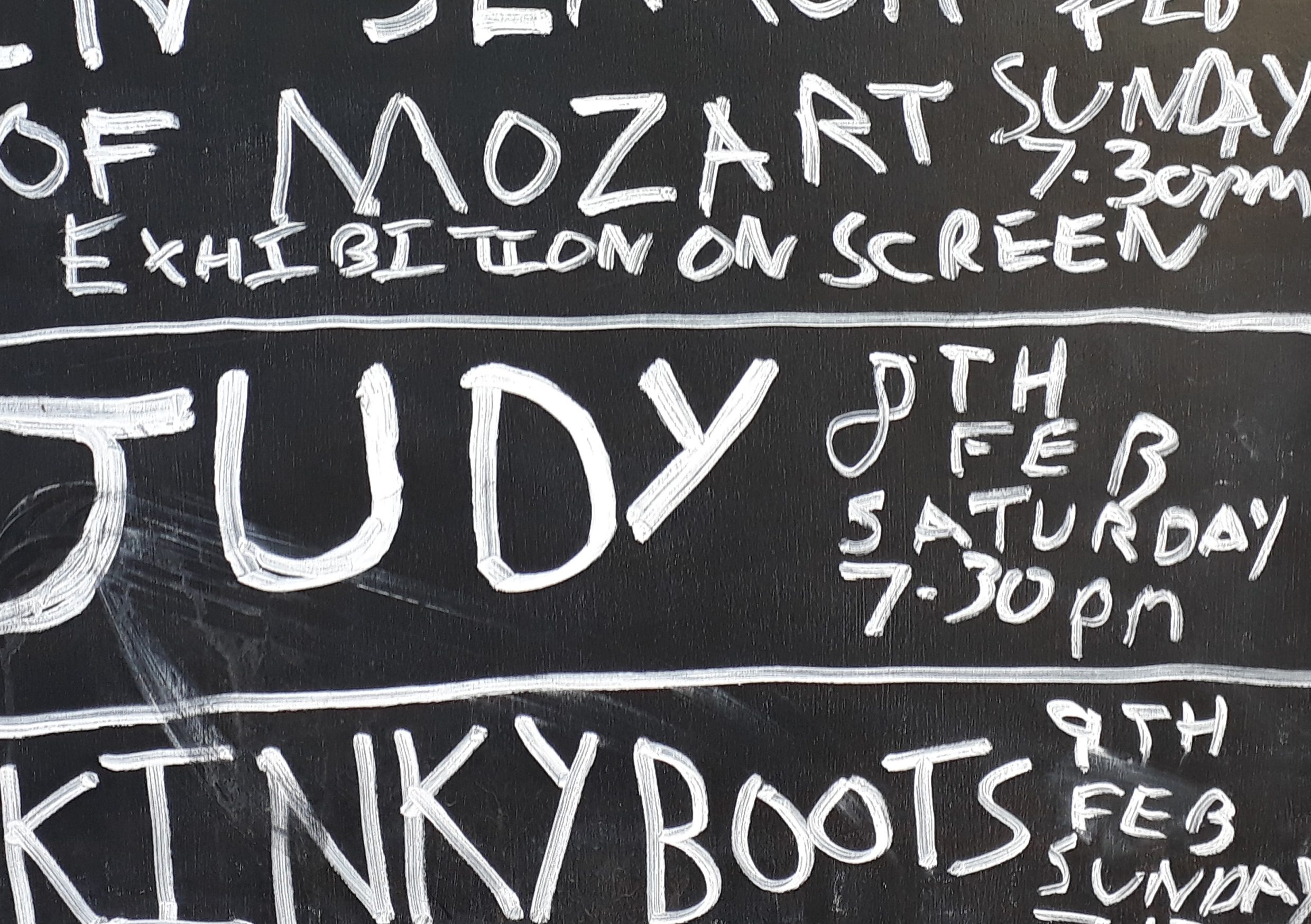

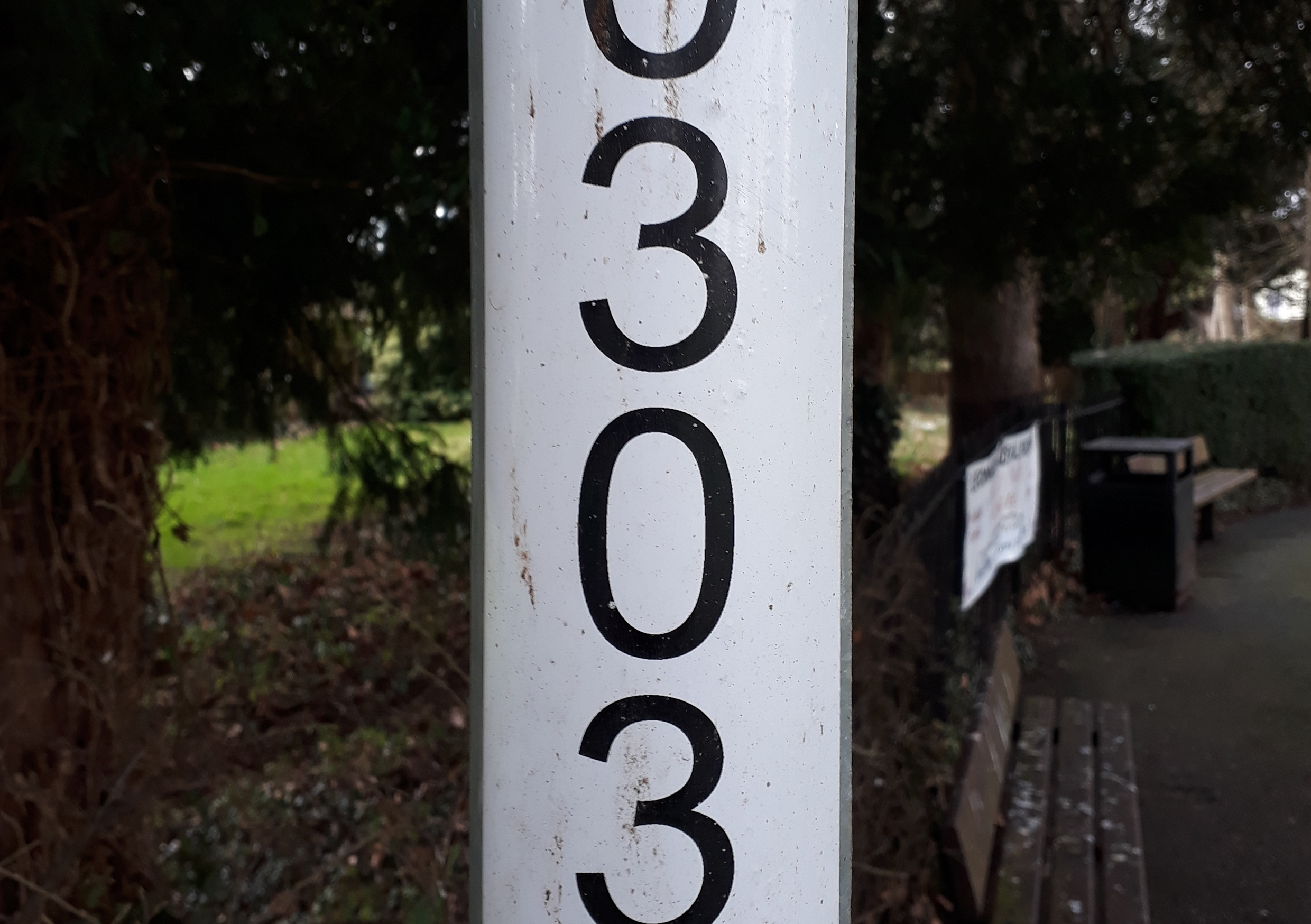

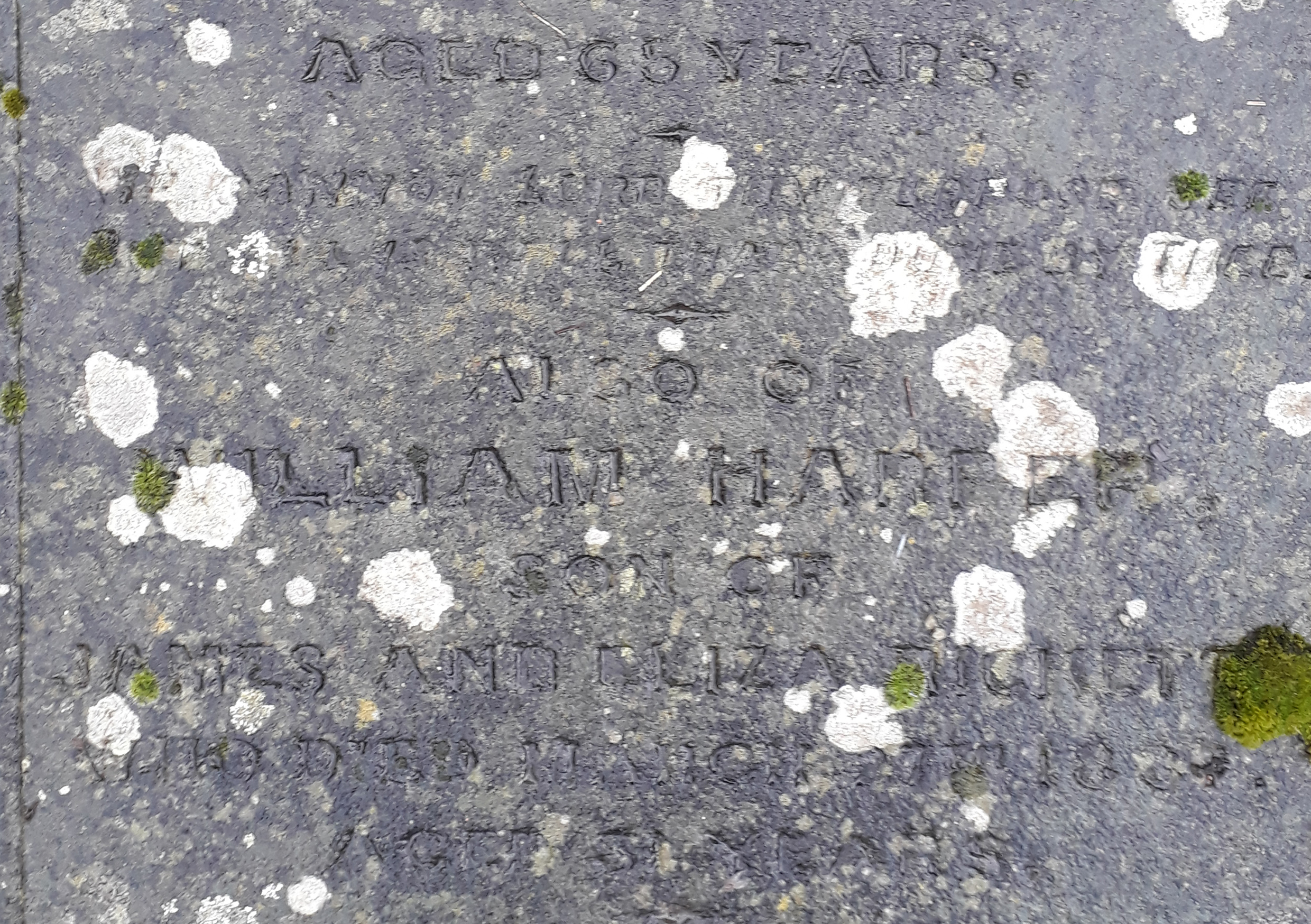
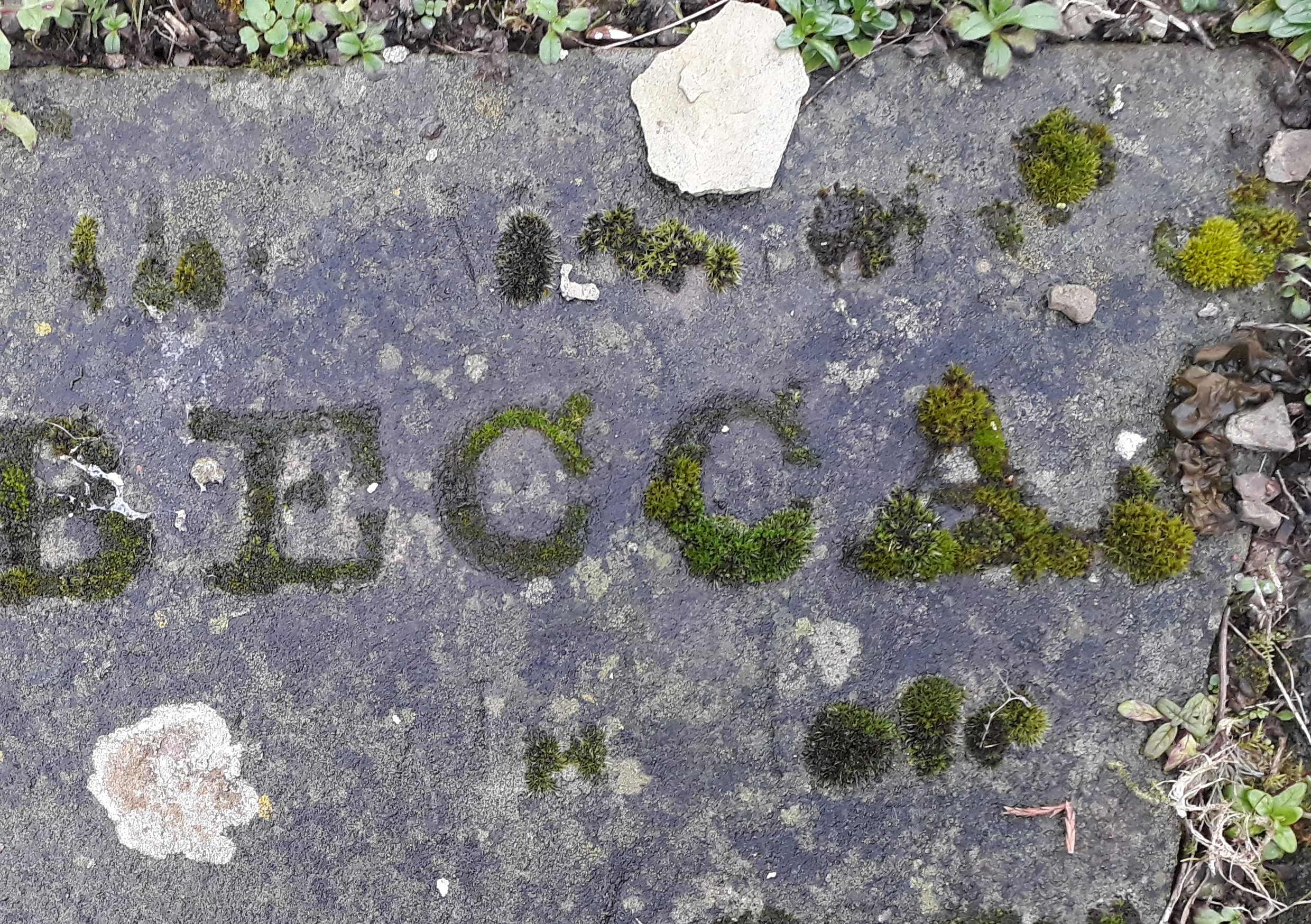
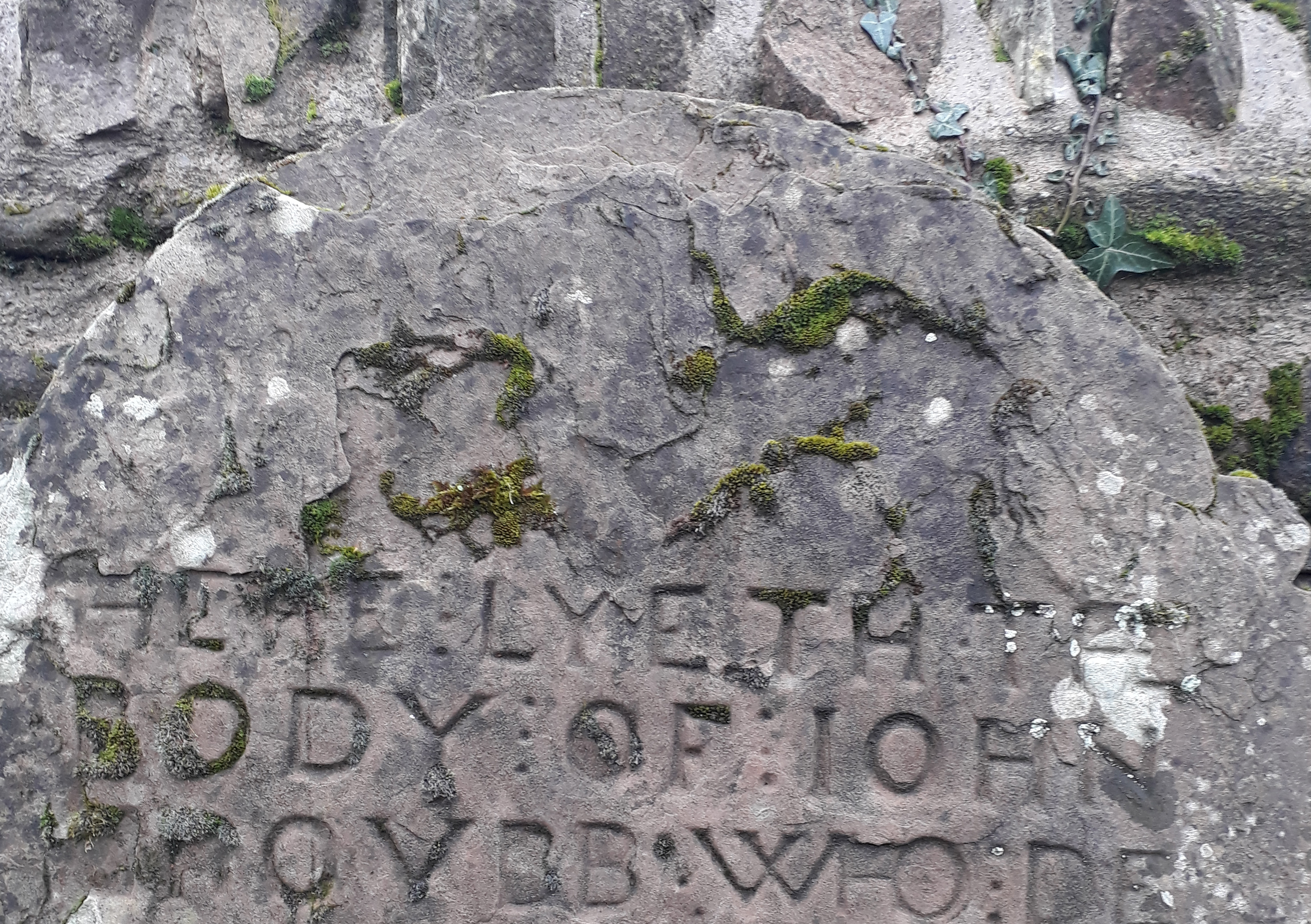
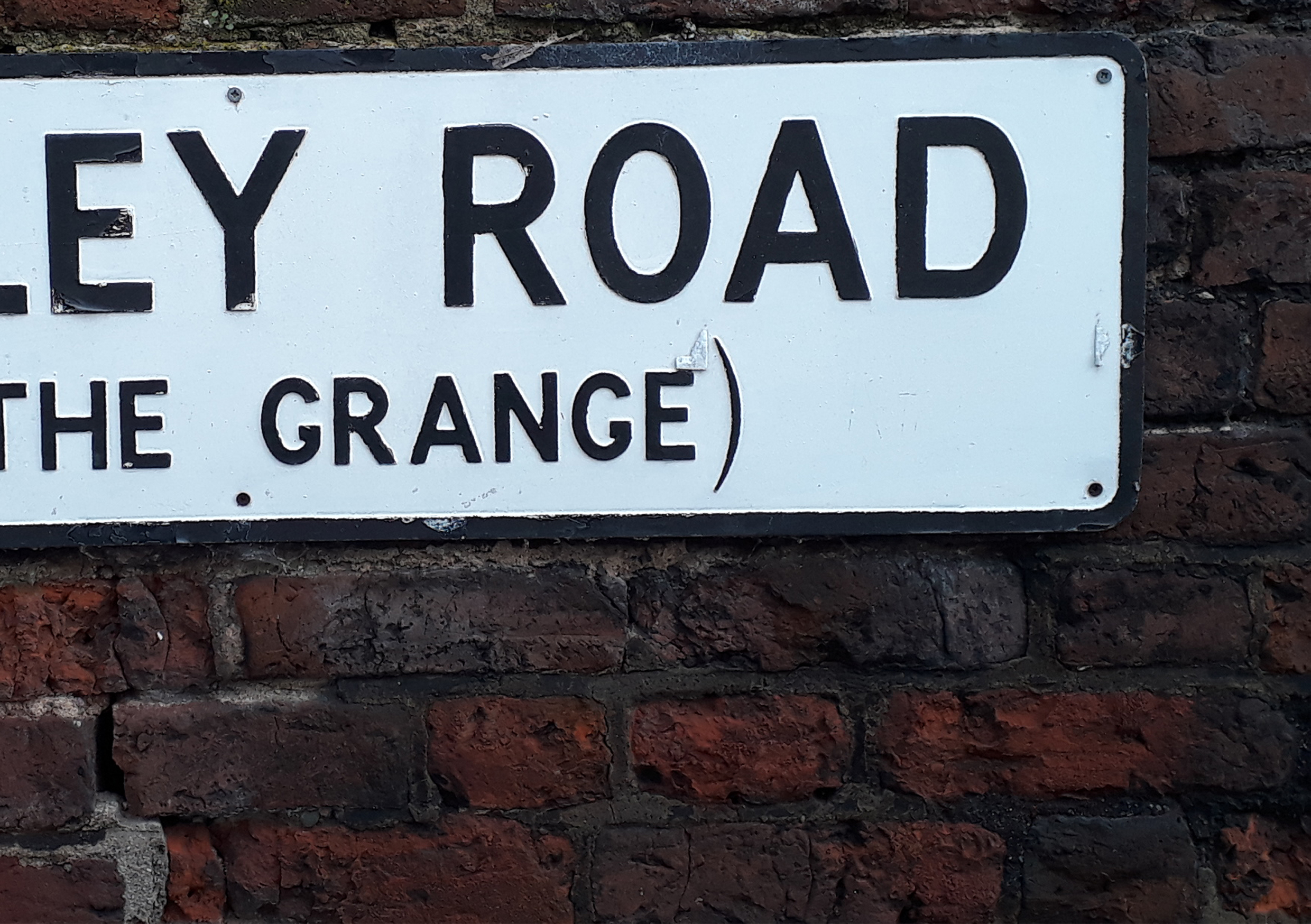
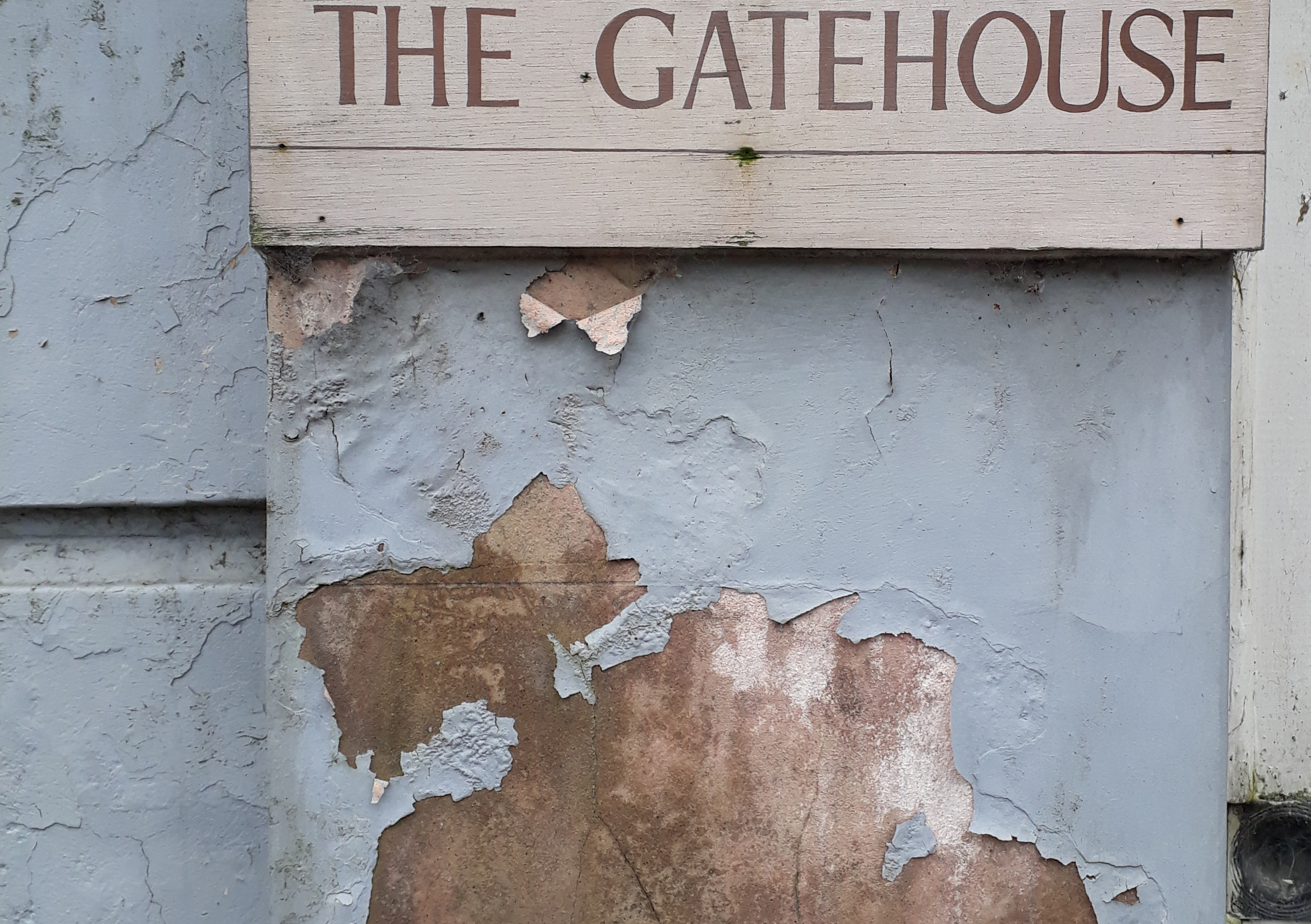
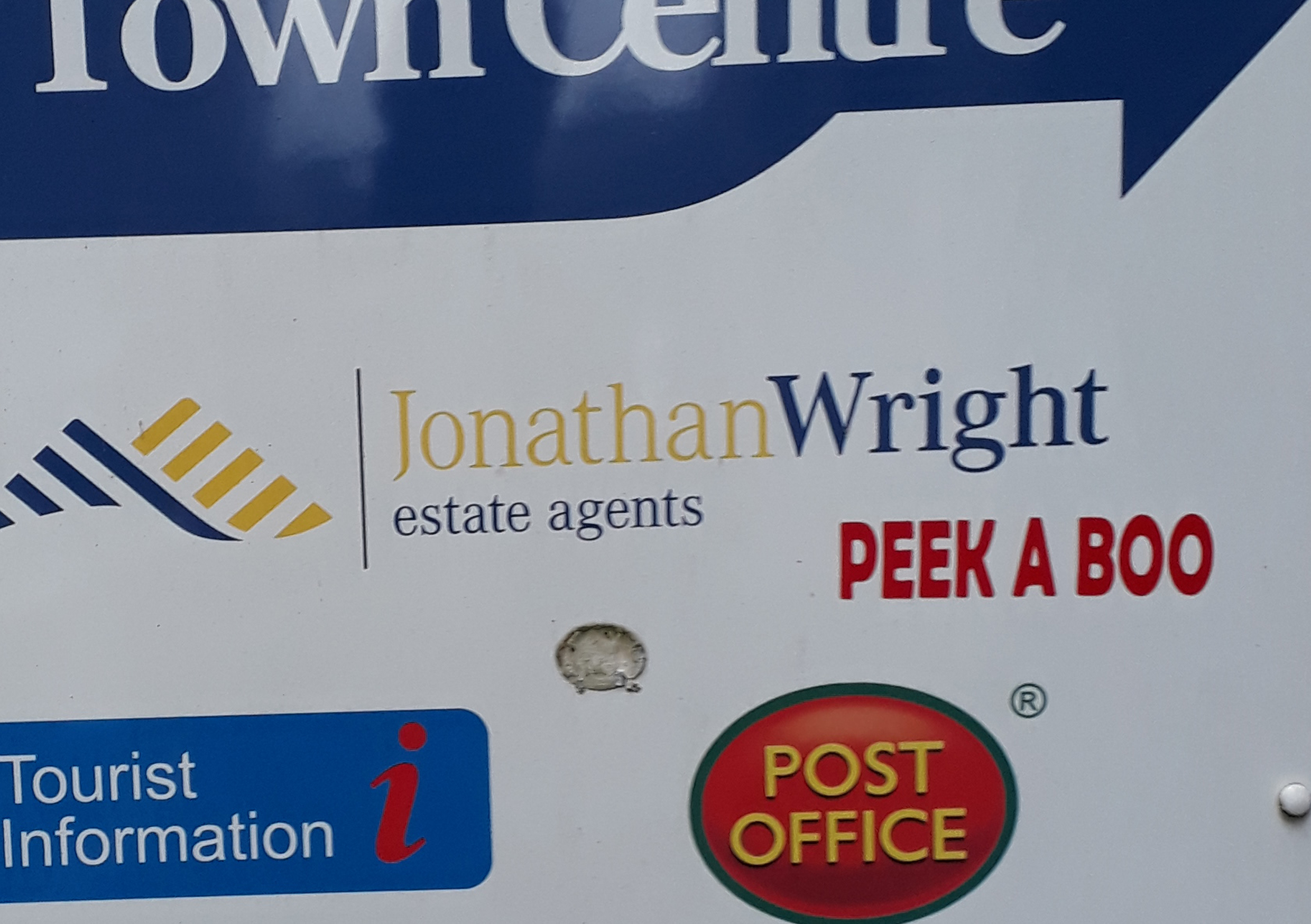

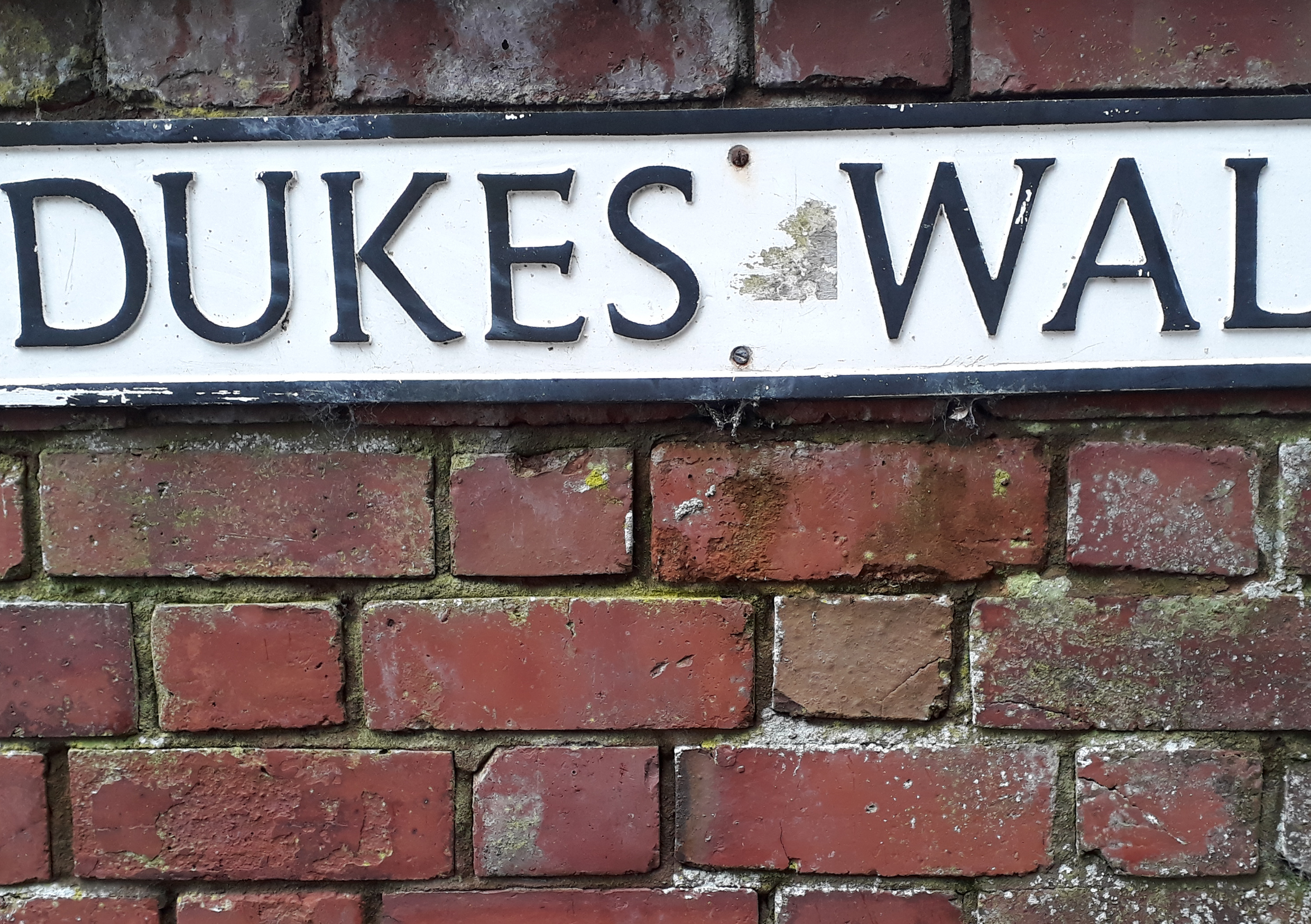

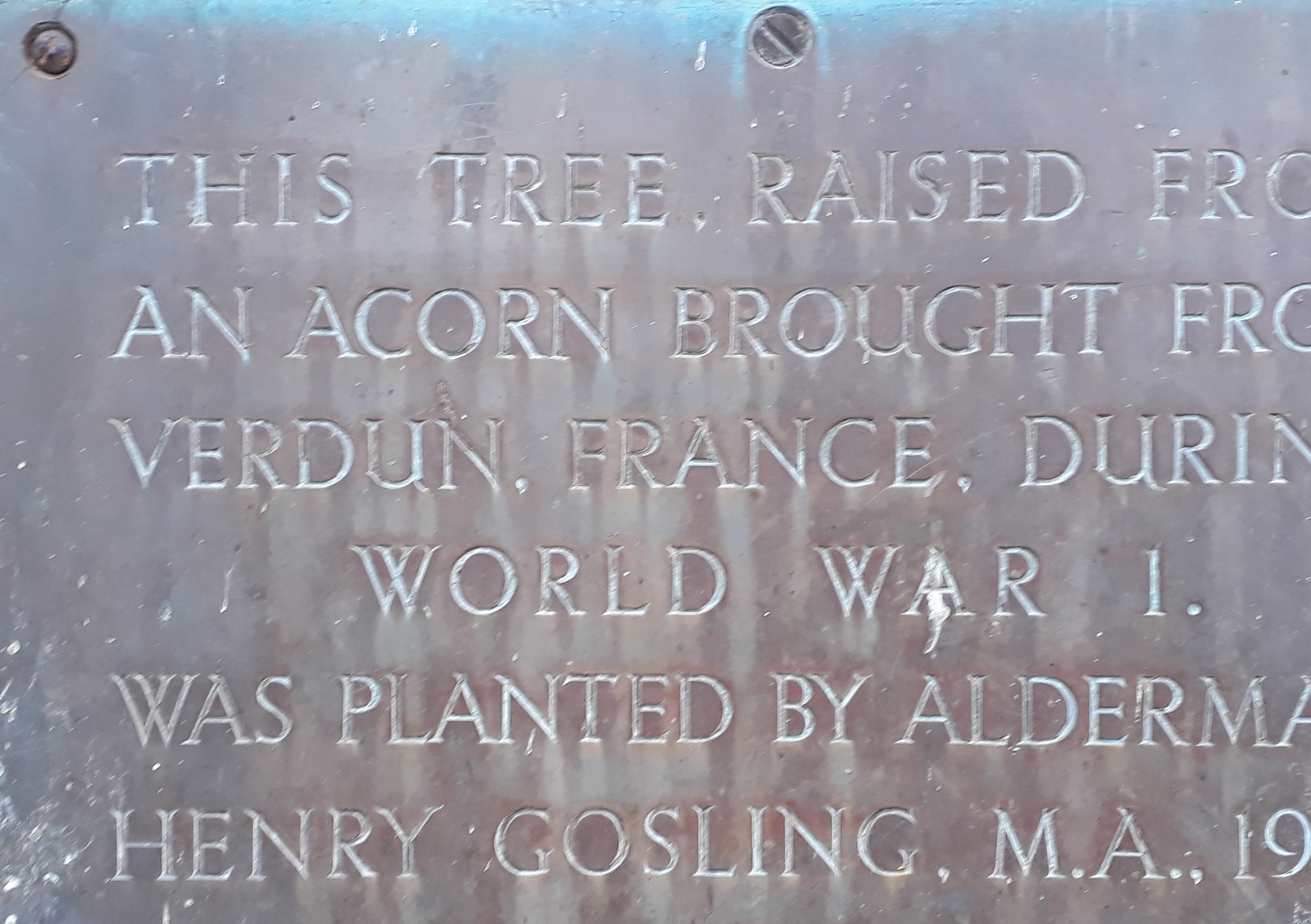


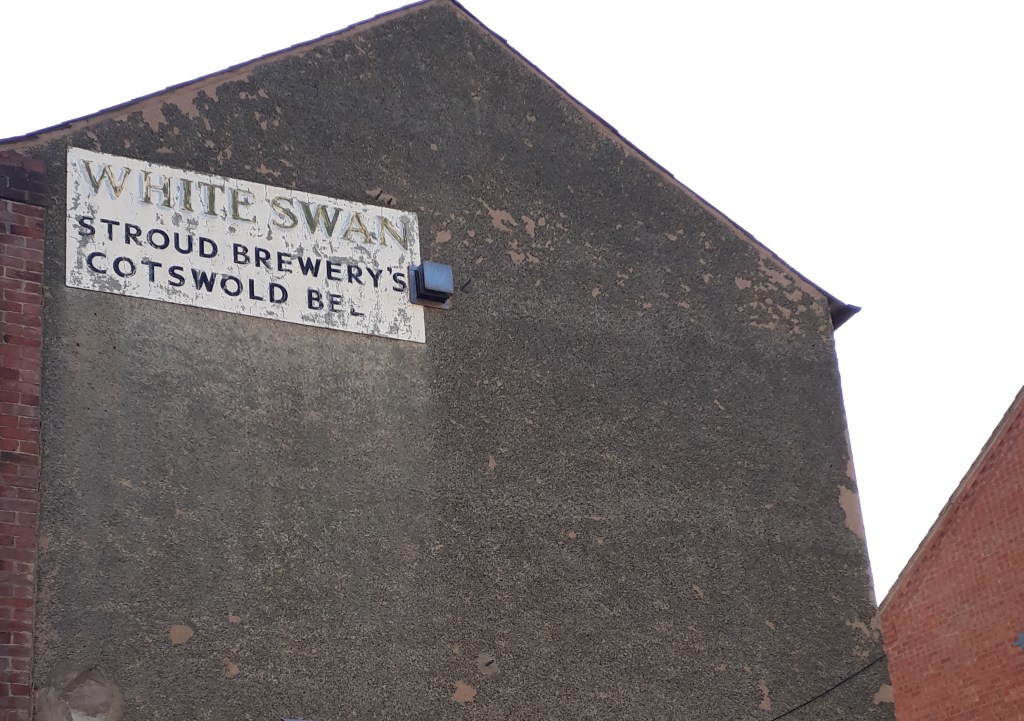
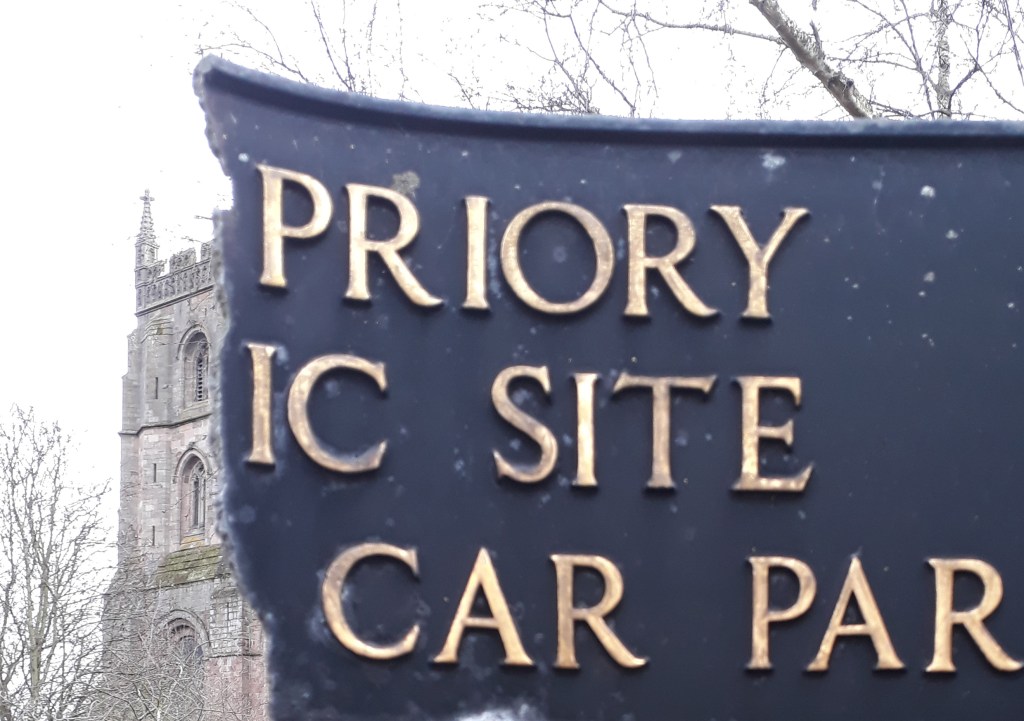
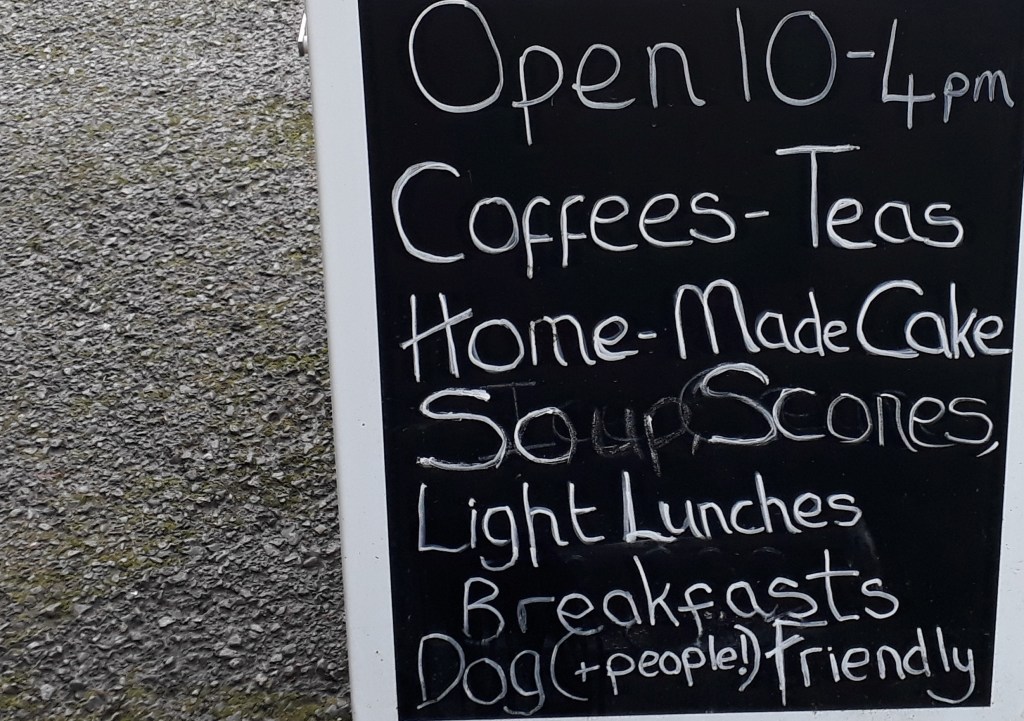
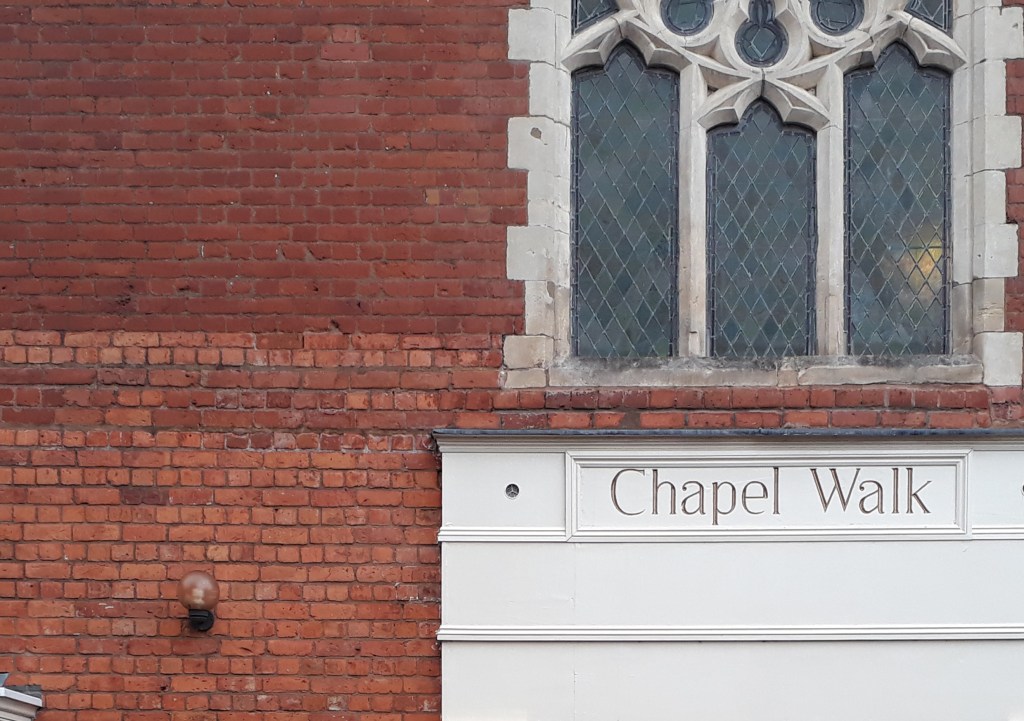
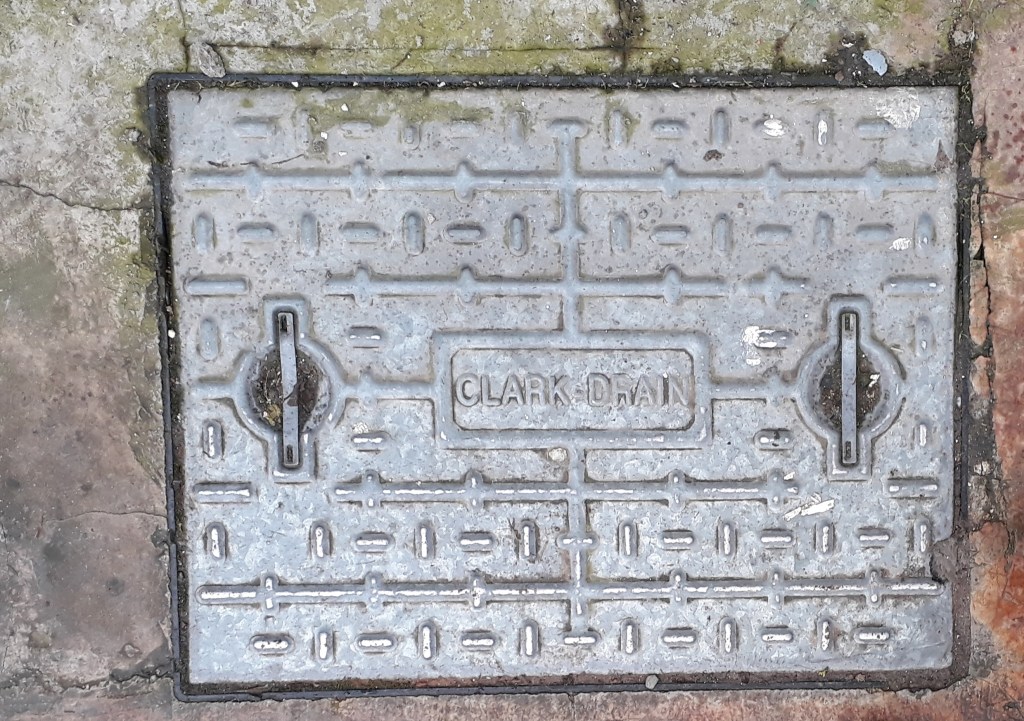
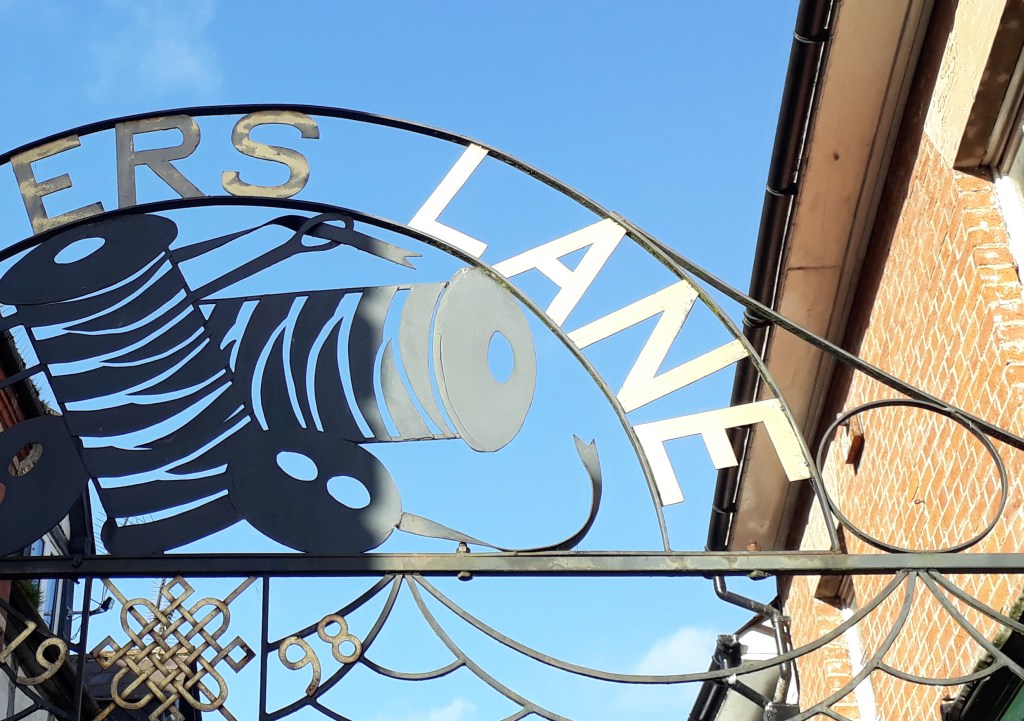
Final 5 examples + 100 word Analysis.
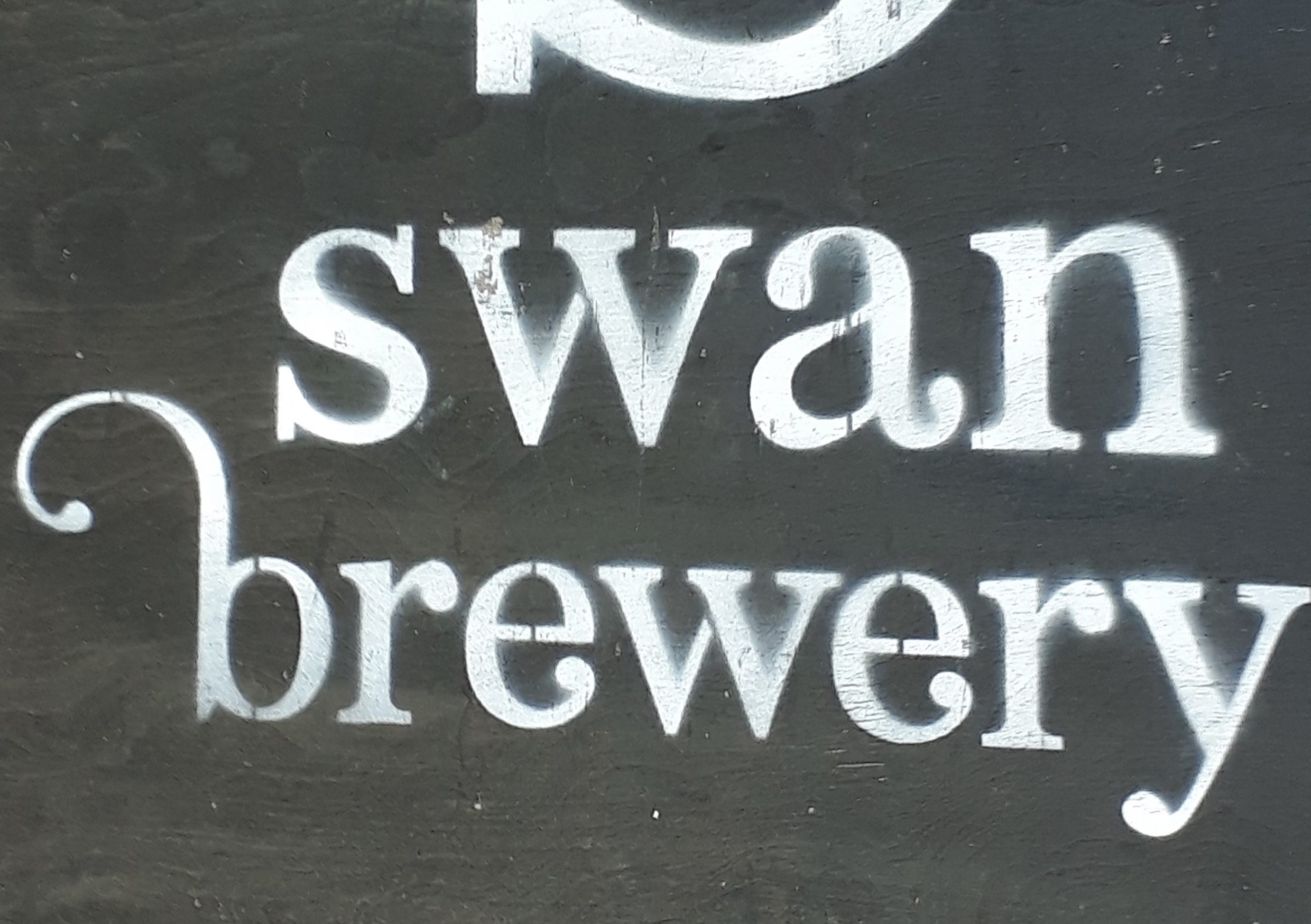
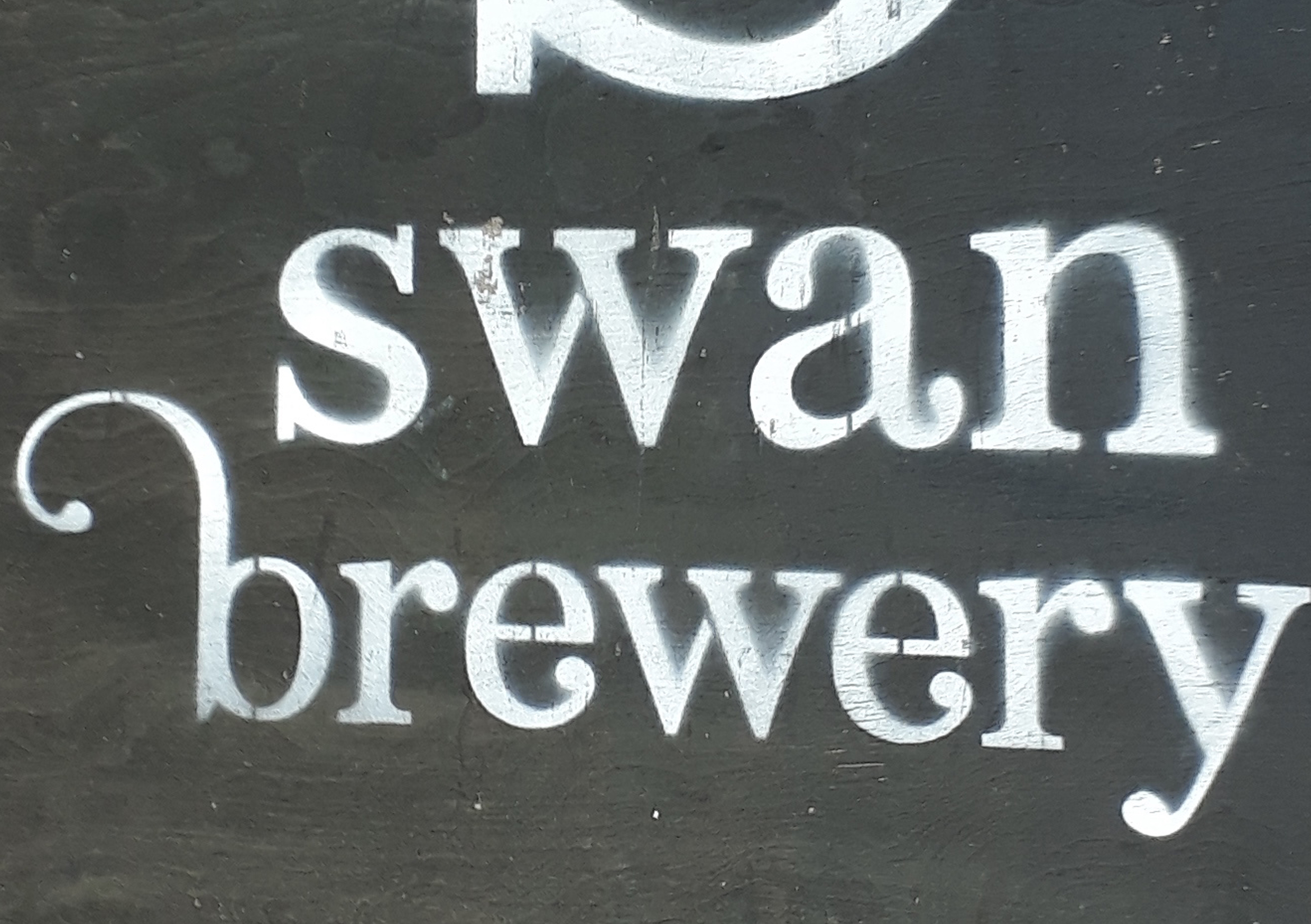
Swan Brewery
Here we have an example of how, by referencing a more traditional aesthetic, the local proprietors are continuing to retain a connection with the history of the town.
Once again, the choice of materials has value and contributes to our understanding of the messaging. It is this application of the chosen materials that provides the viewer with a visual prompt and establishes an emotional connection between the brand-message and the members of the public.
What do we take from this outcome? Our attention is directed towards the past, of an idealised interpretation of history, which may in-turn evoke a sense of nostalgia and a yearning for our own past.

ALL
What can we say about a seemingly nondescript example, of contemporary way-finding?
For me, this application of low-cost paint on a poorly maintained tarmac road is allegorical in nature and indicative of the economic state of many of the rural communities around the UK.
Often starved of funding and dismissed in favour of more commercially viable towns and cities, the traditional market town is often reliant of low-cost materials and is seldom prioritised in the awarding of funding or in the provision of vital resources. This visual is a damning statement on the failing infrastructure, that is on display all across the UK.

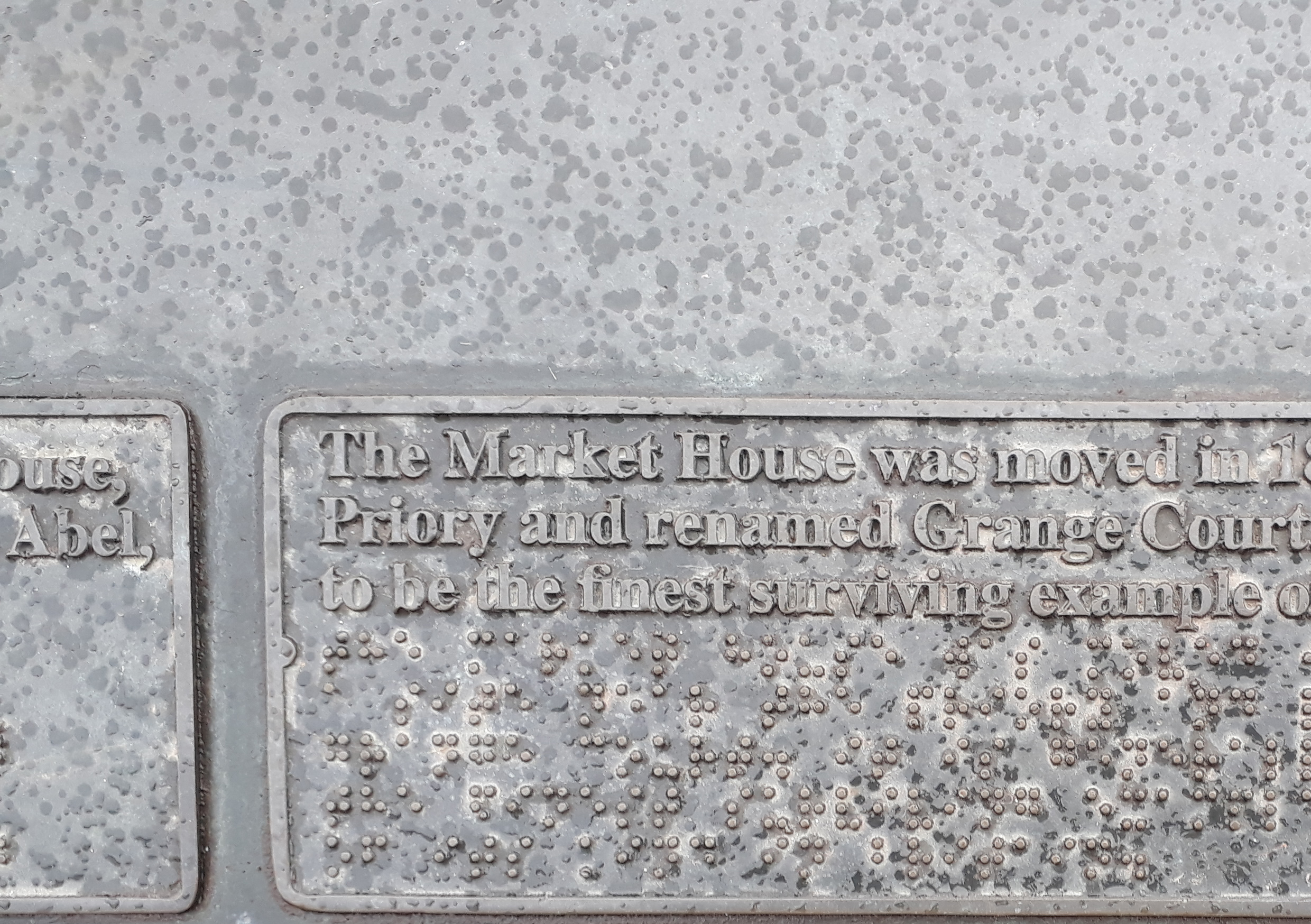
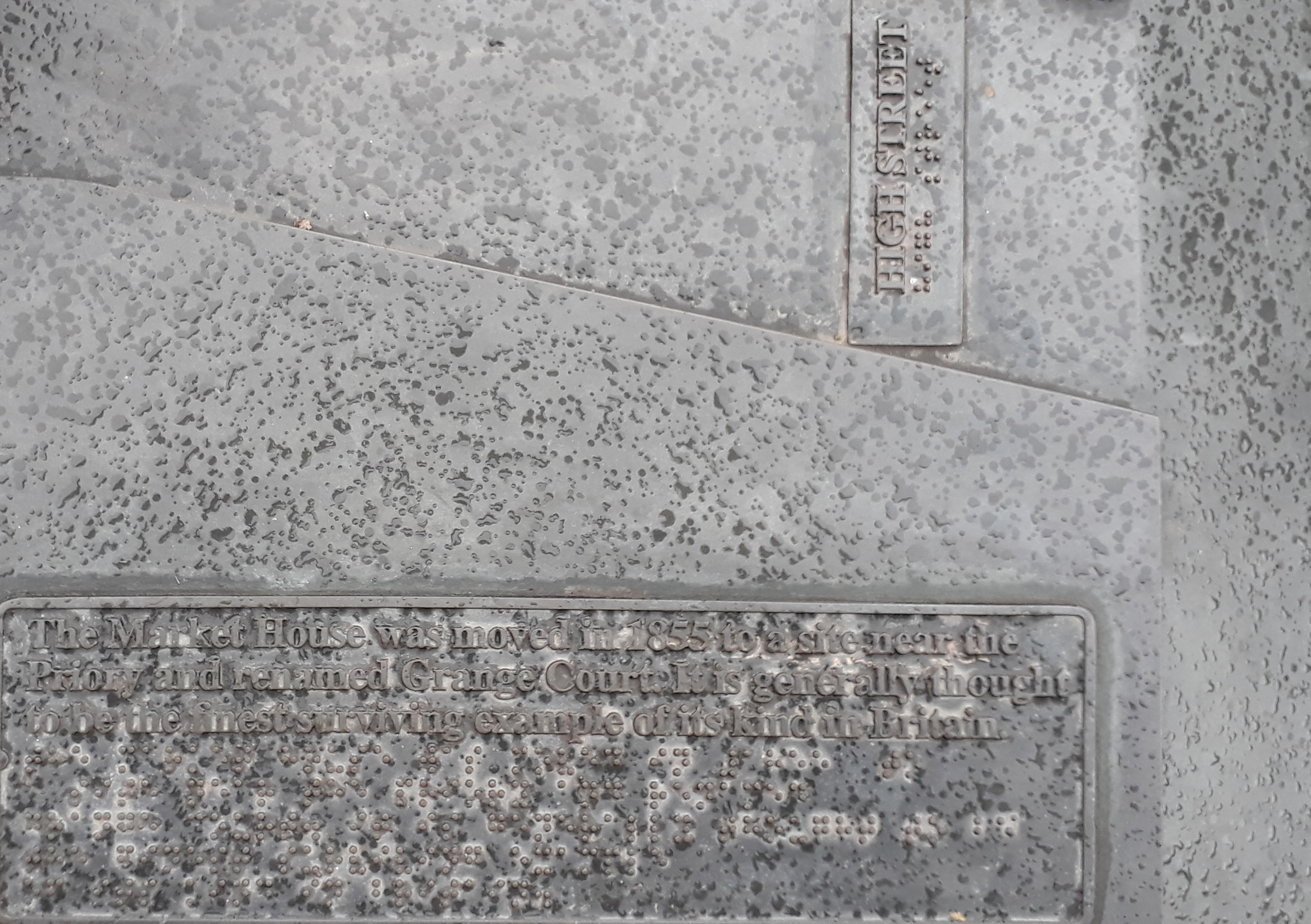
Court/Centre/Inform
The second major building in Leominster is The Grange, a Tudor building that is regarded as the finest surviving example of a timber-framed building, from that period. The structure was designed and built by the Kings’ carpenter, who is believed to have been a native to the town.
Today, the building is located in a large open parkland in the centre of the town and is used for a multitude of purposes, including: The hosting of cultural events and private functions.
This interplay between contemporary life and legacy is evident in the choice of font and in the application of the materials, which instils the letterforms with a sense of dignity and elegance. Together, the combination of polished metal and traditional typography directs the reader once again to the past, however, here we are also informed of the buildings intention to endure and transcend the changes taking place within the modern age.
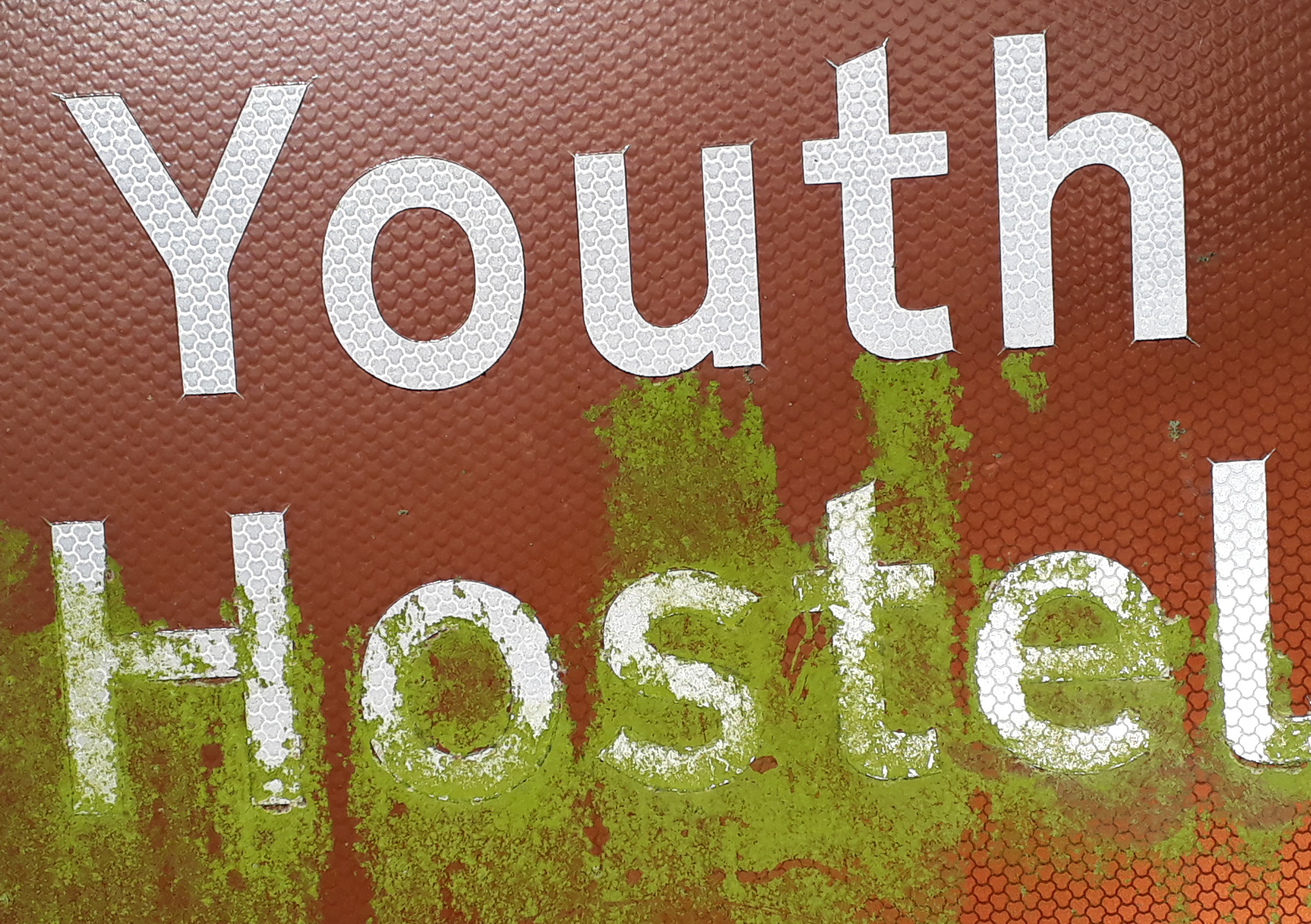
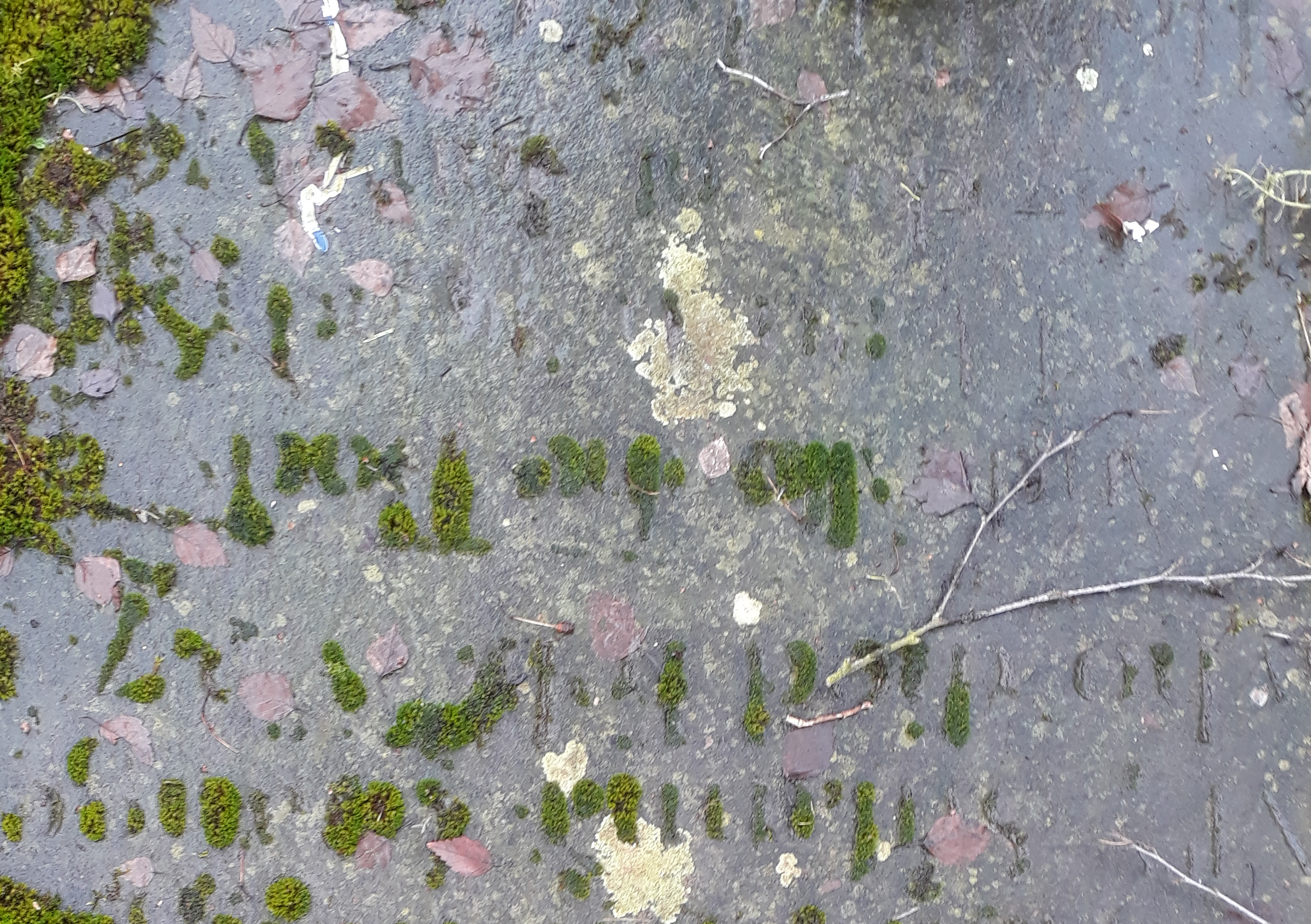
Youth Hostel
The interplay between modernity and the history of the town is ever transient, and here we can observe an example of how a previous attempt at modernising the signage in the town has been dismissed by the passage of time.
The typography resigned to the besieging gestures of the natural processes that have occurred, within the environment.
This example possesses a visually stimulating assemblage of organic matter and man-made materials, and as a consequence of this juxtaposition of materials, we can view the signage as a metaphor for the overall narrative of the towns history.
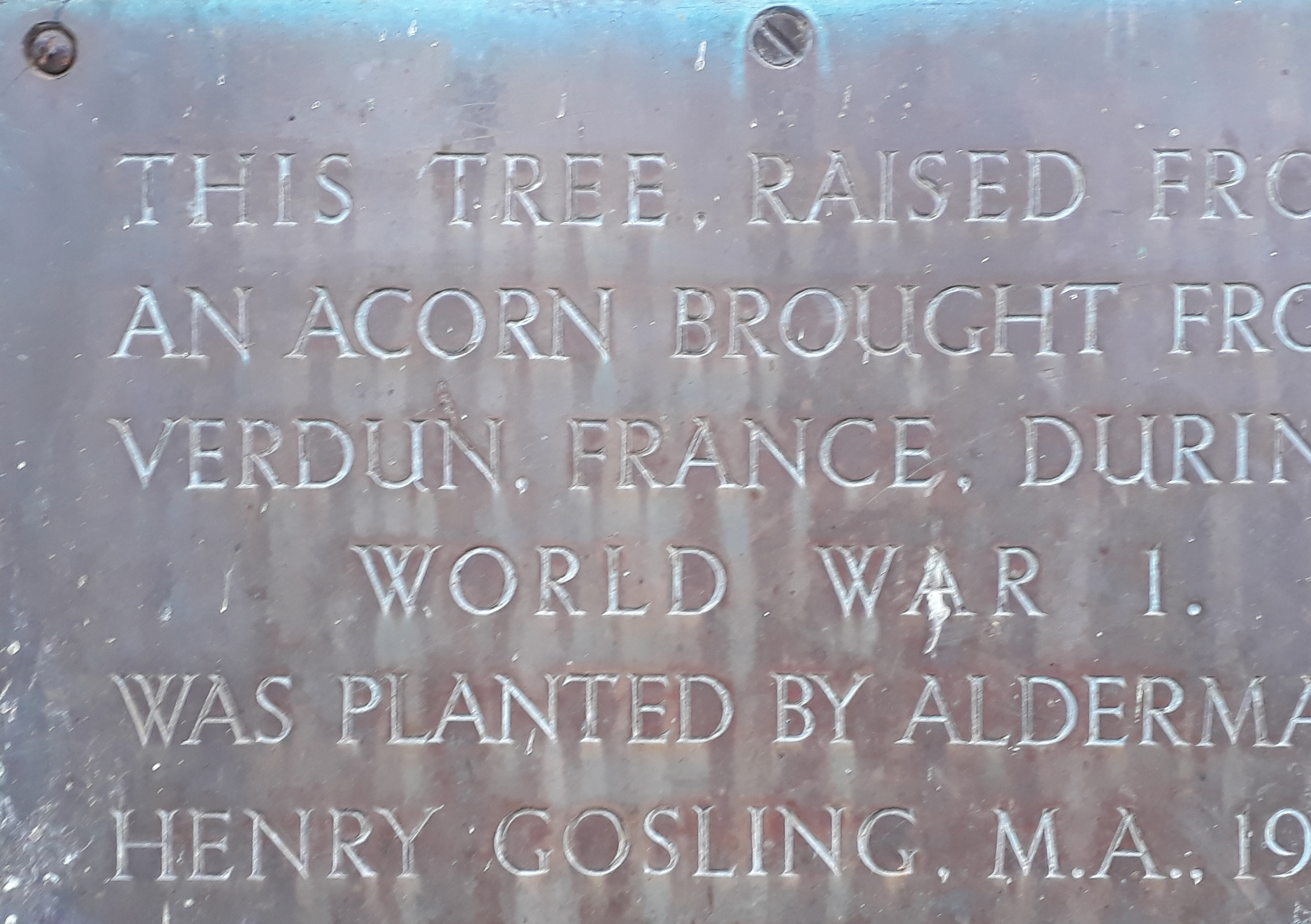
War Memorial
Here we can see how Type has been used in the construction of a war memorial. The brass plate is secured to a tree that was brought from the battlefields of Verdun during the 1914-1918 war.
The tree stands adjacent to the towns war memorials, the Priory Church, and a children’s play park. In my view, this gives the placing of the object a more profound presence and signifies a relationship between all three locations. This is evident in the choice of font, which aligns itself with the tone of the subject in question.
The typography takes on a greater meaning when viewed in-situ, and communicates a firm connection between the memorial and the adjacent priory. It tells the viewer that the landscape in which the memorial is located possesses an almost divine quality, which in-turn contributes to the elevation of the message itself.
The materials too, are indicative of the narrative that is being conveyed to us. The weathering of the brass and the cosmetic damage that is present on the surface of the structure denoting the destructive nature of mechanical warfare.
In response to the tone of the message therein, which is arguably one of loss and forlorn hope, we must once again refer to the placing of the signage. Adjacent to this sign is the children’s play park, and for me this geographic relationship establishes both a literal and philosophical dialogue between life and death. The children’s play area evoking a sense of rebirth and new life, free of the burdens of war.
References:
Peate S., (©2018). Font psychology and typography inspiration in logo design [online]. Fabrikbrands. [Viewed 1 February 2020]. Available from: https://fabrikbrands.com/font-psychology-and-typography-inspiration-in-logo-design/
Fabiano G., (©2016). Typography of place: How fonts shape a city’s identity [online]. Blueprint. [Viewed 1 February 2020]. Available from: https://blueprint.cbre.com/typography-of-place-how-fonts-shape-a-citys-identity/
week_02
Complex Simplicity: Story Told
Studio Practice
Define and analyse your research into local typographic language and experiment with new and original letterforms.
Develop, design and make new and original letterforms, which create a new and unique title typeface that spells out the name of your town or city.
Research
Inspiration
Life and Death + Industry.
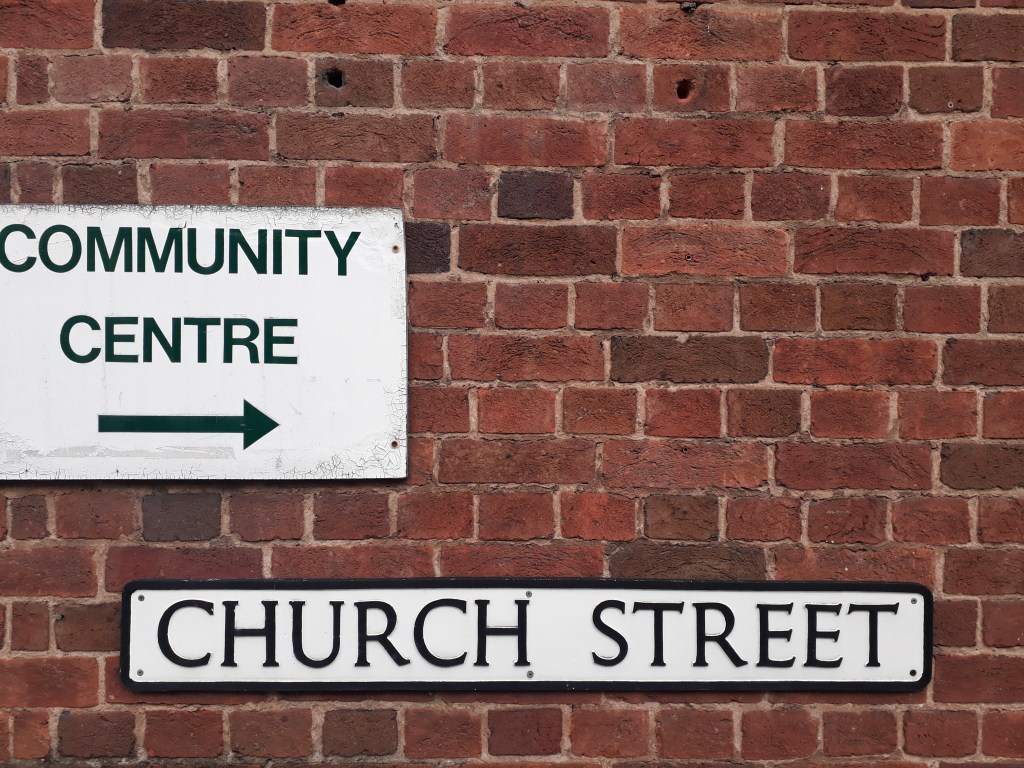
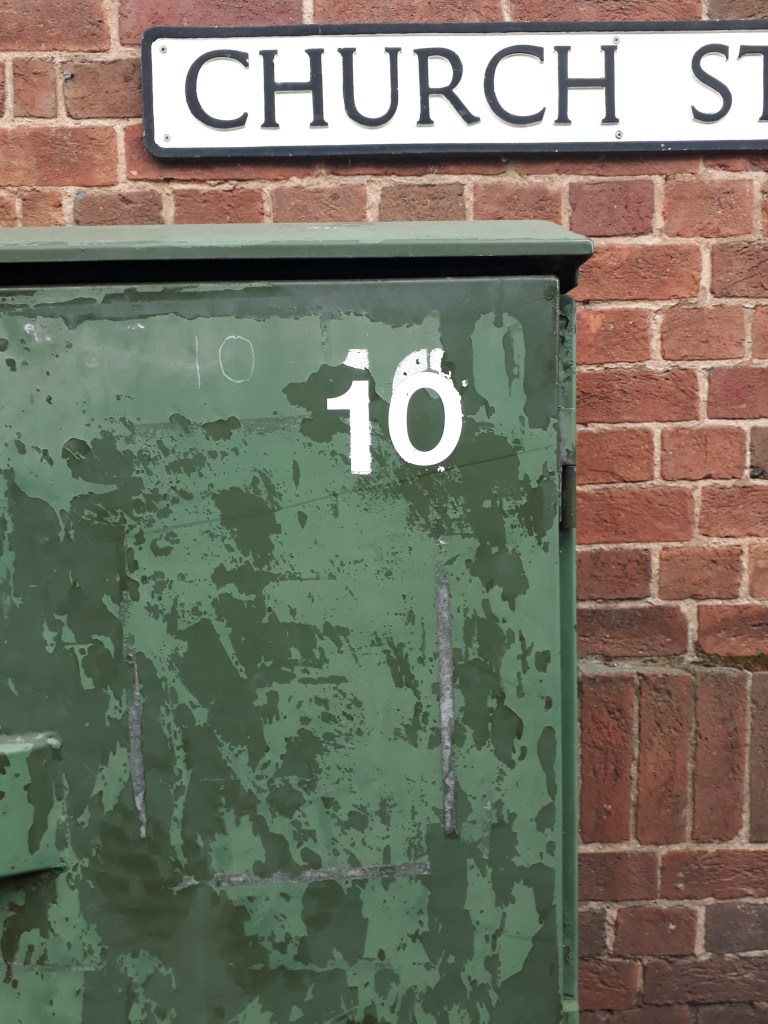
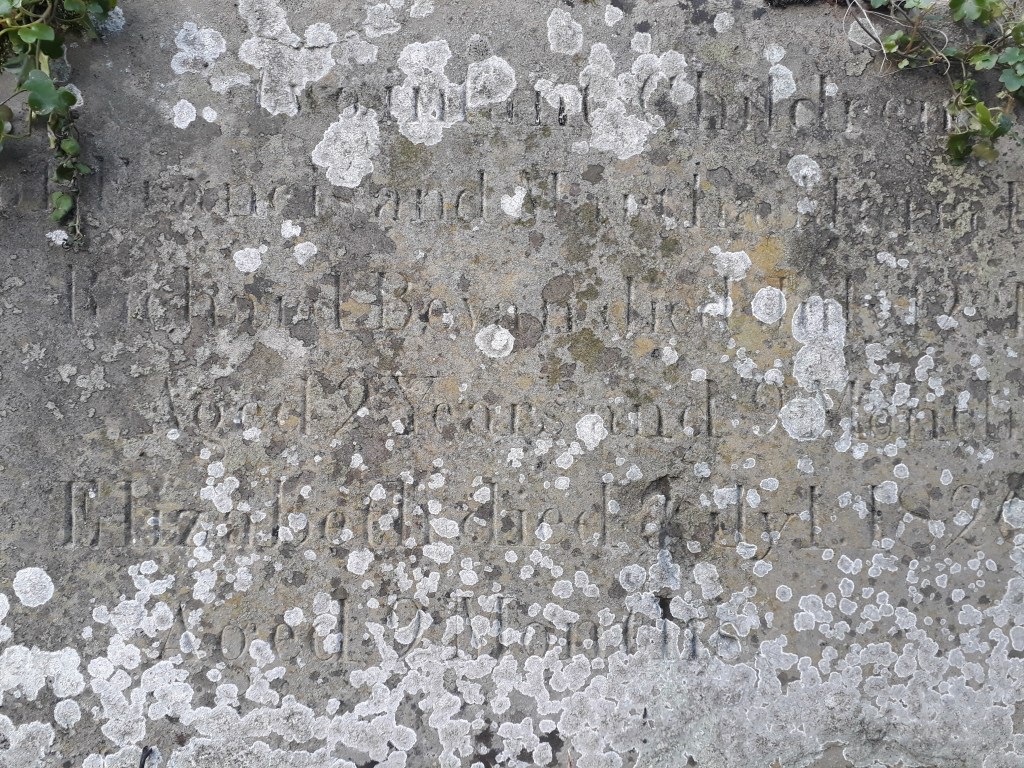
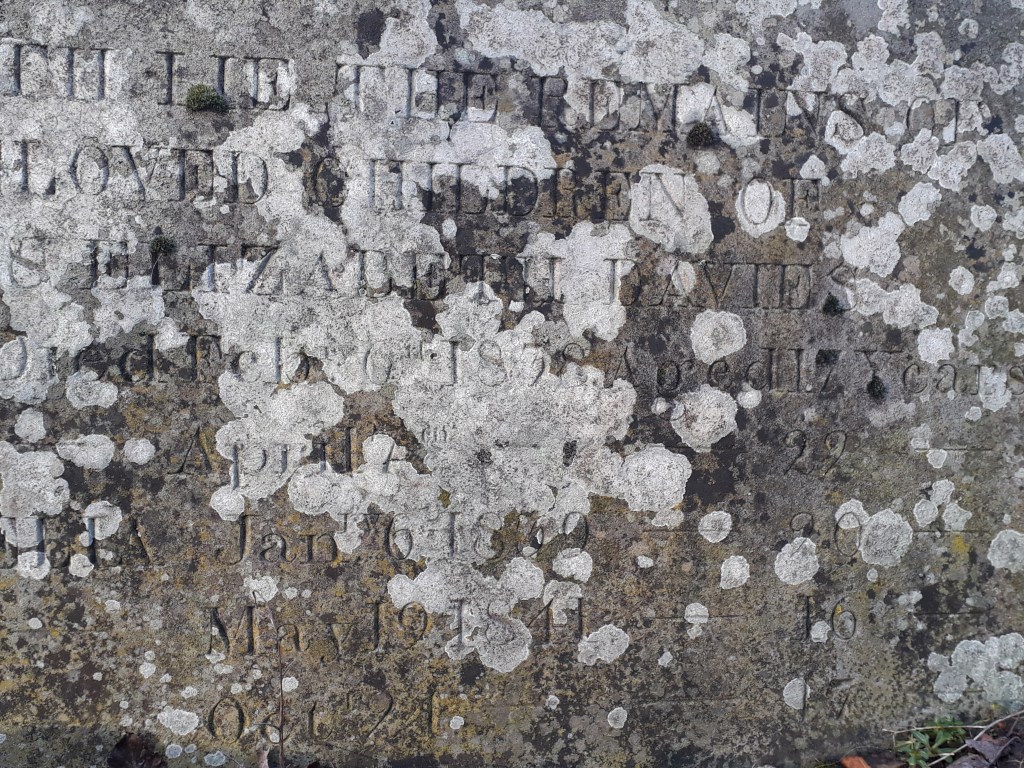
In attempting to refine my initial-observations, I have compiled a selection of the photographs that I had taken during week one. Using these examples I will endeavour to create and develop a series of design-proposals, that seek to communicate the history of Leominster and it’a inhabitants, past and present.
A community is a living organism, with each aspect of that entity responsible for the continued survival of the whole. We can observe these processes taking place in the everyday lives of those around us, and indeed in our own lives. Each of us contributes to the successful continuation of society, subscribing to universal truths and accepted forms of conduct. We abide by the law, we don’t commit acts of violence or infringe upon the lives of others, we attend school and seek employment, and we contribute to the whole. The ability to do so is essential in the up-keep of a stable community. And it is this cyclical exchange between decay and rebirth that is on display in the typography of Leominster, with the fingerprints of the past deeply embedded in the towns vision for the future.
Therefore, the key objective this week is to explore and communicate the layered history of Leominster’s inhabitants, past and present. Specifically, I wish to tell the story of the town as a spiritual centre, throughout the history of Christianity in the British Isles and how this relationship with spirituality is imbued in the fabric of the landscape.
Much of the narrative that is present within the given examples, is reflective of that history and the history of the economic fortunes of the community. With many of the surviving signage systems repurposed or placed upon former communications, the interplay between the past and the present is in plain-view. This process of decay and rebirth can be applied too, to the town as a whole. And is a story that I endeavour to communicate, through the work that I produce this week.



Development Process
The starting point will be the selection of material, and for this task I have decided to incorporate the use of acetate. I intend to use this material to provide texture and added depth to the typographic elements in my design. This will be achieved by printing directly onto the acetate, using a laser-printer. Subsequently, I will then scan the acetate and save the files in Photoshop.
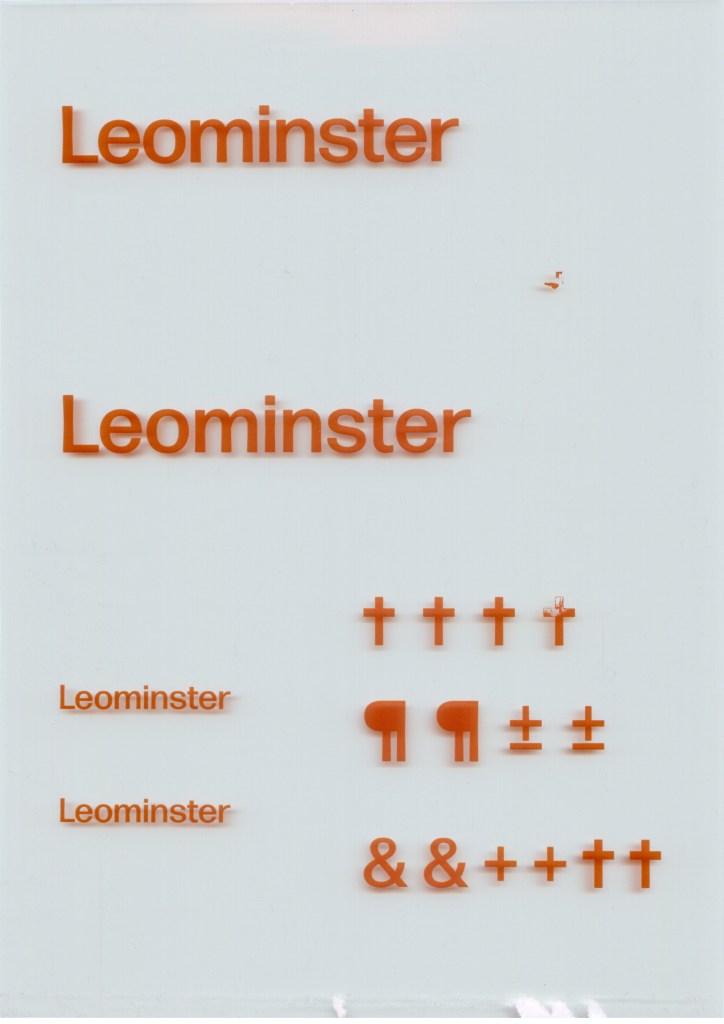
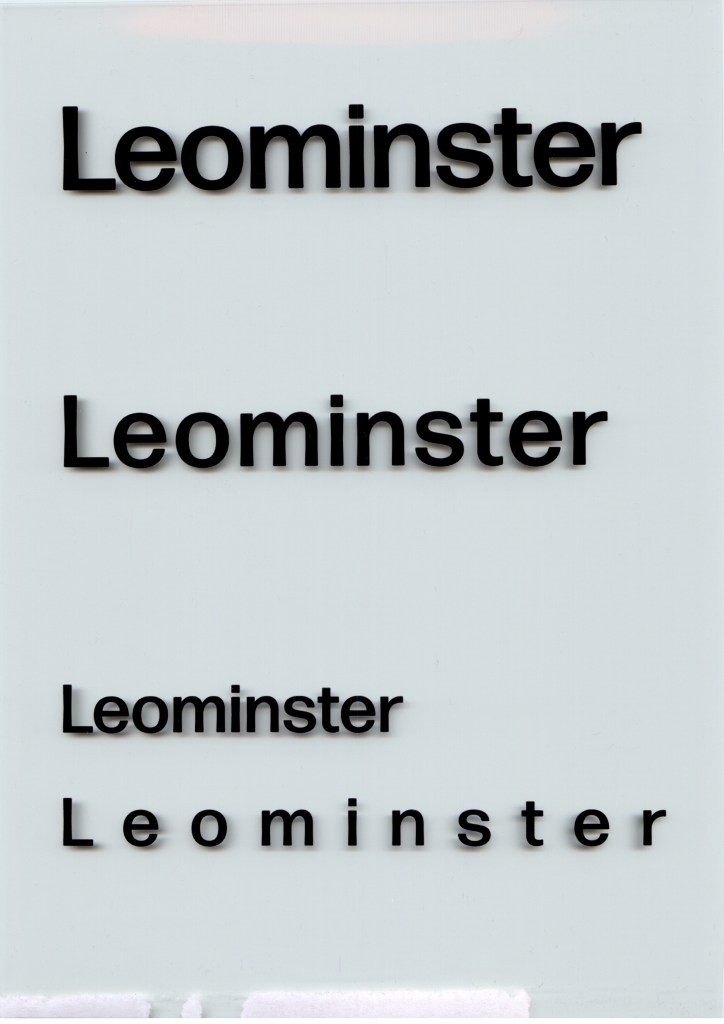
In my sketchbook, I then began to deconstruct the selected words and cut and paste them onto the page. I placed an emphasis on pairing letterforms, that when placed next to each other would create a strong visual contrast. The canvases were selected in order to provide texture, in an effort to recreate the weathered surfaces of the examples given, previously.
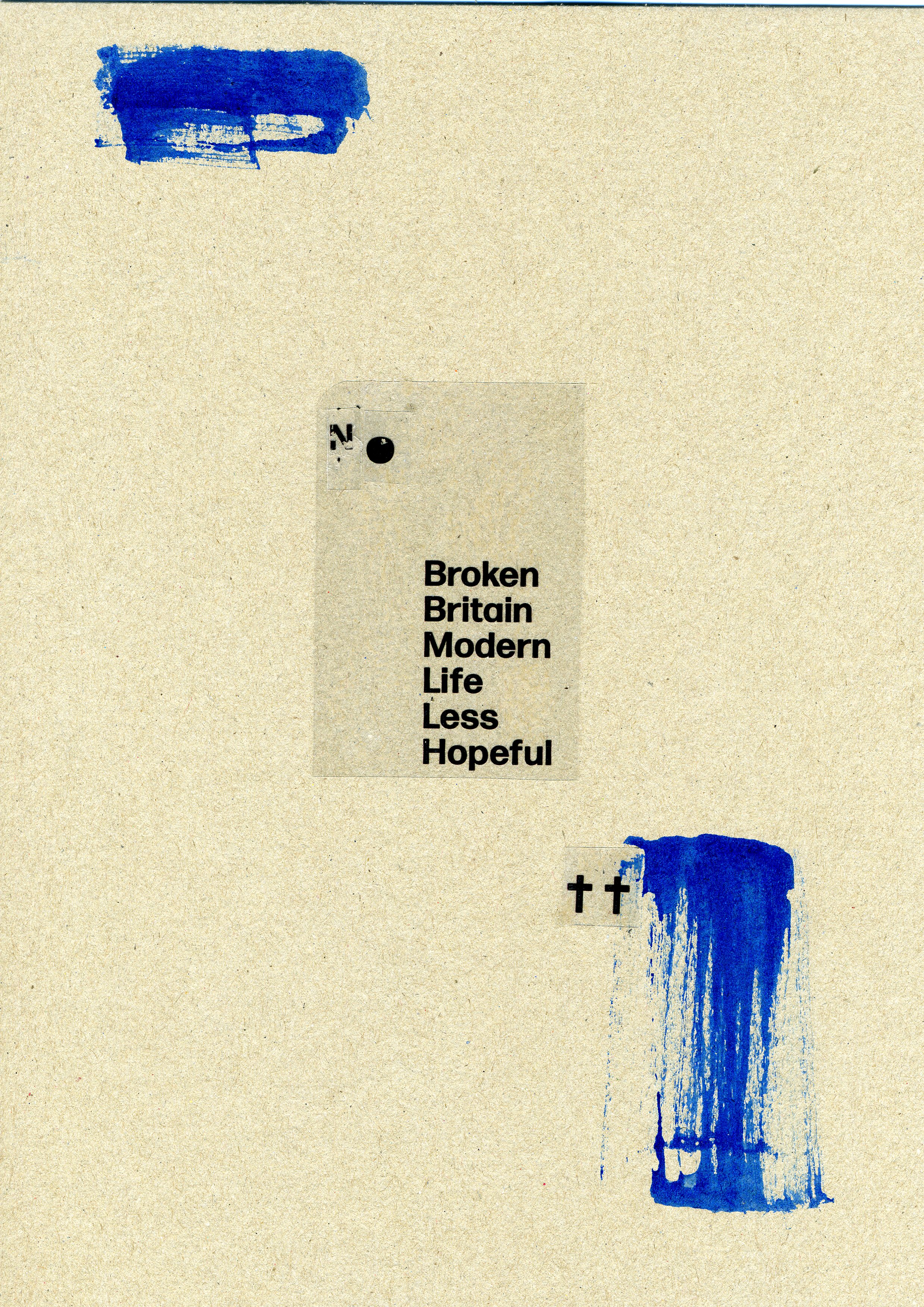
The next phase of development consisted of me taking the scanned, hand-made letterforms into Photoshop and experimenting with different digital processes. With the objective being to recreate the cosmetic damage and effects of weathering, that had been observed in the given examples.
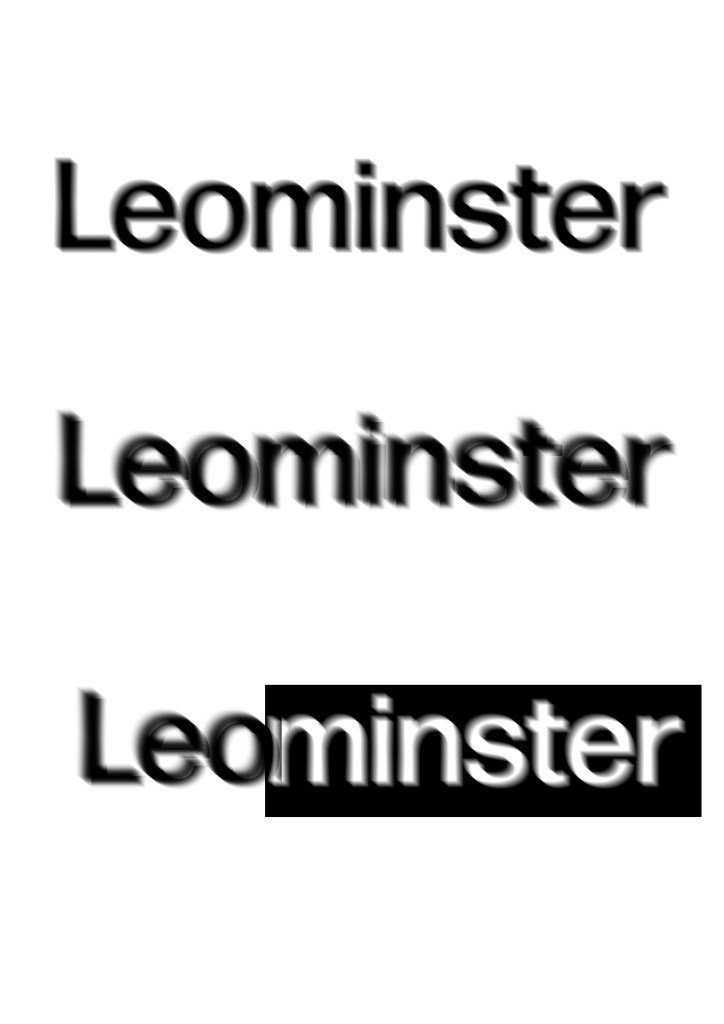
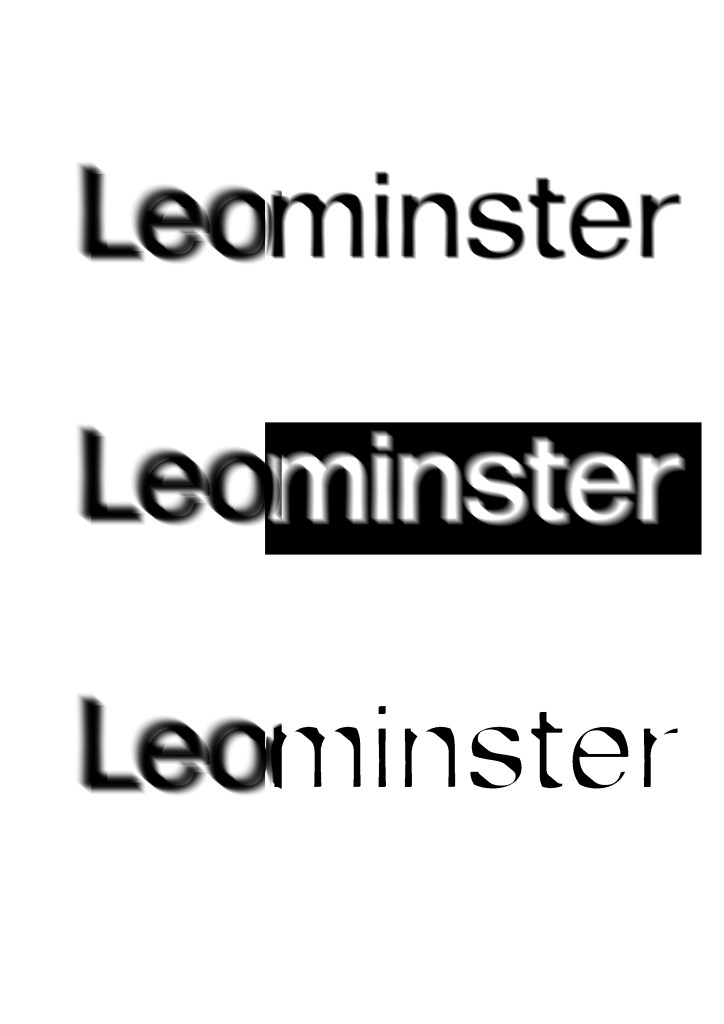
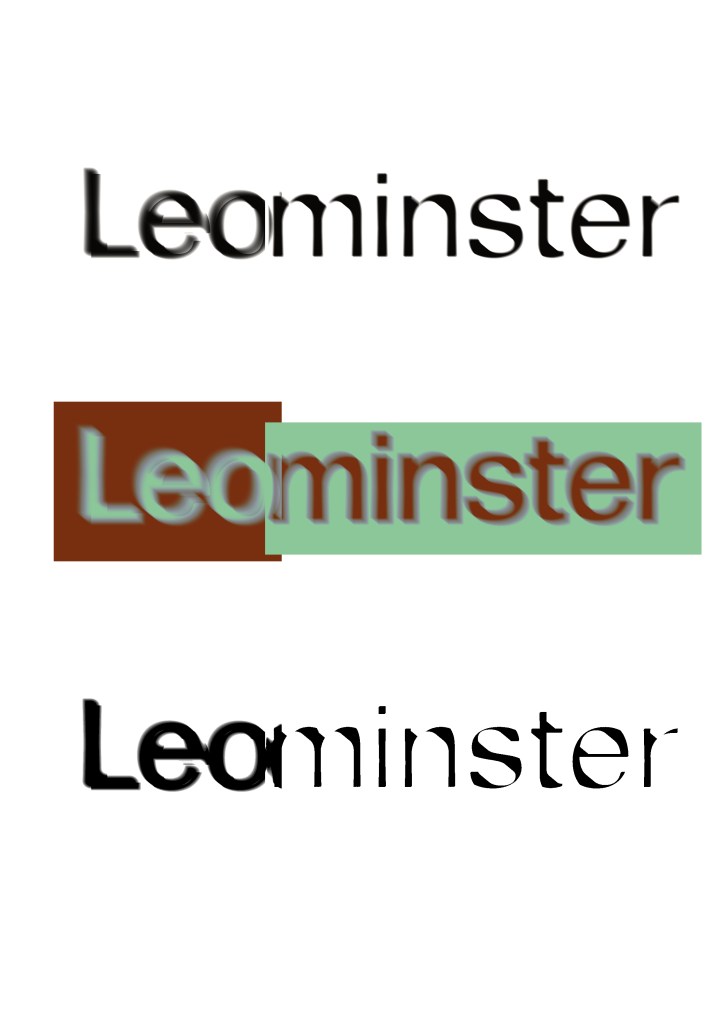

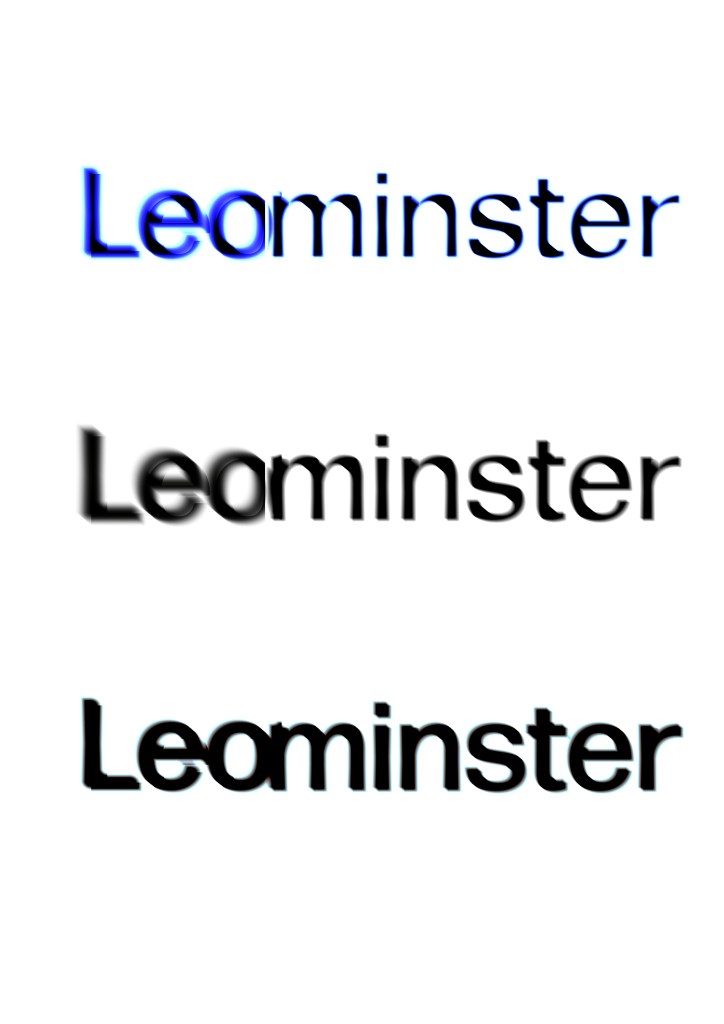
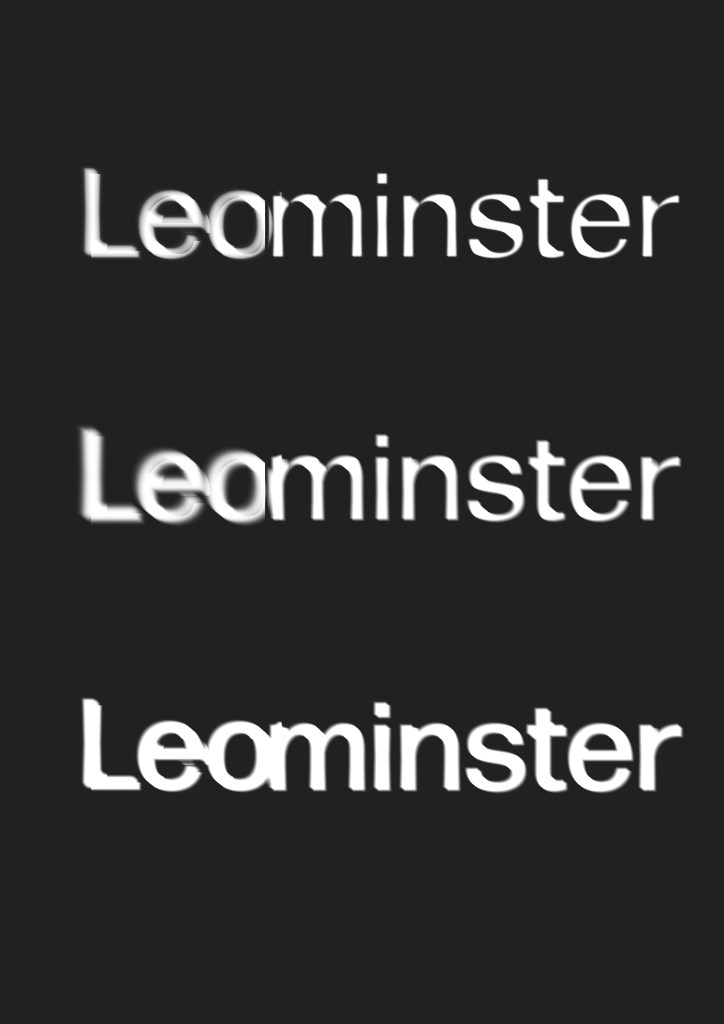
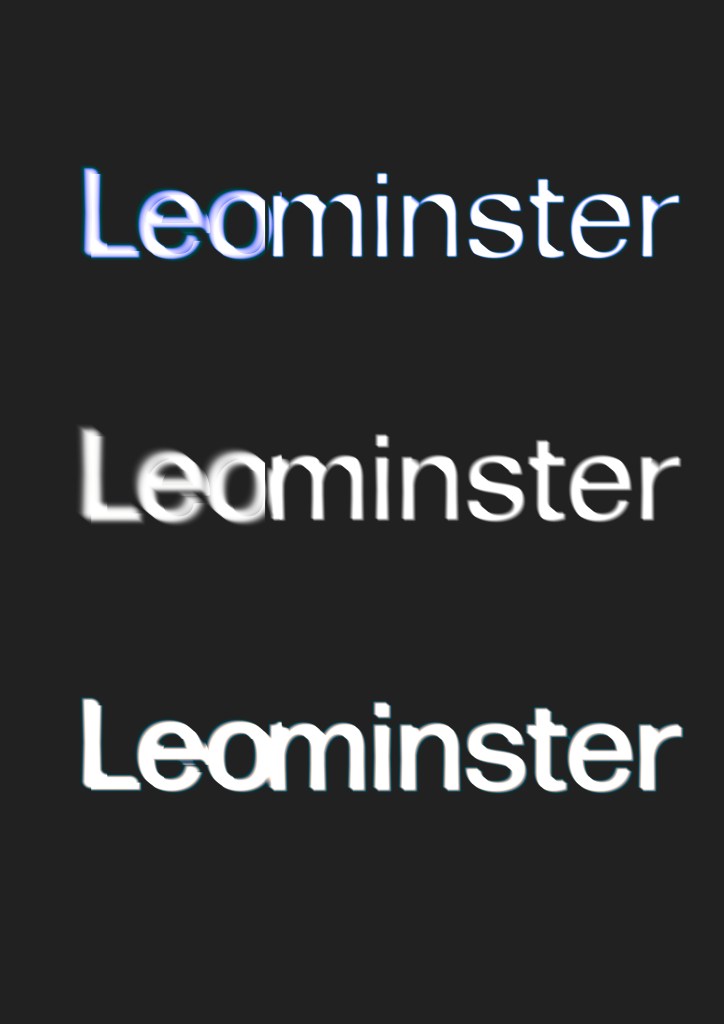


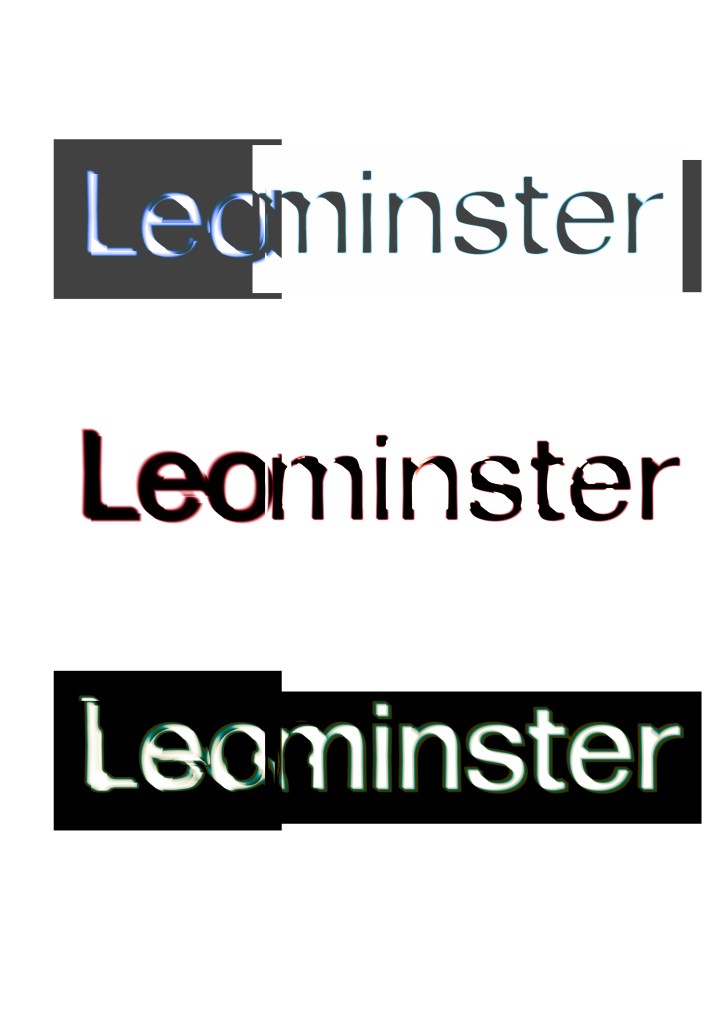
Progressing this idea forward I had expanded my objectives to include an exploration of the effects of light and moisture, and how this contributed to the visual-narrative taking place, within the letterforms. Observing, how a build-up of moisture could obscure the letterforms and corrode the structure of the type, itself. I was also intrigued by the interplay between the build-up of water droplets and the source light, with the resulting effect being the illusion of movement within the letterforms. This too, was an occurrence that I had attempted to recreate, below.

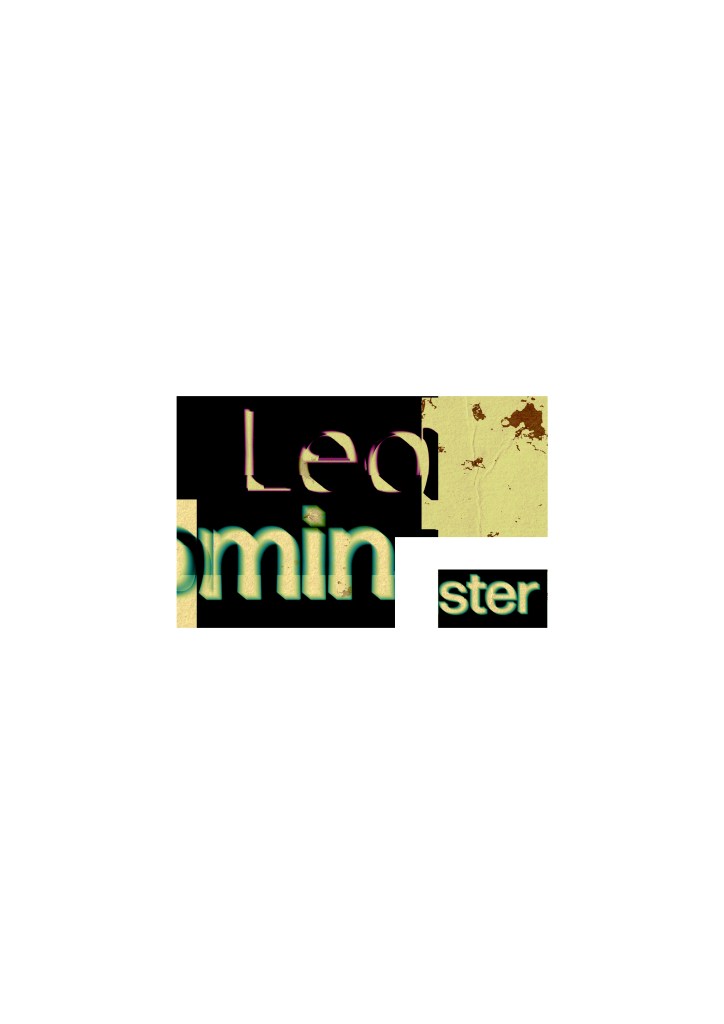

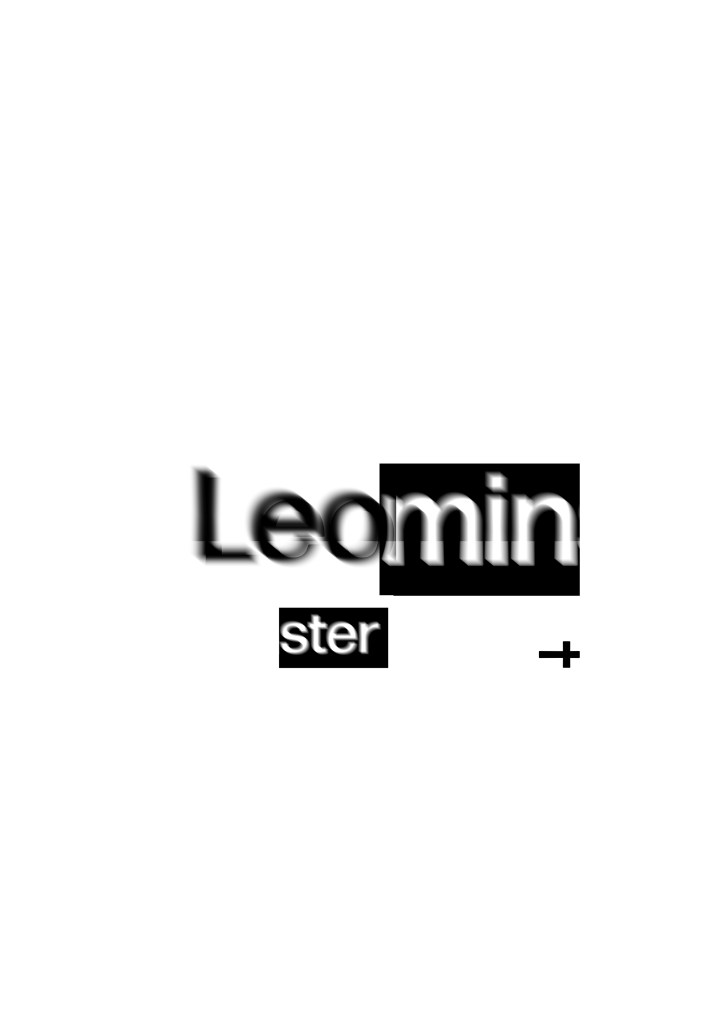

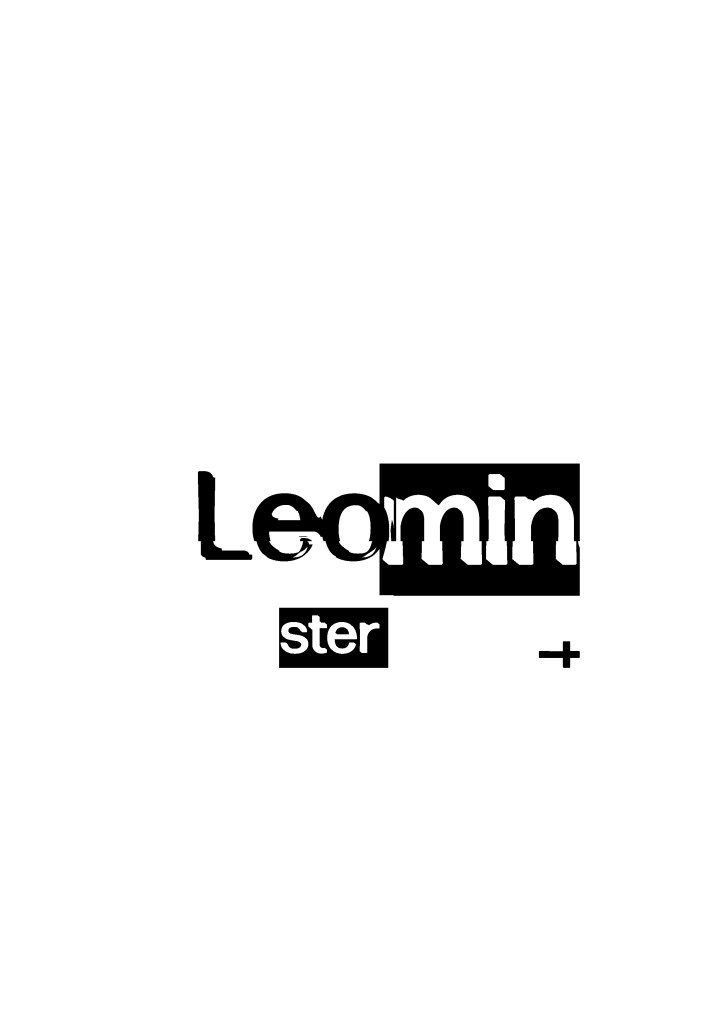

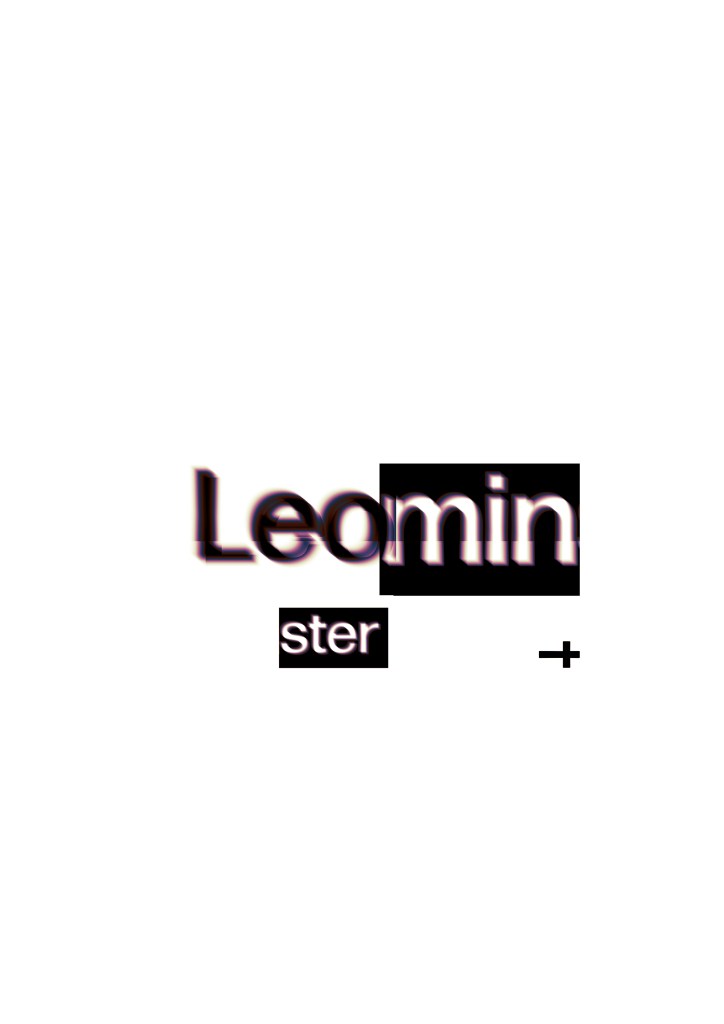
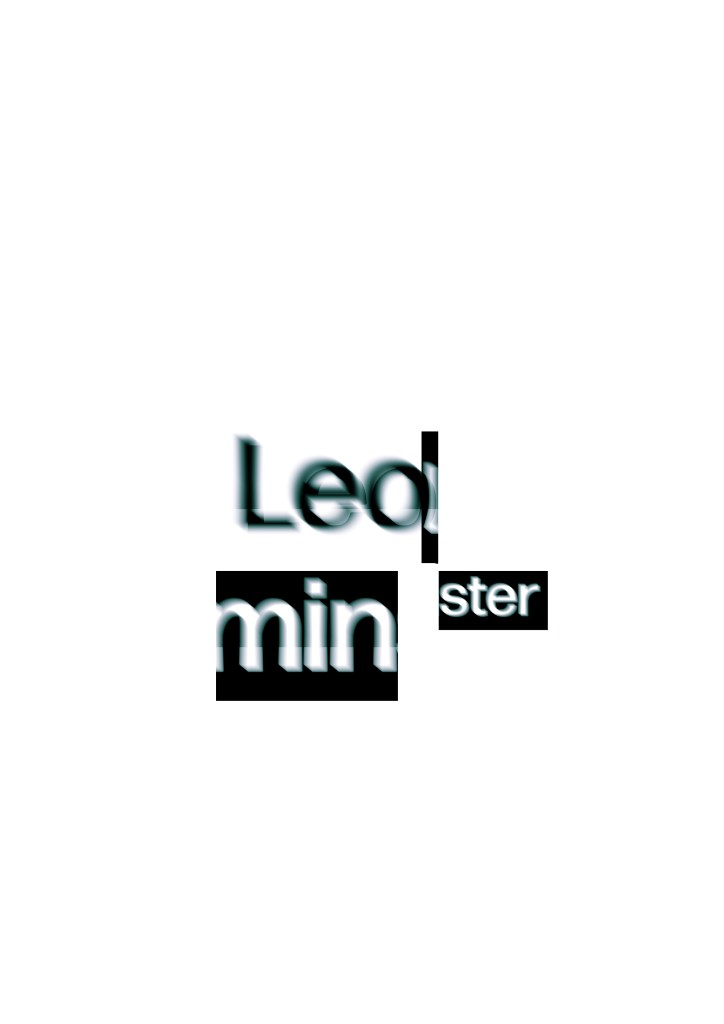
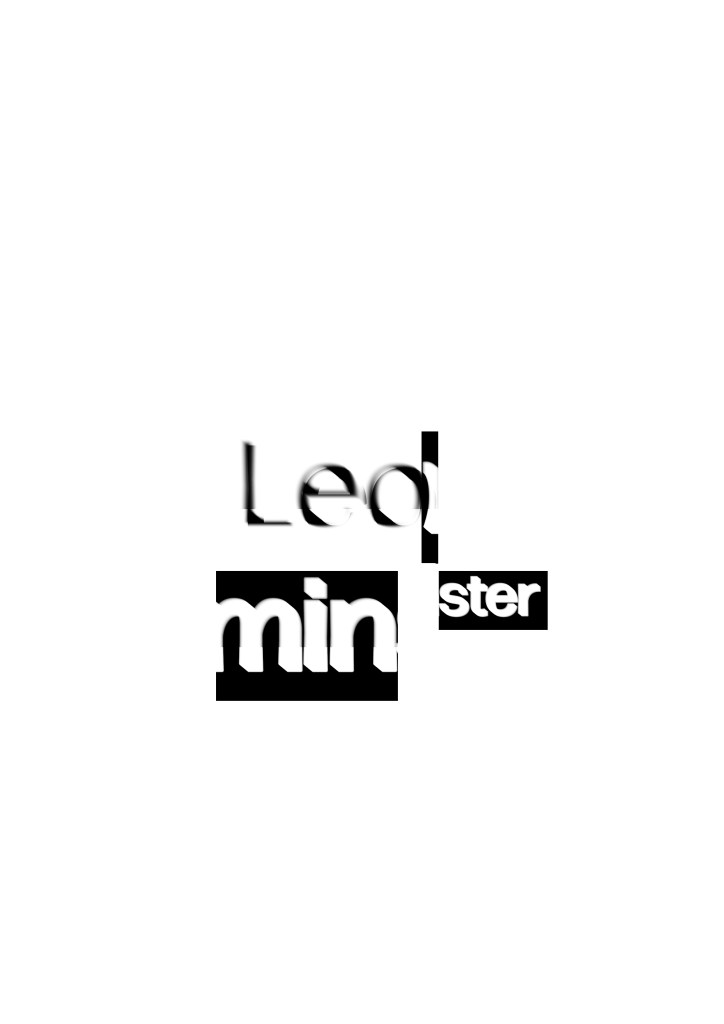

The next phase of development was to focus on composition, and through the process of deconstruction I was able to explore the relationship between positive, and negative space. Endeavouring to create moments of drama in their interactions and to further enhance the overall impact of the end result.
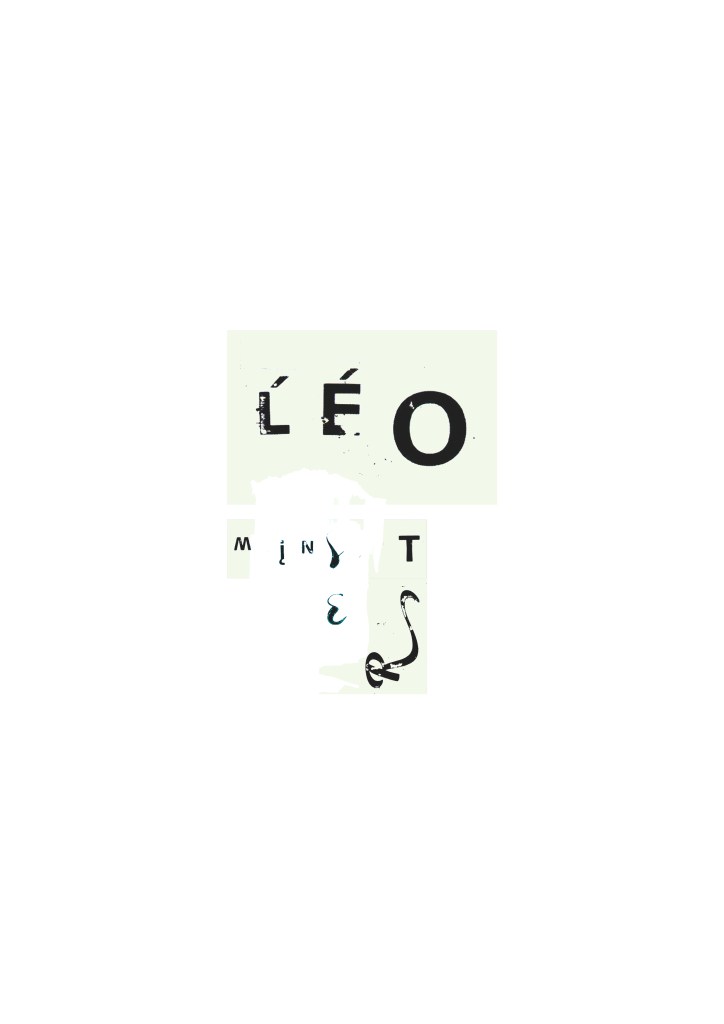
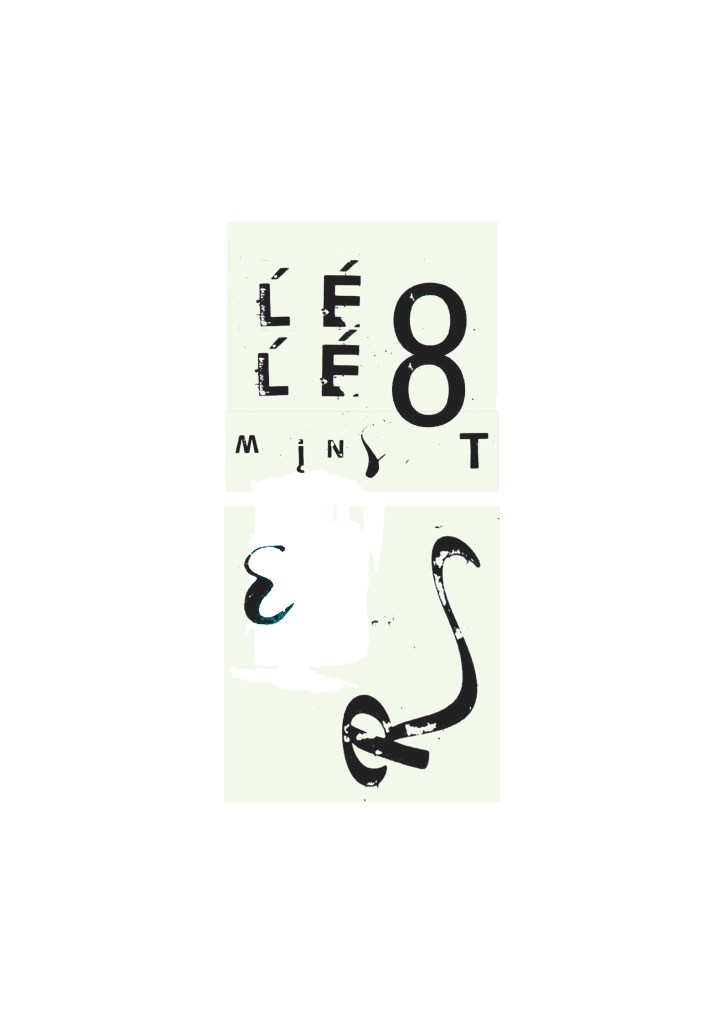
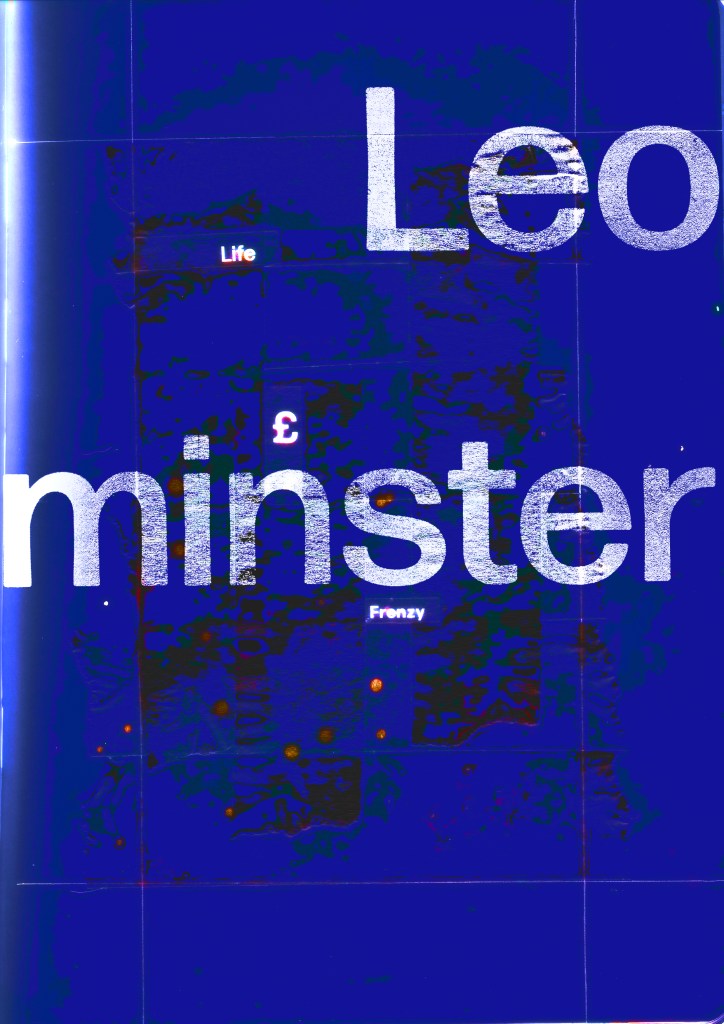
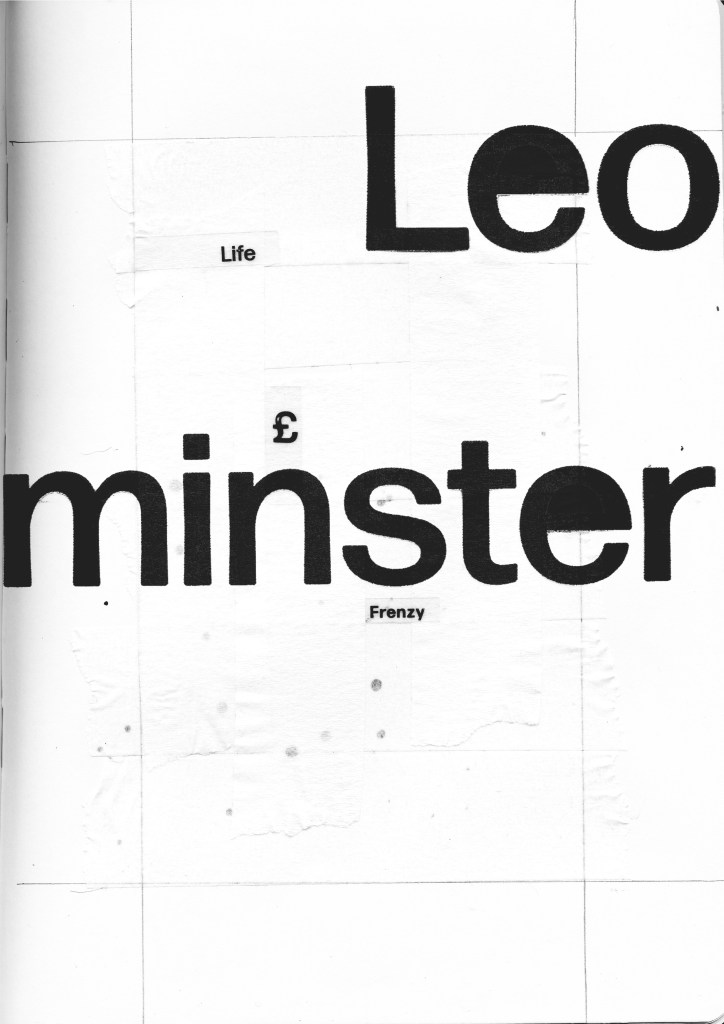
One of the more interesting outcomes of this exercise, was in the emergence of the two compositions below. In my opinion, the two designs had begun to resemble fully formed, logo-type. Upon further reflection, I had began to imagine said forms on all manner of brand-communications and marketing collateral. For me, these two monotone images best represent a more contemporary aesthetic and could be further developed into a stylish, contemporary and unique logotype. Was this the image that Leominster should aspire to project, going forward?
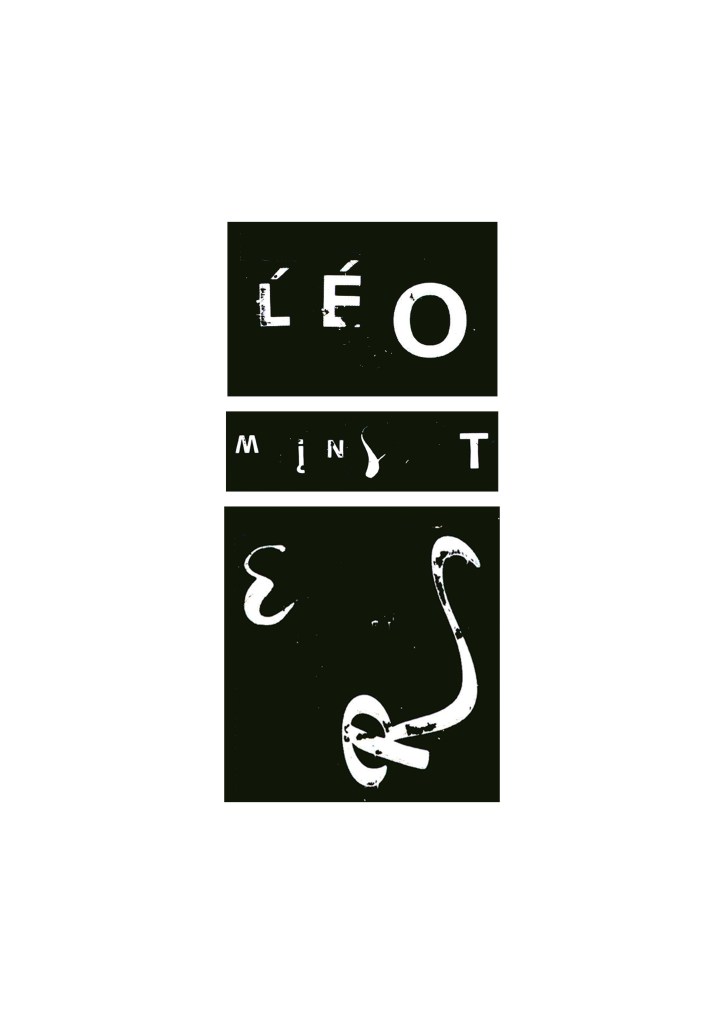

Speaking of a more contemporary aesthetic, the two subsequent images were the result of a decision to realign the approach and to establish a more vibrant and on-trend, visual-language. The aim was to project a positive, contemporary and stylish visual representation of the town’s cultural identity and in the process, lay-out a minimalist vision for the future.
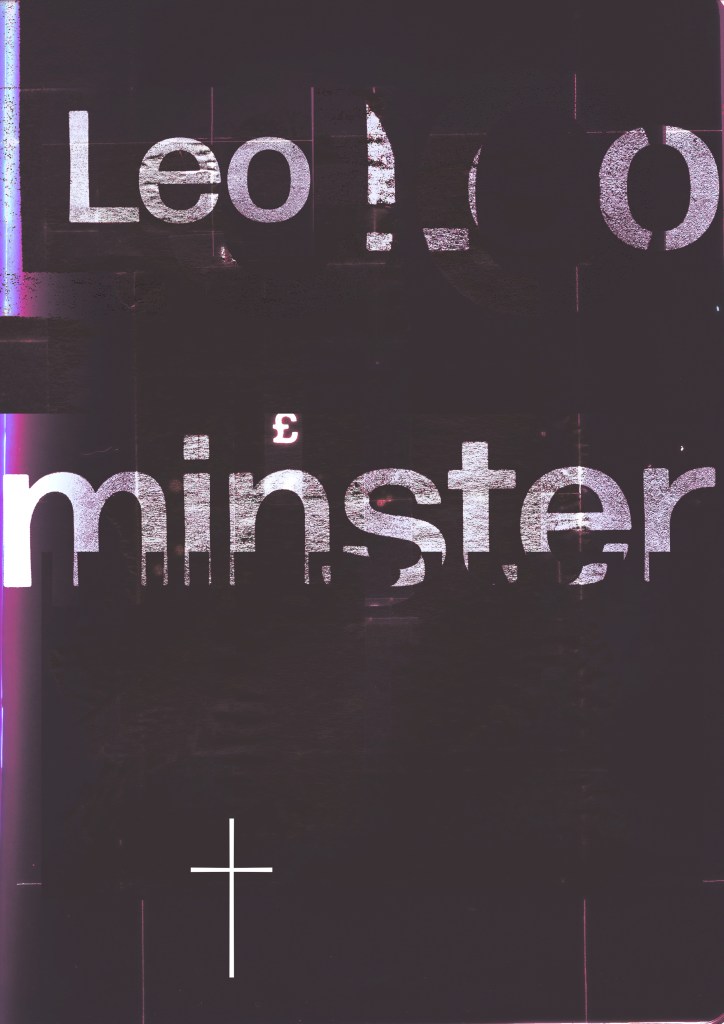
The following iterations were inspired by the industrial landscape and how man-made products interact with the natural world, specifically how the dispersion of solvents and industrial-chemicals interact with water. This idea was the result of observing said chemicals running into small, pools of rain-water. And how, the consequences of this contamination conjured-up all manner of hues, on the surface of the water.
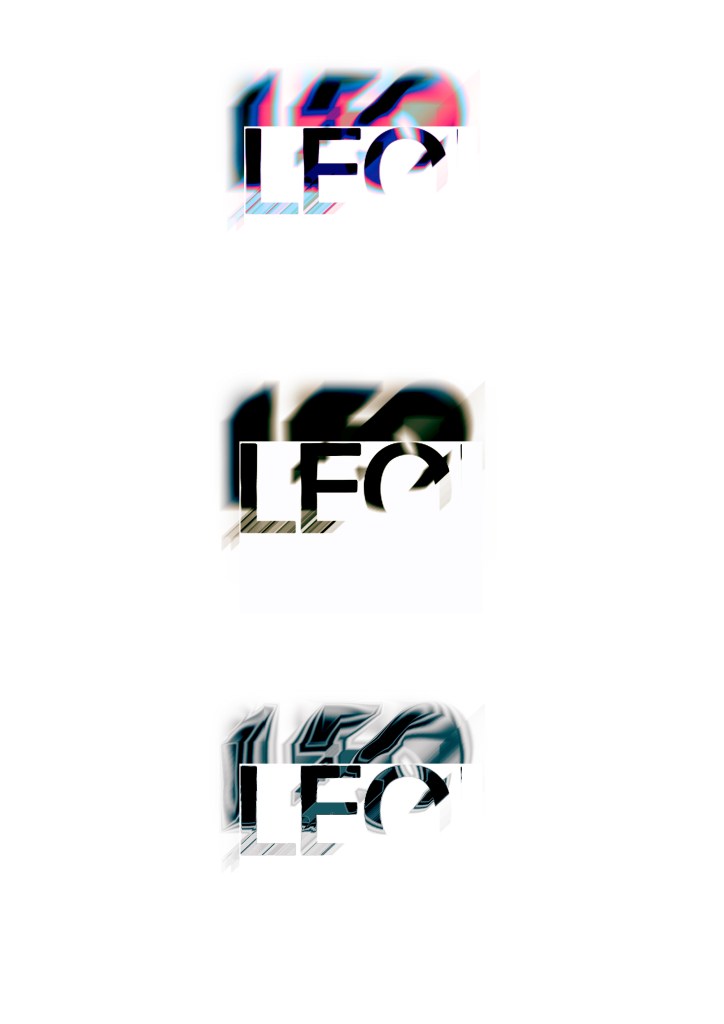


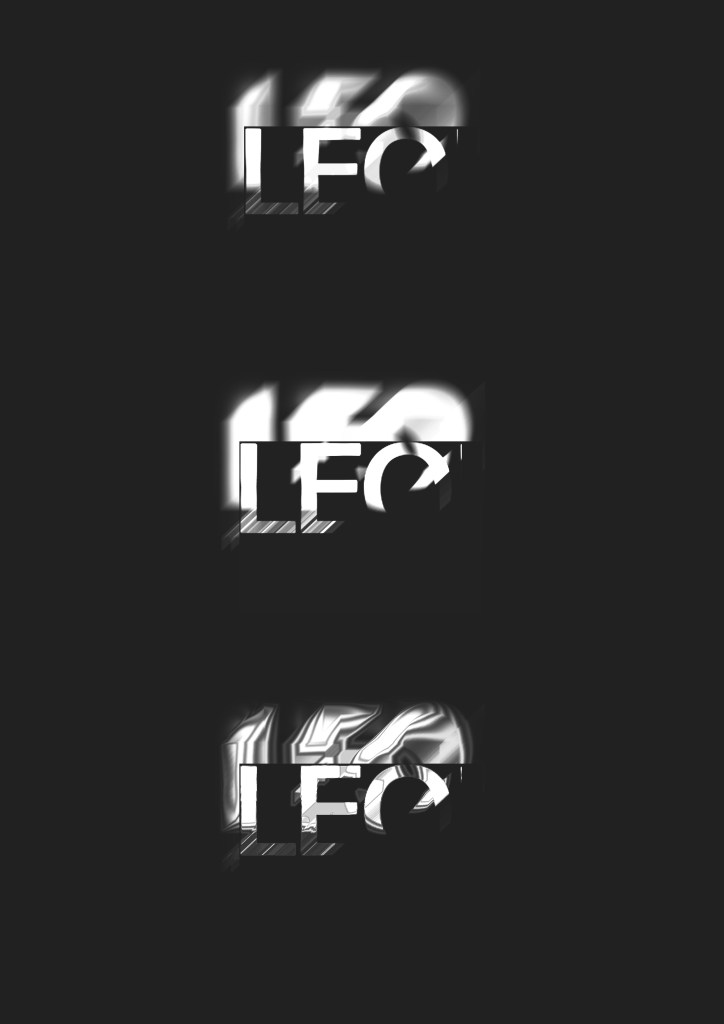


Workshop Challenge
This week we want you to use your initial visual research from Week 1 to create a new and unique title typeface. Do not forget to document your visual developments, and be experimental with form and legibility to create something entirely new.
Use the DNA of your initial visual research from Week 1 to create a new and unique title typeface that spells out the name of your town or city.
Your new title lettering should reflect the identity of your town or city.
Consider the interplay between provenance and historical story, in contrast to more strategic alignment to a design’s positioning.
Outcome

Reasoning.
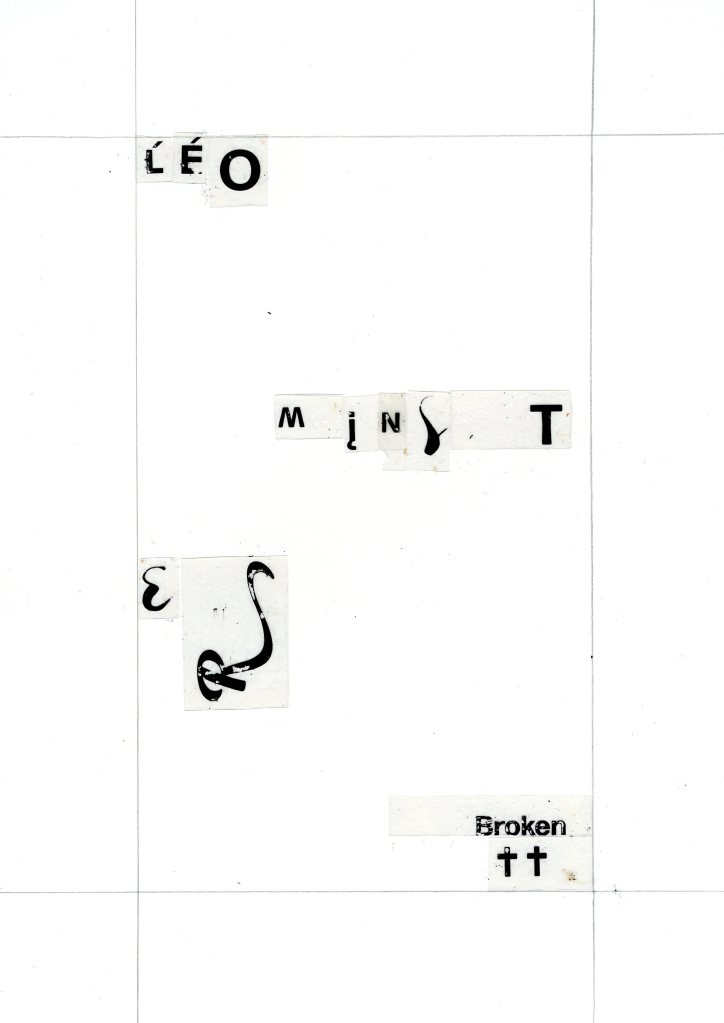
The above work was primarily designed to be a meditation on the relationship between Leominster’s past, as a centre of worship and its decline as a hub for national industry. It is part social-commentary, part artefact. The composition seeks to evoke the presence of the monastic-orders that were synonymous with the town, during the Middle Ages. And to act as a monolith, lamenting the loss of the industry that had given the town much of its cultural relevance.
In regards to the composition I had established a grid that allowed me to operate freely, whilst still retaining a structured form. The drama that is taking place between the separate elements is designed to instil the viewer with unease, and allude to the violent relationship between industry and landscape. It speaks too, of the spirituality that is imbued in the natural structures, throughout the landscape.
Stylistically, I had taken much of my inspiration from the work of Chris Ashworth, specifically his hand-made collages. The appeal of these works is in how they retain an element of imperfection, and yet appear refined and modern. Much like the Japanese philosophy, Wabi-Sabi, Chris’s work celebrates the imperfect. And that too, is a part of Leominster’s narrative.
References
Ashworth C., (2020). Instagram [online]. @ashworthchris. [Viewed 3 February 2020]. Available from: http://www.instagram.com/@ashworthchris
Carson D., (2020). RayGunmagazine [online]. DavidCarsonDesign. [Viewed 4 February 2020]. Available from:http://www.davidcarsondesign.com/t/tag/raygun/
Week_03
The Challenge
1) This week we want you to analyse one of the pre-selected examplesPreview the document of information design to determine its effectiveness. Consider clarity, communication, message and the role of design in communicating the message to you. Be critical and write a synopsis about its effectiveness, which we want you to present as a piece for editorial design.
2) Choose one of the five examples of information design provided.
3) Analyse its effectiveness, the story revealed and the role both design theory and practice took in producing the work.
4) Write a 500-word synopsis of your analysis in your research journal and include visual references and highlights of the piece examined.
5) Create a piece of editorial design to portray your final synopsis and visual references.
Analysis: United Micro Kingdoms.
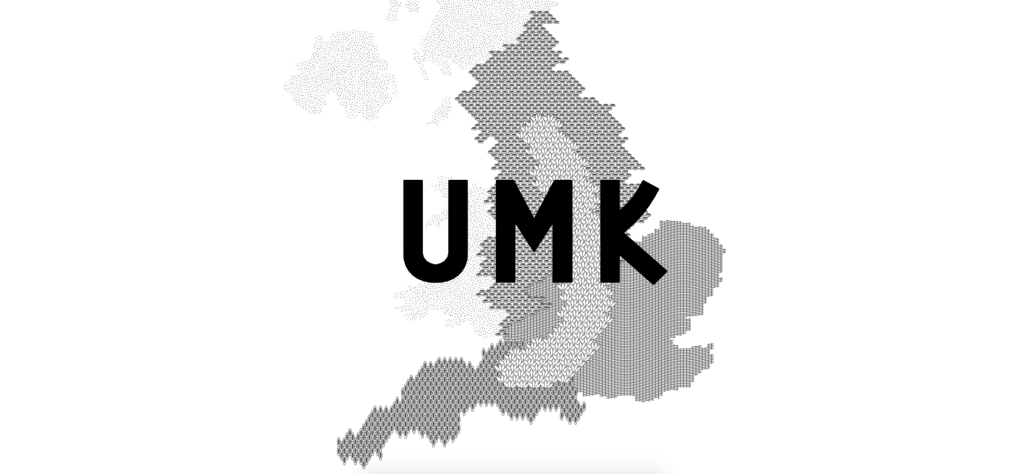
Above: The UMK, landing-page. (2020)

Above: UMK, About. (2020)
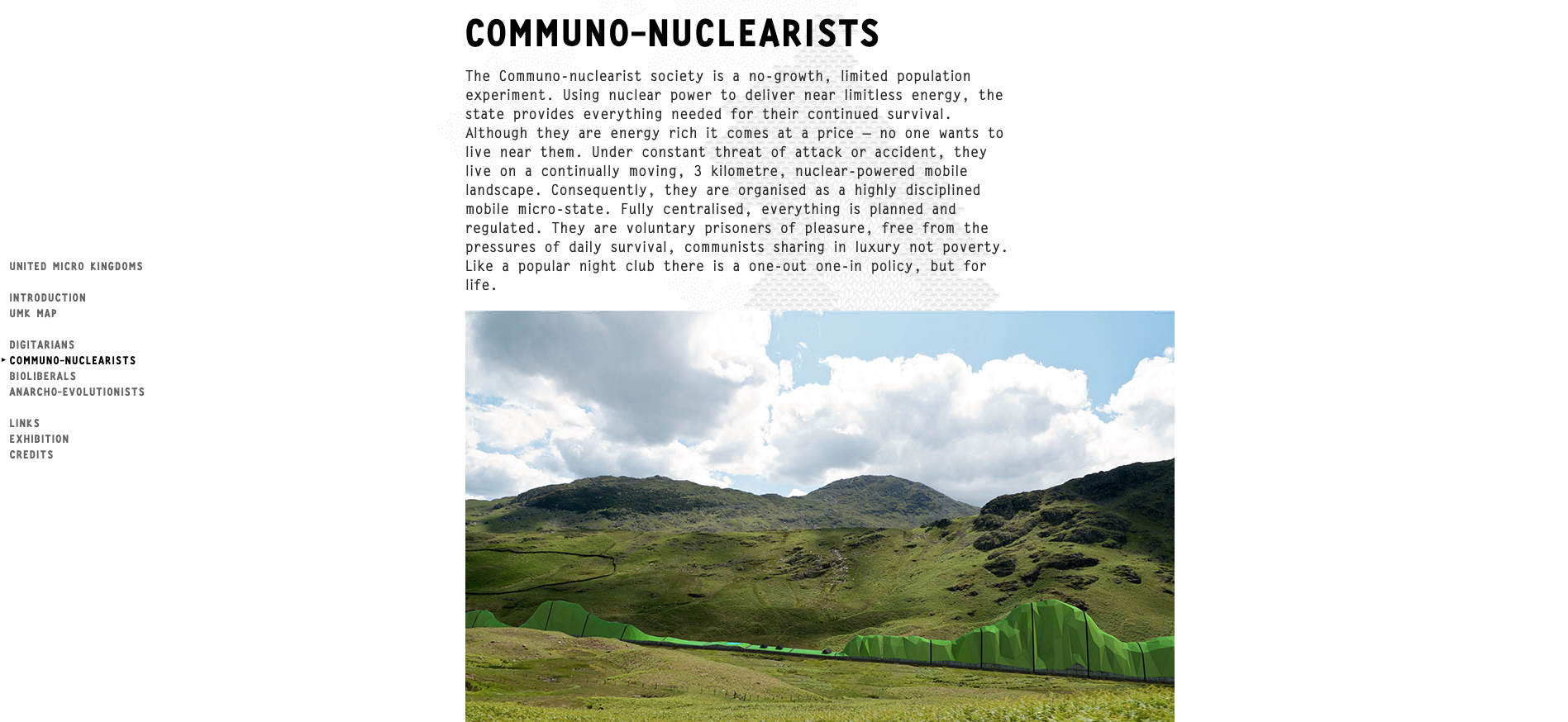
Above: UMK, Factions. (2020)
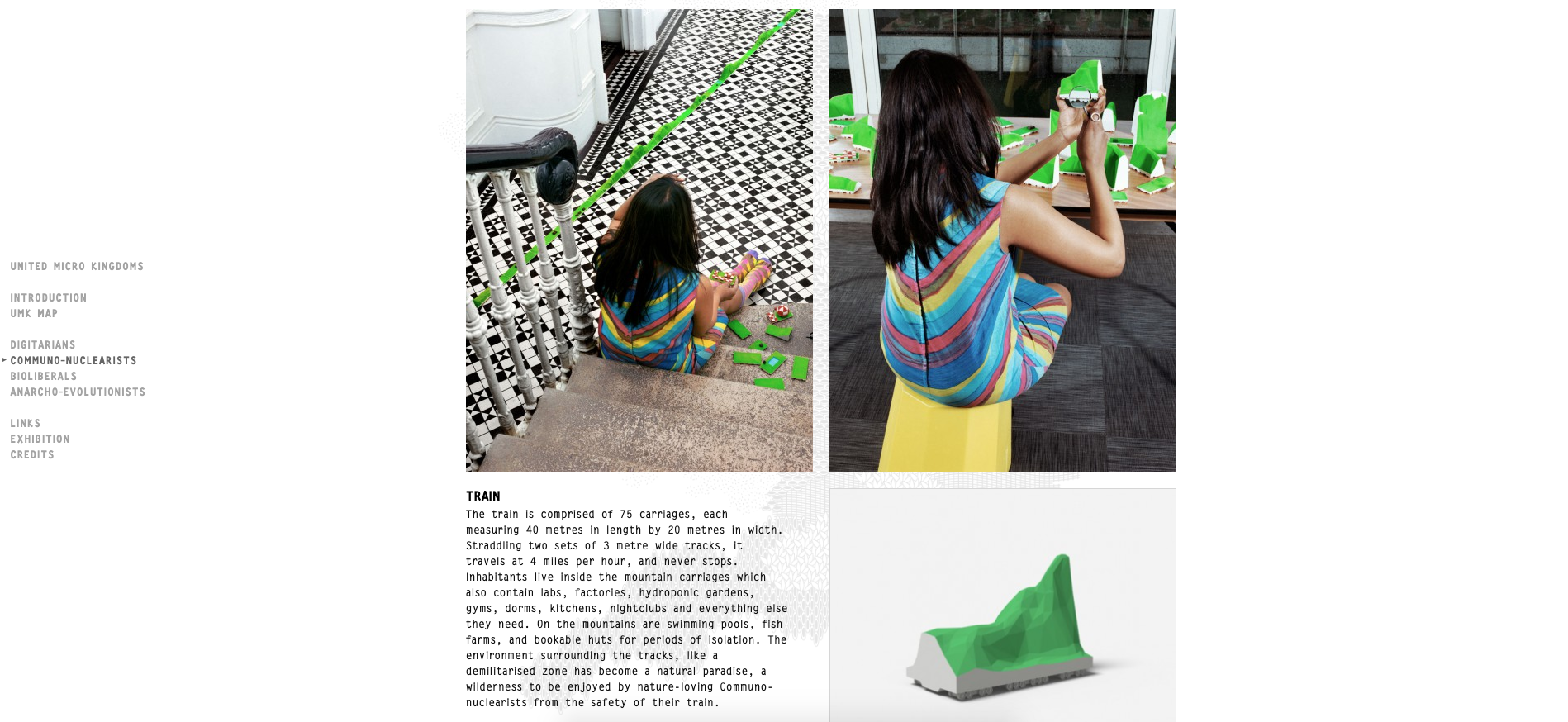
Above: UMK, Technology. (2020)
PROS:
CONS:
1: Instantly Accessible.
1: Provides a limited platform, that restricts the narration and in-so-doing, the overall message.
2: Cohesive.
2: Typography: Illegible, in places.
3: Visually-stimulating.
3: The map: Lacks scope, and is a missed opportunity for greatly expanding the visual-narrative. This could have been an opportunity to encourage further interaction, with the platform.
4: Immersive.
4: Lack of colour.
5: Aesthetically-pleasing.
5: Could integrate the embedded platforms and academic papers, more effectively.
6: Clarity in layout of the design.
7: Good use of interactive storytelling, where used.
8: Well articulated talking-points.
9: Effective use of a structured narrative.
10: A well executed, contemporary visualisation of a complex set of data.
11: Good use of iconographic language and visual-cues.
12: Provides a range of well-sourced academic documents, for further reading.
Analysis.
Overall, the UMK platform makes effective use of contemporary design-practices, specifically in the areas in which a bold graphic style has been applied. The most effective example of this is the application of an illustrative motif, throughout the visual-narrative. The consequence of which, evokes the depth of narrative that is sometimes lacking in other areas of the story.
Typography has been deployed sparingly, however, the application of which presents distraction rather than engage the reader further. The copy would have benefited greatly from a more considered, approach to the role of typography in this narration. And where there could have been the emphasising of content, there is at times illegibility.
The reader will find the site easy to navigate, largely due to its long-form format, and the information within is engaging and educational. The delivery of which is for the most part successful, and the platform succeeds in condensing the academic content into a digestible narrative, that can be accessed by a broad demographic.
500 Word Synopsis
The instantly accessible UMK platform presents the viewer with a cohesive and immersive user-experience, that is visually stimulating and aesthetically pleasing. The platform reads well, largely due to its use of a minimalist layout and a spartan use of typographic elements, and provides ample information on the subjects, in-hand.
Engaging with our innate capacity to comprehend conceptually, complex narratives and linear forms of storytelling, the work excels at condensing the message into easily followed stages. With further material provided, should the reader wish to engage with the material further.
Where this presentation falls short, is in its lack of ambition and vision, specifically in the failure to build upon the world it has established. As a user of the platform, I was excited by the prospect of being able to further explore the map and the separate tribes that had been introduced in the overview—I had envisioned being able to access separate sections of the map and in-doing-so, discover new information pertaining to the relevant talking points.
Where used, photography has been implemented effectively, with the selected images providing an effective contrast to the monotone visual elements, elsewhere on the site.
The composition of these photographs is well considered and the objects depicted therein, are both intriguing and humorous in nature—Further contributing to the overall appeal of the visual-narrative.
The environments shown in the photographs provide context to the characters and locations set out in the narrative and in-doing-so, builds on the foundations of the world that has been created. All of which, enriches the appeal of the site, and encourages consumer-engagement.
One of the areas in which this project is certainly lacking, is in the effective deployment of a typographic narrative—The fonts selected are presented in a manner that fails to make use of the letterform as a visual-prompt for the reader, lacking both rhythm and consistency. Scale too, is a point of contention here.
In conclusion, UMK is a project that dares to think differently about subjects that are vast in scale and complex in nature. They succeed in condensing the data therein, however, the overall presentation lacks a broader vision, and suffers for this oversight.
The practice of deploying Micro Kingdoms as a form of communication is not new, we have seen this format achieve success across a multitude of sectors.They can be observed within the digital gaming market, with platforms like UMK being used to build a direct relationship between the individual consumer and the brand.
More recently the format has been tested by contemporary artists that operate in the world of high-end, collectible toys—Using the format to present an end-to-end vision, for their work.
In education too, this platform is being tested, with assignments and subsequent grades being delivered via a Micro Kingdom.
UMK is perhaps, just another iteration of the format. One, that is lacking where others have excelled, and triumphed.
Editorial:

References:
Dunne and Raby., (2019). UMK [online]. unitedmicrokingdoms. [Viewed 10 February 2020]. Available from: http://unitedmicrokingdoms.org/
Week_04
Outcome
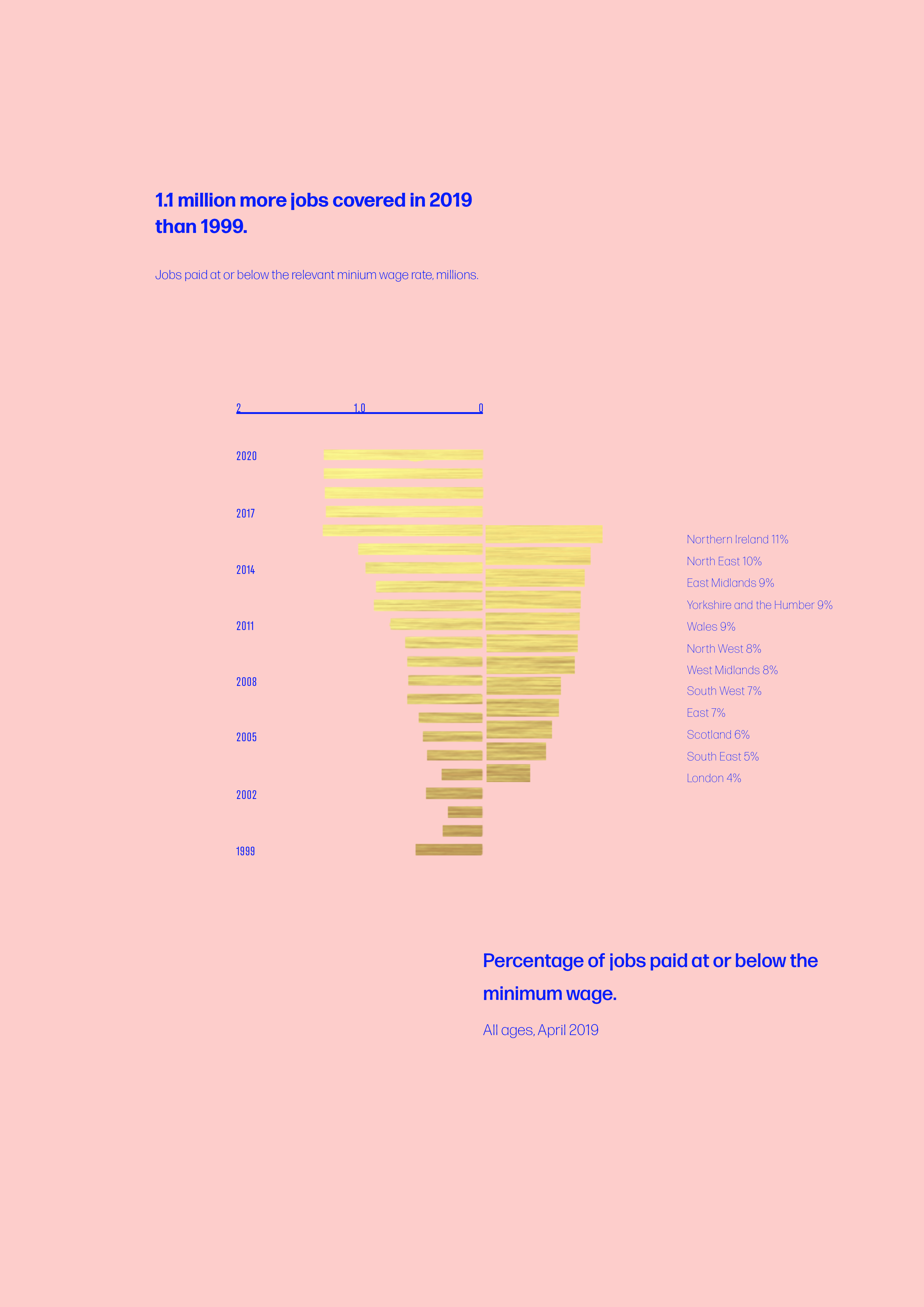
Week_05
Brief_02: Written communication: Making, Researching using words, Publishing and new discourse.
Studio practice:
Research into the genre of graphic designers who write.
Analyse digital and print production techniques used by designers to tell a story.
Deliver a 400-word article, exploring one of the preselected themes, that is presented as a typeset In-Design document, or similar.
Deliver a sketch to outline how you will use digital or print production techniques to elevate the content of your article.
Document your research, ideas and visual development on your blog.
Participate in and reflect on the debates raised on the Ideas Wall.
Lecture.
The image=Dialogue.
Inspired by the unprecedented, levels of social upheaval and the persistence of old rivals, Europe at the beginning of the 20th Century was on the verge of a profound change. In response to this instability, many of the artists and designers of the day began to use their work as a means of expressing their discontent with the state of affairs, using the work itself to communicate their respective philosophies and as a device, through which to engage the wider public.
Over time, many of the artists of the day were faced with profound questions, regarding their own role in the world and in attempting answer these questions, a great number of them formed groups. Adopting diligently written manifestoes and abiding by processes that served to elevate their work and philosophical beliefs, these art-movements would proceed to play a formative role in the construction of a new world. In due course, they would use their respective skillsets to challenge the status-quo and assert a new perspective on the world around them.
Among these groups there were: The Constructivists, whose work was built on a strict adherence to mathematical precision and a form of visual communication, that explored the purification of form and the distillation of line. Chief among the group’s objectives was to use art as a catalyst for social change. And it is during this period, that we begin to observe the development of professional practice, as a tool for galvanising the wider population and encouraging a broader dialogue, on the key topics of the day.
The material formation of the object is to be substituted for its aesthetic combination. The object is to be treated as a whole and thus will be of no discernible ‘style’ but simply a product of an industrial order like a car, an aeroplane and such like. Constructivism is a purely technical mastery and organisation of materials.
(The Constructivist manifesto, 1923.)

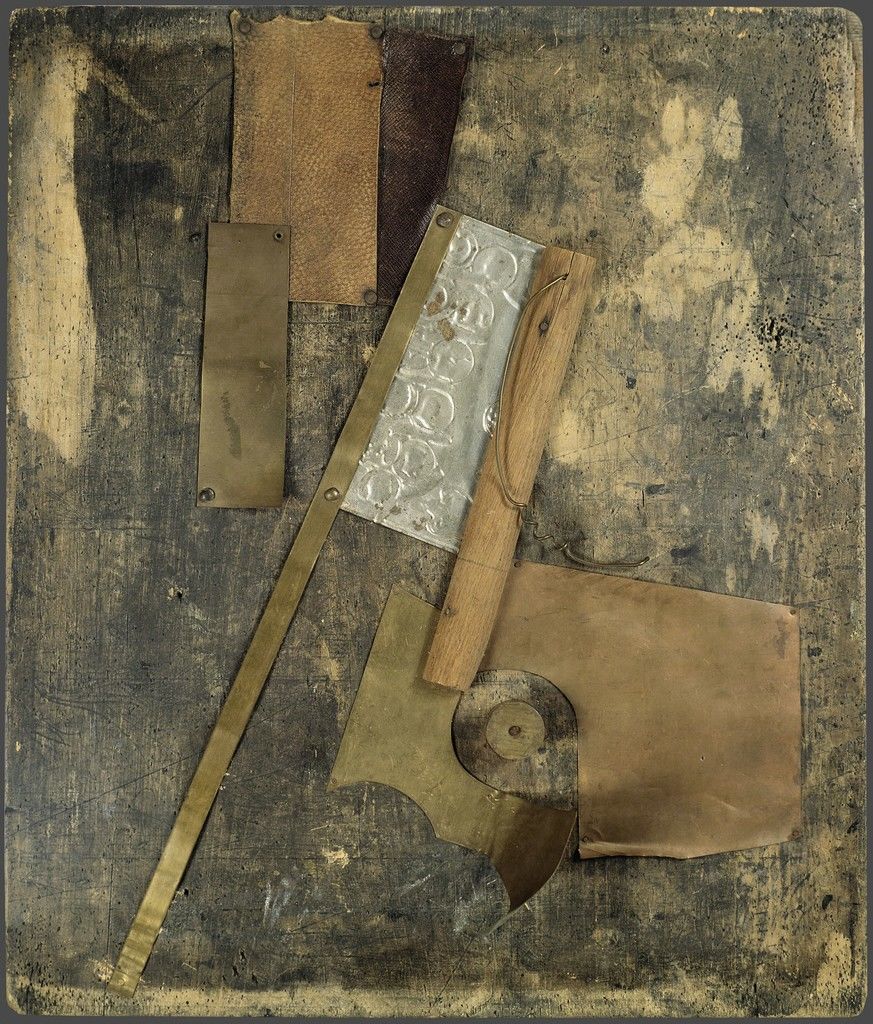
Above Left: Gustav Klutsis, Oppressed Peoples of the Whole World, 1924.
Above Right: Vladimir Tatlin, Painterly Relief, 1914-1916. Wood, metal, and leather. 24 2/5 × 20 9/10 in 62 × 53 cm.
Prior to this period, in the 1910’s we had seen the establishment of the Futurists, an art-movement that is synonymous with depictions of the mechanisation that was sweeping through much of Europe, at this time. It was the Futurists, that would establish the fundamentals of practice and provide the Constructivists with much of their inspiration.
After the abhorrent scenes of the battlefield and the desolation that had resulted from fighting a mechanised war, many of the returning soldiers found themselves returning to a new world. In response to this uncertain social landscape, the artists that had seen action began to develop a visual vocabulary through which they could relay the inhumanity of the previous five years, and so it was that many of the art movements of this time had began to re-interpret the relationship between the written word and the image.
It was as part of this exploration, that the Futurists emerged and with them a new vocabulary that endeavoured to look forward, to a world in which they believed man and machine would co-exist as equal components of a much broader mechanism, that being a society that was purified and free from that failings that had led to the calamitous war, in which many of them had just fought.
Throughout the post-war years, we can observe the evolution of the relationship between the written word and the image, and how by combining the two elements many artists had began to establish new methods of communication. The immediate result was the work produced by the veterans of the first world war, which took the form of anti-establishment propaganda. This sentiment soon began to take the form of manifestos, and so the visual language of the old world gave way to a more spartan visual-landscape.

(Above) We are making a new world, Oil on Canvas. Paul Nash, 1918.
Regarded as one of the most famous paintings in the world, Paul Nash’s 1918 painting epitomises the zeitgeist of the post war years and is often regarded as the image that best surmises the appalling events of the war. The work exemplifies the use of art as a communication device, and how such works can be deployed to initiate a change in attitudes or policy.
Nash was one of many post-war artists that endeavoured to reposition the discussion on the failings of man, and in-so-doing he set a tone for future dialogue on the subject. And this subsequent tone would be adopted by authors, poets, musicians, and film-makers in their own efforts to understand the subject.
I use this example, as it perfectly illustrates the relationship between tone, narrative, context, and visual-narrative. It can be used to comprehend the practices that are applied to accommodate the relationship between journalism and visual-storytelling, and how this interaction between the written word and the image allows us to better understand the world, in which we live.
Research
Graphic Designers that write.
Unit Editions.
Formed in 2009 by Tony Brook, Patricia Finegan, and Adrian Shaughnessy, Unit Editions specialise in the publication of books on visual culture and design practices, for designers, students and followers of visual culture.
Many of the works in the Unit Editions catalogue are a celebration of counter-culture or reflections on the works of noted, Graphic Designers. The tonality of the books is itself reflective of the respective subject-matter, and this serves to create a seamless narrative between content and artefact.
As part of conveying the selected narrative, Unit Editions utilise relevant materials in the design and construction of each book. This allows the reader to establish a tactile relationship with the object, adding to the emotional impact that the book may already have on the reader. And it is through this emotional connection that the narrative can be conveyed.
When we interact with a book, specifically one that combines the written word with an array of images, we are able to ascertain an understanding of the narrative much easier. As an author, combing the two elements also allows one to convey complex themes and extensive narratives, specifically those that rely heavily on subtext. So, why do we as readers connect with this formula?
In attempting to answer this question, I may be inclined to propose that a word provides the factual information as we have been raised to understand it, and an image allows us to feel the information, providing a primarily emotion-driven experience.
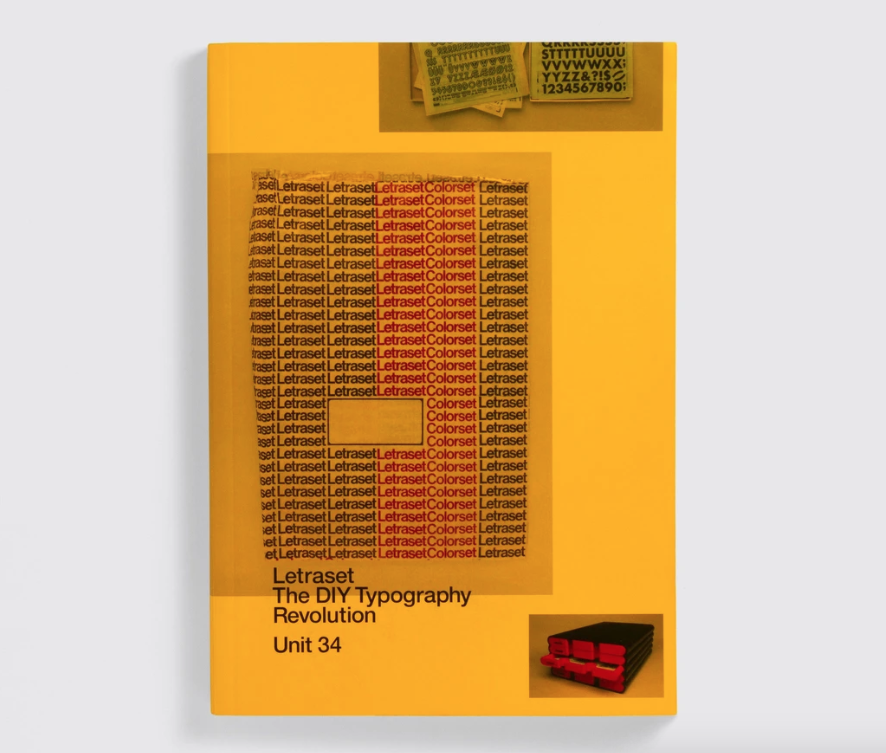
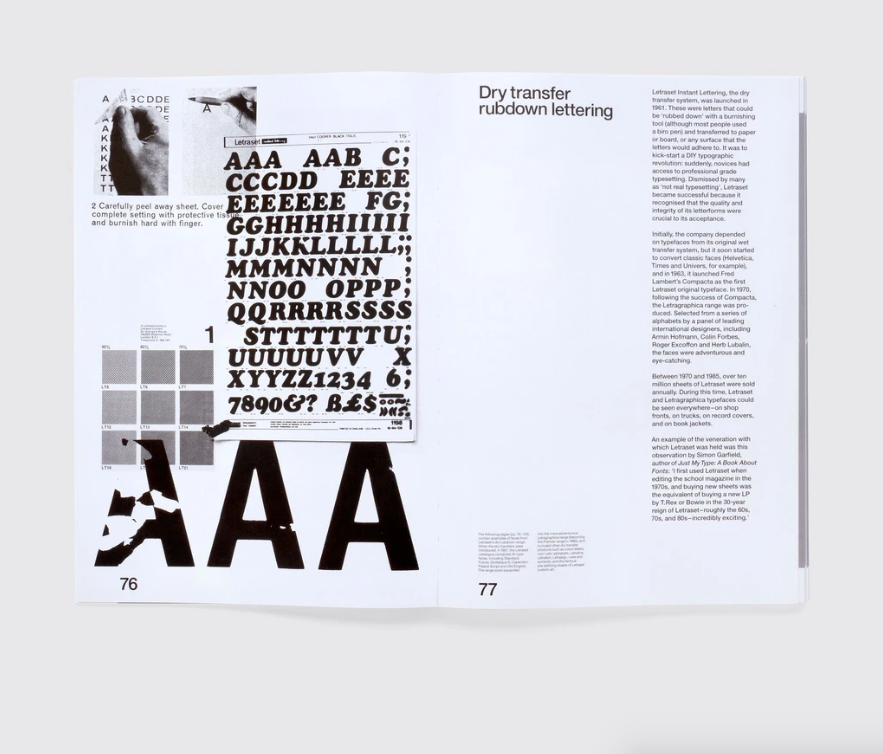
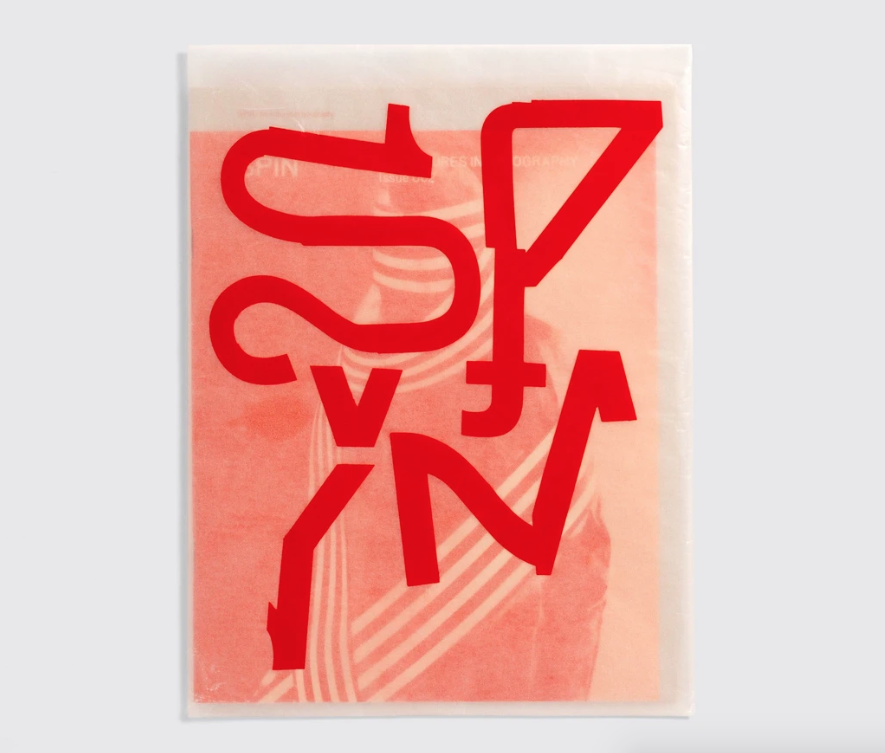
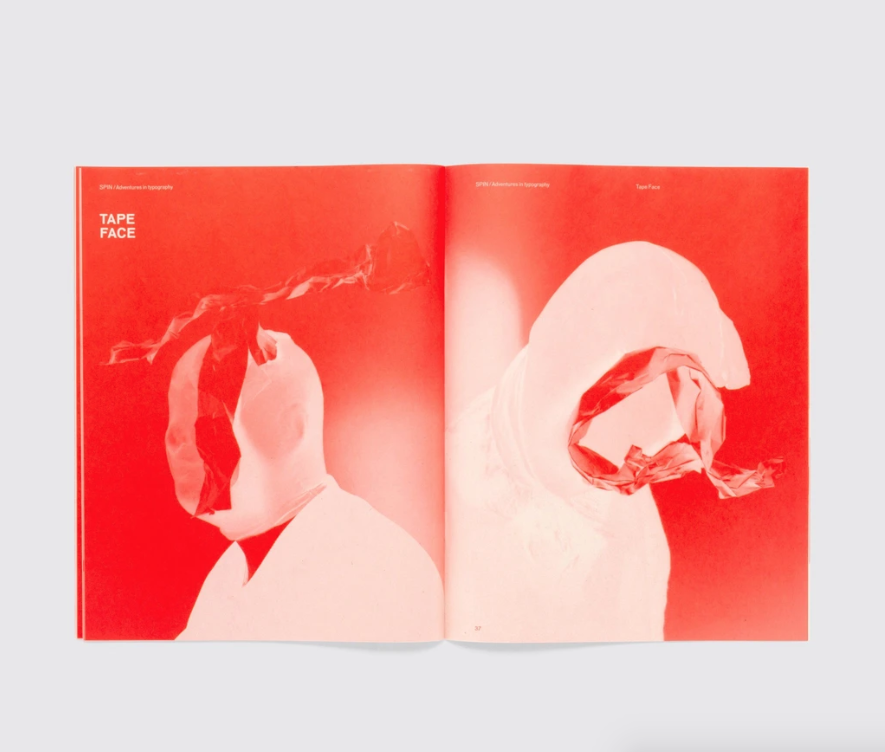

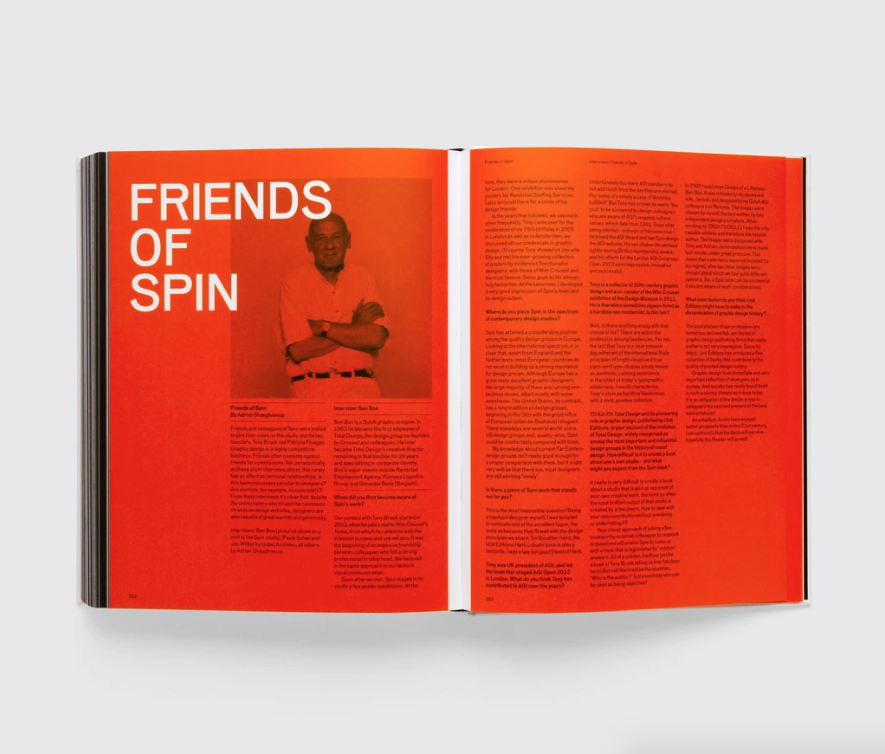
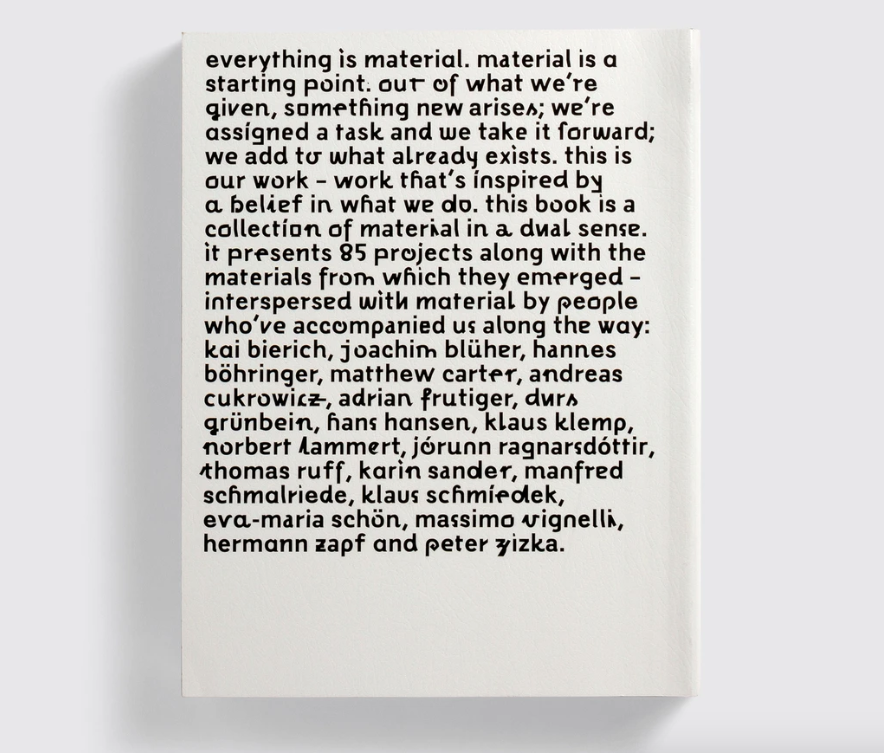

(Above) A selection of works, by Unit Editions.
Design processes and production techniques.
ID Magazine.
Analysis: Capturing the Zeitgeist.
For decades now, ID magazine had been the bastion of youth-culture, Fashion, and Music. The presentation of the content, is itself an achievement in the visualisation of these subjects and the magazine has become a point of reference for visual-culture consumers.
Where this publication succeeds, is in its ability to encapsulate the mood of the respective period, serving to convey the issues of the day through the use of energetic visual-narratives that are built on a nuanced sub-text. This information is communicated elegantly through considered use of photography, editorial-illustrations, a DIY-aesthetic, and copy that is intelligent and articulated, eloquently.
In order to achieve this symbiotic relationship between style and substance, the editorial layouts have to work harmoniously with the content, much of which can be abstract in explanation, and visually complex. In endeavouring to navigate this challenge, the art direction makes regular use of juxtaposing images and non-traditional layouts. Thereby providing the factual information through accommodating the reader with an emotional narrative, that in-turn allows them to indulge their respective need for escapism.
There are many components at work here, from colour, composition, choice of fonts, page-layout, the type of imagery selected, the tone of the copy, the perceived rhythm of the visual-narration, the choice of model, the weight and quality of the stock, and many more considers. Each of which plays a role in the successful communication of a very specific story. And misjudging the use of either of these considerations, will create unbalance within the content, and disruption to the overall story, within.
Examples of the layout, ID Magazine.
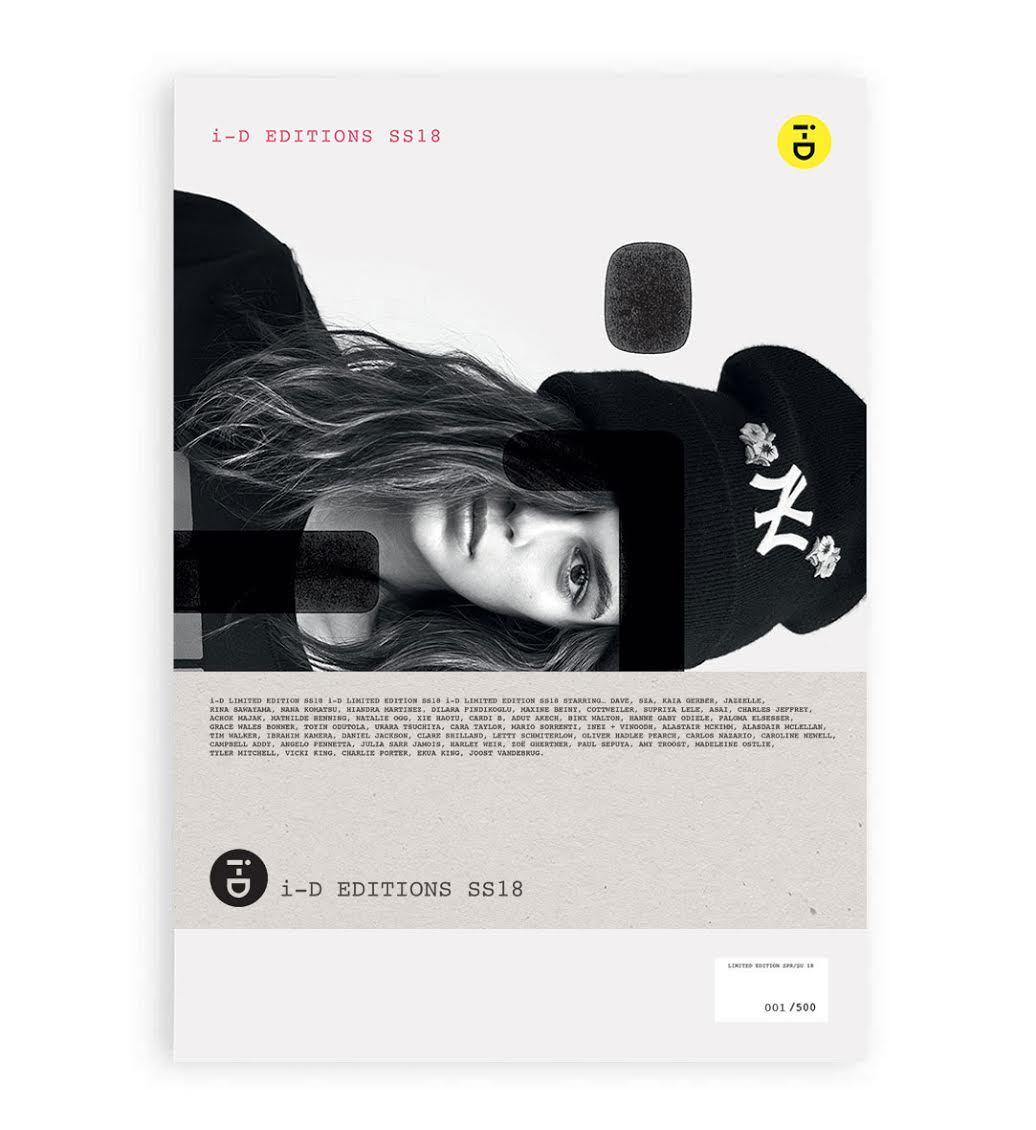
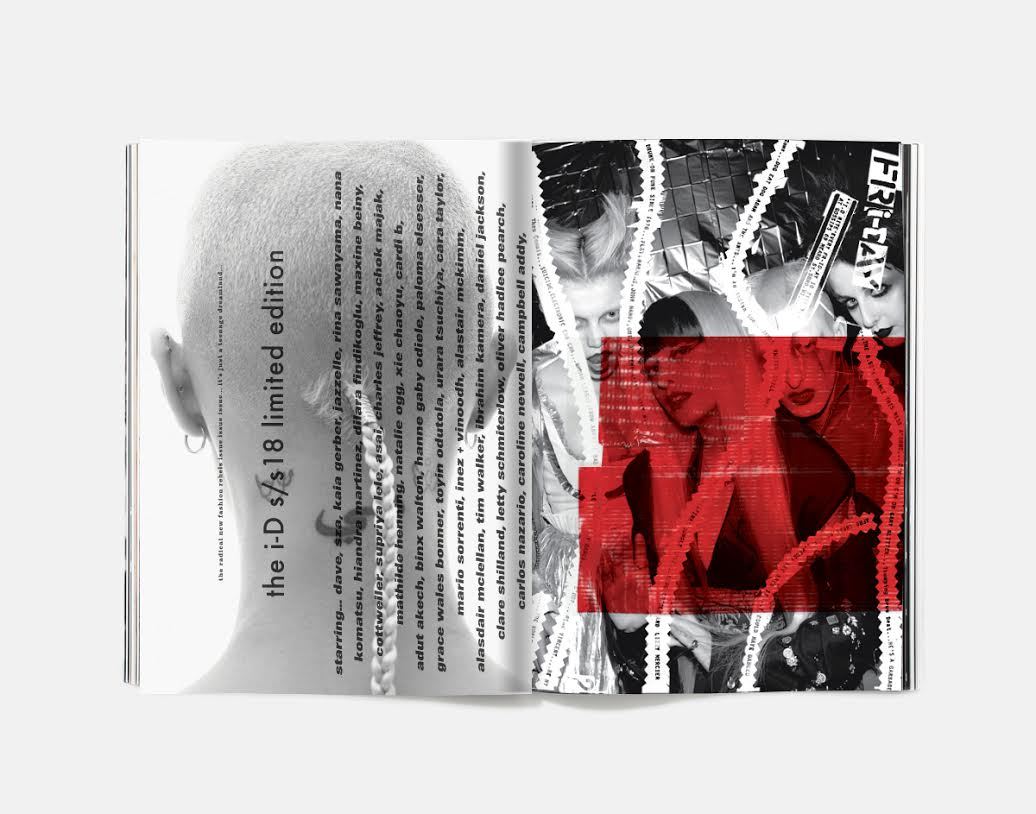
(Above) ID Magazine, Zine SS18, Cover and Double-page spread.
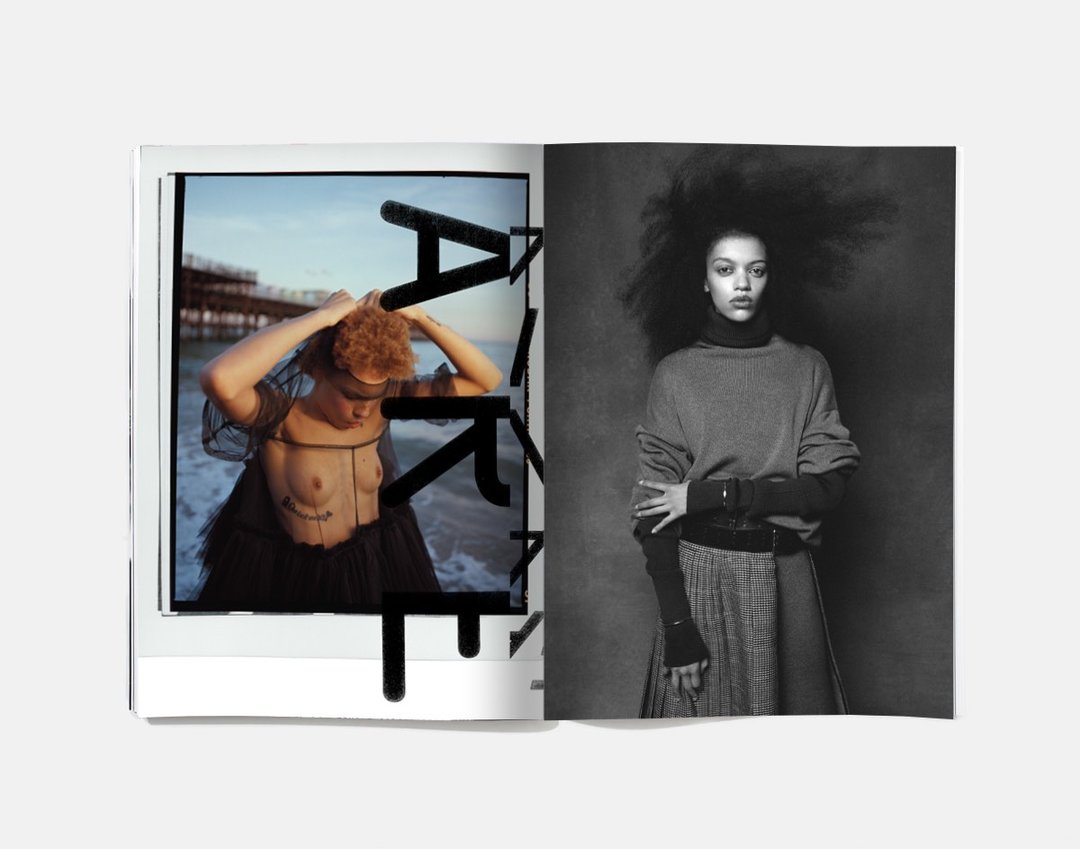
(Above) ID Magazine, Zine AW18, Double-page spread.
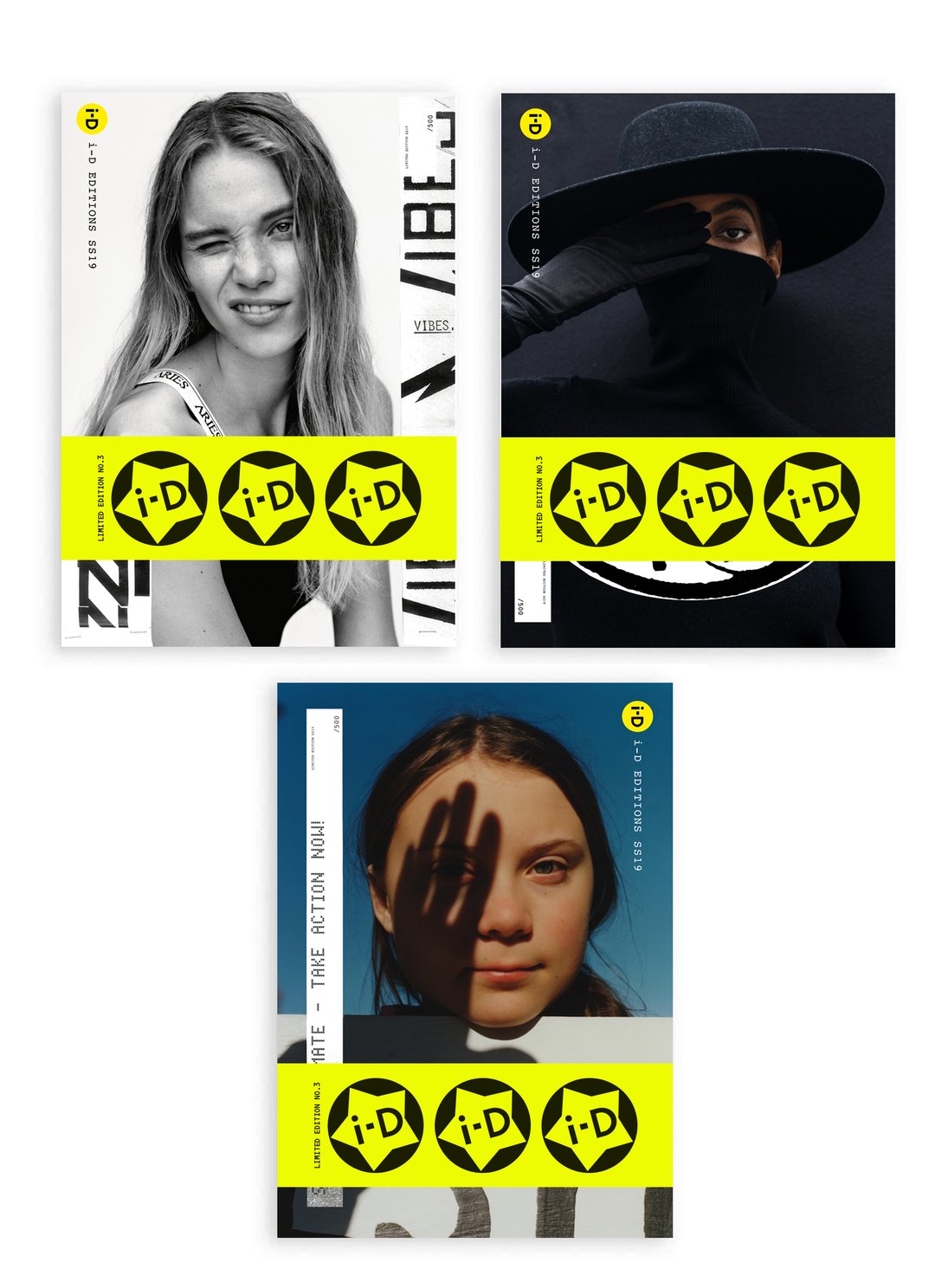
(Above) ID Magazine, Zine SS19, Covers.
Analysis: ID Magazine, Copy sample.
We’re in a moment when the work of black artists feels like it has unprecedented visibility. Phrases like “gold rush” and “mad scramble” have been used to describe the fervour private collectors and institutions have had for acquiring pieces by legends like Jean-Michel Basquiat and living artists like Kerry James Marshall.
But long before black artists fetched more than $100 million at an auction or were picked to represent the US in the Venice Biennale, there were black patrons, collectors, curators and critics supporting their work. Chef Leah Chase used the walls of her historic Dooky Chase restaurant in New Orleans to showcase greats like Jacob Lawrence, while queer critic and curator Alain Locke — the “Dean of the Harlem Renaissance” — organised an unprecedented show of black art in 1940 that drew huge crowds and featured work by pioneers like Charles White, to name just two.
(Above) An excerpt from an article, on the rise in interest in collecting work by African-American artists. ID Online, Feb 2020.
Analysis of the copy.
The tone of the articles, both in print and on digital platforms, could be described as being cosmopolitan. The objective, analytical perspective of the authors permeating each, carefully selected, word and phrase. This objectivity gives the articles a somewhat, sterile feel at times and is reminiscent of the purification of content, as explored by the early 20th Century Art-movements, discussed previously. This is harmoniously contrasted by the juxtaposition that is often to be found in the presentation of the visual-narration. The use of bold colours, expressive type, high-definition photography and nuanced imagery all contributes to the user-experience, which is primarily one of aspiration and optimism.
Where the content excels, is in its use of cultural references and trend-led vernacular, all serving to satisfy the needs and desires of the reader. This is a product that knows its audience and consequently, is adapt at catering to their collective personality.
400 Word introduction.
We live in a period of unprecedented expansion, with many of the world’s major cities confronted by mass-migration. The relationship between urbanisation and the natural world is a fragile one, and was never intended to last. As a consequence of the perpetual intake of inhabitants, many of the worlds population-hubs are facing a crisis, consequently leading to an increase in urban expansion, which in many instances requires the sacrifice of the natural resources, nearby.
A Love-Letter to Landscape.
The moments spent with you are among my most treasured memories and I take comfort now in the echos of the past. I can feel your tender touch, as you beckon me to stay. For we must now part, and the seasons they will change. I listen closely to the gentle sounds of your song and linger for a while, on all the history that is gone.
An orchestra begins to play as we give way to progress, and the cold touch of modernity besieges the young bright things of spring. I had watched as you transformed, and as trees gave way to concrete, I mourned evermore.
Land beneath us, you are all that we are, and provide us with all that we will need, and someday in the future, you will embrace my last sleep. For next to you, I will slumber far into the eternal flame. I am thinking of you, now. And all that you could be, if only they would see all that you do need.
And industry it marches on, your body is tired and scarred. The unrelenting progress, cares little for my dream. Of open space and wildflowers, swaying in the wind.
On a cold afternoon we sat on a grassy hill and waited for the siren’s call, as the trees begin to fall. This landscape is reaching-out, calling me to stay, and yet I must now depart, for this is our last day. I bid you a farewell, and my love for you remains.
Beneath autumnal-rain I look to a past filled with memories, dancing in the grey. I embrace a lonely silence and bid farewell to a dream.
The blue of summer’s sky, gives way to winter’s grey. A landscape full of voices, calling to the years to stay.
Farewell, my dearest love.
Design Development.
Design-concept: “Mechanical-landscape”
In exploring the relationship between type and image, I had aspired to demonstrate the value in understanding how each of the two elements contributes to the overall visual-narration. In reflecting on this point, the reader could think of both type and image as members of a dance-troupe and much like when a collective of dancers perform, type and image executes a series of gestures that together present an outcome that is able to communicate thoughts, feelings, and ideas.
The story that is taking-place in the 400 word introduction is one of profound longing, depicting not only my own views on environmentalism and the responsibilities that we have as caretakers of the natural world, but also the broader conversation that is unfolding between the past and our collective future. This exchange can be observed in the changing landscapes of our respective cities and towns and in the small rural villages that are battling so determinedly to find their place, in the modern age.
The idea going forward is to explore a range of ideas that allow for the conveyance of a multi-faceted narrative, and in the process establish a visual-language that can both engage the viewer and distill the main talking-points, into a cohesive presentation.
Double-page spreads: Art Direction.
I had began by looking at German Expressionism and the visual-vocabulary, that had been pioneered in the Germany during the first half of the 20th Century by such artists as: Karl Schmidt-Rottluff Max Beckmann George Grosz Oskar Kokoschka Vasily Kandinsky
“German expressionism was an early twentieth century German art movement that emphasised the artist’s inner feelings or ideas over replicating reality, and was characterised by simplified shapes, bright colours and gestural marks or brushstrokes.”
Karl Schmidt-Rottluff.
In choosing to reference German Expressionism, I am aligning my own work, both thematically and tonally, with the visual-language and the philosophy, established by the movement. By selecting to convey a narrative that is satirical in nature and in-part, a response to the contemporary environmental crisis, I am continuing the tradition of using visual-communication as social-commentary. The reason for doing-so was in the desire to construct a framework, in which such important conversations as those pertaining to environmentalism, can be accommodated and communicated effectively, to the general public.
Double-page spreads: Process.
The starting point for this exploration had begun with, the selecting of materials that denoted industry and urbanisation, thereby establishing the themes that were to be conveyed, in the copy. This was achieved with the use of metallic paper, that had been cut into geometric shapes and assembled to create an image of a landscape. With the finished image then being scanned into the computer, in order to further explored the selected composition.

(Above) “Night-scene, mechanical landscape”
Taking inspiration from the monochromatic palette, that is often used in the production of woodblock prints and at the forefront of the work produced by the German Expressionists, I had created this composition in order to convey the psychological landscape that can be found within the subtext of the copy. This brooding landscape captures the tone of the copy and further asserts the message, therein. As a viewer, we are confronted with a spartan vision of a future that is, if not already on the horizon, very near.

(Above) “Mechanical-landscape_01”
In exploring how to depict the impact of urbanisation, I had endeavoured to use the selected materials as a story-telling mechanism, using the attributes of the materials to visualise the erosion of the green-spaces and natural features. The metallic quality of the foil acting as a visual-prompt for the audience and evoking a landscape, that was populated by industry.

(Above) “Mechanical-landscape_02”
If we take a closer look at the interplay, that is taking-place within the composition, we start to identity further visual-cues. This occurrence serves to re-enforce the substance of our message. For example: In the tension that exists between the darker areas of the image and those areas that are inhabited by negative space, we can see the emergence of a map-like visual; With the darker sections of the layout suggesting elevation, just like they would on a survey-map.

(Above) “Mechanical-landscape_03”
In-keeping with the subject of materials, and how we can utilise them to assist in the delivery of our message, I had begun to apply a selection of finishes to the image. This was to establish the passage of time and provide a commentary on the transient nature of man-made structures. Therefore, here we can see the introduction of a new background, one that is discoloured; A consequence of prolonged exposure to sunlight. This, in my view, allows the work to operate as a whole, with the content and the stock that it is printed on all serving to communicate a single message.
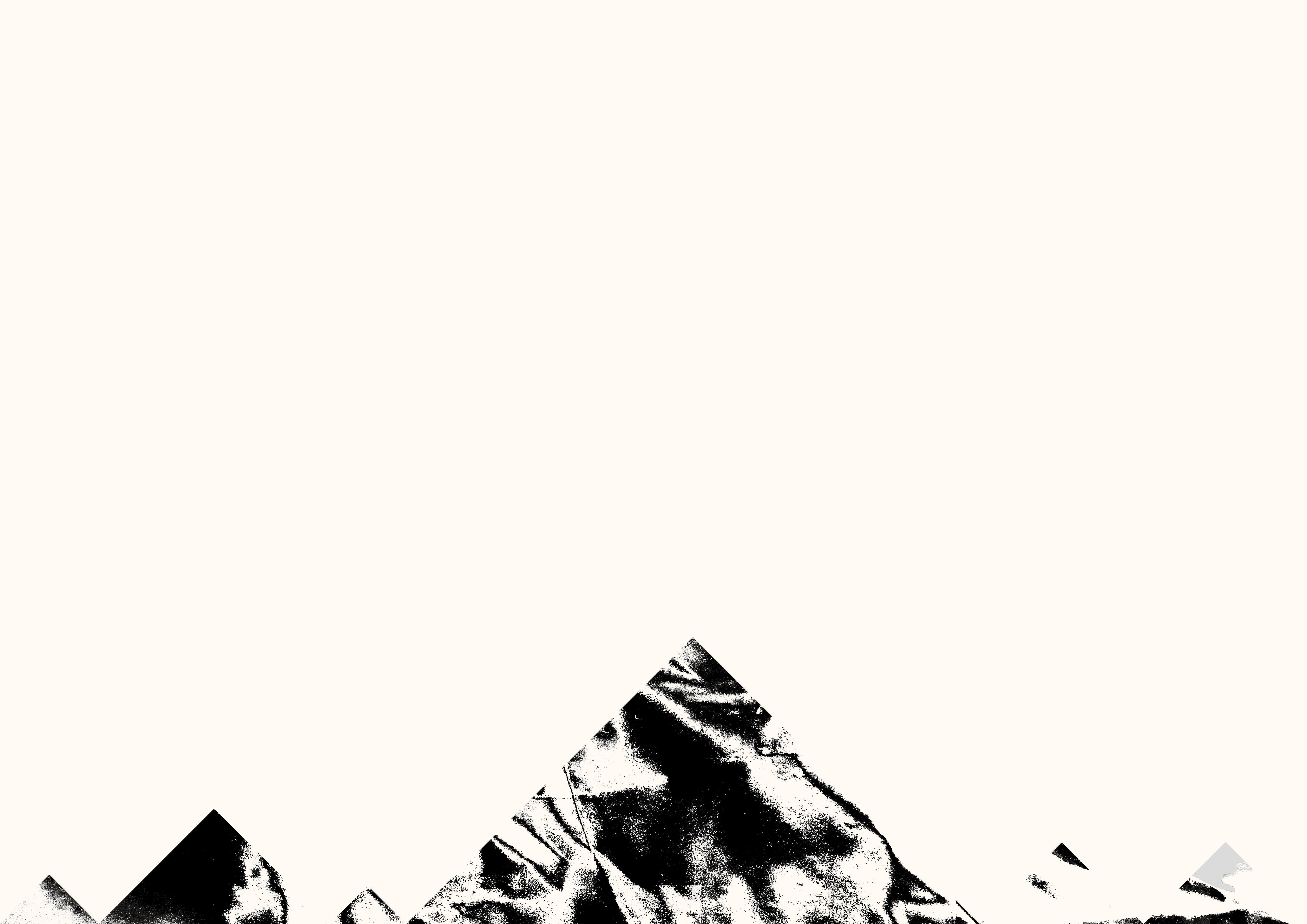
(Above) “Mechanical-landscape_04”
The next image was created to convey a sense of scale, specifically in regards to man in relation to the landscapes, in which he lives. By adjusting the scale of the mountain-like structures, I had endeavoured to communicate the scale of the subject, that being the effects of urbanisation on the natural landscape.
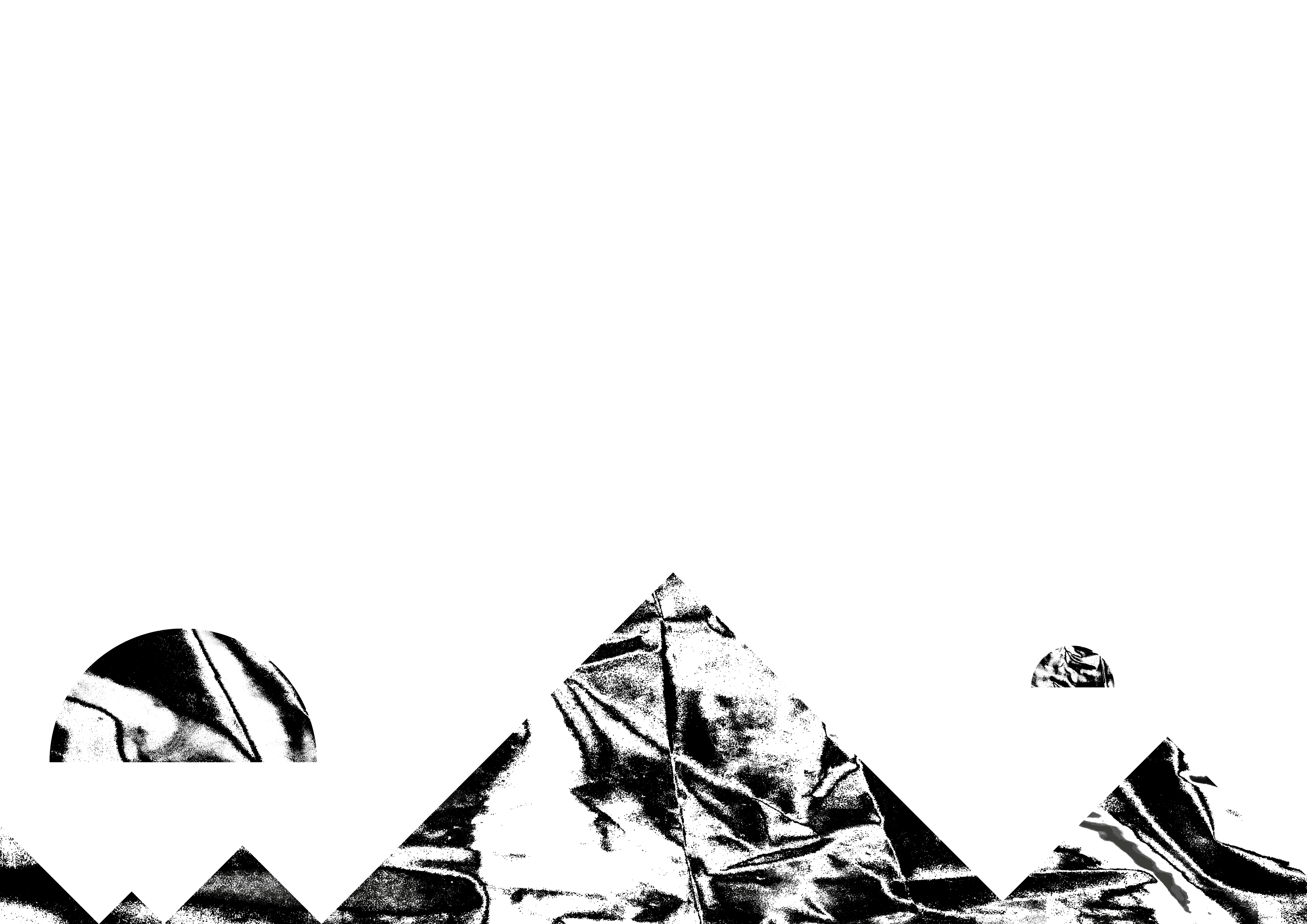
(Above) “Mechanical-landscape_05”

(Above) “Mechanical-landscape_06”

(Above) “Mechanical-landscape_07”


(Above) “Mechanical-landscape_08”

(Above) “Mechanical-landscape_09”
Type_Design development.





Typeset.
InDesign_Sketch.
Group discussion.

References:
R Roger Remington., (2019). Manuals2 Interview with Micheal Burke [online]. UnitEditions. [Viewed 22 February 2020]. Available from: https: //www.uniteditions.com/blogs/news/manuals-2-interview-with-michael-burke
Tony Brook & Adrian Shaughnessy., (2019). VaughanOliverArchive [online]. UnitEditions. [Viewed 24 February 2020]. Available from:https://www.uniteditions.com/
Wilbert L. Cooper., (2020).The critic and collector working together to open the gates for black artists[online]. IDMagazine. [Viewed 25 February 2020]. Available from:https://i-d.vice.com/en_uk/article/5dmwdd/antwaun-sargent-bernard-lumpkin-young-gifted-black-davey-adesida
MoMA., (2020).German Expressionism, works from the collection[online]. Moma.com. [Viewed 19 April 2020]. Available from:https://www.moma.org/s/ge/curated_ge/artists.html
Week_06
By the end of this week you should be able to:
Discover and analyse a range of topics that reflect a viewpoint of your own town, city or locale.
Contextualise the interplay between social, provenance and history when writing a visual culture article about your locale.
Define and distil your research to gain a new insight and critical understanding of visual culture, myth or story in your area.
Deliver an ‘elevator pitch’ presentation to clearly articulate the subject of your long form 3,000 word article.
Manage your personal work-plan and schedule.
Research and Curate-Forming and projecting a new future, referencing and process.
Lecture: Thames and Hudson.
Interview with Andrew Sanigar, Thames and Hudson, London.
This week’s lecture focused on the subject of publishing and in an interview with Andrew Sanigar, a commissioning editor with Thames and Hudson London, we explored the key stages of the publishing process. With specific insights into the timeline typically associated with the development of a newly acquired IP, the technological progression in the print-production and how this has impacted the appeal of printed media, the relationship between author and publisher, and the primary considerations for the publisher in the selecting of a new project.
One of the subjects that was covered in the discussion, was in response to the question: What makes for a good concept, for a new book?
In answering this question, Andrew spoke extensively about the importance of knowing ones’ audience and how the needs of that demographic will subsequently, inform the choices that are made from that point onwards. Specifically, this insight will allow the publisher to position the book appropriately and therefore, increase the marketability of the product itself.
In today’s markets, and in response to the seemingly unrelenting expansion of the digital platform, the viability of any new publication can be viewed as tenuous. In an effort to navigate the economic uncertainty of publishing a new book, the publisher will assess the project from a number of perspectives in order to establish the commercial viability of the project as a whole. As part of that process, the publishing house will analyse the scale of the books’ audience, and whether or not the title can secure an international following, thereby increasing the potential for a financially, successful launch. One of the difficulties that publishers face in penetrating the international market, is the challenge of translating the text into an entirely different language and how this can be further impeded by the presence of cultural barriers. All of which, perfectly illustrates the scale of the challenge and why many authors fail to make the transfer to the international stage.
Andrew proceeds to elaborate on the options that are available to publishers in addressing this task, with his first talking-point being largely focussed on the importance of branding and advertising. For many of us, this may seem obvious and you may even present the counter-argument that branding and advertising alone, does not guarantee success. Which of course, is accurate.
For Thames and Hudson, branding allows them to communicate their products with as much clarity as possible, which in an over-populated market is what could be the one consideration that puts them out ahead of the competition. Likewise, the advertising allows them to further contextualise their product and build on the relationship that they had already established, with the selected demographic. As Andrew explains, it is the careful consideration of each of these components that will further increase the chance of the successful releasing of a new book.
With many of the worlds countries now recording growing numbers of their respective populations now speaking English, the potential for publishers to grow their market-share, is considerable. This not only allows publishers to broaden their global audience, but to also engage with authors from all around the globe. A process, Andrew says that can enrich the publishers catalogue.
When discussing the hurdles that are faced by contemporary publishers, Andrew emphasises on the decline in survey books, a direct consequence of the emergence of the digital platform and the rise in popularity of online-curation. In discussing the later, he points to platforms such as Pinterest and Instagram, whom he believes do not provide as rich an experience as a book does, primarily due to the manner in which those particular platforms present their information. According to Andrews argument, such platforms can only offer a fleeting sense of instant-gratification, whereas a book will provide you with an immersive experience, one that has long-term value and can offer a higher standard of information.
“A book is transient, whereas digital media can become obsolete” says, Andrew.
This point he attributes to a number of factors, among them the tactile nature of the book as a physical object. This, he believes, allows the book to become a form of interactive design, that can be experienced by the user. In his view, this is what gives printed media an advantage over the digital format.
The need for a book to offer more, can also be linked to the changing role of the designer within the publishing industry. Once, playing a minimal role, largely limited to his or her respective professional discipline, the role today calls for a more multi-faceted practitioner. As part of their duties, they are expected to be well-versed in the specifics of the production process and be able, in the execution of all pre-production and post-production duties.
In considering these two developments in the industry, we can also reflect on the re-emergence of independent publishing, and with it, the zine. Andrew believes that this could be viewed as an act of rebellion, against the digital format and as a consequence of the designer now being better versed in production practices.
Ethnographic Research.
What is Ethnographic Research?
The scientific description of peoples and cultures with their customs, habits, and mutual differences. Used by Anthropologists, Ethnographers, and Social Scientists in the study of people in their own environment through the use of methods such as, participant observation and face-to-face interviews.
Ethnography is regarded as a qualitative method of research, that allows for the researchers to observes and engages with the study’s participants in their natural environment. Being popularised by Anthropologists, the method is also employed by the Social Sciences.
There are two types of Ethnographic Research:
Quantitative Research: The collection of numerical data.
The Four main types of quantitative research are:
- Descriptive.
- Correlational.
- Quasi-Experimental.
- Experimental.
Qualitative Research: The scientific method that focuses on the acquisition of none-numerical data, and instead seeks to make meaning through the establishment of an identifiable narrative.
Ethnography: The humanisation of data.
Ethnographic Research allows us to collect and collate data-sets, that can then be analysed in order to establish their value. This value can be viewed as quantitive or qualitative, and can be interpreted through many different perspectives. The value of data can be observed in many forms, such as: Annual Reports, Performance statistics, Financial reports, Consumer surveys, and Sales figures. The information that is extrapolated from such documents can then be further analysed and developed for use by an organisation in order to improve their performance. Within the context of sport, data is often used to inform the design and development of an athletes training regime, and the successful application of that data can dramatically impact an athletes performance and career.
How we observe and interpret data can have a profound impact on our own lives, and the lives of those around us. As designers, we are in a position of responsibility and we should reflect on how our decisions will impact the lives of those whom we are designing for. We can better understand this, by observing the relationship between product design and the user experience, specifically; we can consider, how the role of ergonomics can have a detrimental impact on how a user responds to a product. In some instances the success of the physical interaction between the user and the product can make the difference between life and death, certainly this would be the case for those working in dangerous environments and whom are reliant on hardware to carry-out their job. For example: A Firefighter will be reliant on his helmet when entering a burning building, and the well-being of the individual will be dependent on how well that helmet has been designed, which would have been informed by data and a refining of the data, that had been collected from research, and extensive product-testing. In this instance, the value of data is in its ability to ensure the safety of the firefighter.
Tales of the paranormal and folklore, in Herefordshire.
Interview with a local resident:
Outcome: A fear of the unknown has been replaced by a fear of the known, that I believe to be in-part a collective response to the anonymity that is accommodated by modern life, specifically Social Media. We can also consider the decline in popularity of traditionally held, spiritual beliefs. Our ghost story is comprised of the anxieties that are cultivated by the modern age, and a fear of the dark and what may lie within the unknown, has been replaced by a broad array of neuroses.
Studio practice:
Research topics, subjects and stories that relate to your location.
Analyse your research and select two local subjects which can be developed into a 3,000-word article.
Deliver two original images (one for each story) that visually represent the initial ideas for your story.
Deliver a short Keynote slide presentation, with title, image and 100-word synopsis (the elevator pitch), to introduce your two possible stories.
Document your research, ideas and visual development on your blog.
Participate in and reflect on the debates raised on the Ideas Wall.
Two proposals, for further study.
Keynote_01: Ghost Stories.
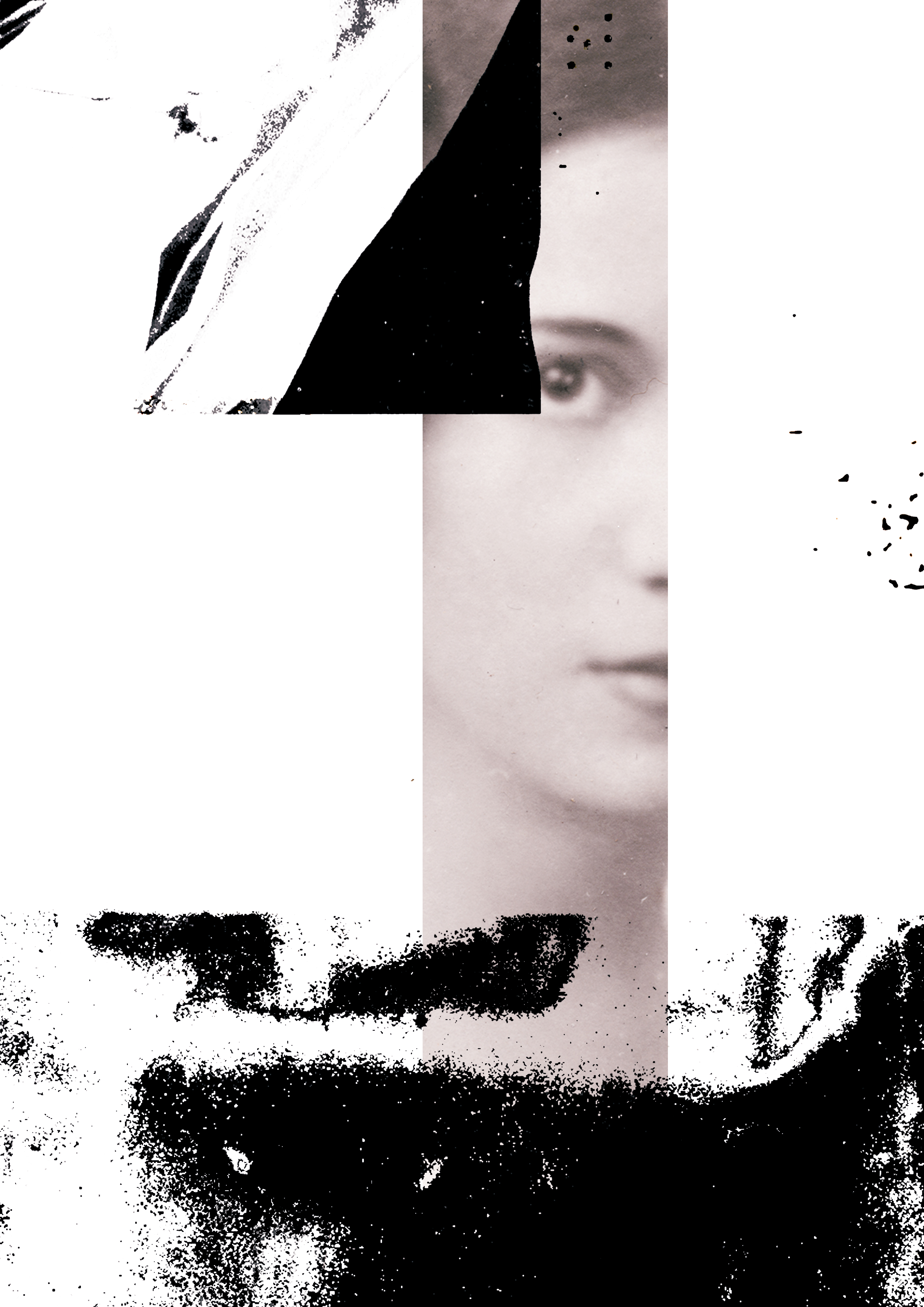
One) The exploration of the Ghost story as a literary theme, and how this relates to the historical sites in Herefordshire: Does the affiliation with such narratives enrich the cultural identity of a location? Or is it merely a marketing asset? And how has the presence of such iterations of this literary tradition, impacted the recorded histories of the county? Pure fiction, or necessary embellishment?The article will seek to explore the notion of this literary practice, through the lens of a social-commentary: According to the architects of the genre, the ghost story has always adapted in order to express the anxieties of the era.
Image: Ghost story.
Keynote_02: Candid Tourism.
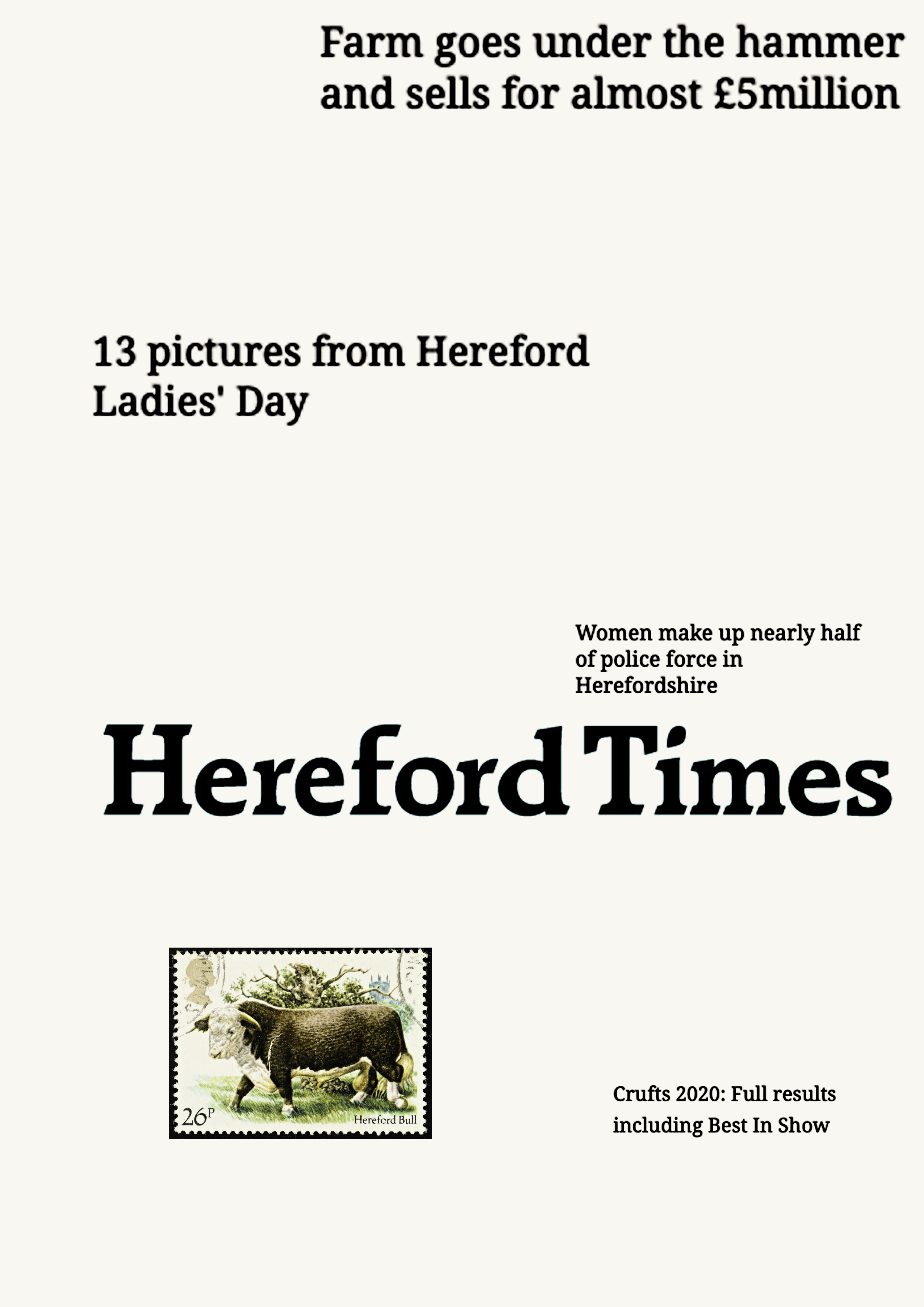
Two) Candid tourism: An assemblage of news headlines taken from local and national news outlets, that when viewed as a single text would provide a multi-faceted, alternative narrative of life in Herefordshire. Known primarily for its luxurious, period properties and genteel way of life, the county is synonymous with an upper-middle class culture, however, like many areas the social fabric of the county is far more eclectic and it is the disparities between these contrasting demographics, that would provide the basis for my exploration: Does this existing cultural identity accurately reflect the social fabric of the county, as a whole?
Image: Candid Tourism.
Week_07
By the end of this week you should be able to:
Discover, develop and deploy an appropriate structure for your 3,000-word written article.
Analyse and evaluate an appropriate visual direction and form, while developing an editorial document that will appeal to a visually literate audience.
Analyse and evaluate the various platforms and advancements in technology that have allowed designers to self publish.
Deliver a first draft of your 3,000-word visual culture article.
Content Review: Editing and Reflection
Studio Practice
Tutorial: Formative Feedback (Richard)
Going into this week’s tutorial, I had little in the way of a comprehensive outline, and beyond wanting to explore one of two subjects: That being either contemporary, identity politics and the influence this area of conversation has on the social-landscape, in Herefordshire. Or the role of the Ghost story in literature, and this form of narrative has been used in the communicating of societal concerns such as; Modernisation and the impact of urban-expansion, The dangers of capitalism, Fear of the other and societies collective anxiety towards a globalist philosophy, Identity-politics and the consequences this topic has on daily-life in the 21st Century, and the neurosis that is induced by the rapid expansion, that occurs in response to the innovations of the modern age. I was reticent to undertake the challenge of developing a number of these topics, as it was my intention to veer away from presenting such subjects through the lens of cliche, or using stereotype in place of a more authentic narrator.
We had began the conversation by discussing the importance of establishing a structure for the narrative, as this would allow me to refine my initial concept and focus on one or more key talking points. In order to achieve this, Richard had proposed that I first decide on who my narrator would be and how this may help to define the direction of the article, going forward. Richard then provided me with several references that would prove insightful and informative, in thinking about how a written narrative can be conveyed through the use tone and visual-hierarchies.
In proceeding, we had then begun to discuss the role of a narrator, specifically what role would the narrator play? And would that commentary be provided by one narrator or by a number of narrators with contrasting perspectives?
In answering this question, I had begun to formulate a more complete vision of what this article could be and which of the two initial concepts would be better suited to my objectives. And so, I then established that the article would be presented in a multi-structure narrative, comprised from the contributions of three narrators. The aim of the article would be to realign the relevance of the ghost story as a literary tool, in order to reestablish the format as a form of social-commentary; Focusing on the re-interpretation of the role of fear in society and how traditionally held notions of how to define fear have been replaced by abstract concepts of fear, created by the modern world.
The three narrators of the story within the article would be: A right-leaning antagonist, whose role would be to convey the relevant talking points as pertaining to contemporary news-cycles and conversations, taking place in the public forum. A ghost, whom would be based on a specific ghost story taken from a book on folklore in Herefordshire, thereby contextualising the article and providing a link to the local area. And a character that represents the very relevant experiences of the economic-immigrant, thereby providing an external perspective on modern life in Britain, today.
The tone of the article will endeavour to be subversive and act as a catalyst for encouraging the reader to further reflect on the events taking place, not only in their local environment, but also in the context of a broader conversation. Keeping with the notion of the ghost story as a form of social-commentary, as was the practice in the 19th Century with literary works such as; A Christmas Carol and Mary Shelly’s Frankenstein, I would look to develop a narrative that engages with the subjects that are currently in-vogue and convey them using an appropriate visual-narrative. On this note, I envisage the outcome being an article that would be feature in a publication such as ID Magazine or Juxtapose.
Research and Analysis: Designers, that self-publish?
Workshop Challenge
The Challenge
This week we want you to write the first draft of your 3,000-word article.
Please remember your article is aimed at a visually literate audience and we want you to consider form, structure, materials and how the medium might impact on the writing itself.
Write the first draft of your 3,000 word article, to be saved as a Word or TextEdit document.
Curate an A3 inspiration board to present your initial ideas about the design approach, to include examples of materials, format, typography, print / digital production.
Save your inspiration board in an interactive PDF format.
Note: All staff will review and feedback on the first draft of your 3,000-word article, before you move into the final stage of production.
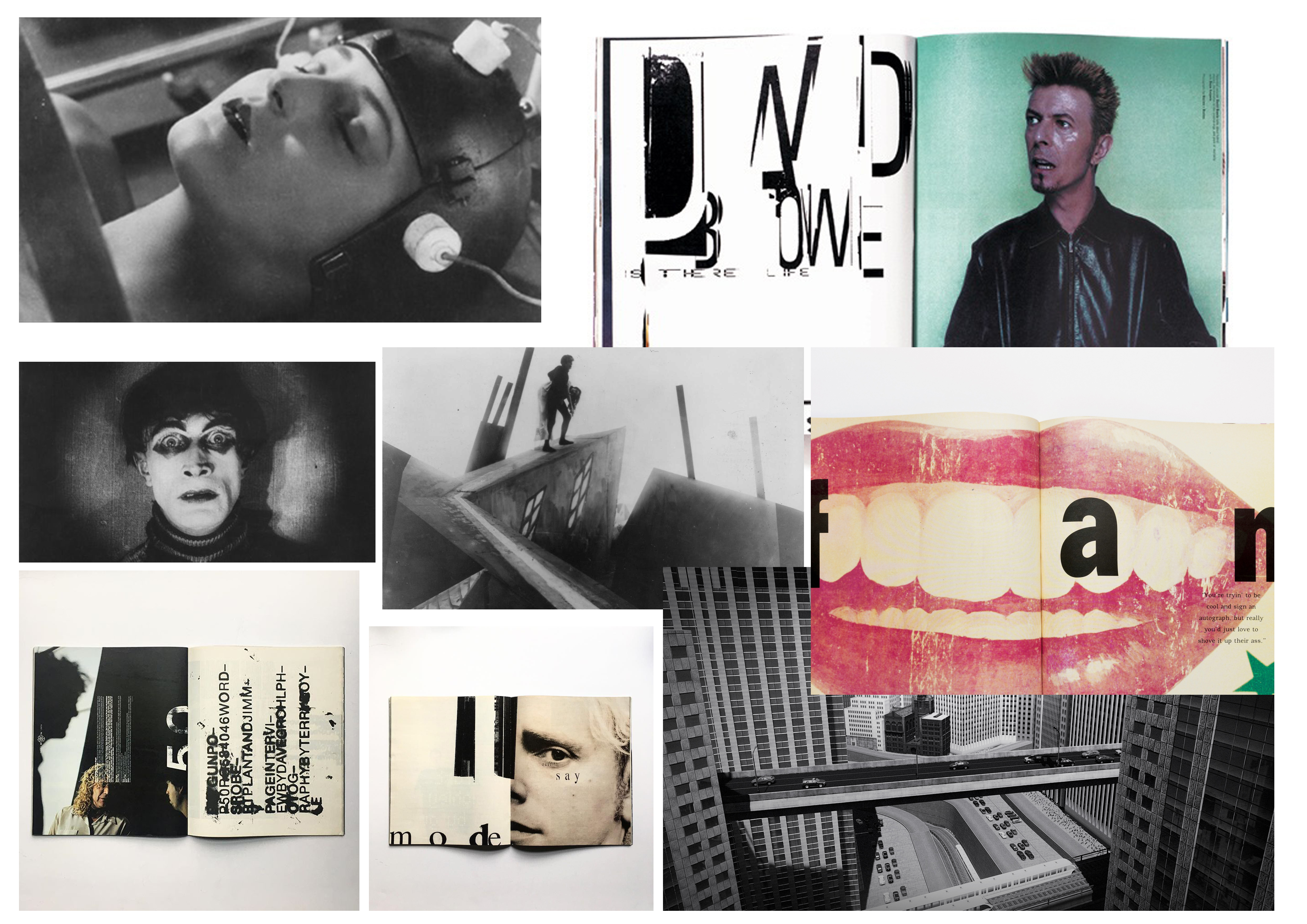
Outcome: Mood-board.
3000 Word Essay (First Draft)
Introduction: The Ghost-story as social-commentary, throughout the history of British literature?
The Ghost story has provided a platform for political and social discourse since its introduction into literature during the sixteenth century and had served as a conduit for the fears and anxieties, that have been at the forefront of public discussion ever since. The long-standing relationship between the author and the practice of social-commentary has served to provide insight and education to the readership, allowing the general public access to information and experiences, that they may not otherwise have access to. And this, in-part, is why the practice of telling ghost stories has persevered through the years—It is unique, and serves as the moral-compass for a civilised society. With the telling of these stories, we explore the meaning of our own humanity—The most fear-inducing tales are those in which the audience is presented with the assertion: It could be you!
A fear of today.
In the beginning, the fear had taken the form of the predators that had stalked early man, and the darkness that had cloaked much of the world they had inhabited. These early inhabitants of the world wrestled with the dangers presented to them in the physical world, however, it would be the fear within that would pose the greater threat to them. With the introduction of an industrialised-society, a formative change had taken place and the fears of the old world gave way to the deep-rooted fears of the mind. This new mechanical-world, with its creeping limbs made of iron and steel, instilled an insatiable lust for wealth and power in the minds of men. And they embarked upon the task of conquering the unknown, resulting in the proliferation of expansionism and the building of empires.
This new world would inform the narrative that was being explored by the authors and journalists during this period. By adopting this literary practice many of the most noted authors in the British catalogue had begun to publish their observations on the macabre nature of the world in which they lived, translating their observations into novels and short-stories, that illustrated the true horror of a violent society built on inequality and a rigid class system. With writers such as Charles Dickens and Mary Shelly endeavouring to elevate the plight of the forgotten members of society. Through the use of the allegorical-narrative they pioneered a form of a social-commentary that may be compared to that adopted by the Micro-kingdom; Using the vocabulary of the inner-world to highlight the events and failings that are present, in the external-world.
In his 1927 film Metropolis, the German-Expressionist filmmaker Fritz Lang further explored the themes of industrialisation and the consequences of living in a society whose fortunes are built on servitude and inequality. Throughout the film, the viewer is confronted by the temptations of a seemingly utopian society; Where the want of man has been conquered by his innovative, mechanical creations.
Thematically, this film has a great deal in common with the literary-practices that are on display in the nineteenth century newspaper-serials and could for example be aligned with Charles Dickens, A Christmas Carol: Each work possessing a shared focus on the use of allegory and metaphor, in the conveyance of a social-commentary. Like the Dickensian narrative Metropolis centres largely on the contemplation of civic-responsibility, as perceived through the lens of morality. And confronts the audience with an uncomfortable truth in the form of a morality-tale, set against the backdrop of an industrialised utopian society.
In Metropolis’s cautionary-tale, we find ourselves looking inward and having to question not only the individual, but also the collective. With the narrative serving to make complex philosophical debate palatable for a largely uneducated audience, at that time.
Metropolis has since become a benchmark in what can be achieved through the magic of cinema, and the film has influenced some of the greatest filmmakers of the twentieth century; One of the cited reasons for the films critical acclaim, is due to the directors focus on presenting a prophetic vision of what the future may be, if society continues to neglect its responsibilities.
The film unveiled a future populated by illusions of grandeur and falsehoods, that illustrated the imbalance that occurs when the wealth and power in a society is concentrated at the top, rather than assigned equally among its citizens. At the centre of the films message is the assertion, that without humility and compassion the governance of society risks failure and can only sink deeper into depravity and neglect.
According to an IPSOS poll carried-out at the beginning of 2019 there are four main areas that most people living in the West fear today: Financial/political-corruption, poverty/social-inequality, unemployment, and crime/violence. This data tells us of the existence of an intense distrust between the citizens of contemporary societies and their governing officials; With the feeling of unease evident in the presence of a collective paranoia.
In many of the contemporary iterations of the ghost story, civic distrust and paranoia are at the centre of the narrative and with the proliferation of technological-advancements such as; The Computer; The Smart-phone; Social Media; Among many others. The concept of the ghost-story has become far more abstract, and now serves a much broader international audience.
This audience is not preoccupied by a fear of a fictitious monster or a ghoulish apparition, rather the prospect of economic-ruin or the possibility of becoming the victim of a crime. An anxiety that is exacerbated by the divisive rhetoric, that is advocated by our political parties and governing officials.
With the need to be recognised and valued by society at the centre of our fears, it is the fear of a perceived threat that serves to inform the scary tales of today. With narratives that are built on a tenuous framework of falsehoods and gaslighting by the politicians. And further exacerbated by a convoluted landscape, that is constructed from misinformation and the self-interest of its authors; Political opportunism has perhaps replaced the monster, hidden under the metaphorical bed.
“ It would seem to me, that you people in the twenty-first century are rather distrusting of your governing officials, I do empathise with you, our Queen does nothing but sulk and has taken to wearing black most of the time ”
—The Lady in Grey.
It is during the sixteenth Century that we begin to see the emergence of a new form of ghost-story, and with it the notion of the narrative being the product of the imagined world. With the unseen world; The one that exists within the mind, forming the basis of this new form of narration. The structure of which would realign the practice of telling scary-stories and give rise to a genre known as the thriller. This genre has gone on to feature heavily in both the literary-world, and in the films of many of todays most noted film-makers. One of the central themes of this new narration was the introduction of isolation, as an environmental condition. In response to which the protagonist would have to labour under, in order to liberate themselves: With the psychological-state of the characters being conveyed through the use of metaphorical imagery.
During the late eighteen century and early nineteenth century, this was further developed to establish a new, more sophisticated form of language, that explored the fears of the period and introduced the use of tension and pacing. Serving to establish the workings of the internal world, and allowing the author to explore a new form of social-commentary. With this practice being further explored in the twentieth century, with the emergence of such works as: In Cold Blood; Psycho; Rear Window; And Misery. These explorations of the human-condition not only explored the existing narrative that was present in the in the day-to-day lives of the citizen, but also accommodated a meditative approach to the writing of such works, which themselves serve as holistic forms of ethnographic research; There are a great many novels and diaries in the British Library that serve as both a ghost-story and as a document of historical value that provides insight and data, about the time in which it had been written.
In Cold Blood, by the American writer Truman Capote was such a work, and had been widely condemned for is portrayal of the two individuals responsible for the 1959 murders of four members of the Herbert Clutter family; Depicting the two inmates, as they awaited execution on death-row, as being capable of humility and compassion, in contrast to their heinous crimes.
This work is a good example, of how a tale of the macabre can serve as a catalyst for a dialogue on an important issue, within the public forum. It is the role of such works to endeavour to question the actions of a society and to aide in the reflection on the choices that we make, certainly when those choices affect our fellow citizens.
The plight of the persecuted and well-being of the collective has always served to illustrate the philosophical argument of good vs evil, and for the most part has been largely informed by the church. Certainly, this would be the case in the works published in the western world.
With the introduction of intent and the accomplishing of a goal, first introduced to the practice of telling scary-stories being traced back to its inception in the sixteenth century, it can be argued that this particular form of narration has always existed to serve the needs of society and its agenda. For example: In the Cornwall during the Sixteenth-century, smugglers would spread stories of phantoms roaming the shores at night in an effort to keep the locals away from their illegal activities. And therefore be able to evade the law-enforcement officials, within the vicinity.
The history of the ghost-story could be viewed as a collection of observations, informed by half-truths and self-serving lies. Some of these observations possess value, in the form of historical-data and social-commentaries that can be analysed and used to inform future choices. However, the very same publications have provided a platform for the less productive commentaries, such as: A fear of the other or a fear of disability.
In many countries around the world the fear of disability persists, often resulting in hardship for those whom are stigmatised and persecuted, due to having an illness or physical deformity. The fear of the other has become a key talking-point in the public-forum and is often utilised by the politicians to further advance their agenda; Their rhetoric veiled in dated notions of patriotism and anecdotal recollections of a perceived golden-age, now lost.
We have seen this to be the case in the recent BREXIT referendum, in which social-discourse and divisive rhetoric were at the centre of the political-debate. With the advocation of xenophobic language, this divisive messaging continues to embed itself in British society and can often be observed, in day-to-day life. Primarily manifesting in ill-considered, generalised statements made impulsively in response to a misrepresented narrative. Such statements are a key thread, in todays horror-story. As the audience, it is important for us to reflect on the impact that our fears have on those around us, and in attempting to lessen this fear, we should seek-out truth. And such endeavours are still accommodated in literature today, and it is in escape that we are able to think objectively and compassionately, about the key issues. Using the refuge of the inner-world to decipher the abstract concepts that are part of life, in the twenty-first century.
Today, fear is no longer rooted in such notions as the existence of an unseen entity or a ghoulish manifestation. No, the common fears for both men and women of the twenty-first century are embedded in our collective fear, as citizens of an increasingly unbalanced global community.
That unease comes from knowing that in an overpopulated community, the relevance of the individual is minimal, if not irrelevant; It is the fear of being subject to a change in circumstance, without having the opportunity to object or alter the outcome. And it is the result of observing politicians, openly decreeing that your interests are not their interests In a world where your very existence is reliant on so many external factors, that you have little or no control over, why would anybody have a fear of the dark?
The ghost story with its preference for the macabre, dares to venture into the dark with us, exploring the internal world, holding our hand as we journey together, hoping that when confronted with the shadows of the world, we will have the courage to stay true to the humanity that resides, within all of us.
Zelig Zeitgeist is a middle-aged man, mild-mannered, and right leaning. He values routine, and above all else he is a patriot. His love of his country is unrivalled, at least in his mind. And lately Zelig has struggled to recognise HIS country. He blames that foreign lot. He has kindly outlined his thoughts in his diaries, in the hope that future generations will learn from his astute observations.
June 6th, 2006.
“The influx of immigrants from Poland and the Czech Republic is putting great strain on our services and I found myself today unable to secure an appointment at my local GP surgery due to the pressure that these foreigners are placing on our local services.”
—Zelig Zeitgeist.
23rd June 2016
“It has finally happened! Praise be to the British voter. Those foreign lot in the EU will no longer impose their will on the British people. We shall restore this country to where it should be!”
—Zelig Zeitgeist
An estimated 500.000 EU migrants are currently working in UK, the majority of this number are filling positions in the low-skilled, labour market. Many of those included in this number are working for minimum wage or less, often on zero-hours contracts or at the mercy of their employer.
In contrast to this data, a significant number of voters in the UK believe that EU migrant-workers have an economic advantage over British nationals; Brexit, it could be argued was the manifestation of the collective fear of a nation. Misled, misinformed and afraid of the other.
The Future?
We are no longer running from the strange noises that lurk in the darkness, we are running from the rational debate and a fact-based reality. And it is this absence of reality that is at the root of many of today’s fears.
The MeToo movement has done a great deal to illustrate the fears of women in the twenty-first century, and through its wide reach the organisation has impacted the lives of many women, all around the world. The plight of many of the women in this movement is not illustrated by images of damsels in distress, being pursued by a disfigured villain, instead it is depicted by the inequality that exists for women, in many aspects of their day-to-day lives. With the emergence of such organisations there is now a new form of story-telling taking-root; One that is grounded in the authenticity of first-hand-experience.
The Vlog is perhaps, to be considered a post-modern interpretation of a ghost-story, one that unfolds in real time and is performed not by characters, but by real people, conveying very real experiences. Many of which are just as chilling and uncomfortable to hear as any tale in the British library.
This new digital platform has elevated the conversations that are taking place in the public forum, today. And resulted in a more direct dialogue, around the subjects that drive the fears of the public, these include: Mental-health; Financial inequality; Xenophobia; National identity; Social-standing; Financial status; Vanity; Academic and professional achievement; And Ethnicity.
The function of contemporary formats in confronting gender-inequality or xenophobia, is comparable to the role that had been played by such novels as Oliver Twist or The Catcher in the Rye, in the confronting of the failings of society. And though these works were not ghost-stories, they did align themselves thematically with the ghost-story, in choosing to examine the darker recesses of society, and the impact this had on the human condition.
With the democratisation of authorship allowing any individual today, able to practice free-speech, to tell their own story via YouTube or any number of digital platforms, the role of the written narrative may becoming less relevant to the younger generation.
Thematically, the stories that the current generation are sharing in the digital area, are not that far from those that were shared around the fire-place, during the eighteen and nineteenth century, by individuals whom had shared some of the same fears that we have, today.
In considering this new narrative, the traditional image of the ghoul or the monster is little more than that of a product or novelty, to be enjoyed every October by children and young people. And it is the new social-landscape that can be sighted as the main villain in our collective ghost-story. How we choose to engage with the practice of telling stories in the coming years is up for debate, however, I for one feel that it is important for all of us to maintain this tradition. In a period when truth and a fact-based reality are subjected to continuous assault by corrupted politicians and opportunists, it is important that we have an escape, one that allows us to contemplate the events taking place, in a world in which we all live. The very same stories provide us with comfort and reassurance in times of difficulty, and provide us with valuable guidance, going forward.
Week_08
By the end of this week you should be able to:
Analyse and evaluate appropriate production techniques to realise a publishing project to a professional standard.
Analyse and evaluate potential markets and audiences to promote your project.
Define and distil effective promotion methods to advertise a self-generated publishing project.
Deliver your editorial synopsis as a professionally produced outcome.
Manage your study time and personal work plan.
Please note, you will deliver the final draft of your 3,000-word visual culture article.
Production Techniques:
Target demographic:
Marketing and Promotion methods:
Design Development:
With the concluding of my writing the essay, and having been carried along an unforeseen path, I now find myself confronted with the challenge of having to give form to a number of high-concept, thematically complex, visual narratives.
Front Cover

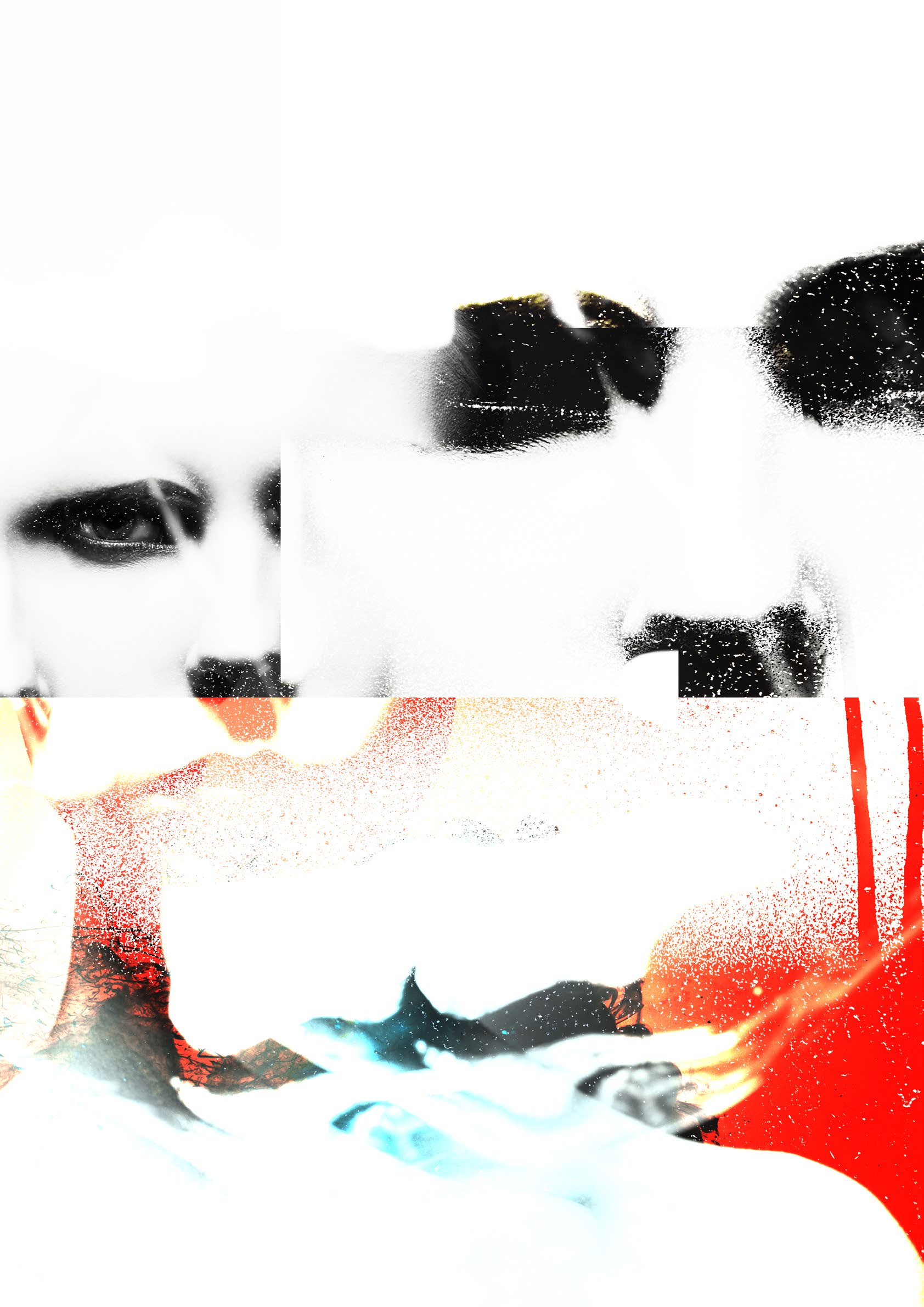

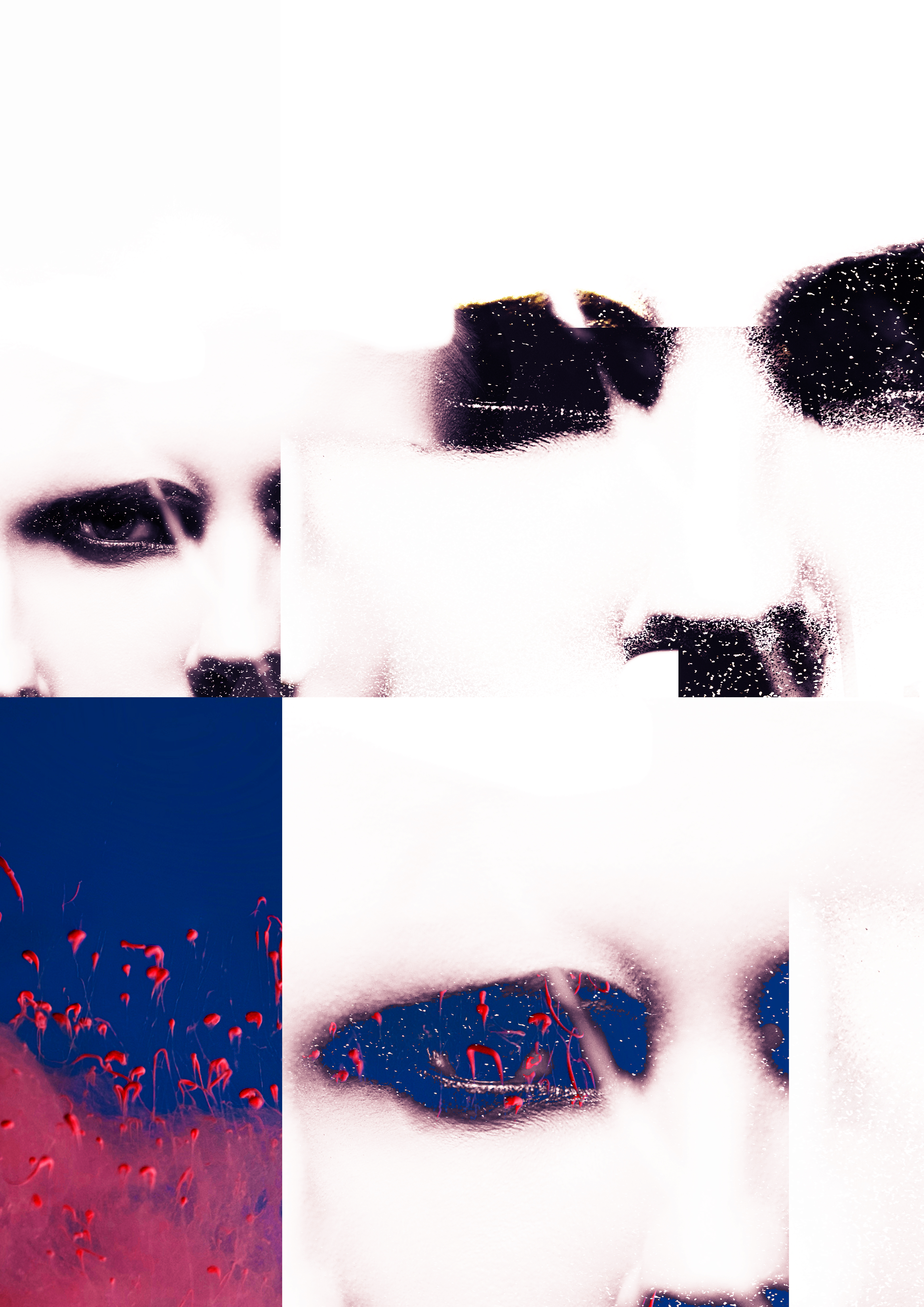
Chapter Opener
Page-Layout: Art Direction









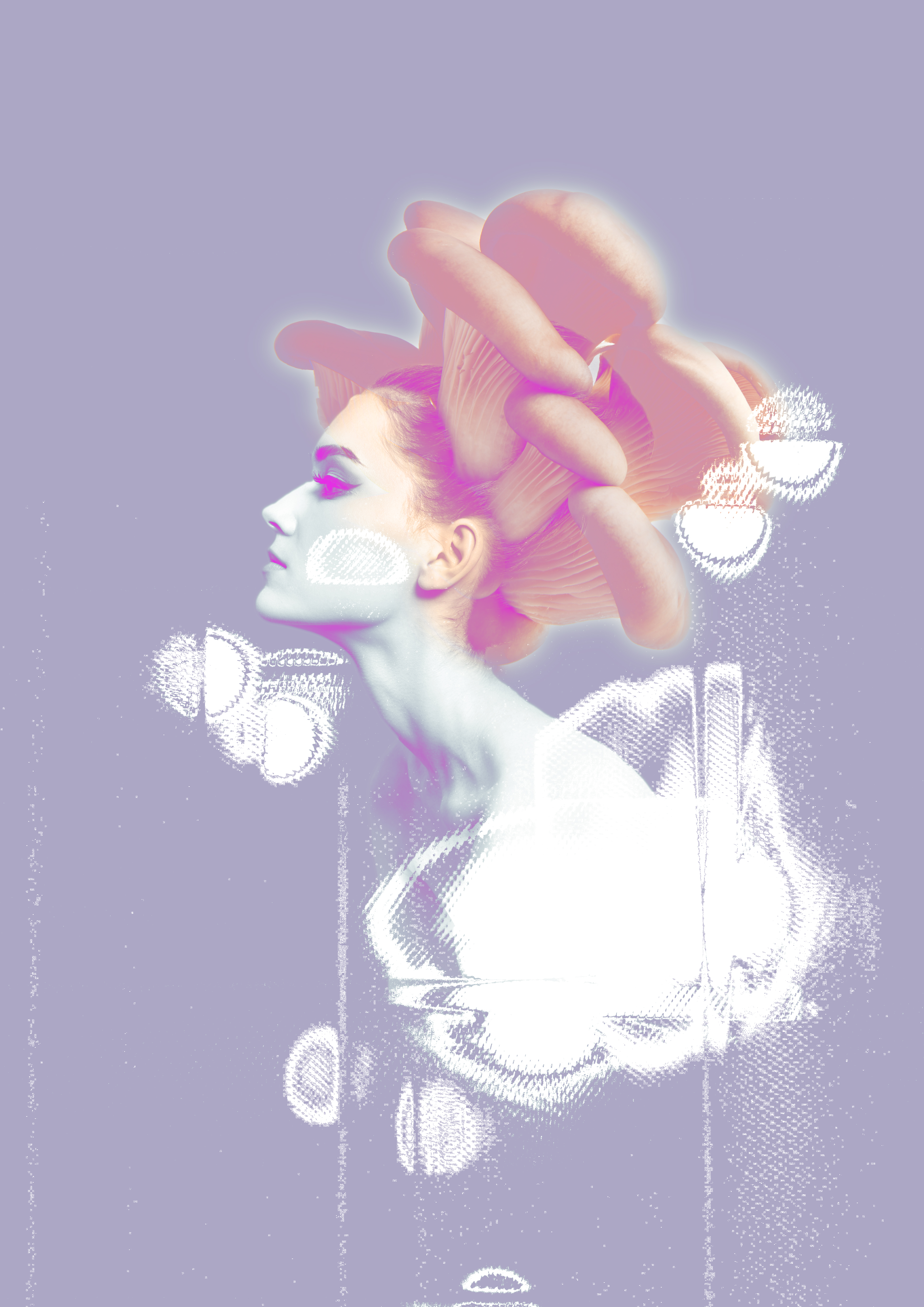

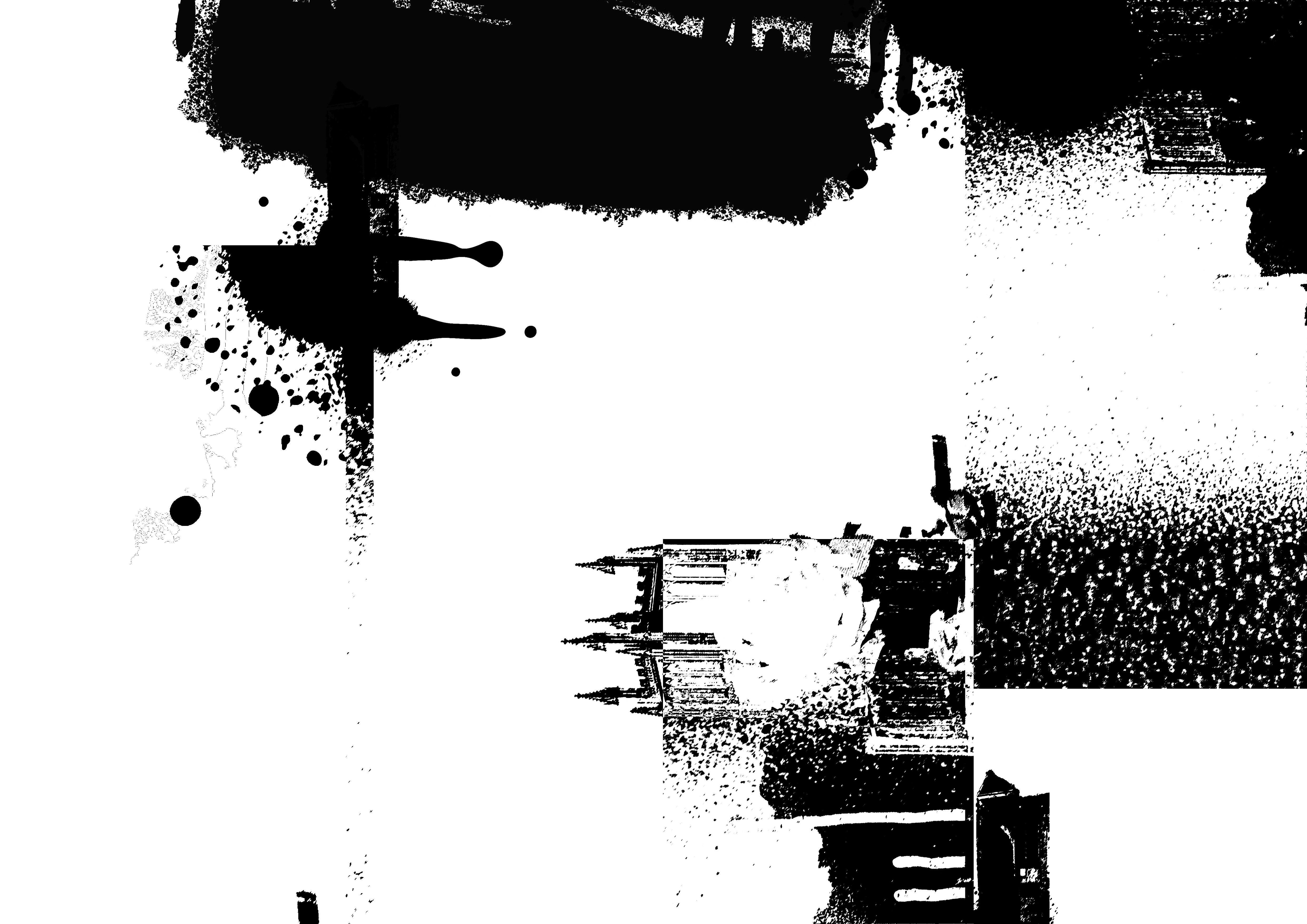

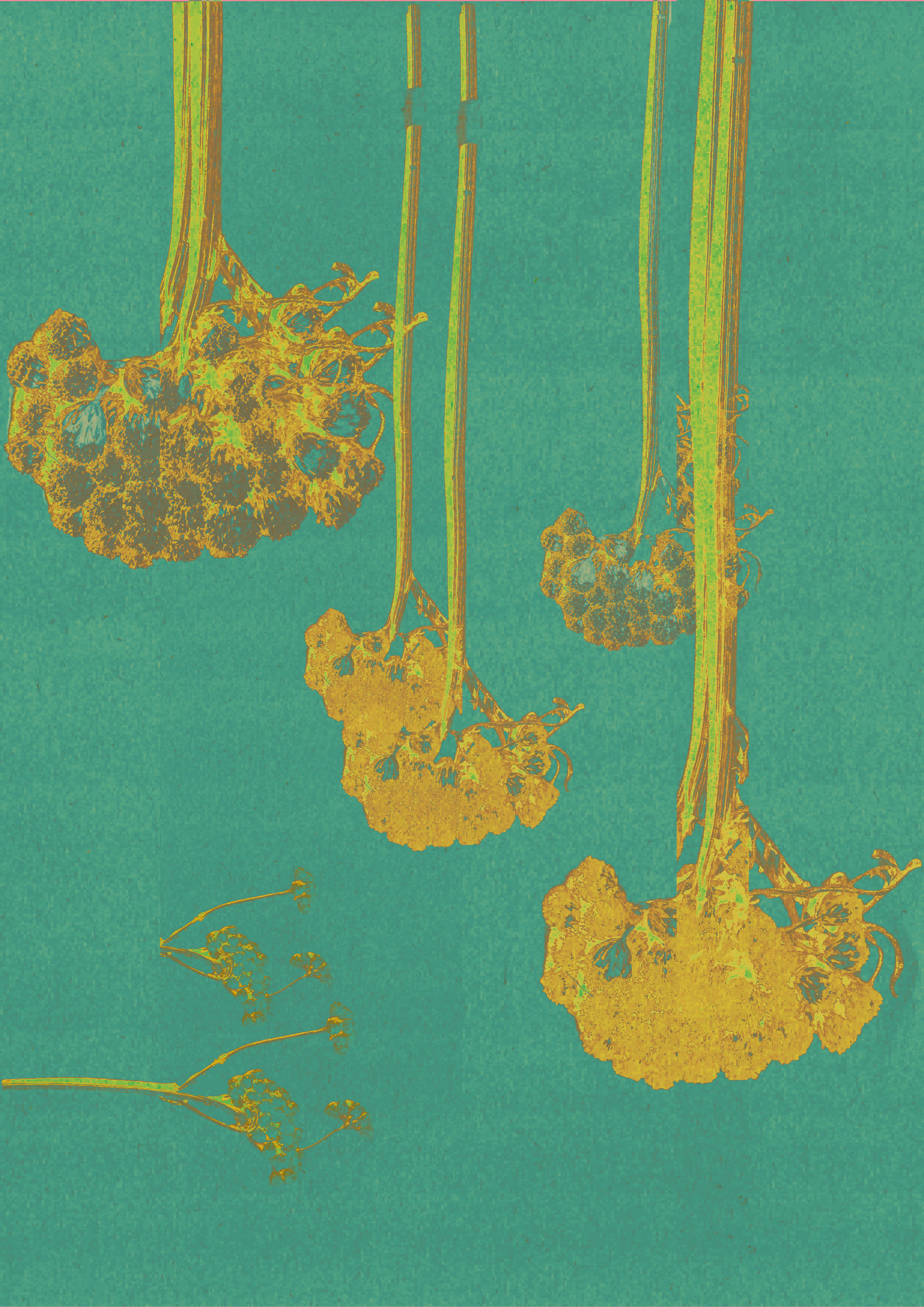
Design-development: Final Editorial.
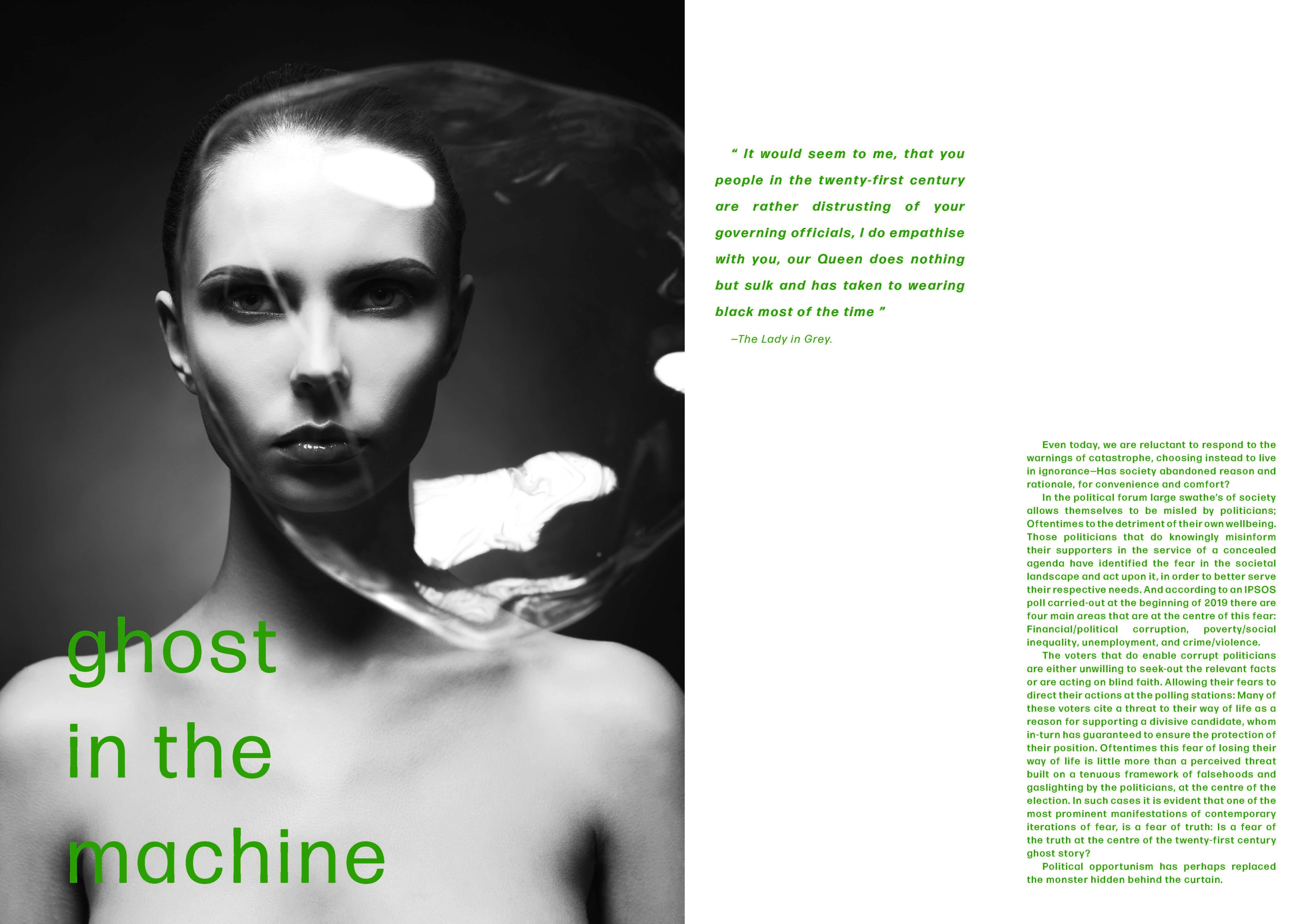

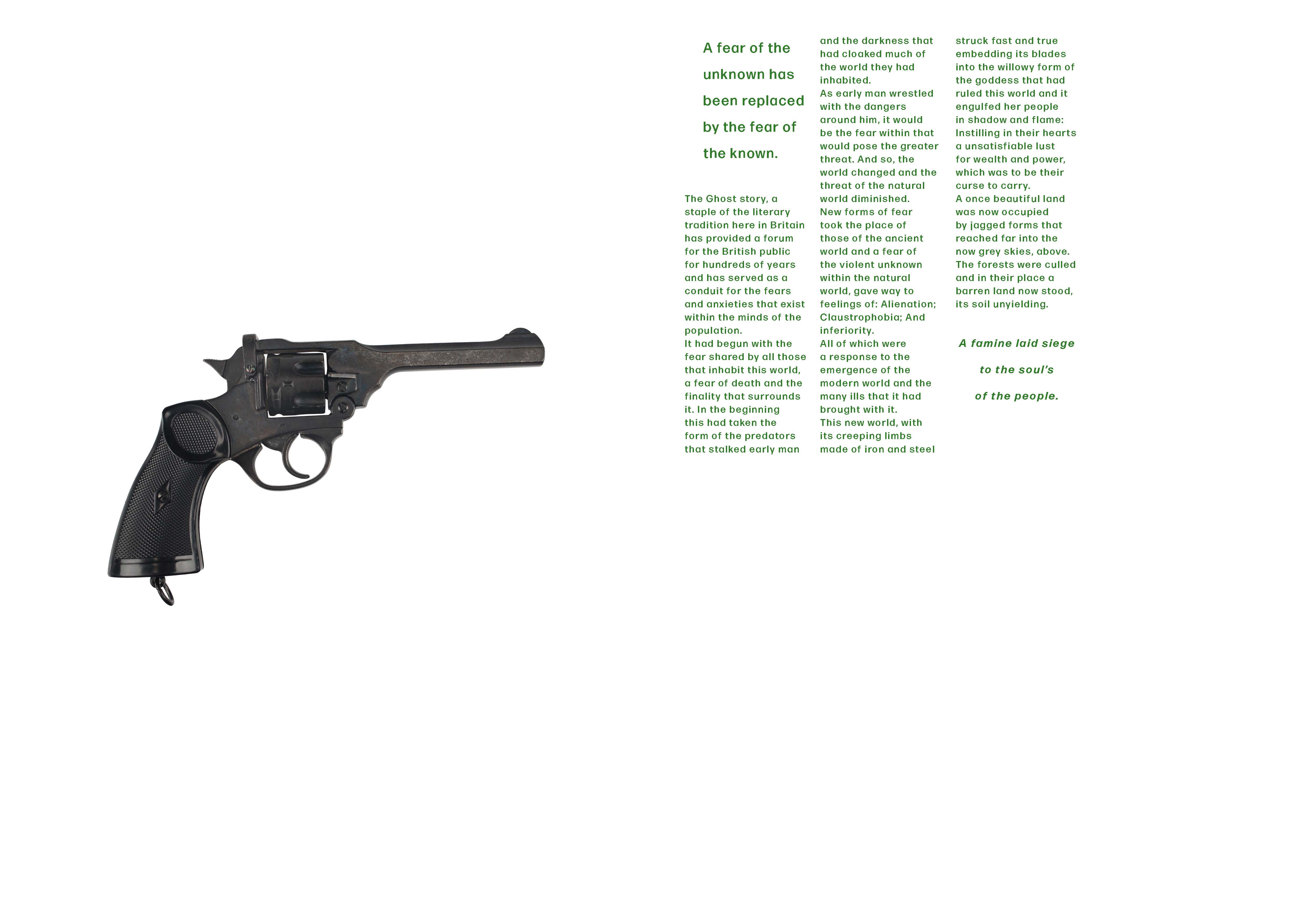
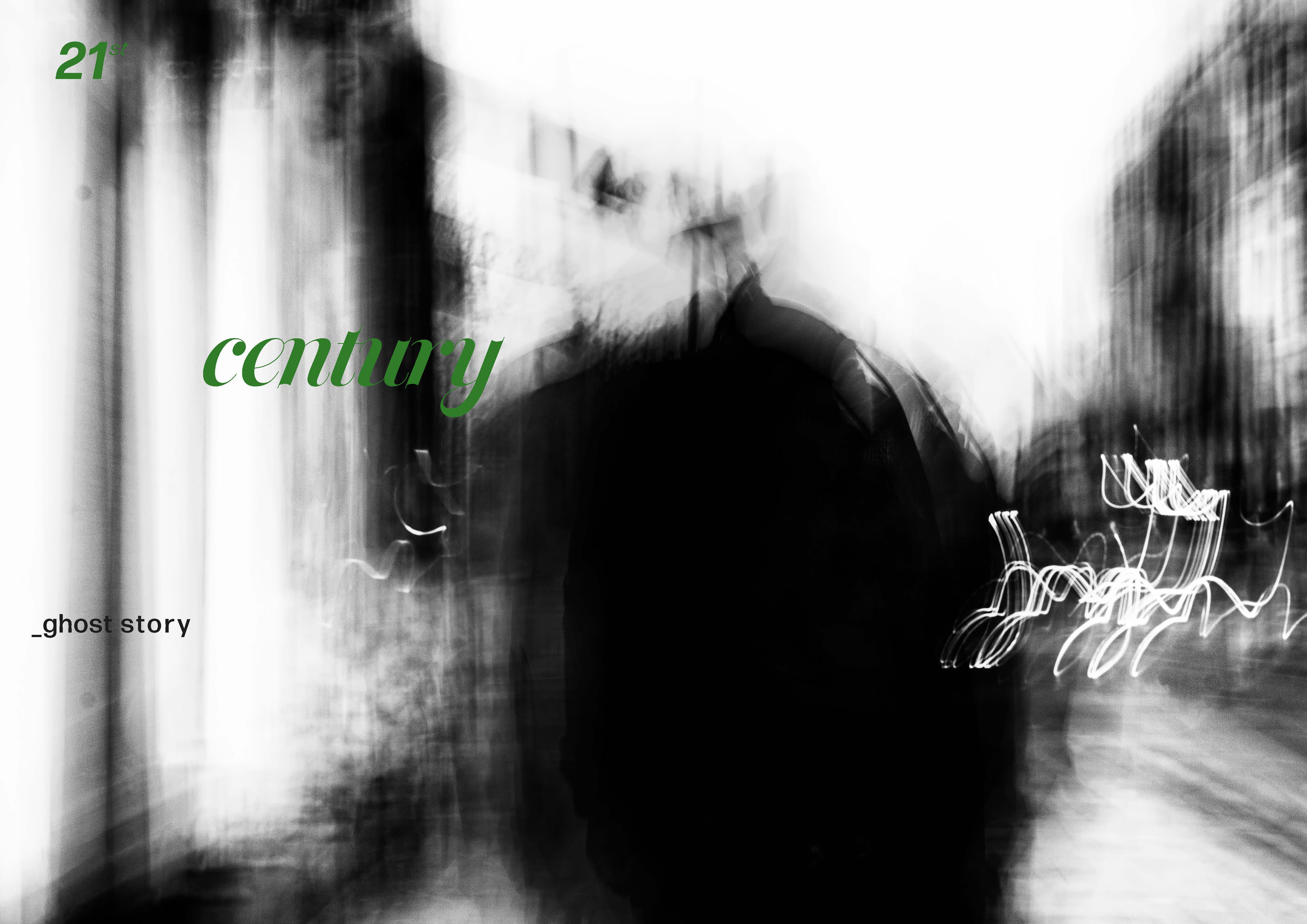
Final Outcome: Visual Culture Essay.
Reflections on the outcome:
References:
BB., (2020). Fabien Baron Book [online]. baron-baron.com. [Viewed 15th March 2020]. Available from: http://baron-baron.com/fabien-baron-book/
TT., (2001). Ray Gun [online]. David Carson design. [Viewed 30th March 2020]. Available from: http://www.davidcarsondesign.com/t/tag/raygun/
Week_09
Brief_03: Society and Purpose.
Service Design and Saving the World-Principles, Histories, Manifestos, for good and change.
Studio Practice.
By the end of this week, you should be able to:
Discover and analyse the creative field of service design.
Research the current tools and user-centred design processes available, to reveal a social or political challenge and bring about change.
Analyse the importance of how design thinking can reveal social problems.
Contextualise the role artists and graphic designers have played to bring about social and political change.
Collaborate through group discussion on the Ideas Wall.
Service Design: How can we serve the needs of society?
Paul Rand had previously stated that, design was primarily a problem-solving exercise. If this is true, why had most people in society equated that word with aesthetics? Is it due to a previously held notion, that design-practices had often been perceived as an extension of the decorative arts? And that such roles were for those not versed in the more respected profession, of portrait-painter.
The evolution of Service-design, can be observed throughout the history of art and had, at various points in that history, made its presence felt in the guise of art-movements, such as: The Arts and Crafts movement; De Stijl movement, in Holland; And the Bauhaus in Germany, during the 1920s and the 1930s.
Organisations, practicing today:
Design Council
Design Council’s purpose is to make life better by design.
We are an independent charity and the government’s advisor on design. Our vision is a world where the role and value of design is recognised as a fundamental creator of value, enabling happier, healthier and safer lives for all. Through the power of design, we make better processes, better products, better places, all of which lead to better performance.
Workshop Challenge
The Challenge
This week’s workshop challenge is split into two tasks.
Task 1: Research User-Centred Design Processes or Tools
Research three user-centred design processes or tools that can be used to discover a core need or problem e.g. customer journey maps, service safaris, a day in the life, cultural probe, double diamond.
Select one process and write a short 100-word description to illustrate how it can be used to discover an insight or challenge.
Selected Processes or Tools:
1: Stakeholder Maps
A stakeholder-map is a tool that is used to identify, analyse, and prioritise all parties that have a stake in an organisation and their actions, and is an integral stage in the early phase of any project, allowing the project-managers to assess the role, interests, expectations, and value of all participants.
Within the context of the corporate sector, a stakeholder is an individual, group, or party that has an interest in an organisation and the outcomes of its decisions.
The most common stakeholders are: Customers, Consumers, Employees, Investors, Suppliers, Communities, Governments, Creditors, Patrons, Associates, and Advocates/Lobbyists.
Each of the above stakeholders will have their own set of needs and desired outcomes, and the objective of this exercise is to allow the initiator of the project to gain an insight into those needs, through the perspective of each stakeholder. Therefore, the value of stakeholder-mapping can be detrimental to the performance of a business, providing vital data that could have wide reaching implications for the business and its’ endeavours.
The ranking of these stakeholders may be subject to a myriad of considerations and will differ, depending on what stage of development the company is at. For example: A new business will want to prioritise its customers, due to be reliant on a comparatively small revenue-stream. Whereas, a publicly-traded company would seek to prioritise their shareholders because the value of the company is placated on their share-price and the levels of investment, that are flowing into the organisation.
By employing shareholder-mapping as a tool, a business or project-manager is able to anticipate the reactions of their stakeholders, and plan accordingly. Therefore the value in using the tool is not only in its’ ability to provide insight, but also in the ability to provide foresight, and thereby give the business an advantage in the negotiations with suppliers and allow the company to prepare a more comprehensive strategy, for negotiating with future suppliers. Stakeholder-mapping can also be used to better understand the relationship that exists between a business and the community, in which it operates, thereby contributing to the integrity of the brand and the well-being of its employees.
In considering this point, we may wish to reflect on the on-going conflict between the the large, international conglomerates that operate in the petro-chemical industry and the small rural communities, in which they base much of their production activities. Within the context of this scenario, it would be reasonable to suggest that the two most valuable stakeholders would be the government and the investors. That being the case, it is understandable that the American petro-chemical industry would want to establish an influential position in Washington, and specifically in the senate. In-so-doing, such companies are able to influence the decision-making process on such subjects such as industry-regulation and capital-gains tax. This can be interpreted as a direct response to data that had been acquired, through the mapping of the companies respective stakeholders.
To a design-agency this method of research can be just as important in the establishing of a design-brief and will often be the first step in a new project. This may begin as a small-scale exercise, however, this will change over time and in response to the expansion of your analysis, and as you gain more clarity in the establishing of the project-objectives. It is not uncommon for the process of stakeholder-mapping to be continued and revisited, as the project progresses. With many contemporary agencies adopting this strategy in order to better understand their own proposals, and provide their clients with an outcome that accommodates the needs that had been prioritised, throughout the duration of the project.
A good way to begin the task of mapping your stakeholders is to gather you team and to list the relevant articles that are to be discussed, using post-it notes or a white-board. The value of this exercise allows each member of the team to understand the full-scope of the task in-hand and gives each practitioner the opportunity to contribute to areas of the project, that they would not otherwise have the opportunity to engage with. As a consequence of this inclusive approach to stakeholder-mapping, the team will be better equip to generate a much broader set of outcomes.
As a tool, stakeholder-mapping can be viewed as both a quantitative method of research, providing data that has a numerical value. And as a source of qualitative research, thereby allowing analysts to finding meaning in the data. This relationship contributes to the overall success of this methodology and provides todays’ businesses with an invaluable resource.
2: Customer Journey Maps
A customer-journey map is a structured visual representation of every experience that your customer has had, with you. The process details every interaction, from the initial engagement to a desired long-term relationship. The core benefit of customer-journey mapping is to establish an achievable plan, in order to improve the customer-experience.
Diagram: 01
(Above) An example of how customer-service mapping can be applied to the E-commerce activities, of a fashion brand.
There are four key benefits to using customer-journey mapping:
Customer-journey mapping allows a business to better understand their customers, and to make the transition from focusing on internal processes to being able to empathise with those that use their services.
The identification of inefficiencies in the pipeline.
Helps to provide a comprehensive understanding of the project-objectives to all members of staff. This in-turn will allow the relevant individuals to operate more efficiently, as a team.
The discovery of new opportunities.
Value?
So, what is the value of customer-journey mapping? The two outcomes that provide value for a business are the identification of the areas within the organisation that require action. And the second outcome is deciding to act upon those needs-It is the outcome of the response that will provide the value to a business.
In the context of the design-agency, this methodology can be employed in order to better inform the analysis of a brief, thereby providing the design-team with a clearer understanding of their target-audience and the task before them. By developing a greater understanding of the brief the team can then translate their findings into valuable data, in which meaning can be found. And it is this meaning that can be applied to the forming of strategy and the developing of a design-solution that, as a result of customer-journey mapping, will provide a customer-centric outcome.
There are seven steps in the creation of a customer-journey map:
Step One: Hold a “Discovery-meeting” with your team.
Step Two: Host an employee-workshop.
Step Three: Qualitative validation: Focusing the research on data that can provide meaning.
Step Four: Quantitative validation: Focusing the research on data that can provide a numerical value.
Step Five: Final report and Map.
Step Six: Decide on an action-plan and blueprint.
Step Seven: Design a new experience workshop.
There are clear benefits to using customer-journey mapping to better understand, not only the behaviours of the customer and consumer, but also the nature and functions of a business. The value of this exercise can be measured using a myriad of criteria, however, it is perhaps the two outcomes previously mentioned that provide the most valuable returns: That being the identifying of a problem and choosing to act on that knowledge. This simple notion can have widespread benefits for a business or project-manager, and has the potential to enrich the outcome of a businesses actions. In todays over-populated markets, this simple exercise could be the defining disparity between a successful outcome, and one that could have been avoided.
3: Cultural Probes
A cultural-probe is a technique that is used to inspire ideas in the design process, and is deployed in order to gather data about people’s lives, values, beliefs, and thoughts.
Often employed as a means of carrying-out observations from a distance, the cultural-probe allows users to self-report and can be applied to studies that are dependant on intermittent observation. Such practices can be observed in medical-trials and mental-health rehabilitation programmes, and allows for the acquisition of a broad and diverse range of qualitative research. This preliminary data can provide valuable insight in the early stages of the design-process.
Cultural probes allow for the initiator to have a minimal amount of influence on the investigation, which is achieved by providing the participants with a pre-selected kit and often accompanied by a briefing, outlining the parameters of the study. As part of the briefing the participants will be informed of the duration of the study, along with any specific instructions relating to the role of the participant. The importance of the relationship between the initiator and participant should not be undervalued, as it is this trust that will define the outcome and provide the basis for the studies validity. The observer should have a minimal role in the execution of the study, however, they must ensure that the right candidates have been selected and are relevant to the study’s objectives.
Equally important is the responsibility of the initiator to ensure that the well-being of the participants is maintained, throughout the period of observation. In monitoring the participants the initiator should offer support and advice, where necessary. This may be implemented through the provision of a phone number or email address, thereby providing the participant with a sense of security.
Once the study has concluded, there will be a debriefing in which the participants will report on their respective experiences and return any material that is to be used in the analysis of the findings.
In analysing your findings it is a good idea to categorise your data and create profiles, where commonality and affinity exist. You may also wish to make available to your team the full-range of material collected, in order to provide the design team with the full range of source material. This will give the team the opportunity to assess the outcome of the study, with a more comprehensive insight.
100 word description: Cultural Probes.
As a methodology cultural probes allow for the observation of multiple participants, with a minimal degree of influence from the initiator; Thereby providing results that are reliable and untainted by external factors. A cultural probe is a research methodology that seeks to provide a range of qualitative research, that can be subsequently applied to the design process. The technique can allow the author to contextualise their study by accruing data from primary sources. It is also possible to extrapolate quantitative data, from large-scale studies. Consequently, providing further value to the study. This strategy is used extensively in market research.
Task 2: Research Existing Campaign or Service Design Project
Research and select one existing campaign or service design project that tackles a social problem and analyse its effectiveness. Please remember to include information about any user-centred design processes that may have been used and the impact it brought about.
Write a 300 – 400 word description with screen grabs to illustrate your research findings.
Case-study: Engaging Fathers.
Overview
Sure Start centres are government-funded, pre-school centres that also provide help and advice on child and family health and parenting. As part of the larger development of the Social Innovation Lab for Kent (SILK), Engine worked on live projects with the Kent County Council (KCC) teams.
SILK and Engine worked with SeaShells, a Sure Start centre, to help them encourage and support fathers’ (and other male carers’) involvement in their children’s lives. We explored what kind of support fathers require and how SeaShells could provide it. As part of the larger engagement project, Engine designed a new service for fathers, a Go Community Card, which provided access and discounts to a range of activities dads and children could do together, tailored more to their needs and availability.
300-400 Analysis.
Sure-start for fathers is a collaboration between service design agency Engine and Kent County council, with the aim of the project being to encourage fathers to have more involvement in their children’s lives.
The project-brief presented the design-team with the challenge of having to make contact with local fathers; Many of whom had previously, proved difficult to reach.
Working together, the local council and Engine had arranged for a number of local fathers to attend a workshop hosted by a government funded outreach-centre, that had agreed to work alongside the team at Engine.
By using ethnographic research to collect qualitative data, the local council and the design team at engine were able to interact with a group of volunteers to establish the design-problem within the current usability project, that had thus far proven to be a source of discouragement for fathers, in the immediate locality.
The team at engine employed an approach to research, ideas generation, and design-development, that allowed the group of local volunteers to partake in the development-process and through a successful collaboration, they were able to establish the needs of the service-users.
In my view, the use of cultural probes can accommodate the relationship between initiator and participant with immediacy, thereby giving the research-team access to valuable information, over a comparatively brief period. A cultural-probe also has the potential to highlight trends, that may otherwise elude researchers. Providing a detailed insight into the behaviours of the participants, over a prolonged period of time. The ability to reveal information that is not immediately obvious to the viewer is valuable to the observer, as it provides the opportunity to collect a much broader set of data, that is both intimate and revelatory. This makes the cultural probe unique and gives researchers the detailed information that is required to develop the design-process, further.
The application of this method had allowed SureStart to identity a number of internal failings and to establish that it was these in-house strategies, that had been largely responsible for their inability to engage with the desired audience. The local fathers had felt discouraged by the female-centric marketing-strategy, that had up until that point been deployed by SureStart’s marketing team and the local council. In-response to this messaging the local fathers volunteer group had said, they had felt unable to approach the organisation due to feeling ostracised from the services offered by SureStart. In response to this insight, the organisation had then modified their internal management strategy, to appeal to the both mothers and fathers, thereby broadening their remit and helping far more parents, within the local vicinity.
Group-Discussion.
Resources:
Stickdorn, M. and Schneider, J., (2011). This is service design thinking. 1st ed. BIS Publishers, Amsterdam.: Building Het Sieraad.
Stickdorn. M, (2019). None participant approach cultural probes [online]. This is service design doing. [Viewed 26 March 2020]. Available from: https://www.thisisservicedesigndoing.com/methods/cultural-probes
Jarret. C, Gaffney. G, (2009). Cultural probes [online]. Infodesign.com. [Viewed 1st April 2020]. Available from: https://infodesign.com.au/usabilityresources/culturalprobes/
CFI., (2020). What is a stakeholder? [online]. Corporatefinanceinstitute.com. [Viewed 31st March 2020]. Available from: https://corporatefinanceinstitute.com/resources/knowledge/finance/stakeholder/
Week_10
Research and Reveal-Develop key findings, analysis and objectives.
By the end of this week, you should be able to:
Research a theme or social issue that raises questions connected to your locality.
Analyse and evaluate methods of service design thinking and user-centred design processes, which help reveal issues about the group you are studying.
Engage with local communities to identify issues that require design intervention.
Deploy appropriate field-recording techniques and methods to help research and record information about your chosen theme.
Collaborate through group discussion on the Ideas Wall.
Workshop Challenge
The Challenge
This week we want you to identify a theme or issue that relates to your locality and present your findings on the Ideas Wall, prior to the design phase.
Research and discover issues that relate to your locality and post them on the Ideas Wall. Direct engagement and potential collaboration is encouraged to engage with relevant local communities to identify issues.
Distill your research to identify one issue you would like to resolve and reveal through a visual outcome.
Write a short 200-word project brief that reports on the issue to be solved.
Design and produce a visual summary to contextualise your issue and project brief. Your summary can be a digital, print or moving image, but it must be succinct, to enable third party viewers to quickly understand the requirements, needs and challenges.
Identifying the issue: The impact of a social-isolation strategy, on mental health.
Observations–The Hereford Times
In an article dated the 25th of March, the Hereford Times reported on the challenges that were facing local residences under the newly implemented, social-isolation policy. In conversation with the expert contributor Dr Lisa Orchard, the author of the article explored the implications of living under a stay-at-home, policy.
“Active use of social media will be a lifeline for people coping with social isolation during the Covid-19 crisis, says the British Psychological Society’s Cyber-psychology section.” –Hereford Times
“Research suggests active social media use is better for you than passive use, so consider writing a blog or posting status updates as a way of expressing yourself. And it may help to organise virtual meet-ups with friends and family. These needn’t be limited to chatting: they can take part in group activities like watching films or cooking together. ” –Dr Lisa Orchard, Cyber-psychology expert.
Elsewhere on the newspapers website, there are articles about the importance of community, accompanied by cyber-links to social media groups, that are taking an active role in supporting the local community. With the regional publication playing its role, by offering to publish information pertaining to the efforts of local groups and businesses, that are playing an active role in fighting the pandemic, free of charge. The newspaper is also offering to use its social media channels to promote local responses, opting to publicise updates on the services that are available to local residences, in an effort to keep the wider community informed, throughout Herefordshire.
Academic survey: A call for participants.
200-word summary
In the past several weeks, the country has been subjected to an unprecedented public-health crisis, that has resulted in many disruptive changes to the daily lives of the populace. Not least among them, is the implementation of a stay-at-home policy, which in-turn has seen the daily routine in disarray.
Many of us, are having to adjust to these changes and alter, how we conduct ourselves throughout the day. In the process, making allowances for situations, that only a few weeks prior, had seemed alien to us.
For those whom live alone, and seldom have access to social-interactions, this new way of life can further compound an already challenging lifestyle. It is in such challenging times that those most vulnerable in society, are at risk of a further decline in health and well-being . Chief among their concerns is maintaining their mental health, under stressful circumstance.
In the current climate such concerns should be at the forefront of our considerations, and it is our collective responsibility to ensure that each of us has the required support-networks around us, in order to safe-guard against a decline, in not only our respective mental health and well-being, but also the health of those around us.
Visual Summary
References
Clarke. A, (2017).‘Chapter 4, Valuable to Values: How ‘User Research’ ought to change’ [online]. Design Anthropology: Object Cultures in Transition [Viewed 13 April 2020]. Available from: https://www.dawsonera.com/readonline/9781474259057
Bufton. J, (2020). Social media will provide lifeline during lockdown say psychologists [online]. HerefordTimes.com [Viewed 13 April 2020]. Available from: https://www.herefordtimes.com/news/regional/18332434.social-media-will-provide-lifeline-lockdown-say-psychologists/
Unknown., (2020). Corona Virus: Helping your community cope. [online]. HerefordTimes.com [Viewed 13 April 2020]. Available from: https://www.herefordtimes.com/news/18308151.coronavirus-helping-community-cope-post-information/
Week_11
Workshop Challenge (Amended)
OPTION 1. You have successfully identified one social issue that your would like to solve and contextualised your issue and project brief.
Utilise your initial research to generate a solution that will provoke change. Your key task for this week is to generate exciting and thoughtful ideas.
Think broadly about the relevant media you may wish to deploy when answering the design challenge, e.g. social media, public installation, viral, product or other digital or technology innovation.
Creativity for good
Following-on from last week’s investigations into mental health and well-being, this week it is my intention to examine existing case-studies, in relation to the role of Service Design in effecting change, within the community. With a specific focus on how qualitative research can be used to document the experiences of those currently residing, in social-isolation. In collating the findings into a form of visual-narration, I am endeavouring to document the responses of both the individual and the collective community, in order to establish a record of the many narratives that are taking-place all around the globe, and in response to the Covid 19 pandemic.
Case-studies
Below, I have collected a selection of existing projects that address the issue of social-isolation, some of which are a direct response to the current crisis, and others looking more broadly at the subject of mental health. The objective is to identify existing strategies for the successful delivery of solutions, that address or tackle a challenge relating to mental health and well-being.
Creative Confessions


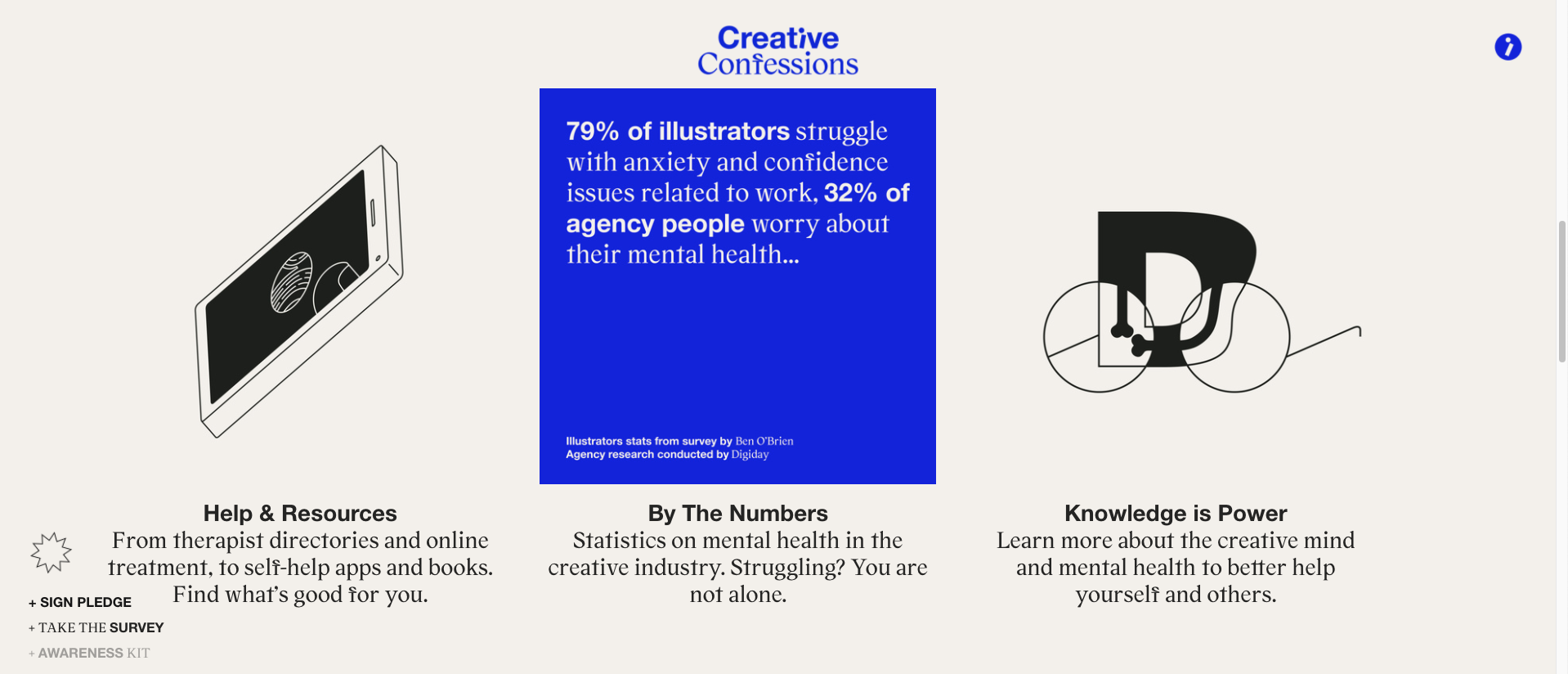
The Quarantine colouring-book, by Multiplo
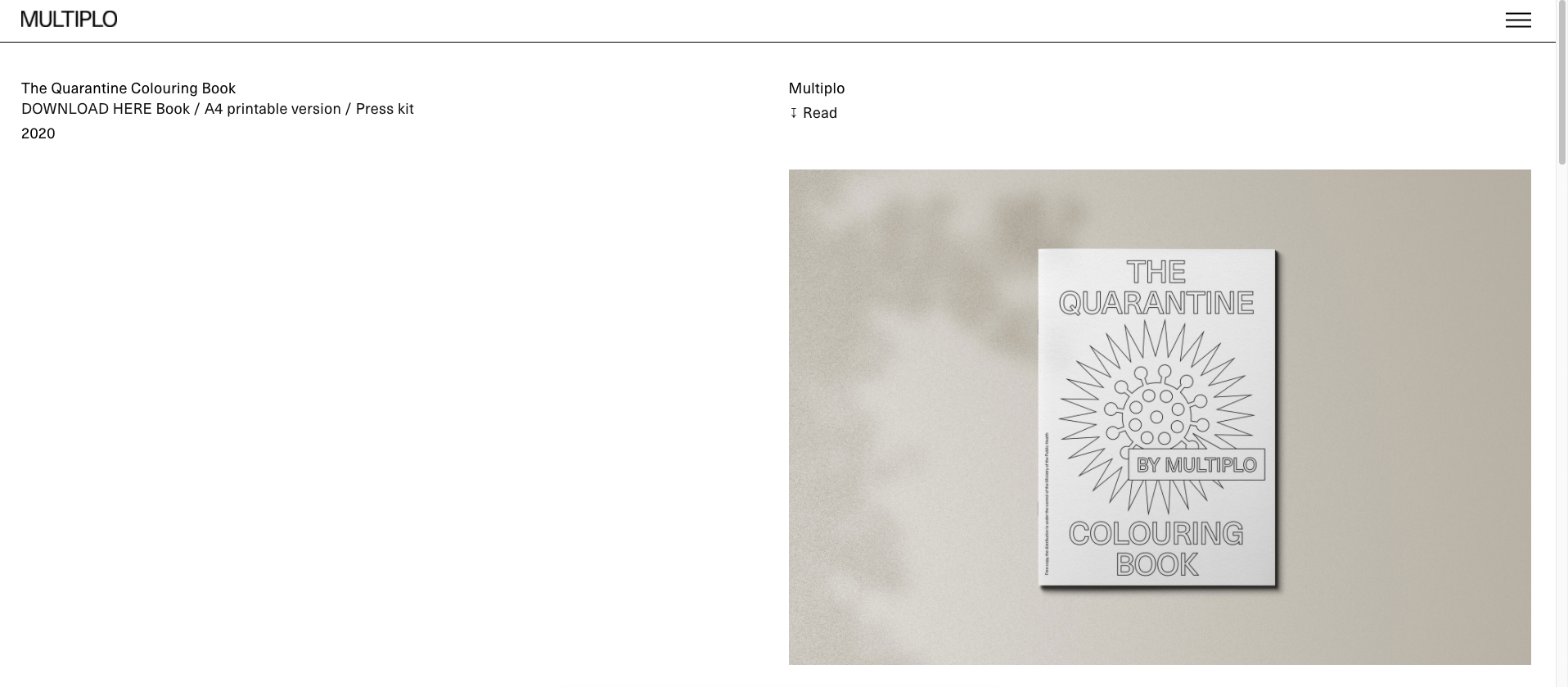
The Quarantine colouring-book was conceived as a response to the impact of Covid 19, in Italy. The country is at the epicentre of transmission in Europe and has experienced a great deal of hardship, in attempting to contain the virus. Consequently, daily-life has been thrown into disarray, with much of the population being confined to their homes.
As is the case here in the UK, the implementation of the stay-at-home policy has produced new challenges for many, specifically those that are living with a diagnosed mental health condition. The introduction of the new measures has contributed to the hardships faced by those already struggling to cope and with the added pressures of the current climate, the challenge of managing those conditions is not always easy. Therefore, there has been a renewed effort by the relevant government departments and the healthcare organisations, to engage with and begin to understand the full extent of the impact, that Covid 19 is having on the mental health and well-being, of the UK and the relevant European countries.
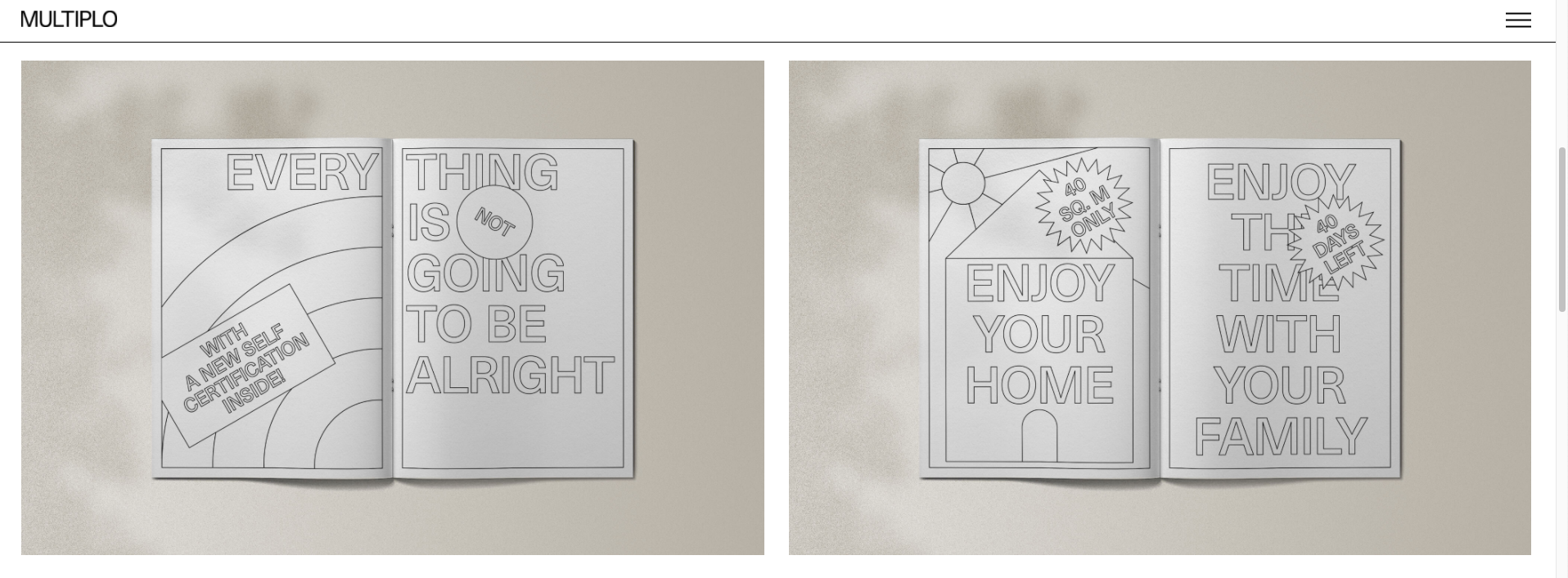
The implementation of tools that encourage the use of cognitive-therapies, such as colouring-books is not a new idea. Indeed, it is one that has been advocated by many mental-health charities and affiliated organisations, as being an easily accessible tool that can have a range of health benefits, for the user. With a number of NHS outlets, now backing the scheme and making available the necessary tools, in order to encourage a scaling-up of the strategy.
In my opinion, such tools have the potential to have a real impact in the fight against the mental-health crisis, that is currently taking place in the UK and in countries across Europe. The positive impact that can be achieved through engaging with a cognitive-therapy focused strategy, has been increasingly gaining recognition and support from mental-health charities and medical bodies, in recent years. Factor-in the low-costs of the materials required and the availability of the tools, such schemes should be widely implemented.
Design Development
Digital platform: Plus 1


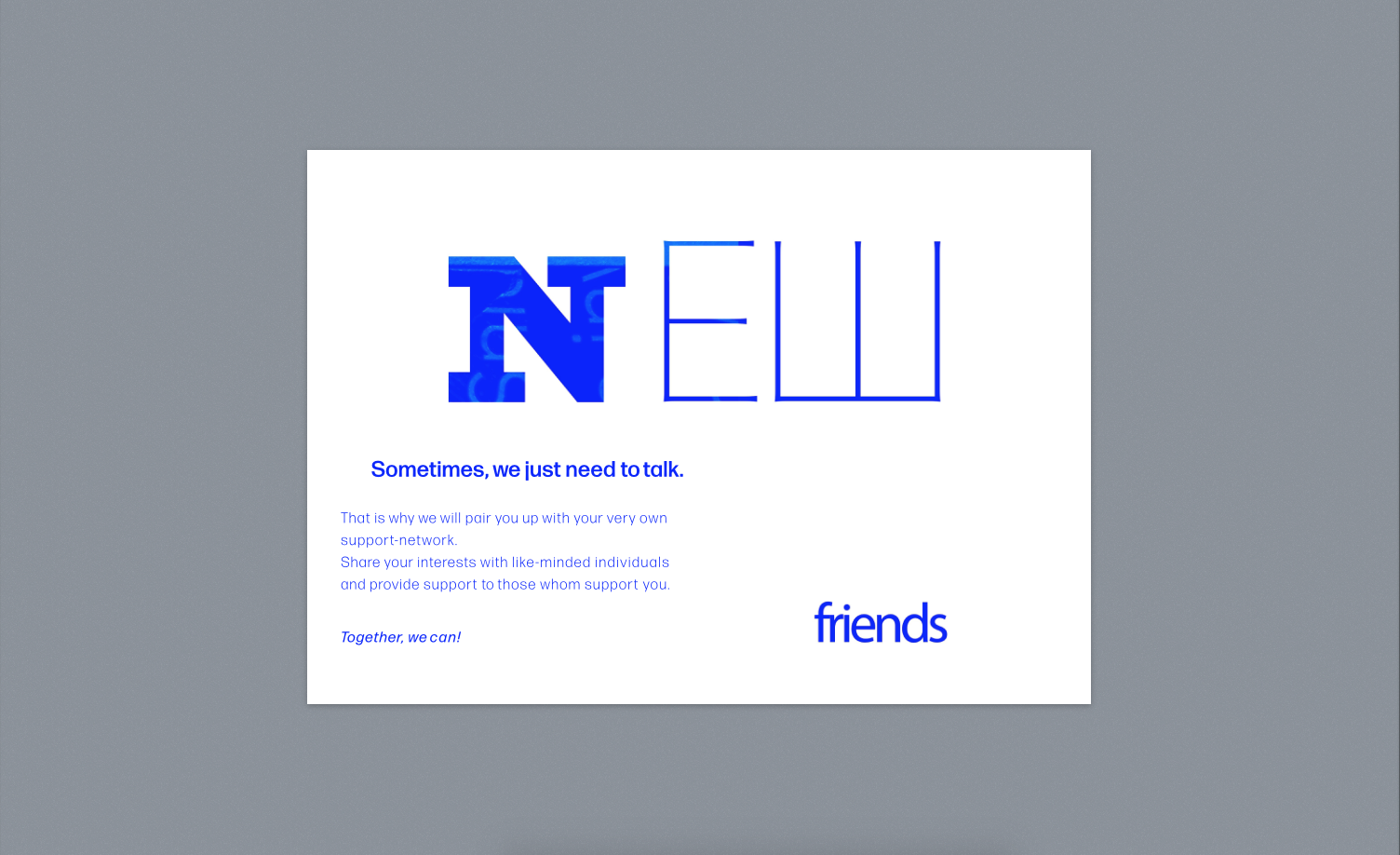
Outcome: Plus 1 digital platform
Group Discussion
References:
Public Health England., (2020). Guidance for the public on the mental health and wellbeing aspects of coronavirus (COVID-19) [online]. Gov.uk [Viewed 20 April 2020]. Available from: https://www.gov.uk/government/publications/covid-19-guidance-for-the-public-on-mental-health-and-wellbeing/guidance-for-the-public-on-the-mental-health-and-wellbeing-aspects-of-coronavirus-covid-19
Multiplo., (2020). The Quarantine Colouring Book [online]. Multiplo.biz [Viewed 21 April 2020]. Available from: https://www.multiplo.biz/projects/quarantinebook
Week_12
Research
Outcome
The Plus 1 platform is a response to the current challenges faced by the NHS and other health organisations, in attempting to manage the rise in mental health related cases. This rise in cases is a direct response to the current health crisis and has been exacerbated by the governments shelter-in-place, policy.
For many people, the prospect of being house-bound, is detrimental to their well-being and mental health. For those with diagnosable mental health conditions, being able to vacate the home and embark upon a walk or meet with friends, is an integral part of their coping strategy. Therefore, when faced with a reality in which these coping-mechanisms are no longer available, those individuals are at risk of a decline in health and well-being.
This surge in cases is poised to place further pressure on our medical services and so it is important that we explore and engage with a variety of solutions, that can be implemented in order to provide assistance to those in-need and compliment the solutions, that have been put in-place by the medical services.
The Plus 1 platform should be viewed as a form of holistic therapy, and would be informed by a range of ethnographic research methods. With the development of the product taking its lead from both quantitative research and qualitative research, thereby considering both the numerical data on offer, but also the insights provided by the target demographic.
 JohnPrinceBranding